Blog / Hydration & Nutrition
Best Carbs for Endurance Athletes 2026
High-carb drink mixes and fuels researched for 2+ hour endurance efforts. 80-120g carbs/hour fueling strategies.
Best Carbs & Endurance Fuel for 2026
 BEST VALUE
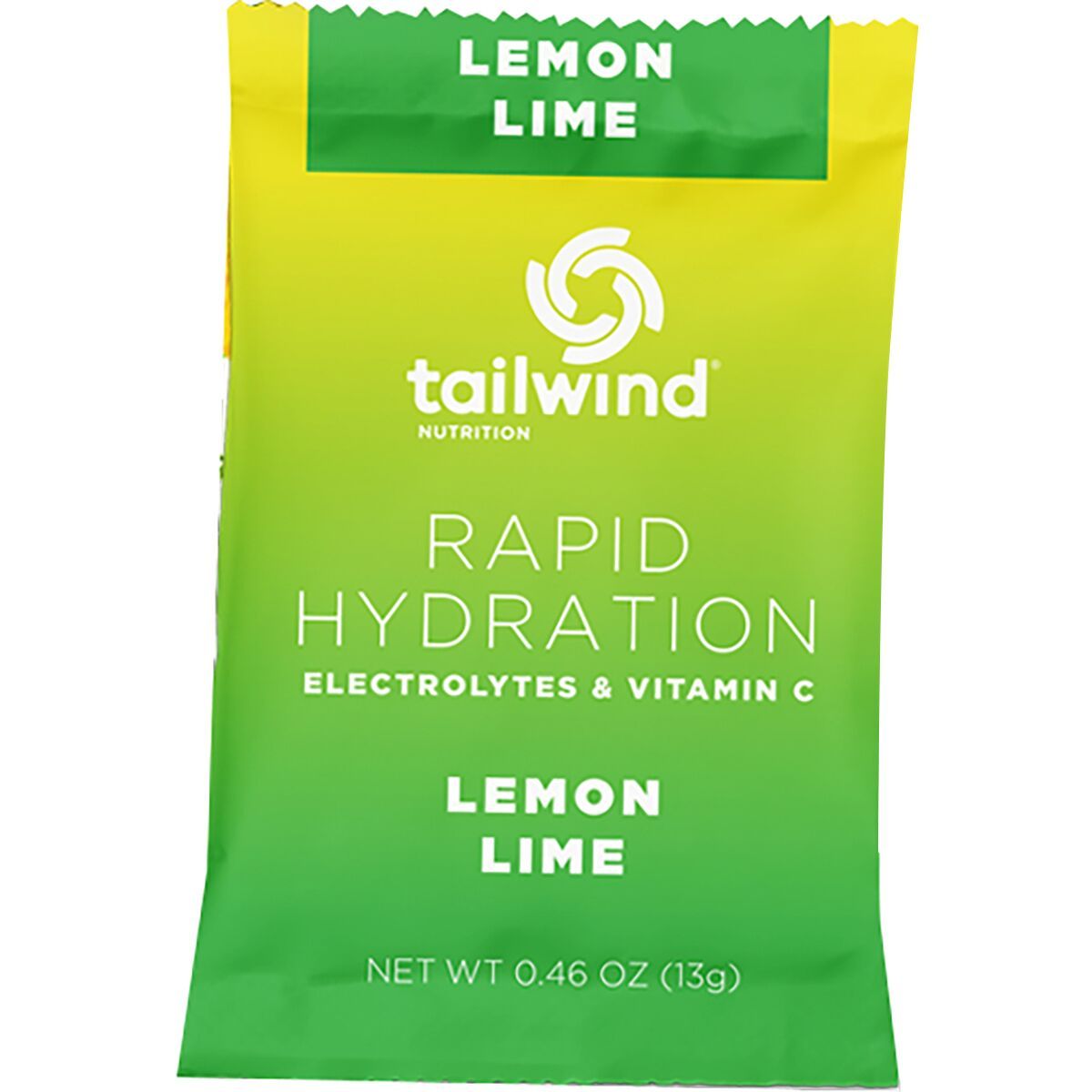
Tailwind Nutrition Rapid Hydration Lemon Lime
$19
 TOP PICK
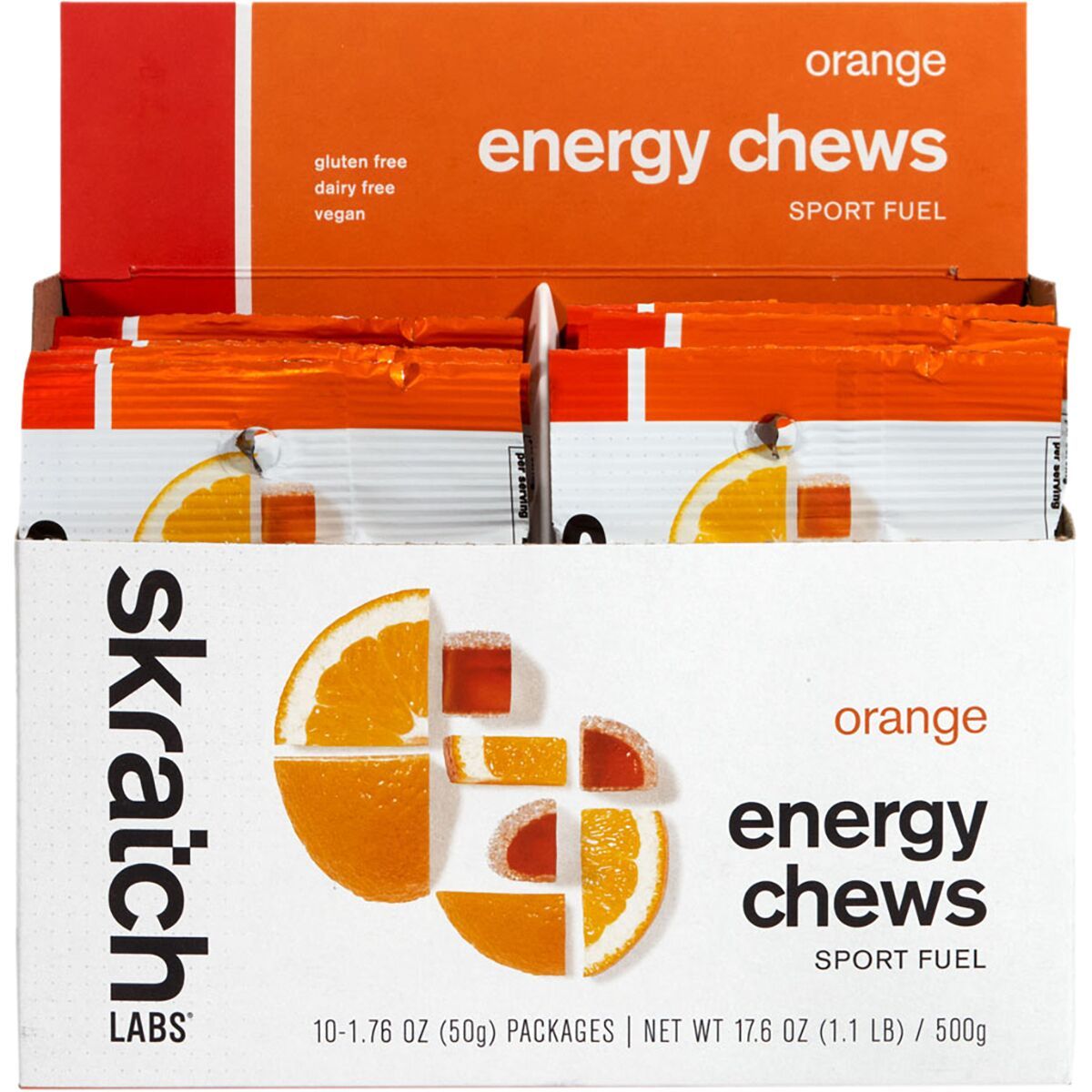
Skratch Labs Energy Chews Sport Fuel - 10-Pack Oranges
$28
 GREAT OPTION
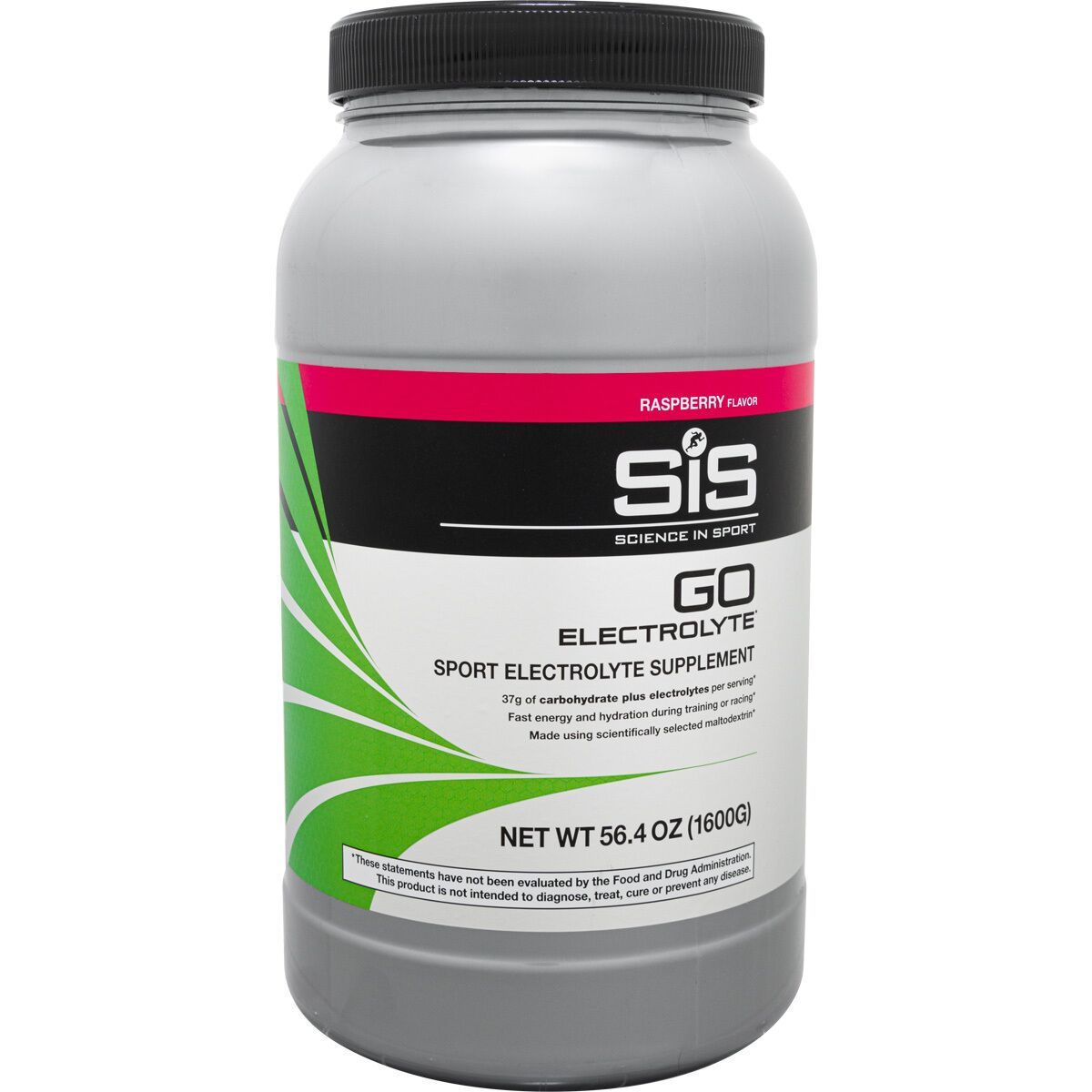
Science in Sport GO Electrolyte Drink Mix Raspberry
$30
 PERFORMANCE PICK
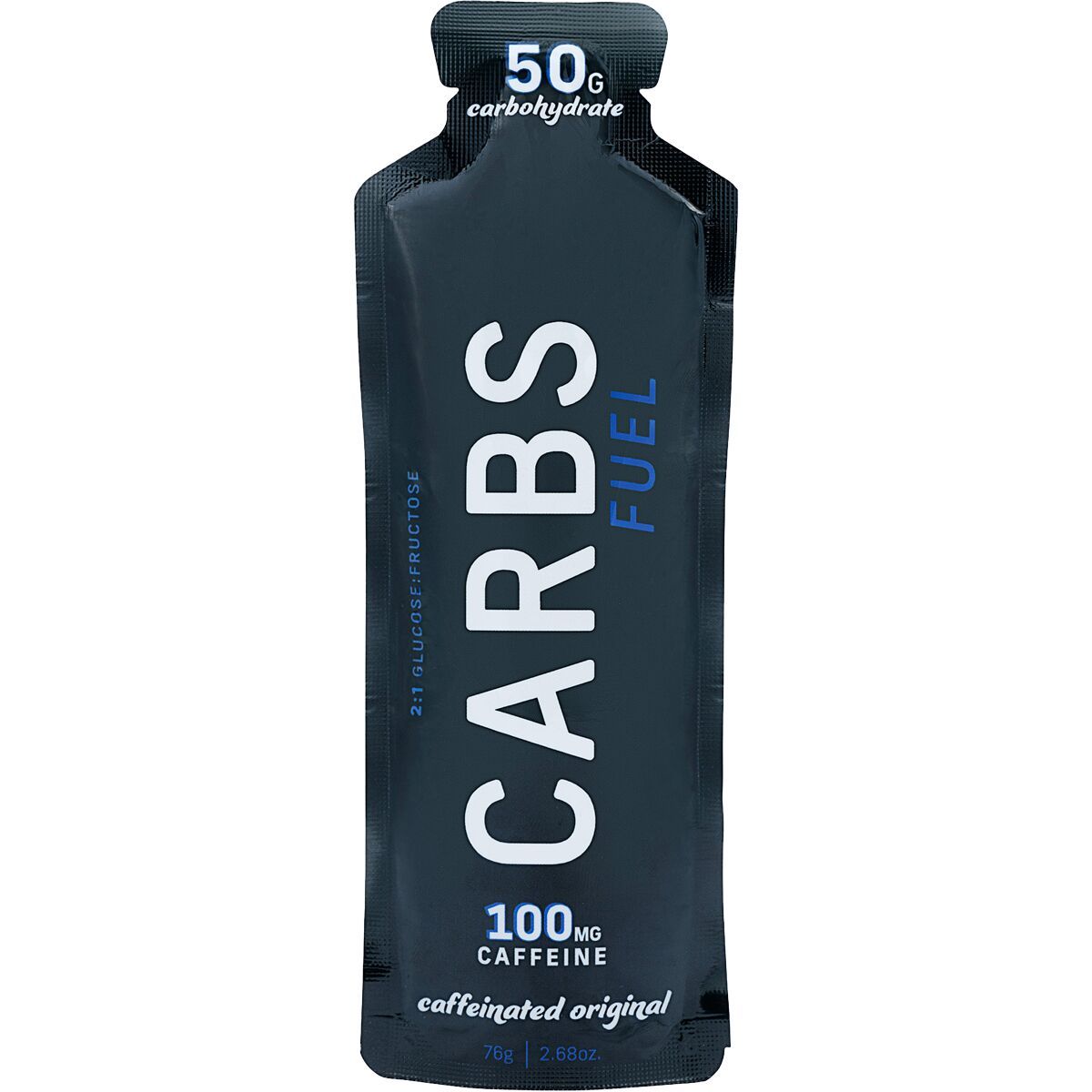
Carbs Fuel Caffeinated Energy Gels 50g
$30
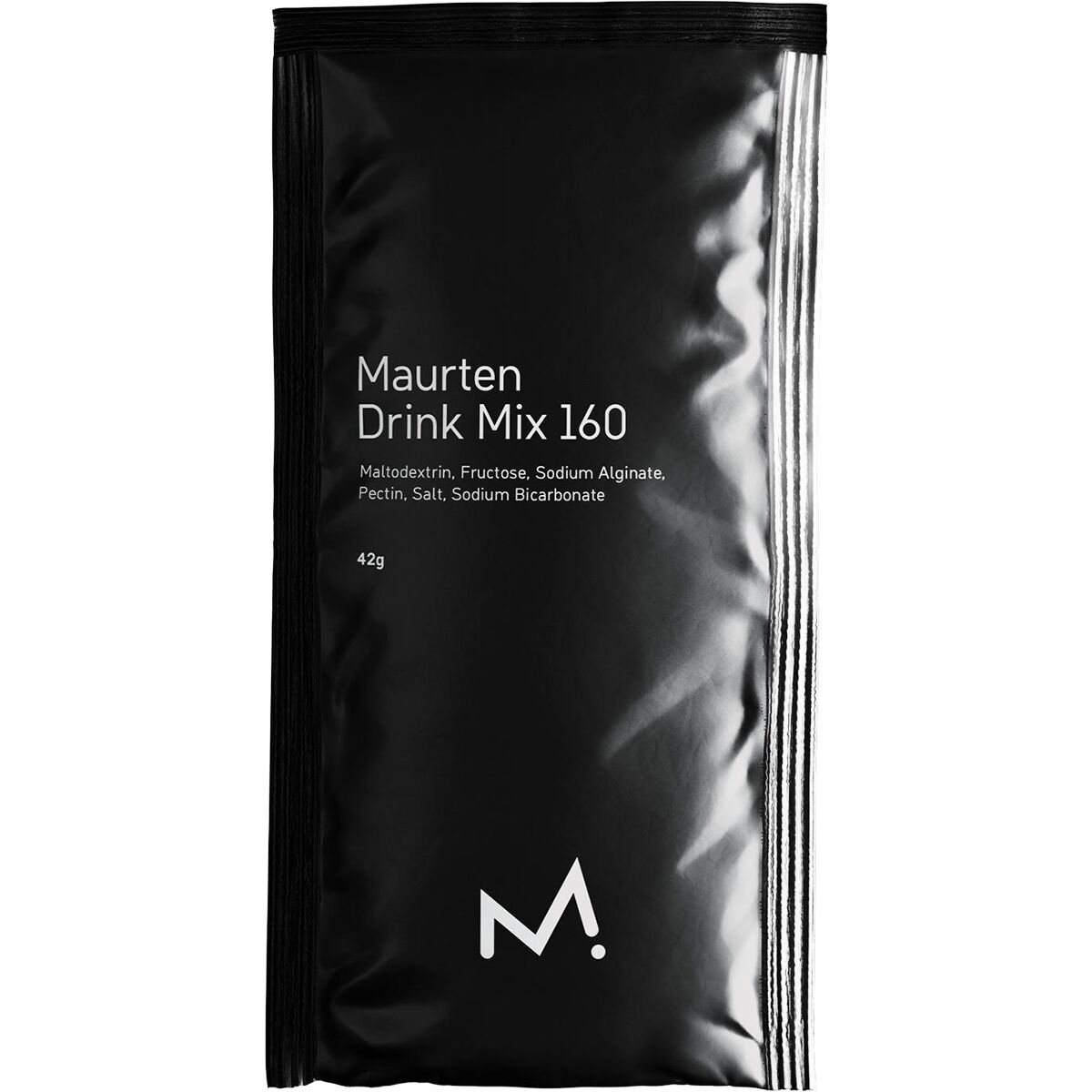 BEST UPGRADE
Maurten Drink Mix 160 Unflavored
$45
High-carb drink mixes ranked on carb density, mixability, and gut-friendliness — shoppable at Backcountry.
Tailwind Nutrition Rapid Hydration Lemon Lime
What Our Gearhead® Experts Are Saying:"I love using Tailwind Rapid Hydration after a long run or intense ride. It absorbs quickly and keeps me feeling refreshed without the artificial sweeteners found in other…
- ✓ Best for: Budget fuel
- ✓ Tailwind
- ✓ In stock at Backcountry
Skratch Labs Energy Chews Sport Fuel - 10-Pack Oranges
Skratch Labs make its Energy Chews Sport Fuel with simple ingredients and real fruit flavors to create an energy chew with a clean taste that isn't coated in wax.
- ✓ Best for: Everyday training
- ✓ Skratch
- ✓ In stock at Backcountry
Science in Sport GO Electrolyte Drink Mix Raspberry
Whether it is before a long ride or halfway through during our rest, having an electrolyte drink mix we can take to replenish and rehydrate helps us perform at our best.
- ✓ Best for: High-carb efforts
- ✓ Science
- ✓ In stock at Backcountry
Carbs Fuel Caffeinated Energy Gels 50g
What Our Gearhead® Experts Are Saying:“This is my go-to for long rides and trail runs. It’s clean, easy on the stomach, and actually packs a real punch when you’re pushing hard.
- ✓ Best for: Long races
- ✓ Carbs
- ✓ In stock at Backcountry
Maurten Drink Mix 160 Unflavored
What Our Gearhead® Experts Are Saying:"The Drink Mix 160 is a game-changer for my longer runs and hikes. It’s awesome because it gives me the fuel I need without causing that heavy, sloshy feeling.
- ✓ Best for: Premium fuel
- ✓ Maurten
- ✓ In stock at Backcountry
Quick Comparison Table
| Product | Best For | Price | Buy |
|---|---|---|---|
| Tailwind Nutrition Rapid Hydration Lemon Lime | Budget fuel | $19 | Backcountry → |
| Skratch Labs Energy Chews Sport Fuel - 10-Pack Oranges | Everyday training | $28 | Backcountry → |
| Science in Sport GO Electrolyte Drink Mix Raspberry | High-carb efforts | $30 | Backcountry → |
| Carbs Fuel Caffeinated Energy Gels 50g | Long races | $30 | Backcountry → |
| Maurten Drink Mix 160 Unflavored | Premium fuel | $45 | Backcountry → |
Frequently Asked Questions
How many carbs do I need during endurance events?
30-60g/hour for 1-2 hour events. 60-90g/hour for 2-4 hour events. 90-120g/hour for 4+ hour events (trained gut). Start lower; train your gut to tolerate more. 120g/hour used to be impossible — modern glucose+fructose combos make it possible.
Why 1:1 glucose:fructose ratio?
Glucose + fructose use different intestinal transporters (SGLT1 vs GLUT5). Combined, they absorb 30% more carbs/hour than glucose alone. Maurten, Skratch, SIS all use this ratio. Old-school sports drinks (Gatorade) use glucose only — limited to ~60g/hour.
Can I just use regular table sugar + salt?
Technically yes — DIY fueling works. 4 tbsp table sugar + 1/4 tsp salt in 20oz water = ~50g carbs + 290mg sodium. Cheaper than commercial products but less palatable and no glucose:fructose optimization. Most athletes find pre-mixed easier.
How to train your gut for high carb intake?
Start at 30g/hour. Add 10g/hour every 2 weeks of training. Drink water with carbs (concentration matters). Practice race-day fueling on long training rides/runs. Most athletes can adapt to 90g/hour within 6-8 weeks.
Related Nutrition Guides
- Best Electrolytes 2026 — Sodium to pair with carbs
- Best Energy Gels 2026 — Concentrated carb delivery
- Best Protein Powder — Post-workout recovery
- GU vs Maurten Gels — Gel comparison