Blog / Cycling Gear
Best Cycling Tires 2026
Cycling tires researched across road, gravel, and MTB. Rolling resistance, puncture protection, and durability compared.
Best Road Cycling Tires for 2026
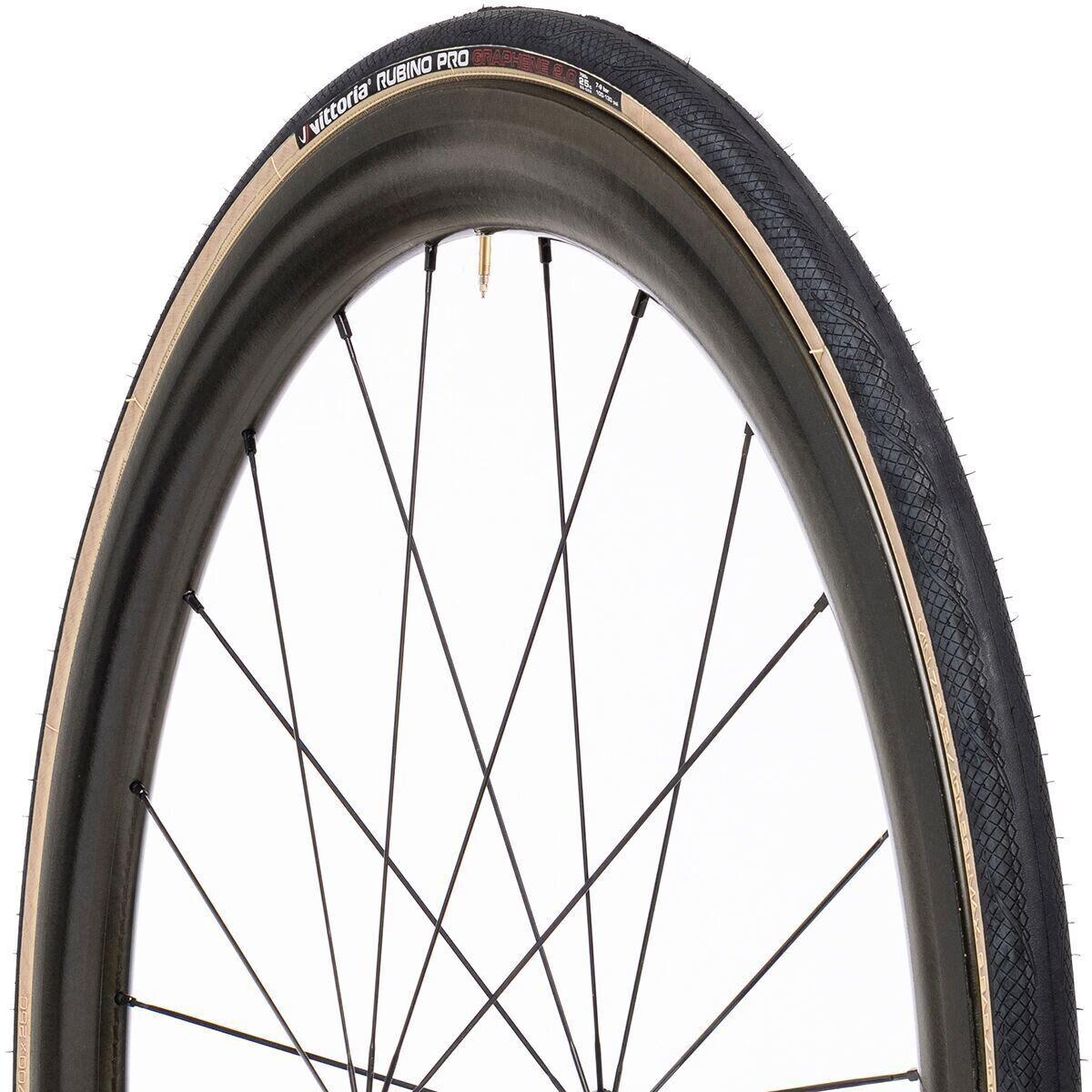 BEST VALUE
Vittoria Rubino Pro G2.0 Limited Edition Clincher Tire Gumwall
$40
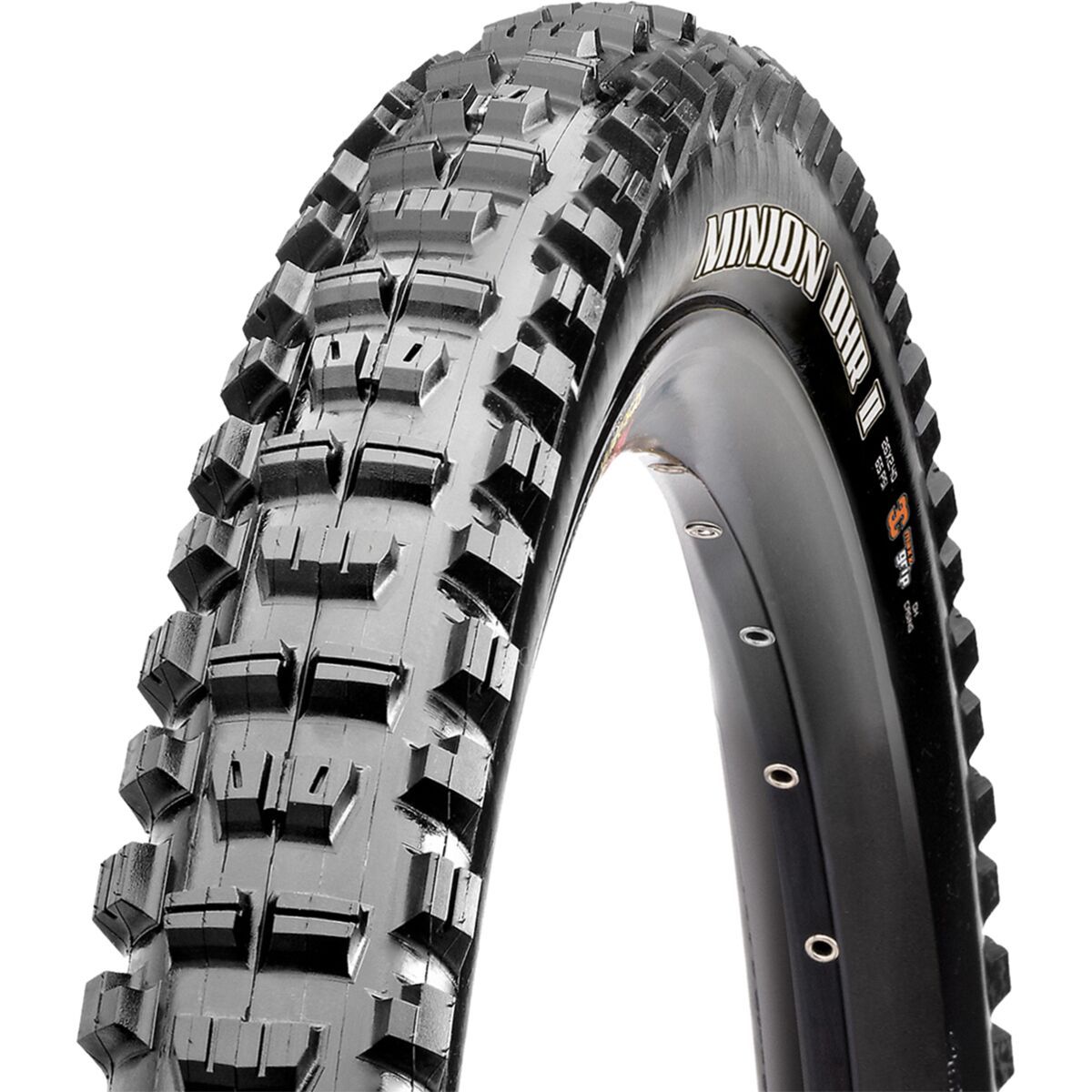 TOP PICK
Maxxis Minion DHR II Clincher Tire - 24in
$43
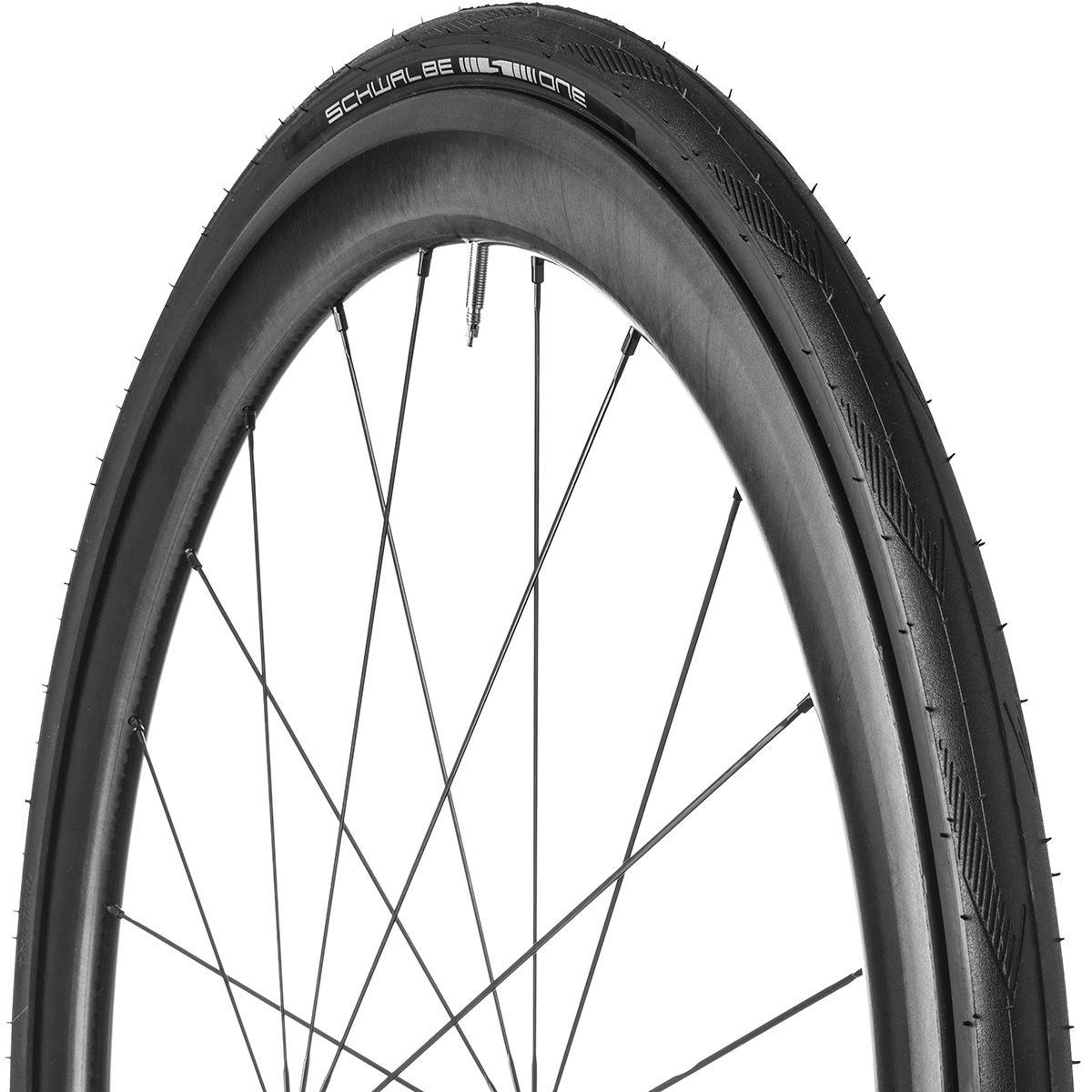 GREAT OPTION
Schwalbe One Performance Clincher Tire
$50
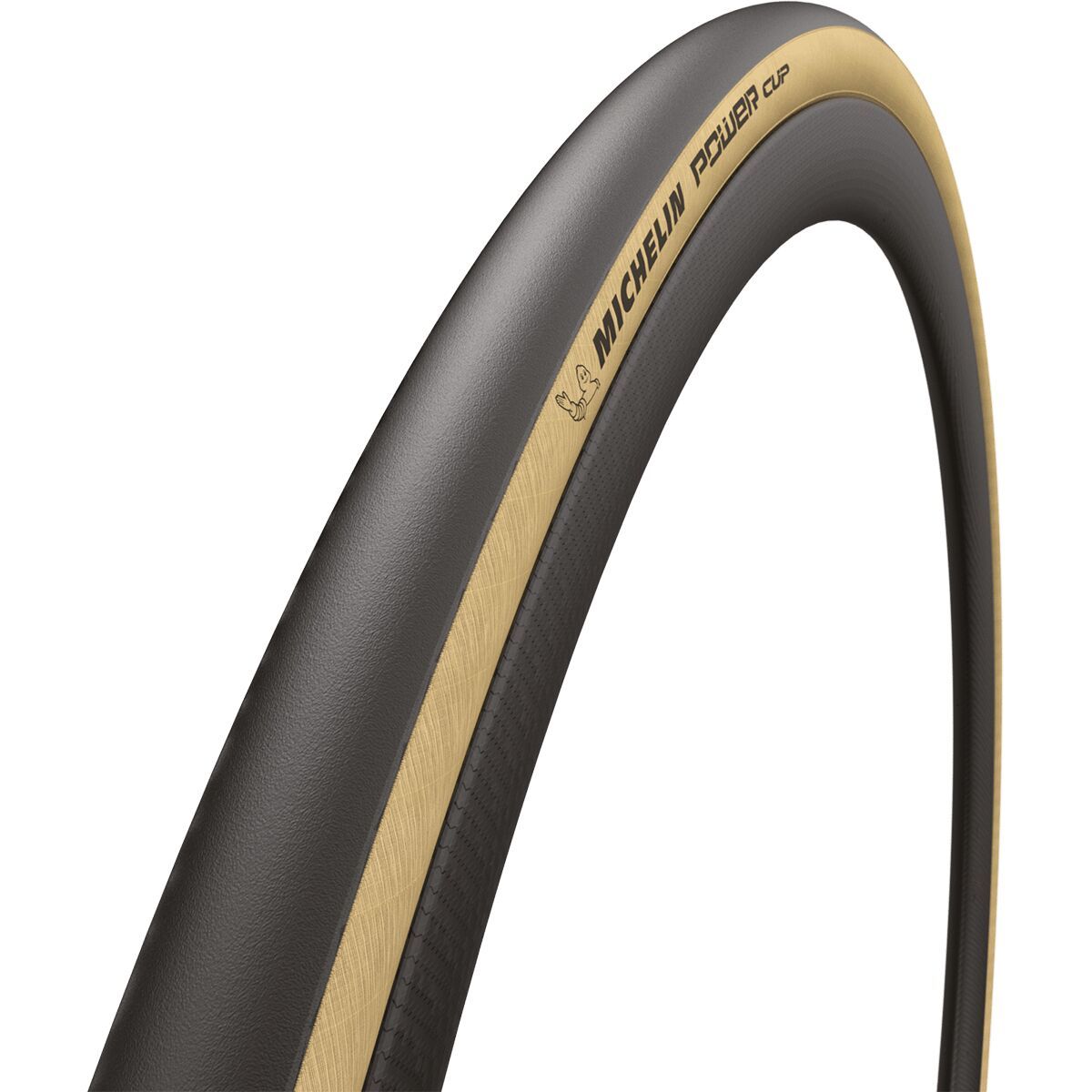 PERFORMANCE PICK
Michelin Power Cup - Tubeless Tire Classic
$63
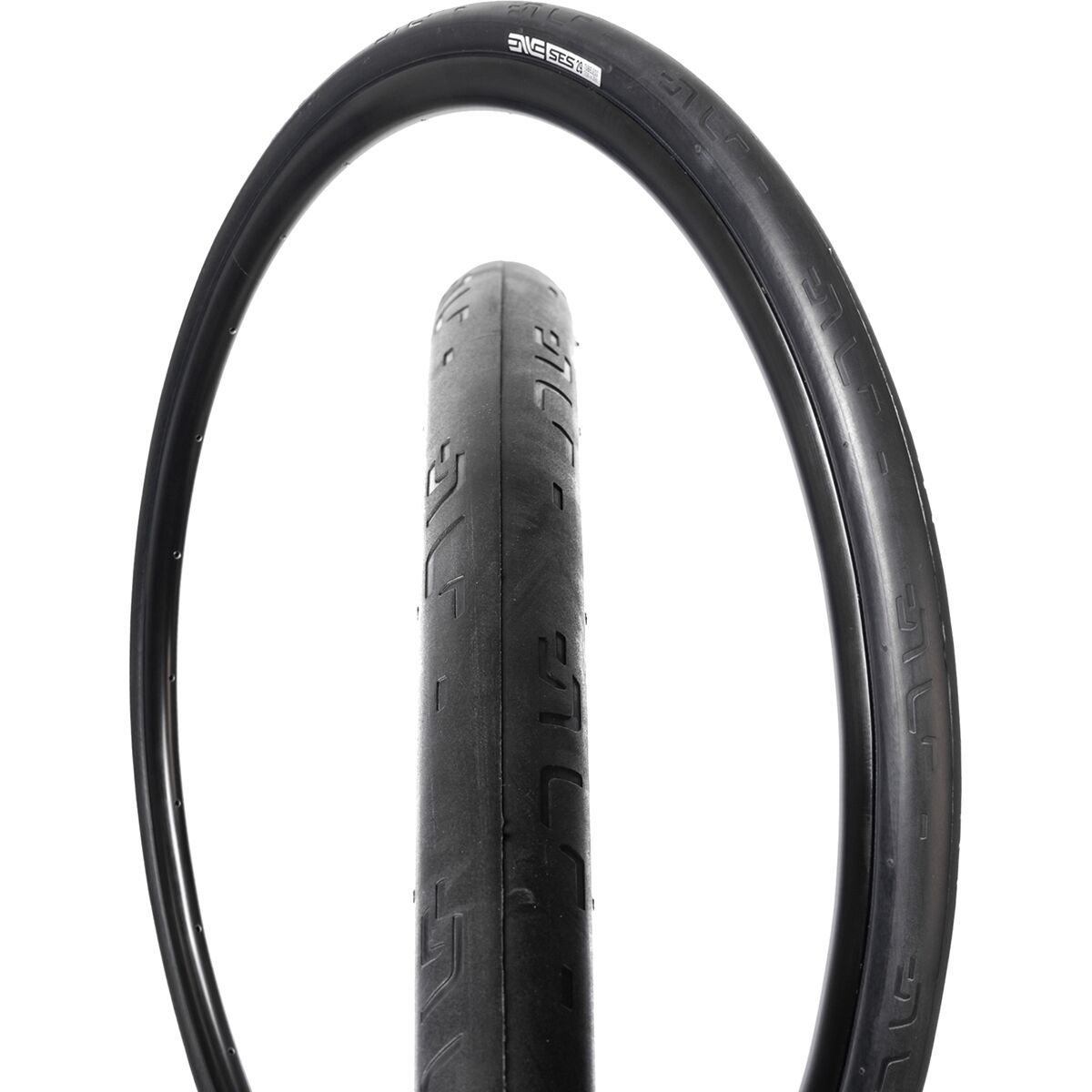 BEST UPGRADE
ENVE SES Tubeless Road Tire
$75
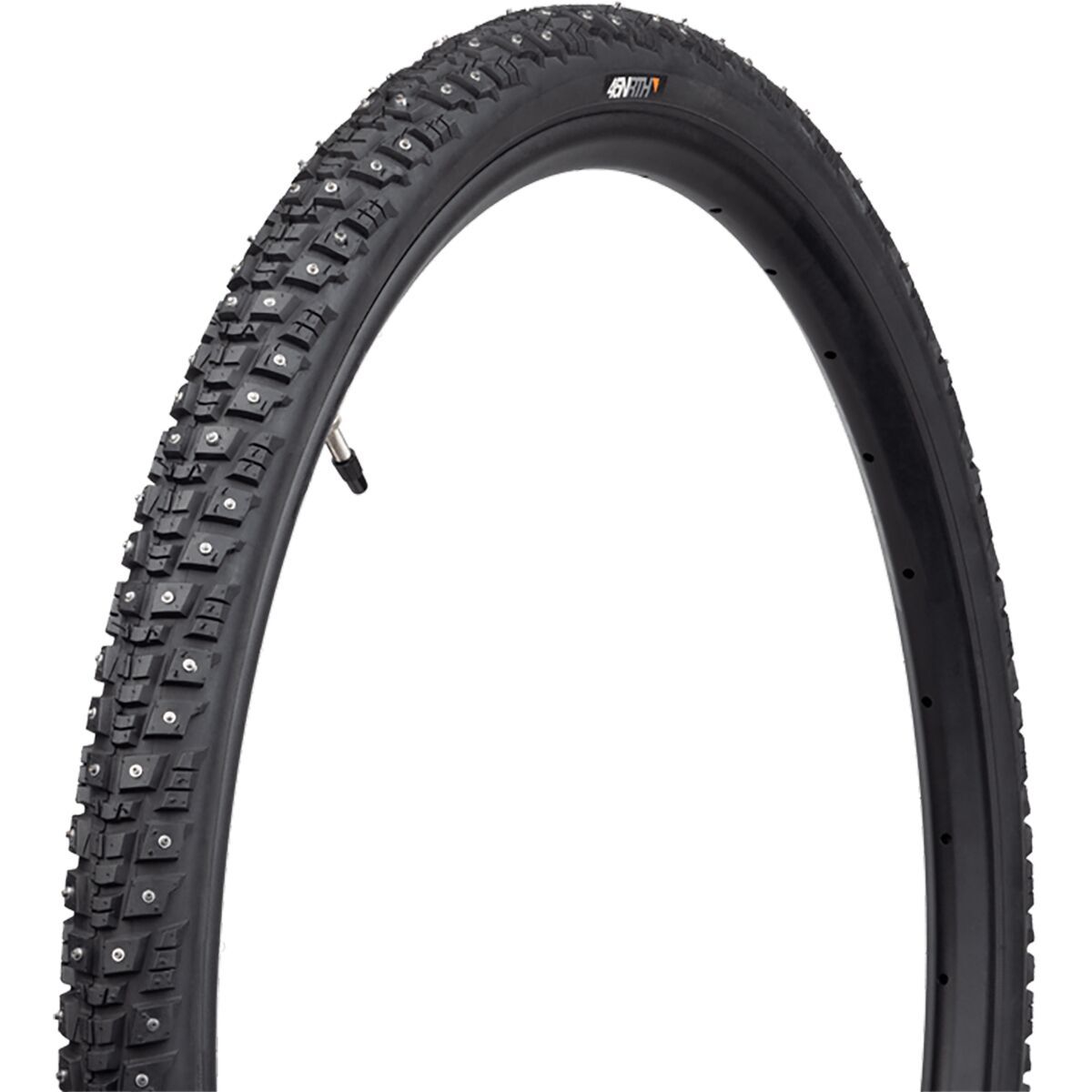 PREMIUM PICK
45NRTH Gravdal Studded Wire Bead Clincher Tire
$95
Road tires ranked on grip, rolling resistance, puncture protection, and durability — all available at Backcountry.
Vittoria Rubino Pro G2.0 Limited Edition Clincher Tire Gumwall
Vittoria is known for its Italian-made tires that are catered to decisive riders and racers. No matter if it's training, long-distance days, or racing, Vittoria has a tire versatile enough to be what you need.
- ✓ Best for: Training miles
- ✓ Vittoria
- ✓ In stock at Backcountry
Maxxis Minion DHR II Clincher Tire - 24in
Minion DHR II Clincher Tire - 24in
- ✓ Best for: Everyday road riding
- ✓ Maxxis
- ✓ In stock at Backcountry
Schwalbe One Performance Clincher Tire
With a good tire, long days on the bike and more miles in the saddle equates to low rolling resistance and speed for feeling fast and free on our ride. The One Performance Tire offers it all.
- ✓ Best for: Fast group rides
- ✓ Schwalbe
- ✓ In stock at Backcountry
Michelin Power Cup - Tubeless Tire Classic
Enhance your riding experience with the Tubeless Ready version of the MICHELIN POWER CUP tire
- ✓ Best for: All-around racing
- ✓ Michelin
- ✓ In stock at Backcountry
ENVE SES Tubeless Road Tire
For increased confidence, improved rolling efficiency, and enhanced aerodynamics from Enve, we recommend their SES Tubeless Road Tire.
- ✓ Best for: Race day speed
- ✓ ENVE
- ✓ In stock at Backcountry
45NRTH Gravdal Studded Wire Bead Clincher Tire
The 45NRTH Gravdal Studded Wire Bead Clincher Tire helps us navigate icy commutes with confidence. 240 carbide studs and aggressive center lugs ensure we have plenty of traction no matter what conditions we com…
- ✓ Best for: Premium performance
- ✓ 45NRTH
- ✓ In stock at Backcountry
Quick Comparison Table
| Product | Best For | Price | Buy |
|---|---|---|---|
| Vittoria Rubino Pro G2.0 Limited Edition Clincher Tire Gumwall | Training miles | $40 | Backcountry → |
| Maxxis Minion DHR II Clincher Tire - 24in | Everyday road riding | $43 | Backcountry → |
| Schwalbe One Performance Clincher Tire | Fast group rides | $50 | Backcountry → |
| Michelin Power Cup - Tubeless Tire Classic | All-around racing | $63 | Backcountry → |
| ENVE SES Tubeless Road Tire | Race day speed | $75 | Backcountry → |
| 45NRTH Gravdal Studded Wire Bead Clincher Tire | Premium performance | $95 | Backcountry → |
Frequently Asked Questions
How much PSI should I run?
Depends on tire width, bike weight, and surface. General guide: 25mm road @ 90-100 psi (170lb rider). 32mm gravel @ 40-50 psi. 45mm gravel @ 28-35 psi. 2.35" MTB @ 22-28 psi. Lower for traction in loose conditions, higher for smooth pavement.
Tubeless vs clincher (with tube)?
Tubeless — better puncture protection (sealant plugs small holes), lower pressure possible, less rolling resistance. Requires tubeless-compatible rims + more setup hassle. Clincher — easier setup, easier roadside fixes, slightly heavier. For serious riders, tubeless. For casual/commute, clincher is fine.
How often should I replace cycling tires?
3,000-5,000 miles for road tires. Less for aggressive cornering. Signs: worn tread pattern, sidewall cracking, frequent punctures on a previously reliable tire. Front tires last longer than rear (more wear on rear from weight + drive).
What tire width should I run on a road bike?
25-28mm is the modern sweet spot (wider than old 23mm standard). 28mm is objectively more comfortable and nearly as fast as 25mm. Most new road bikes fit 32mm+ now — if your frame clears, 30mm tubeless is even better.
Related Cycling Gear Guides
- GP 5000 vs Vittoria Corsa — Head-to-head comparison
- Best Bike Pumps 2026 — Proper pressure matters
- Best Bike Multi-Tools 2026 — Mid-ride tire repair
- Best Cycling Saddle Bags 2026 — Tube + repair carry