
Bike Fit Guide 2026: Complete Positioning
Setup, Adjustment & Professional Techniques
Table of Contents
A proper bike fit is the single most impactful upgrade you can make to your cycling experience. It affects everything: comfort on long rides, power output, aerodynamic efficiency, and injury prevention. Yet most cyclists ride bikes that don't fit them properly—either because they've never been fitted, or their fit has drifted as their body has changed.
This comprehensive guide covers all aspects of bike fitting, from basic saddle height calculations to advanced positional adjustments. Whether you're doing your own fit at home or preparing for a professional fitting, you'll understand the principles that create a perfect position on the bike.
1. Why Bike Fit Matters
Cycling is unique among endurance sports because you're locked into a fixed position for hours. In running, your body self-adjusts continuously. On a bike, even small position errors multiply over thousands of pedal strokes, leading to discomfort, power loss, or injury.
Benefits of Proper Fit
Comfort
Eliminate numbness, saddle discomfort, neck pain, and hand fatigue. Ride longer without suffering.
Power
Optimal joint angles allow maximum force production. Studies show up to 10% power improvement from proper fit.
Injury Prevention
Reduce overuse injuries like IT band syndrome, knee pain, lower back issues, and numbness.
Aerodynamics
A sustainable aero position beats an extreme position you can't maintain. Proper fit finds your optimal balance.
Signs Your Fit Is Wrong
- Hand, foot, or saddle numbness
- Knee pain (front, back, or sides)
- Lower back pain on rides
- Neck and shoulder tension
- Feeling "stretched out" or cramped
- Hip rocking at the bottom of pedal stroke
- Difficulty holding position on climbs

2. Saddle Height: The Foundation
Saddle height is the most critical fit parameter. It determines knee angle at the bottom of the pedal stroke, affecting both power production and injury risk. Too low limits power; too high causes hip rocking and knee strain.
The 109% Formula
Classic Method: Multiply your inseam (floor to crotch, standing against a wall) by 1.09. This gives saddle height measured from the center of the bottom bracket to the top of the saddle.
Example: 84cm inseam × 1.09 = 91.6cm saddle height
The Heel Method (Practical Check)
Sit on your bike in a trainer or against a wall. Place your heel on the pedal at the 6 o'clock position. Your leg should be completely straight (or nearly so) with no hip rocking. When you clip in and pedal with the ball of your foot, this creates the slight knee bend needed.
The Knee Angle Method (Most Accurate)
The gold standard for saddle height is measuring knee angle at the bottom of the pedal stroke (6 o'clock, foot level). The optimal range is 145-150 degrees (25-35 degrees of knee flexion). Use a goniometer or video analysis to measure.
Saddle Height Quick Reference
| Knee Angle | Interpretation |
|---|---|
| <140° | Too low - raise saddle |
| 145-150° | Optimal range |
| >155° | Too high - lower saddle |
Fine-Tuning Saddle Height
Make changes in 2-3mm increments and ride for at least a week before further adjustments. Larger changes feel dramatic; smaller changes integrate naturally. Note: changes to other fit parameters (cleat position, crank length) affect optimal saddle height.
3. Saddle Fore/Aft Position
Saddle fore/aft position (setback) affects weight distribution, pedaling biomechanics, and reach to the handlebars. It's the second most important fit parameter after saddle height.
Knee Over Pedal Spindle (KOPS)
The traditional method: with the pedals at 3 and 9 o'clock (horizontal), drop a plumb line from just below your kneecap. It should pass through or slightly behind the pedal spindle. This is a starting point, not an absolute rule.
KOPS Limitations
KOPS is a useful starting point but not physiologically optimal for everyone. Powerful riders often benefit from slightly more setback; time trialists often sit further forward. Consider KOPS as a reference, not a rule.
Effects of Fore/Aft Position
More Forward
- Emphasizes quadriceps
- Higher cadence preference
- More weight on hands
- Common for TT/triathlon
More Back (Setback)
- Engages glutes/hamstrings
- Lower cadence, higher torque
- More weight on saddle
- Common for climbing
4. Handlebar Reach & Drop
Reach (horizontal distance to handlebars) and drop (vertical difference between saddle and bars) determine your upper body position. These significantly affect comfort, aerodynamics, and power.
Reach Considerations
Optimal reach creates a slight bend in the elbows when on the hoods, allowing shock absorption and control. Signs of incorrect reach:
- Too long: Locked elbows, shoulder/neck tension, sliding forward on saddle
- Too short: Very bent elbows, cramped feeling, knees hitting chest on climbs
Adjusting Reach
Reach is adjusted via stem length and angle. A longer stem increases reach; a shorter stem decreases it. Most riders use stems between 80-120mm. Handlebar reach (from clamp to hood position) also varies by model.
Bar Height/Drop
The drop from saddle to handlebars affects your back angle. Lower bars are more aerodynamic but require good flexibility. Higher bars are more comfortable but less aero.
Typical Bar Drop Guidelines
| Rider Type | Bar Drop |
|---|---|
| Recreational/comfort | 0-2cm below saddle |
| Fitness/enthusiast | 2-5cm below saddle |
| Performance road | 5-10cm below saddle |
| Pro racing | 8-12cm+ below saddle |
Adjusting Bar Height
Bar height is adjusted by adding or removing headset spacers and flipping the stem angle. Most modern stems can be run positive (up) or negative (down). Cutting the steerer tube removes the ability to raise bars later, so be cautious before making permanent changes.

5. Cleat Positioning
Cleat position determines how your foot connects to the pedal and affects knee tracking, power transfer, and comfort. Poor cleat setup is a common cause of knee pain.
Fore/Aft Cleat Position
The cleat should generally position the ball of your foot (first metatarsal joint) over or slightly behind the pedal spindle. Some modern fitting protocols recommend positioning the cleat further back for improved stability and reduced calf strain.
Cleat Rotation (Stance Angle)
Most people's feet naturally point slightly outward (heel in, toes out). The cleat should be rotated to match your natural foot angle. If your feet naturally angle out, the heel of the cleat (toward the back of the shoe) should angle inward.
Finding Natural Foot Angle
Sit on a table with legs hanging. Let your feet dangle completely relaxed. Note the natural angle of your feet—this is approximately how they should align on the pedals.
Cleat Float
Float refers to how much rotational movement the cleat allows before releasing. More float (6-9°) provides forgiveness for imperfect cleat angles; less float (0-4.5°) provides more direct power transfer but requires precise setup. Most riders benefit from some float.
Signs of Poor Cleat Position
- Knee pain (outside): Cleats may be rotated too inward or Q-factor too narrow
- Knee pain (inside): Cleats may be rotated too outward or Q-factor too wide
- Hot foot / numbness: Cleat may be too far forward
- Achilles/calf strain: Cleat may be too far forward
6. Saddle Selection
No amount of positioning fixes the wrong saddle. Saddle selection is highly individual—what works for one rider may be torture for another. The key is matching saddle width to your sit bone (ischial tuberosity) width.
Sit Bone Width
Your sit bones are the two bony protrusions in your pelvis that support your weight when seated. Saddle width should allow your sit bones to rest on the padded areas, not hang off the edges. Many bike shops offer sit bone measurement tools.
General Saddle Width Guidelines
- Sit bones <110mm: Narrow saddle (130-140mm)
- Sit bones 110-130mm: Medium saddle (143-155mm)
- Sit bones >130mm: Wide saddle (155mm+)
Saddle Shape Considerations
- Flat vs. curved: Flat saddles suit riders who move around; curved saddles lock you in position
- Cutout vs. solid: Cutouts relieve soft tissue pressure; especially valuable for aggressive positions
- Padding: Less is often more for performance riding; excessive padding causes pressure points
Popular Saddle Options
Some widely-praised saddles across different profiles:
- Fizik Argo Vento - Short nose design, excellent for aggressive positions
- Specialized Power - Wide relief channel, popular for all riding styles
- Selle Italia SLR Boost - Short and wide, designed for modern aero positions

7. Common Fit Problems & Solutions
Most cycling discomfort traces back to specific fit issues. Here's a troubleshooting guide:
Knee Pain (Front)
Likely causes: Saddle too low, saddle too far forward, cleats too far forward, or cadence too low.
Fix: Raise saddle 2-3mm, check saddle setback, move cleats back, increase cadence.
Knee Pain (Back)
Likely causes: Saddle too high, saddle too far back, or sudden mileage increase.
Fix: Lower saddle 2-3mm, move saddle forward, reduce training load temporarily.
Lower Back Pain
Likely causes: Reach too long, bars too low, core weakness, or excessive saddle tilt.
Fix: Shorter stem, raise bars, strengthen core, level saddle.
Hand Numbness
Likely causes: Too much weight on hands (reach too long, bars too low), poor hand position, or grip too tight.
Fix: Shorten reach, raise bars, add bar tape, wear padded gloves, change hand position frequently.
Saddle Discomfort/Numbness
Likely causes: Wrong saddle width, saddle tilted nose up, excessive reach, or incorrect saddle height.
Fix: Measure sit bones, level or slightly tilt saddle nose down, adjust reach, try saddle with cutout.
Hip Rocking
Likely causes: Saddle too high or one leg functionally longer than the other.
Fix: Lower saddle until rocking stops, consider shim under cleat for leg length discrepancy.
8. Fit Considerations by Bike Type
Different bike types and disciplines have different fit priorities:
Road Bike
Balance of comfort, power, and aerodynamics. Moderate reach and drop. Priority: sustainable position for 3-6 hour rides. Saddle height and position follow standard formulas.
Time Trial / Triathlon Bike
Maximum aerodynamics with different muscle recruitment. Steeper seat tube (76-80°) shifts weight forward, opening hip angle. Saddle often higher relative to bottom bracket. Arm pads take weight off hands. Requires specific fitting expertise.
Gravel / Adventure Bike
More upright than road for control over rough terrain. Slightly wider handlebars for stability. Saddle position similar to road but may be slightly lower for off-saddle maneuverability.
Mountain Bike
Most upright position, prioritizing control and ability to shift weight quickly. Dropper posts allow position changes between climbing and descending. Saddle height for climbing, then dropped for technical sections.
9. Professional Bike Fitting
While DIY fitting works for many riders, professional bike fits offer advantages that self-fitting can't match:
Types of Professional Fits
Basic Fit ($100-150)
Static measurements and adjustments. Good for getting in the ballpark but doesn't account for individual biomechanics or movement patterns.
Comprehensive Fit ($200-300)
Dynamic fitting with video analysis, multiple measurement systems, and iterative adjustments while you pedal. Most riders benefit from this level.
Advanced/Medical Fit ($300-500+)
Includes motion capture, pressure mapping, and detailed biomechanical assessment. Ideal for riders with persistent pain, prior injuries, or professional athletes seeking optimization.
When to Get a Professional Fit
- New bike purchase
- Persistent pain or discomfort
- Significant training increase
- After injury or surgery
- Transitioning to TT/triathlon position
- Every 1-2 years to check for drift
What to Bring to a Bike Fit
- Your bike (clean and in good working order)
- Cycling shoes and any orthotics you use
- Normal cycling kit (shorts, jersey)
- Description of any pain or discomfort you experience
- Your cycling goals (comfort, performance, specific events)
10. Tools for DIY Bike Fit
If you're doing your own bike fit, these tools help achieve accurate measurements:
Essential Tools
- Tape measure: For all position measurements
- Plumb line: For KOPS and checking vertical alignment
- Level: For checking saddle angle (aim for level or slightly nose-down)
- Allen keys/multi-tool: For making adjustments
- Phone/camera: For video analysis of your position
Advanced DIY Tools
- Goniometer - Measures joint angles accurately
- Digital level - Precise saddle angle measurement
- Bike trainer: Allows stationary pedaling during adjustments
- Mirror or video: Check your position from the side
Fit Apps
Several smartphone apps help analyze your position using video. Apps like MyVeloFit and Bike Fast Fit use AI to measure joint angles and suggest adjustments. While not as accurate as professional fits, they're useful for DIY adjustments.
11. Frequently Asked Questions
How often should I get a bike fit?
Get fitted with any new bike, after significant injury or physical changes, or if you develop persistent discomfort. For competitive cyclists, annual fit checks catch drift from flexibility changes or equipment wear.
Can I copy a professional cyclist's position?
No. Professional positions are extremely aggressive and suit athletes with exceptional flexibility and years of adaptation. They also have daily physio support. What works for a pro would likely injure a recreational rider.
Should I prioritize comfort or aerodynamics?
Comfort first. An aero position you can't maintain is slower than a comfortable position you hold for hours. Once comfortable, gradually lower the position over months as flexibility improves.
Do I need a fit if I bought the right size bike?
Yes. Frame size is just the starting point. Proper fit involves saddle height, saddle fore/aft, saddle angle, stem length, stem angle, bar width, cleat position, and more. A good fit makes a properly-sized bike truly yours.
How long does it take to adapt to a new position?
Minor changes (few mm): 1-2 rides. Moderate changes: 1-2 weeks. Significant changes: 4-6 weeks. If discomfort persists beyond 6 weeks, the new position may be wrong.
Conclusion: Your Optimal Position
Bike fit is part science, part art, and entirely individual. The numbers and formulas in this guide provide starting points, but your body will tell you what works. Pay attention to comfort, efficiency, and any developing pain—these are feedback mechanisms guiding you toward your optimal position.
Start with the basics: get saddle height right, ensure reasonable reach, and position your cleats correctly. From there, make small adjustments based on how you feel. Document your position numbers so you can replicate them or track changes over time.
A proper bike fit transforms the riding experience. What once felt like suffering becomes sustainable. What once hurt becomes comfortable. And a comfortable rider is a faster, happier rider who stays in the sport for life.
Calculate Your Position
Use our cycling calculators to estimate saddle height, gear ratios, and training zones for your optimal setup.
Explore Cycling CalculatorsGlen
Endurance sports enthusiast and data-driven training advocate. When not analyzing pace charts, you'll find Glen on trails or exploring new routes on two wheels.
📊 Power Up Your Cycling
Use our free calculators to optimize performance:
Featured at Backcountry — 15% off first order
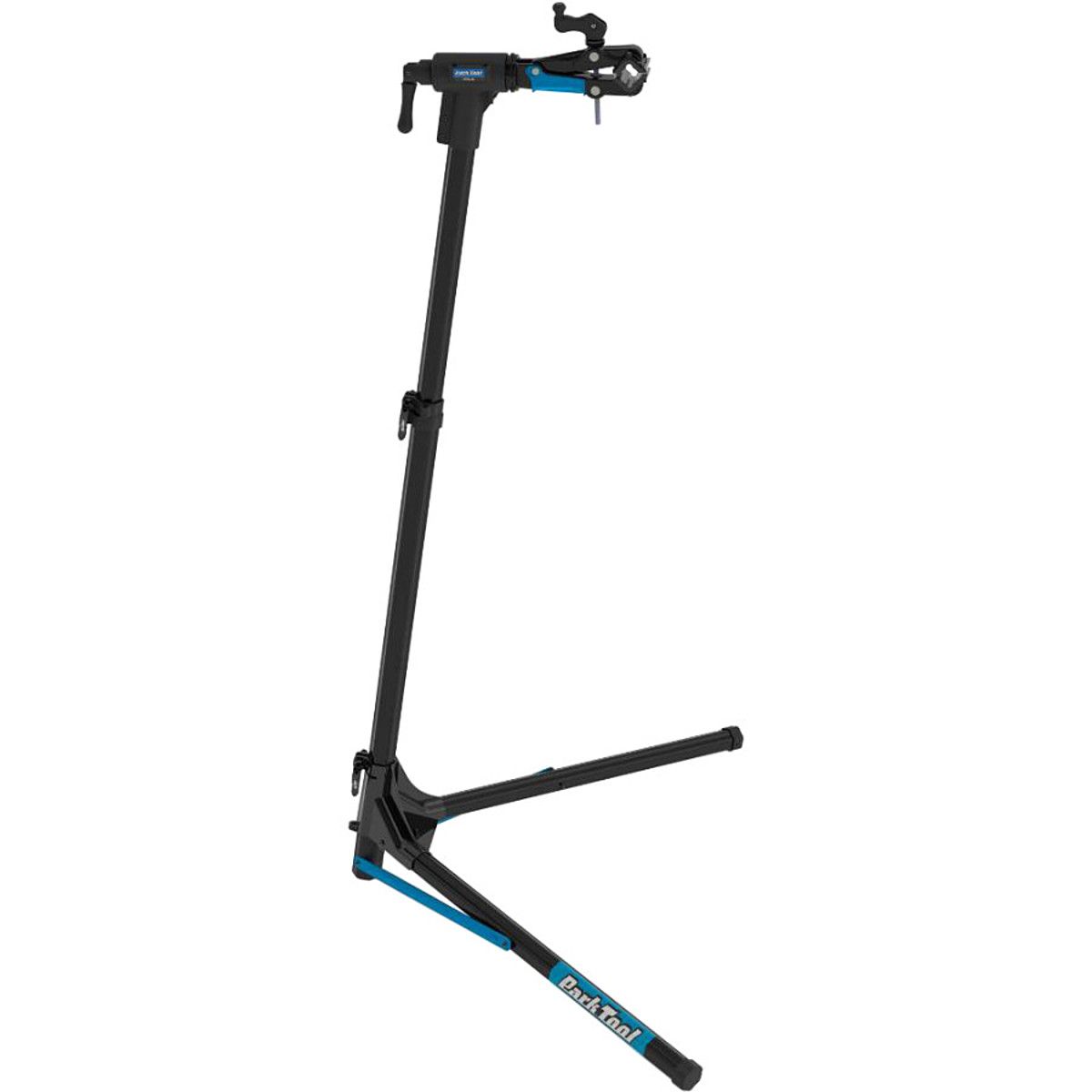
Park Tool PRS-25 Team Issue
Bike fitting starts with a real repair stand. Park Tool's PRS-25 is what pro team mechanics use.