Program Overview
Duration
8 Weeks
Progressive build to test day
Frequency
3-4 Days/Week
Beginner-friendly schedule
Equipment
Power Meter
Smart trainer or bike PM
Ready to discover your cycling potential? This comprehensive 8-week plan transforms complete beginners into cyclists ready to tackle their first 20-minute FTP test. No prior experience with power meters or structured training required - we'll guide you through every step.
Before You Start: Prerequisites
⚠️ Important Prerequisites
- ✅ Can comfortably ride for 30-45 minutes at easy pace
- ✅ Have access to a power meter (smart trainer, pedals, or crank)
- ✅ Completed basic bike fit and feel comfortable on your bike
- ✅ No current injuries or medical conditions preventing exercise
- ✅ 3-4 hours per week available for training
New to Cycling? Spend 2-4 weeks building basic fitness with easy 20-40 minute rides before starting this program.
Equipment Setup
Power Measurement Options
Budget Option ($300-600):
- • Wahoo Kickr Snap or Elite Direto
- • Uses your own bike
- • Good for beginners
- • Works with free apps
Premium Option ($600-1200):
- • Wahoo Kickr Core/V5
- • Very accurate power measurement
- • Direct drive (no wheel)
- • Professional-level precision
Recording Data: Use Zwift (free trial), TrainerRoad, or Wahoo app to record your workouts and track progress.
Week-by-Week Training Plan
Weeks 1-2: Foundation Building
Goals: Build Base Fitness & Learn Power Training
Monday: Easy Endurance
- • 30-40 minutes easy spinning
- • Keep power conversational (estimate 60-70% of max effort)
- • Focus: Get comfortable with power meter display
- • RPE: 3-4 out of 10
Wednesday: Introduction to Intervals
- • 10-min warm-up easy
- • 4×3 minutes moderate effort, 2-min easy recovery
- • 10-min cool-down
- • Total: 40 minutes
Saturday: Longer Easy Ride
- • 45-60 minutes steady, comfortable
- • Practice maintaining consistent power
- • Work on pacing and bike position
- • RPE: 4-5 out of 10
Weeks 3-4: Building Intensity
Goals: Increase Sustainable Power & Learn Pacing
Monday: Active Recovery
- • 30 minutes very easy spinning
- • Focus on pedaling technique
- • RPE: 2-3 out of 10
Wednesday: Tempo Intervals
- • 15-min warm-up with 3×1-min builds
- • 3×8 minutes "comfortably hard," 4-min recovery
- • 10-min cool-down
- • Total: 50 minutes
Friday: Short Intensity
- • 15-min warm-up
- • 6×2 minutes hard effort, 2-min recovery
- • 10-min cool-down
- • Total: 40 minutes
Sunday: Long Easy
- • 60-75 minutes steady
- • Include 3×5-min tempo efforts
- • Practice fueling and hydration
Weeks 5-6: Threshold Development
Goals: Build Threshold Power & Practice 20-Min Efforts
Tuesday: Threshold Intervals
- • 20-min warm-up progressive
- • 3×10 minutes "hard but sustainable," 5-min recovery
- • 15-min cool-down
- • Total: 70 minutes
- • Key: These should feel like 7-8/10 effort
Thursday: Sweet Spot
- • 15-min warm-up
- • 2×15 minutes moderately hard, 8-min recovery
- • 10-min cool-down
- • RPE: 6-7 out of 10 (harder than tempo, easier than threshold)
Saturday: First 20-Min Test Simulation
- • 20-min warm-up with openers
- • 20 minutes all-out effort
- • 15-min cool-down
- • Goal: Learn pacing for sustained effort
Week 5 Note: The simulation test helps you learn pacing. Don't worry about the number - focus on completing 20 minutes at maximum sustainable effort.
Weeks 7-8: Peak & Test
Goals: Peak Fitness & Execute Perfect FTP Test
Week 7: Peak Training
Tuesday: Final Threshold
- • 2×12 min @ threshold, 6-min recovery
- • Practice race-day intensity
Friday: Openers
- • 30 min easy with 3×3-min builds
- • Activation for test day
Week 8: Test Week
Monday: Rest or 30 min easy
Wednesday: 40 min easy with 3×90-sec openers
Friday: REST DAY
Saturday: FTP TEST DAY
FTP Test Day Protocol
The Big Day: 20-Minute FTP Test
Pre-Test (2-3 hours before):
- • Light meal 2-3 hours before (avoid heavy foods)
- • Hydrate well but don't overdrink
- • Set up fan, towel, water bottle
- • Calibrate power meter/trainer
Warm-Up Protocol (20 minutes):
- 1. 10 minutes easy spinning (build from very easy to moderate)
- 2. 3×1 minute at moderate-hard effort, 1-min recovery
- 3. 5 minutes easy preparation
- 4. Mental preparation and deep breathing
The 20-Minute Test:
- • Start conservatively (you should be able to finish)
- • Increase effort slightly every 5 minutes
- • Final 5 minutes: everything you have left
- • Focus on smooth pedaling and steady breathing
Pacing Strategy for Success
20-Minute Test Pacing Guide
The gear these numbers assume
Every pace, zone and power figure on this page assumes something is measuring it. These are the three that cover running, cycling and the threshold work in between.
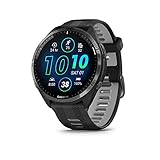 Garmin Forerunner 965
Multisport with the training-load and threshold metrics most of these calculations assume you can actually see day to day.
Check Backcountry → Check price on Amazon → COROS APEX 2 Series GPS Watch
Sapphire titanium and the longest battery in its class, which is the deciding feature once sessions run past a few hours.
Check Backcountry → Check price on Amazon → Favero Assioma Uno Power Meter Pedal
Single-sided pedal power, the cheapest honest way to start training with watts instead of estimating from heart rate.
Check Backcountry → Check price on Amazon →As an Amazon Associate we earn from qualifying purchases, at no extra cost to you. Prices change, so check before buying.
Target Power Estimation: Based on your Week 5 simulation and recent threshold intervals, aim for a power you think you can hold for 25 minutes (you'll have more in the tank than expected).
Nutrition and Recovery
Supporting Your Training
Nutrition Guidelines:
- • Eat 1-2 hours before workouts
- • Focus on carbs + small amount protein
- • Hydrate consistently throughout day
- • Post-workout: protein + carbs within 30 min
- • Avoid trying new foods on test day
Recovery Priorities:
- • 7-9 hours sleep per night
- • Easy days should feel truly easy
- • Stress management (work/life balance)
- • Light stretching or yoga
- • Take rest days seriously
Troubleshooting Common Issues
Problem: Can't Complete 20 Minutes
Solutions:
- • Started too aggressively (pacing issue)
- • Need more base fitness (extend Weeks 1-2)
- • Inadequate warm-up
- • Poor recovery between sessions
Problem: Power Numbers Seem Low
Remember:
- • FTP is personal - don't compare to others
- • Focus on improvement over time
- • Power-to-weight ratio matters more than absolute watts
- • First test establishes baseline for future progress
Problem: Workouts Feel Too Easy/Hard
Adjustments:
- • Use RPE scale (1-10) to guide intensity
- • Progress more slowly if struggling
- • Add extra recovery if consistently tired
- • Extend program to 10 weeks if needed
After Your First FTP Test
Calculating and Using Your FTP
FTP Calculation:
FTP = Average 20-min Power × 0.95
Example: 200w average × 0.95 = 190w FTP
Next Steps:
- 1. Set training zones based on your new FTP
- 2. Plan structured training using power zones
- 3. Retest FTP every 6-8 weeks
- 4. Focus on consistency over intensity
- 5. Celebrate your achievement!
Expected Results
Realistic Expectations
Typical Beginner FTP Results:
- • Men: 150-220 watts
- • Women: 120-180 watts
- • W/kg: 2.0-3.0 for beginners
- • Duration: Successfully complete 20 minutes
Progress Over Time:
- • 3 months: 15-25% FTP increase
- • 6 months: 25-40% improvement
- • 1 year: 40-60% gains possible
- • Key: Consistency beats intensity
Frequently Asked Questions
What if I can't complete the 20-minute test?
Stop the test and extend your preparation by 2-3 weeks. Focus on building more base fitness with longer, easier rides before attempting the test again.
How accurate will my first FTP test be?
First tests are learning experiences. Expect 5-15% variation as you learn pacing. The important thing is establishing a baseline and completing the full 20 minutes.
Can I do this program without a smart trainer?
You need some form of power measurement for FTP testing. Outdoor testing with pedal-based power meters is possible but more challenging due to traffic, weather, and terrain variations.
Ready to Calculate Your FTP?
Once you complete your 20-minute test, use our calculator to determine your FTP and training zones.
Calculate Your FTP →