Climbing separates cyclists. While flat roads allow for drafting and tactical riding, mountains are the great equalizer—revealing true fitness, mental fortitude, and technical skill. Whether you're preparing for your first century with significant elevation gain or training to crush local KOMs, this comprehensive guide provides the science-backed training methods, equipment strategies, and mental techniques to transform you into a stronger climber.

The Physics of Cycling Uphill
Understanding the physics of climbing helps explain why it feels so hard and what you can do about it. On flat ground, your power primarily overcomes aerodynamic drag. But as the gradient increases, gravity becomes the dominant resistance force.
The Gradient Effect
At 0% gradient, approximately 90% of your power overcomes air resistance. At 7% gradient, this flips—about 90% of your power fights gravity. This is why aerodynamic position matters less on climbs and power-to-weight becomes everything.
Forces Acting on a Climbing Cyclist
Gravitational Force
The weight of you and your bike multiplied by the sine of the gradient angle. A 75kg rider on a 10% grade fights ~74 Newtons of gravitational resistance.
Rolling Resistance
Tire deformation and road surface friction. Accounts for 10-15% of resistance on climbs.
Aerodynamic Drag
Minimal on steep climbs due to low speeds, but still relevant on gradual grades and headwind conditions.
Drivetrain Losses
2-5% of power lost through the chain and gears. Higher at low cadences with cross-chaining.
Understanding VAM (Velocità Ascensionale Media)
VAM—or vertical ascent meters per hour—is the climber's key metric. It measures how fast you're gaining altitude and allows comparison across climbs of different gradients and lengths.
| Rider Level | VAM (m/hr) | Example |
|---|---|---|
| Recreational | 600-900 | 1000m climb in 67-100 min |
| Trained Amateur | 900-1200 | 1000m climb in 50-67 min |
| Cat 1/2 Racer | 1200-1500 | 1000m climb in 40-50 min |
| Pro Continental | 1500-1700 | 1000m climb in 35-40 min |
| WorldTour Pro | 1700-1900+ | 1000m climb in 32-35 min |

Optimizing Your Power-to-Weight Ratio
Power-to-weight ratio (W/kg) is the single most important metric for climbing performance. It tells you how much power you produce relative to the mass you must lift against gravity.
The Two Levers
You can improve W/kg by either increasing power (the numerator) or decreasing weight (the denominator). Both approaches have trade-offs:
Increasing Power
- ✓ Sustainable long-term approach
- ✓ Improves performance everywhere
- ✓ No health risks
- ✗ Requires consistent training
- ✗ Improvements slow over time
Decreasing Weight
- ✓ Immediate climbing improvement
- ✓ Can target equipment weight
- ✗ Risk of losing muscle/power
- ✗ Can impair recovery and health
- ✗ Has a floor (minimum healthy weight)
Warning: The Weight Loss Trap
Many cyclists become obsessed with weight loss to the detriment of their health and performance. Research shows that being slightly underweight (for cyclists) often means less power, worse recovery, and increased injury risk. The optimal climbing weight is the lightest you can be while maintaining full power output and health. For most recreational cyclists, focusing on power development yields better returns than aggressive weight loss.
Benchmark Power-to-Weight Ratios
| Category | FTP W/kg | 5-min W/kg | 1-min W/kg |
|---|---|---|---|
| Untrained | 1.5-2.5 | 2.0-3.0 | 4.0-5.5 |
| Recreational | 2.5-3.5 | 3.0-4.0 | 5.5-7.0 |
| Competitive Amateur | 3.5-4.5 | 4.0-5.5 | 7.0-9.0 |
| Cat 1/Elite Amateur | 4.5-5.5 | 5.5-6.5 | 9.0-11.0 |
| Professional | 5.5-7.0 | 6.5-7.5 | 11.0-14.0 |
Climbing Technique Fundamentals
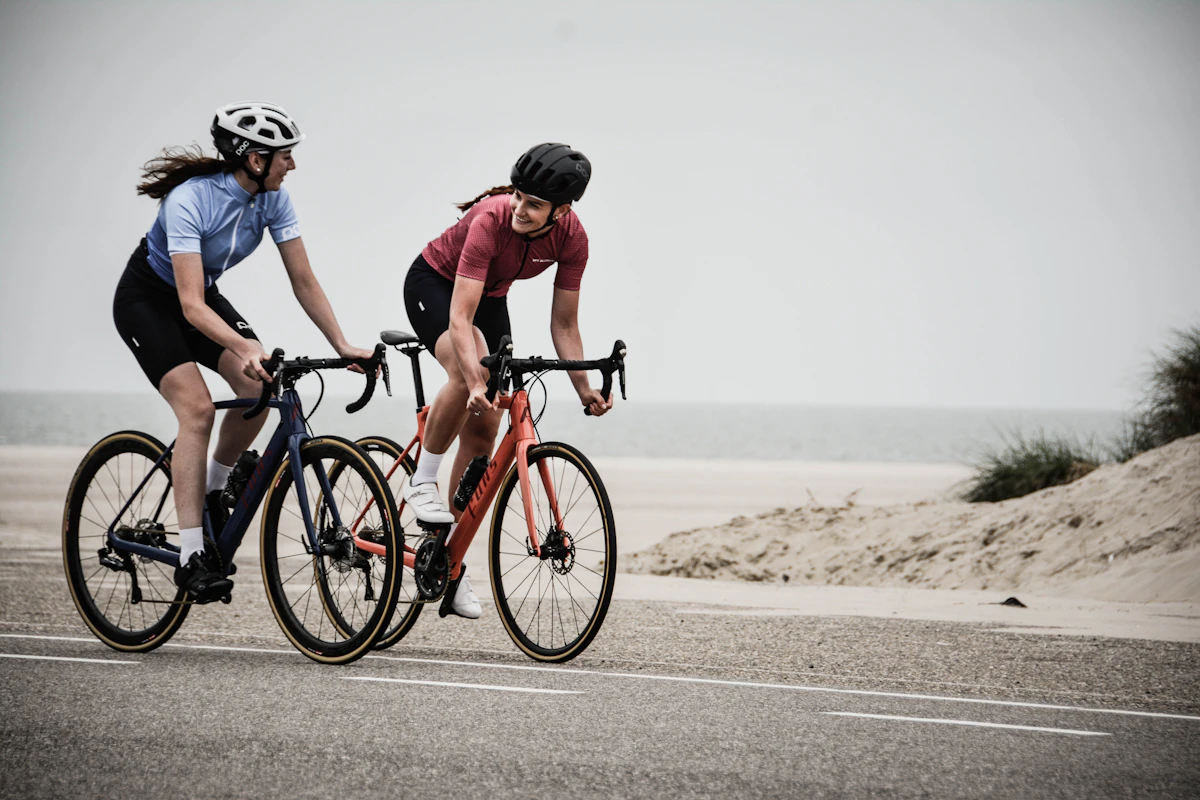
Body Position
Proper body position maximizes power output while maintaining bike control and breathing efficiency:
- Relaxed Upper Body: Keep shoulders down and away from ears, with a slight bend in elbows. Tension wastes energy and restricts breathing.
- Neutral Spine: Maintain a flat back rather than excessive arching or rounding. This optimizes power transfer and prevents fatigue.
- Loose Grip: Hold the bars firmly enough for control but not so tight that your forearms fatigue. Change hand positions regularly.
- Head Position: Look up the road, not at your front wheel. This keeps airways open and helps you anticipate gradient changes.
- Core Engagement: A stable core anchors your legs for powerful pedaling without excessive upper body movement.
Cadence Optimization
Climbing cadence is highly individual, but research provides some guidelines:
The Cadence Sweet Spot
Most cyclists are most efficient at climbing cadences between 70-85 RPM for sustained efforts. Higher cadences (85-100) rely more on cardiovascular capacity and are often used by lighter climbers. Lower cadences (60-75) require more muscular strength and favor heavier, powerful riders. Experiment to find your optimal range.
Breathing Technique
Deep, rhythmic breathing ensures optimal oxygen delivery to working muscles:
- Breathe from your diaphragm, not shallow chest breaths
- Establish a rhythm—many climbers use a 2:3 or 3:4 breath-to-pedal stroke ratio
- Exhale fully to maximize the next inhale volume
- On steep sections, consciously focus on breath control to prevent hyperventilation
Seated vs Standing: When and How
Both seated and standing climbing have their place. Elite climbers seamlessly alternate between positions to maximize efficiency and manage fatigue.
Seated Climbing
Best for: Steady-state efforts, longer climbs, moderate gradients
- • More aerobically efficient
- • Lower heart rate at same power
- • Conserves glycogen
- • Better for pacing
- • Less fatigue on supporting muscles
Standing Climbing
Best for: Steep gradients, accelerations, position changes
- • Higher peak power output
- • Recruits more muscle groups
- • Relieves saddle pressure
- • Allows position variation
- • Useful for breaking rhythm
Standing Technique Tips
- Shift Up: Move to a harder gear before standing to maintain momentum
- Rock the Bike: Let the bike sway slightly side to side while your body stays relatively straight
- Pull Up on the Bars: Engage your core and arms to create a platform for leg power
- Weight Distribution: Keep weight centered over the bottom bracket, not too far forward
- Return to Seated: Shift down 1-2 gears when sitting to maintain cadence
Pacing Strategy for Maximum Performance
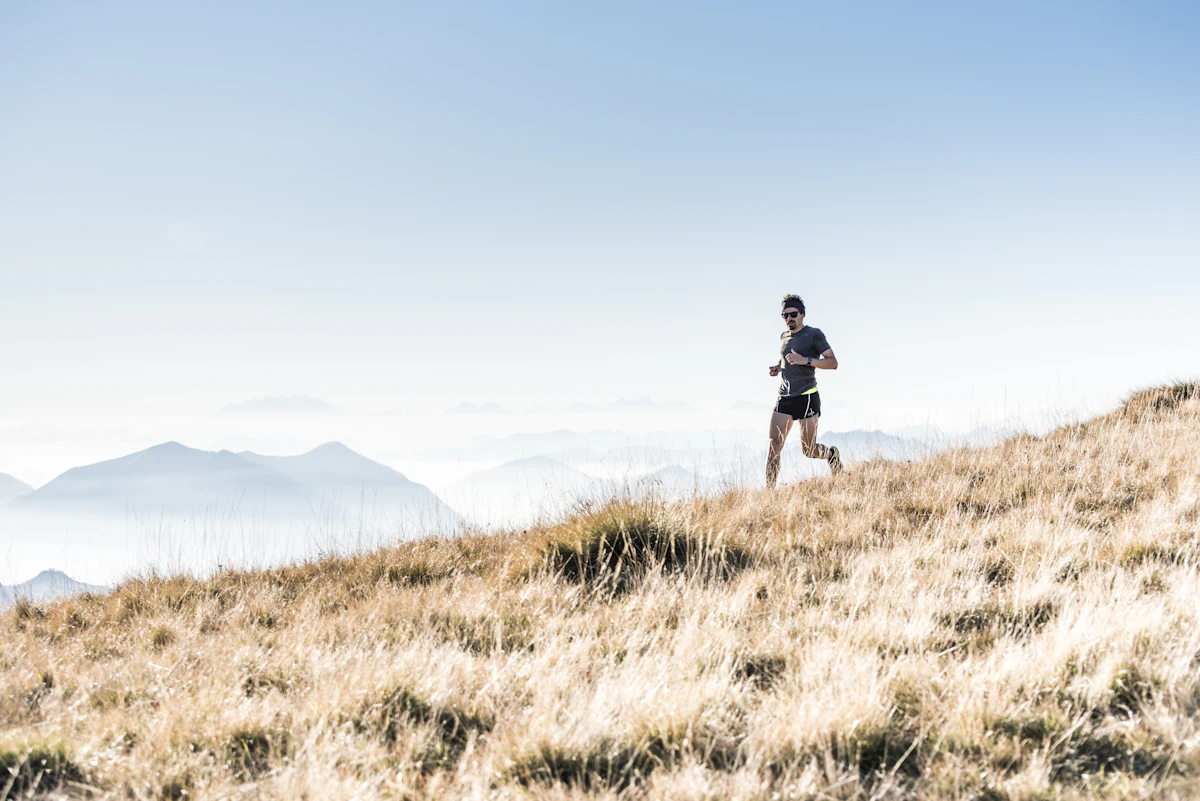
Proper pacing often makes a bigger difference than fitness on long climbs. Most cyclists start too fast, blow up halfway, and finish slower than if they'd paced evenly.
The Negative Split Approach
For optimal performance on climbs lasting 10+ minutes:
First Third: Conservative
Start at 90-95% of your target average power. This allows your body to warm up and settle into the effort without creating excessive lactate early.
Middle Third: Steady
Maintain target power consistently. This is your sustainable rhythm—challenging but controlled. Focus on smooth pedaling and relaxed upper body.
Final Third: Push
If you've paced correctly, you'll have reserves to increase power by 5-10% in the final section. Save a small sprint for the final 30-60 seconds.
Power-Based Pacing Guidelines
| Climb Duration | Target Power (% FTP) | Strategy Notes |
|---|---|---|
| 2-5 minutes | 115-130% | VO2max effort, fast start OK |
| 5-20 minutes | 100-110% | Threshold/supra-threshold, even pacing |
| 20-40 minutes | 95-100% | FTP effort, conservative start |
| 40-60+ minutes | 85-95% | Tempo/sweetspot, fuel and hydrate |
For accurate power tracking during climbs:
Recommended Power Meters
Shop Cycling Power Meters on Amazon →Climbing-Specific Interval Workouts
These workouts target the specific physiological demands of climbing. Perform them on actual climbs when possible, or simulate on an indoor trainer with elevation.
1. Threshold Climbing Repeats
Builds sustained climbing power at race intensity
Structure: 3-4 x 10 minutes at 100-105% FTP, 5 min recovery between
Cadence: Alternate between 70-75 RPM (seated) and 80-85 RPM (seated) each interval
2. VO2max Hill Attacks
Develops the ability to respond to accelerations on climbs
Structure: 5-6 x 3 minutes at 115-120% FTP, 3 min recovery
Execution: Start each interval with 20-second above-threshold surge, then settle to target power
3. Over-Under Climbing Intervals
Trains lactate clearance during sustained climbing
Structure: 2-3 x 15 minutes alternating: 3 min at 95% FTP, 2 min at 105% FTP
Recovery: 8 minutes between sets
4. Seated/Standing Microbursts
Develops neuromuscular coordination and position changes
Structure: 3 x 8 minutes: 30 sec standing at 120% FTP, 30 sec seated at 90% FTP
Focus: Smooth transitions with appropriate gear changes
5. Low-Cadence Force Work
Builds muscular strength specific to steep climbing
Structure: 4-6 x 5 minutes at 90-95% FTP at 50-60 RPM
Caution: Ensure proper warm-up; stop if knee pain develops

Strength Training for Climbing Power
Contrary to old beliefs that strength training makes cyclists slow, research consistently shows that heavy resistance training improves cycling performance—especially in climbing where force production matters most.
Key Exercises for Climbing
Barbell Back Squat
The foundation exercise for cycling power. Builds quad, glute, and core strength essential for climbing.
Protocol: 3-4 sets x 4-6 reps at 80-90% 1RM, twice weekly in off-season, once weekly in-season
Bulgarian Split Squats
Single-leg strength with stability demands that mirror cycling mechanics.
Protocol: 3 sets x 8-10 reps each leg with dumbbells or barbell
Romanian Deadlifts
Develops posterior chain strength for powerful hip extension through the pedal stroke.
Protocol: 3-4 sets x 6-8 reps at 75-85% 1RM
Step-Ups with Weight
Cycling-specific movement pattern with single-leg loading.
Protocol: 3 sets x 10-12 reps each leg on high box (18-24 inches)
Core Circuit
Stable core allows efficient power transfer and reduces energy waste.
Protocol: Planks (60s), dead bugs (20 reps), bird dogs (15 each side), pallof press (12 each side)
For effective home gym setup:
Equipment Optimization for Climbing

Weight Savings That Matter
On a 10km climb at 7% gradient, every kilogram costs approximately 3 watts of power. However, not all weight savings are equal—rotating weight (wheels) has a greater impact during accelerations.
| Component | Typical Savings | Cost Effectiveness |
|---|---|---|
| Lightweight Wheels | 200-500g | High impact, expensive |
| Carbon Seatpost | 50-150g | Moderate, affordable |
| Lightweight Tires | 50-100g per tire | High impact (rotating) |
| Carbon Handlebars | 100-200g | Moderate, adds comfort |
| Lighter Cassette | 50-150g | Low impact, expensive |
Gearing Considerations
Having appropriate gearing is often more important than saving weight. Spinning out of gears on steep climbs forces inefficient muscular effort.
- Compact Crankset (50/34): Standard for most recreational and competitive climbers
- Sub-Compact (48/32 or 46/30): Excellent for steep mountain terrain or loaded touring
- Wide-Range Cassette (11-34 or 11-36): Provides low gears without changing crankset
- 1x Drivetrains: Simpler shifting, lighter weight, but narrower range
Nutrition and Hydration for Climbing
Fueling Before the Climb
Proper pre-ride nutrition ensures adequate glycogen stores for sustained climbing efforts:
- 3-4 hours before: Full meal with 2-3g carbohydrate per kg body weight
- 1-2 hours before: Light snack, easily digestible carbs (banana, energy bar)
- 30 min before: Optional caffeine (3-6mg/kg) for performance boost
Fueling During the Climb
The 60-90g/Hour Rule
For climbs lasting over 90 minutes, aim for 60-90g of carbohydrate per hour from a mix of glucose and fructose sources. This rate maximizes absorption and provides steady energy for sustained climbing. Start fueling early—don't wait until you feel depleted.
Hydration Strategy
Dehydration significantly impairs climbing performance. Aim for:
- 500-750ml per hour in moderate conditions
- 750-1000ml per hour in hot conditions
- Include electrolytes, especially sodium (500-1000mg per hour in heat)
- Drink small amounts frequently rather than large volumes infrequently
Altitude Considerations for Mountain Climbing

As altitude increases, air becomes thinner and oxygen availability decreases. This affects your sustainable power output regardless of fitness.
Power Output Reduction by Altitude
| Altitude (meters) | Expected FTP Reduction | Example Locations |
|---|---|---|
| 1000-1500m | 2-5% | Many European passes start |
| 1500-2000m | 5-10% | Col du Tourmalet summit |
| 2000-2500m | 10-15% | Stelvio Pass summit |
| 2500-3000m | 15-22% | Col de l'Iseran summit |
| 3000m+ | 20-30%+ | Pico de Veleta, Colorado passes |
Altitude Adaptation Strategies
- Arrive Early: If possible, arrive 1-2 weeks before a major mountain event to acclimatize
- Or Arrive Very Late: Alternatively, arrive within 12-24 hours of the event before acute altitude effects set in
- Hydrate Extra: Altitude increases fluid loss; increase intake by 0.5-1 liter per day
- Adjust Power Targets: Use the table above to recalibrate pacing expectations
- Iron Status: Ensure adequate iron stores before altitude exposure for optimal adaptation
12-Week Climbing-Focused Training Program
This program is designed to be integrated with your regular training, adding climbing-specific sessions while maintaining overall fitness.
Weeks 1-4: Foundation & Force
- Mon: Strength training (squats, deadlifts, core) - Heavy, 4-6 reps
- Tue: Easy endurance ride 60-90 min with 6-8 low-cadence intervals (3 min at 50-60 RPM)
- Wed: Rest or yoga/stretching
- Thu: Sweet spot intervals: 3x15 min at 88-93% FTP on gradual climb
- Fri: Easy spin 45-60 min
- Sat: Long ride with sustained climbing—accumulate 30-45 min of climbing time
- Sun: Recovery ride or rest
Weeks 5-8: Building Threshold
- Mon: Strength training—maintain intensity, slightly higher reps (6-8)
- Tue: Threshold climbing: 4x10 min at 100-105% FTP on sustained climb
- Wed: Easy endurance 60-75 min
- Thu: VO2max hills: 5x3 min at 115-120% FTP with full recovery
- Fri: Rest or light spin
- Sat: Long ride with extended climbing—accumulate 45-60 min climbing time with variable intensity
- Sun: Active recovery 60 min easy
Weeks 9-11: Race Simulation
- Mon: Strength—maintenance only, reduce volume by 50%
- Tue: Race-pace climbing: 2x20 min at target race intensity with attacks
- Wed: Easy endurance 60 min with strides
- Thu: Over-unders on climb: 3x12 min alternating above/below threshold
- Fri: Rest
- Sat: Simulated event—ride climbs similar to goal event at race intensity
- Sun: Easy recovery spin
Week 12: Taper
- Mon: Rest
- Tue: Short openers: 4x30 sec at VO2max, full recovery
- Wed: Easy spin 45 min
- Thu: Rest or very easy 30 min
- Fri: Short openers: 3x1 min at threshold, full recovery
- Sat: Easy 30 min with 2x30 sec hard
- Sun: GOAL EVENT
Mental Strategies for Climbing
Climbing is as much a mental challenge as a physical one. The ability to manage discomfort, maintain focus, and stay motivated separates good climbers from great ones.
1. Chunk the Climb
Rather than thinking about the entire climb, break it into manageable segments. Focus on reaching the next switchback, kilometer marker, or visible landmark. Completing small goals builds momentum.
2. Process Focus
Instead of fixating on how much suffering remains, concentrate on immediate controllables: smooth pedaling, relaxed grip, deep breathing, maintaining cadence. Stay in the present moment.
3. Positive Self-Talk
Replace negative thoughts ("This is too hard") with empowering statements ("I've trained for this" or "One pedal stroke at a time"). Your internal dialogue shapes your experience.
4. Embrace the Discomfort
Recognize that the burning sensation is temporary and a sign that you're pushing your limits. Reframe discomfort as progress rather than punishment.
5. Visualization
Before key climbs, visualize yourself riding strongly to the summit. Picture the road, your position on the bike, the rhythm of your breathing. Mental rehearsal primes your body for performance.
6. The 10% Rule
When you feel like quitting, commit to just 10% more—10% more time, 10% more distance. Often, by the time you complete that extra 10%, you've broken through the low point.
Conclusion: Becoming a Stronger Climber
Climbing prowess develops through the integration of multiple factors: power development, weight optimization, technique refinement, smart pacing, and mental fortitude. There are no shortcuts—the greatest climbers in the world have spent years developing their craft through consistent, purposeful training.
Start by identifying your biggest limiters. Is it raw power? Body composition? Pacing discipline? Gear selection? Mental game? Target your weaknesses while maintaining your strengths, and track progress over time using power data and segment times.
The mountains will always be there, waiting to challenge you. With the knowledge from this guide and consistent application of these principles, you'll find yourself dancing up climbs that once seemed impossible. The view from the top is worth every pedal stroke.
Calculate Your Climbing Power
Use our cycling calculators to determine your power-to-weight ratio and estimate climbing times.
Explore CalculatorsRunBikeCalc Team
Expert cycling performance analysis, training methodology, and equipment optimization.
📊 Power Up Your Cycling
Use our free calculators to optimize performance:
Featured at Backcountry — 15% off first order
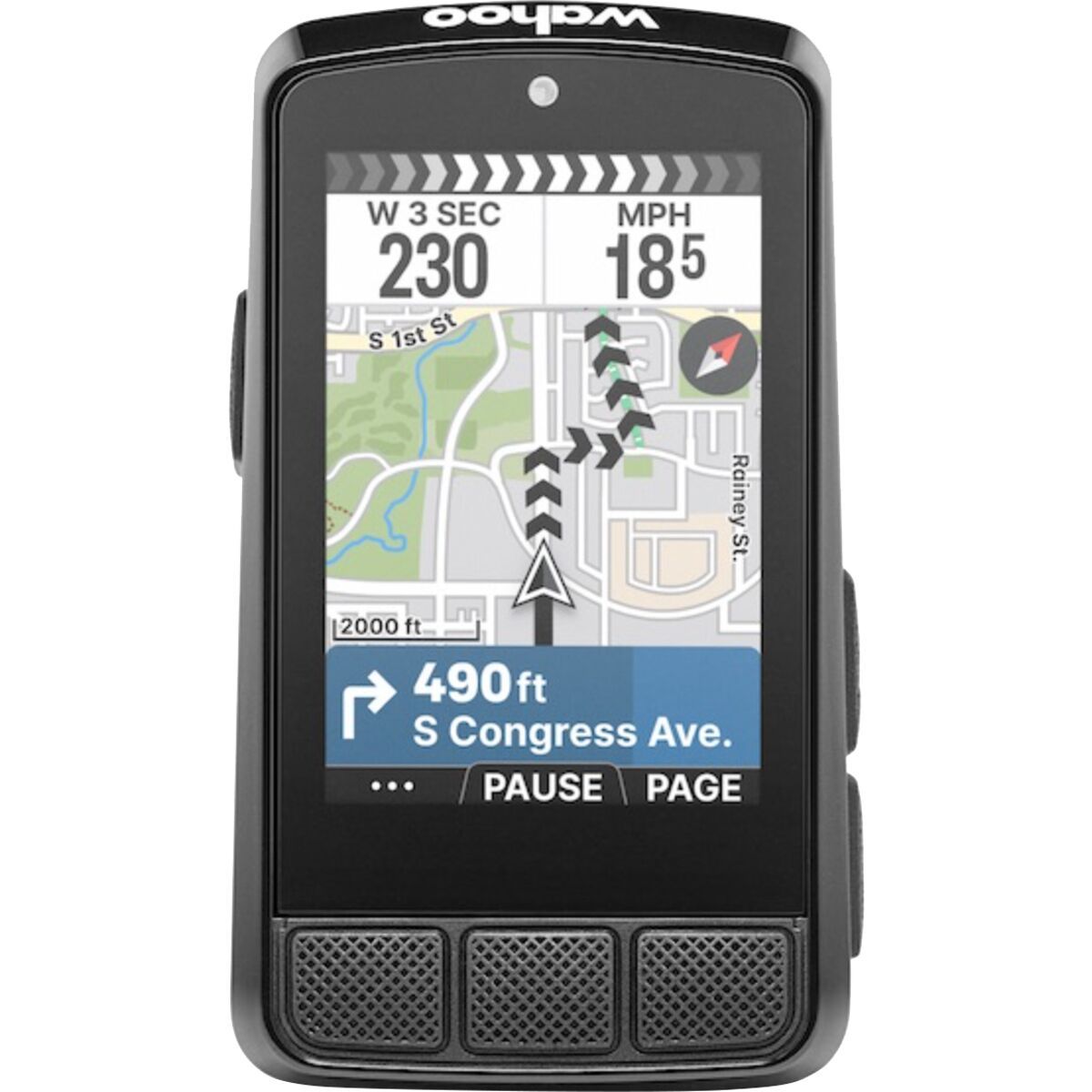
Wahoo ELEMNT BOLT 3
Track your rides with Wahoo's compact GPS — the bike computer we use daily.