Table of Contents
There's something magical about a well-oiled paceline. A group of cyclists moving as one, sharing the workload, cutting through the wind at speeds impossible alone. Paceline riding is one of cycling's most satisfying skills—and one of the most dangerous if done poorly.
Drafting is the reason professional cycling is so tactical. Sitting in the slipstream of another rider can save 20-40% of your energy—a massive advantage that explains why breakaways rarely succeed and why teams exist to protect their leaders. For recreational riders, mastering the paceline opens up group rides, makes you a valuable teammate, and lets you go further and faster with friends.
The gear these numbers assume
Every pace, zone and power figure on this page assumes something is measuring it. These are the three that cover running, cycling and the threshold work in between.
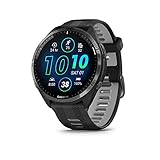 Garmin Forerunner 965
Multisport with the training-load and threshold metrics most of these calculations assume you can actually see day to day.
Check Backcountry → Check price on Amazon → COROS APEX 2 Series GPS Watch
Sapphire titanium and the longest battery in its class, which is the deciding feature once sessions run past a few hours.
Check Backcountry → Check price on Amazon → Favero Assioma Uno Power Meter Pedal
Single-sided pedal power, the cheapest honest way to start training with watts instead of estimating from heart rate.
Check Backcountry → Check price on Amazon →As an Amazon Associate we earn from qualifying purchases, at no extra cost to you. Prices change, so check before buying.
1. The Science of Drafting
How Drafting Works
When you cycle, most of your energy goes into pushing air out of the way. At 20 mph, about 80% of your effort fights air resistance. The rider in front creates a low-pressure zone behind them—a pocket of disturbed air that's easier to move through.
Energy saved at 2-3 feet behind
Energy saved at 6-12 inches behind
Even the 10th rider still saves
The Draft Zone
Optimal Drafting Positions
- Directly behind: Maximum draft, but requires most skill and trust
- Slightly offset: Better visibility of road ahead, still good draft
- Side-by-side: Minimal draft benefit, but social and allows conversation
The Accordion Effect
Small speed changes at the front amplify through the line. If the leader accelerates 1 mph, the second rider must accelerate 1.5 mph to close the gap, the third 2 mph, and so on. This is why smooth, steady riding is essential—sudden accelerations cause gaps and dangerous surging through the group.
2. Single Paceline Basics
How It Works
The most basic paceline: riders in a single line, each taking turns at the front. When the leader finishes their pull, they pull off to the side and drift back to rejoin at the rear.
Take Your Pull
When you reach the front, maintain the same pace—don't accelerate. Pull for 30 seconds to 2 minutes depending on group agreement and your fitness.
Signal and Pull Off
Flick your elbow to signal you're pulling off. Move to the agreed side (usually left, into the wind). Maintain speed briefly before drifting back.
Drift Back
Soft-pedal and let the line pass you. Don't brake suddenly—just ease off the power and drift back smoothly.
Rejoin at the Back
Slot in behind the last rider. Accelerate smoothly to match pace—no sudden surges.
The New Rider's Mantra
"Steady. Smooth. Predictable."
- • No sudden movements—every action should be gradual
- • Maintain the pace—don't speed up when you hit the front
- • Keep pedaling—coasting creates gaps that ripple back
- • Look ahead—anticipate what's coming, not just the wheel in front
3. Double Paceline
Two Abreast, More Social
Two parallel lines riding side by side. Common on social rides and when road width allows. The front pair pulls off together and drifts back on the outside.
Double Paceline Formation
L1 & R1 are at front; they pull off to outsides when done
Advantages
- • More social—can chat with partner
- • Shorter line, less accordion effect
- • Easier to keep group together
Considerations
- • Requires wider road
- • Must single up for traffic
- • Less draft than single line
Singling Up
When traffic approaches or road narrows, the group must "single up." Typically the right line slots in behind the left, with each right-side rider falling in behind their left-side partner. Practice this transition—it should be smooth and quick. Call out "single up!" early to give everyone time.
4. Rotating Paceline (Through-and-Off)
The Fastest Formation
Also called "Belgian tourniquet" or "chaingang." Two lines in constant rotation—one slightly faster (advancing), one slightly slower (recovering). Riders take very short pulls (seconds, not minutes) at the front before drifting to the recovery line.
Rotating Paceline (Wind from Left)
Slower
Faster
Fast line advances on protected side; slow line recovers on wind side
The Advancing Line
Rides slightly faster, protected from wind. Each rider advances to the front, takes a brief pull, then drifts to the recovery line.
The Recovery Line
Rides slightly slower, into the wind. Riders recover here while drifting back. At the back, they slot into the advancing line.
Key to Success: Smooth Transitions
- • The speed difference should be subtle—just 0.5-1 mph between lines
- • Pull through smoothly—don't accelerate at the front
- • Drift, don't brake—ease power to transition to recovery line
- • Keep it flowing—hesitation breaks the rhythm for everyone
5. Hand Signals and Communication
Essential Hand Signals
🖐️ Slowing/Stopping
Arm out behind back, palm facing riders behind. Wave hand up and down for stopping.
👈 👉 Turning
Point in the direction of the turn. Extend arm clearly before the turn.
👇 Road Hazard
Point down at the hazard (pothole, glass, debris). Pass the signal back through the line.
✋ Behind Back (Move Over)
Wave hand behind back in direction to move. Used for parked cars, pedestrians, etc.
🔄 Elbow Flick
Quick flick of elbow outward signals "I'm pulling off, come through."
✋ Wave Through
Wave riders past you when skipping a pull. Keeps the rotation moving.
Verbal Calls
"Car back!" — Vehicle approaching from behind
"Car up!" — Vehicle approaching from front
"Clear!" — Safe to proceed at intersection
"Wait!" / "Stopping!" — Not clear, stop
"Hole!" — Pothole ahead
"Gravel!" — Loose surface
"Slowing!" — About to reduce speed
"Single up!" — Form single line
6. Group Riding Etiquette
Be Predictable
No sudden movements. Hold your line. Accelerate and decelerate gradually. The riders behind you are trusting you with their safety—any unexpected action puts them at risk.
Take Your Turn, But Know Your Limits
Everyone shares the work—that's the deal. But if you're struggling, take shorter pulls rather than blowing up and disrupting the group. It's okay to wave riders through when you can't pull.
Don't Half-Wheel
"Half-wheeling" is creeping ahead of the rider next to you, forcing them to speed up. Incredibly annoying and a sign of ego over teamwork. Stay even with your partner.
Pass Signals Back
When the front rider signals a hazard or turn, pass it back immediately. The whole line needs to know. Don't let information die with you.
Close Gaps Smoothly
If a gap opens, don't surge to close it—ease up to speed gradually. Surging tires you out and causes the accordion effect. Better to soft-pedal and let the gap close naturally.
Don't Overlap Wheels
Your front wheel should never be beside the rider ahead's rear wheel. If they move over, you'll crash. Stay directly behind or clearly to the side.
7. Common Mistakes to Avoid
Surging at the Front
The most common mistake. When you hit the front, maintain the same speed. Accelerating gaps the rider behind you, causing a chain reaction of surging through the group.
Braking Suddenly
In close quarters, sudden braking causes crashes. Instead, sit up to catch wind, stop pedaling, or feather brakes gently. Call out "slowing!" to warn others.
Leaving Gaps
Large gaps reduce draft benefit and make the line longer. Stay close (but safe). If you're uncomfortable with close riding, practice in controlled settings first.
Looking Down
Don't stare at the wheel directly in front. Look through the rider ahead to see what's coming. Your peripheral vision will track the wheel; your forward vision spots hazards early.
Yo-Yo Riding
Falling off the back, then chasing hard to catch up, then falling off again. This exhausts you and is dangerous. If struggling, sit on the back and skip pulls. Better to ride your own pace than yo-yo.
8. Frequently Asked Questions
How much energy do you save drafting in cycling?
Drafting can save 20-40% of your energy depending on position and speed. The closer you ride to the wheel in front, the more you save. At 25 mph, the second rider saves about 30% effort. Even the 10th rider in a peloton still saves 15-20%. This energy savings is why pro cycling is so tactical.
How close should I ride when drafting?
For maximum draft benefit, ride 6-12 inches (15-30 cm) behind the wheel in front. However, beginners should start at 2-3 feet (60-90 cm) until comfortable with close riding. As skills improve, gradually close the gap. The key is smooth, predictable riding.
What is a rotating paceline?
A rotating paceline (Belgian tourniquet or through-and-off) is a continuously moving double line where riders constantly rotate. One line moves slightly faster while the other recovers. This allows sustained high speeds with very short efforts at the front.
What hand signals should I know for group riding?
Essential signals: pointing down at road debris, waving behind back to indicate slowing/stopping, pointing to indicate turning direction, elbow flick to signal pull off the front, and waving new riders through when skipping a pull. Also call out hazards verbally.
What should I do if I can't hold the pace in a paceline?
If struggling, skip your pulls at the front—wave riders through instead. Sit at the back and focus on recovery. If you're about to get dropped, communicate it. Don't yo-yo. It's okay to be dropped; find a group that matches your ability level.
Ride Together, Ride Faster
Paceline riding is one of cycling's greatest pleasures—the shared effort, the social aspect, the speed that's impossible alone. But it's built on trust. Every rider in the line is depending on you to be smooth, predictable, and aware.
Master these skills on training rides before taking them to fast group rides or races. Start at the back of groups until you're comfortable. Watch how experienced riders move, signal, and communicate. The best paceline riders are invisible—they do everything so smoothly that you barely notice them.
Now find a group ride and put these skills to work. The draft awaits.
Related Articles
Calculate Your Training Zones
Use our free calculators to optimize your training.
Try the CalculatorsRelated Calculators
Use our free calculators to optimize your cycling performance: