
Marathon Nutrition Guide 2025
Fuel Your Best 26.2 Performance
You've logged the miles, nailed your long runs, and tapered perfectly. But none of that matters if your nutrition fails on race day. Bonking—hitting the wall—is entirely preventable with proper fueling strategy. This guide covers everything you need to fuel your fastest marathon.
Marathon nutrition isn't complicated, but it does require planning. From carb loading in the days before your race to precisely timing your gels during the 26.2 miles, getting nutrition right can be the difference between a PR and a death march.
Table of Contents
Why Marathon Nutrition Matters
Your body stores approximately 2,000 calories of glycogen (stored carbohydrates) in your muscles and liver. At marathon pace, you burn roughly 100 calories per mile—meaning you'll exhaust your glycogen stores somewhere around mile 18-20 if you don't refuel.
When glycogen runs out, your body shifts to burning fat as the primary fuel source. While fat provides nearly unlimited energy, it can't be converted to usable energy fast enough to maintain marathon pace. The result? Hitting the wall—a dramatic slowdown that feels like running through mud.
The Math of Bonking
- Glycogen stores: ~2,000 calories
- Calories burned per mile: ~100 (varies by weight)
- Miles before depletion: 18-20 miles
- Without fueling: You WILL hit the wall
The solution is two-fold: maximize glycogen stores before the race (carb loading) and replace carbs during the race (gels, sports drinks, etc.). Do both correctly, and you'll have fuel for all 26.2 miles.
Carb Loading: The Science
Carb loading (glycogen supercompensation) is the practice of increasing carbohydrate intake before a race to maximize muscle glycogen stores. Done correctly, it can increase your glycogen stores by 25-40%—enough to delay or prevent hitting the wall.
The Modern Carb Loading Protocol
Old-school carb loading involved a "depletion phase" followed by massive carb intake. Modern research shows you don't need the depletion phase—simply increasing carbs for 2-3 days before the race is sufficient.
Target: 8-12g Carbs Per Kilogram Body Weight
For a 70kg (154lb) runner, this means 560-840g of carbs per day for 2-3 days before the race.
Example breakdown: 700g carbs = 2,800 calories just from carbohydrates
Best Carb Loading Foods
High-Carb, Low-Fiber Options
- • White rice and pasta
- • White bread and bagels
- • Pancakes and waffles
- • Potatoes (without skin)
- • Bananas and other fruits
- • Pretzels and crackers
- • Sports drinks
- • Honey and maple syrup
Foods to Limit/Avoid
- • High-fiber vegetables
- • Whole grains and bran
- • Beans and legumes
- • High-fat foods
- • Spicy foods
- • Alcohol
- • New/unfamiliar foods
- • Large amounts of protein
Why Low-Fiber During Carb Loading?
While fiber is healthy normally, it slows digestion and adds bulk to your GI tract. Before a marathon, you want fast-absorbing carbs and minimal residue. Switch to refined grains 2-3 days before the race.
Race Week Nutrition Plan
Here's exactly what to eat in the final days before your marathon:
4-5 Days Before: Normal Eating
Continue eating normally with a balanced diet. No need to carb load yet. Stay well-hydrated. Avoid trying new foods or restaurants.
3 Days Before: Begin Carb Loading
Increase carbohydrate intake to 8-10g per kg body weight. Reduce fiber, fat, and protein slightly to make room for carbs.
Sample meals: Pancakes with syrup + banana breakfast, pasta with marinara sauce lunch, rice with lean protein dinner, pretzels and sports drinks as snacks.
2 Days Before: Peak Carb Loading
This is your highest carb day. Aim for 10-12g per kg. You may feel slightly bloated—that's normal (you're storing water with glycogen).
Sample meals: Large bagel with jam + fruit, big pasta lunch, rice and bread at dinner, continued snacking on simple carbs.
Day Before: Moderate Carbs, Easy Digestion
Continue eating carbs but don't stuff yourself. Have your last big meal at lunch. Dinner should be moderate-sized and familiar.
Sample dinner: White rice or pasta with simple sauce, lean chicken or fish, white bread. Eat by 6-7pm to allow full digestion.
| Day | Carbs (g/kg) | Focus |
|---|---|---|
| 5-4 Days Before | 5-6g/kg | Normal balanced diet |
| 3 Days Before | 8-10g/kg | Begin carb loading |
| 2 Days Before | 10-12g/kg | Peak carb loading |
| 1 Day Before | 8-10g/kg | Easy digestion focus |
| Race Morning | 2-3g/kg | Top off glycogen |
Race Morning Meal
Your pre-race breakfast tops off liver glycogen (which depletes overnight) and provides a final energy boost. The key is eating enough carbs while avoiding GI distress.
Race Morning Guidelines
- Timing: 2-4 hours before gun time (allows digestion)
- Amount: 2-3g carbs per kg body weight (140-210g for 70kg runner)
- Composition: High carb, low fiber, low fat, moderate protein
- Familiar: NOTHING new—eat what you've tested in training
Sample Race Morning Breakfasts
Option 1: Classic
- • 2 plain bagels with honey
- • 1 banana
- • 16oz sports drink
- ~160g carbs
Option 2: Oatmeal
- • 1.5 cups oatmeal
- • 2 tbsp honey
- • 1 banana
- • Toast with jam
- ~150g carbs
Option 3: Pancakes
- • 3 pancakes with maple syrup
- • 1 banana
- • Coffee or tea
- ~140g carbs
Option 4: Simple
- • 2 slices white toast with jam
- • 1-2 energy bars
- • Sports drink
- ~130g carbs
30 Minutes Before Start
Consider taking 1 gel or a few sips of sports drink 15-30 minutes before the gun to top off blood sugar. This is especially helpful for early morning races where breakfast was several hours ago.
Fueling During the Marathon
This is where races are won or lost. Taking in enough carbohydrates during the marathon maintains blood sugar and spares muscle glycogen, allowing you to maintain pace through the final miles.
Target: 60-90g Carbs Per Hour
Research shows well-trained athletes can absorb and use 60-90g of carbs per hour during exercise. For a 4-hour marathon, that's 240-360g total (960-1,440 calories from carbs).
Practical target: 1 gel (25-30g carbs) every 20-30 minutes, plus sports drink at aid stations.
Fueling Timeline
| Mile | Action | Why |
|---|---|---|
| 4-5 | First gel + water | Start fueling before you need it |
| 8-9 | Second gel + water | Maintain blood sugar |
| 12-13 | Third gel + water | Approaching halfway |
| 16-17 | Fourth gel + water | Critical pre-wall fueling |
| 20-21 | Fifth gel + water | Push through wall territory |
| 24 | Optional sixth gel | Final push if needed |
Key Fueling Principles
Start Early
Don't wait until you feel hungry or low on energy. By then, it's too late. Take your first gel by mile 4-5, before any energy dip occurs.
Stay Consistent
Set a timer or use mile markers to remind yourself. Every 20-30 minutes or every 4-5 miles, take something. Consistency beats perfection.
Always Chase With Water
Gels need water to digest properly. Take your gel right before an aid station so you can immediately wash it down. Never take gel with sports drink (too much sugar concentration).
Practice Everything in Training
Your race-day fueling plan should be tested repeatedly in long runs. Your gut needs to be trained just like your legs.
Hydration Strategy
Proper hydration maintains blood volume, regulates body temperature, and ensures muscles function optimally. Both under-hydrating and over-hydrating can hurt performance—or worse, be dangerous.
Pre-Race Hydration
Days Before
Drink normally—don't overhydrate. Urine should be light yellow (not clear, not dark). If you're carb loading properly, you'll naturally retain water with glycogen.
Race Morning
Drink 16-20oz of water or sports drink 2-3 hours before the race. Stop drinking large amounts 1 hour before to allow bathroom visits.
During the Race
Guidelines
- • Drink to thirst (don't force fluids)
- • Aim for 4-8oz every 15-20 minutes
- • Use both water and sports drink
- • In hot conditions, drink more frequently
Warning Signs
- • Bloating = too much fluid
- • Extreme thirst = behind on fluids
- • Muscle cramps = electrolyte issue
- • Weight gain mid-race = over-hydrating
Don't Over-Hydrate (Hyponatremia)
Drinking too much water dilutes blood sodium levels, causing a dangerous condition called hyponatremia. Symptoms include nausea, headache, confusion, and in severe cases, seizures. Drink to thirst, not beyond it.
Electrolytes
You lose sodium, potassium, and other electrolytes through sweat. Sports drinks provide some, but heavy sweaters or those racing in heat may need additional electrolyte supplementation.
Recommended Electrolyte Products
For heavy sweaters or hot-weather racing, these products provide concentrated electrolytes:
- • LMNT Zero Sugar Electrolytes - High sodium, zero sugar
- • Nuun Sport Electrolyte Tablets Mixed Flavor - Convenient, low-calorie hydration
- • Precision Hydration Electrolyte Tablets - For personalized sweat profiles
Best Fueling Products for 2025
Not all gels and fueling products are equal. Here are our top recommendations based on absorption speed, taste, and digestibility:
Energy Gels
Maurten Gel 100
The gold standard used by top elites. Hydrogel technology minimizes GI distress. Neutral taste. 25g carbs per gel.
SiS GO Isotonic Gel
No water needed—isotonic formula absorbs directly. Great for those with sensitive stomachs. 22g carbs per gel.
GU Energy Gel
Popular and affordable. Wide variety of flavors. Contains BCAAs and electrolytes. 21g carbs per gel.
Precision Fuel Gel
30g carbs per gel—among the highest carb density. Minimal ingredients. Real fruit taste options.
Gel Alternatives
Spring Energy Gel
Real food ingredients. Higher calorie density. Great for ultras.
Dates
Natural, whole food option. Easy to digest. 18g carbs per Medjool date.
Sports Drinks
Liquid carbs + hydration combined. Easier on the stomach for some runners.
Training Your Gut
GI distress is one of the most common reasons marathoners DNF or underperform. The good news? Your gut is trainable. With consistent practice, you can absorb more carbs and eliminate stomach issues.
How to Train Your Gut
1. Practice During Long Runs
Use your race fueling plan on all long runs over 90 minutes. Take gels at the same intervals you'll use in the race. Replicate race conditions as closely as possible.
2. Gradually Increase Carb Intake
Start with 30-40g carbs per hour in training, then work up to 60-90g over several months. Your gut adapts and becomes more efficient at absorption.
3. Test Multiple Products
What works for others may not work for you. Try different gels, chews, and drinks until you find what sits well at race pace.
4. Simulate Race Morning
Do at least 2-3 long runs where you eat the same breakfast you'll eat on race day, at the same time before your run.
The Golden Rule
"Nothing new on race day." Every gel, drink, food, and timing should be tested in training. Your marathon is not the time to experiment.
Common Nutrition Mistakes
❌ Starting Fueling Too Late
Waiting until mile 10+ to take your first gel means you're already behind on energy. Start by mile 4-5 while you still feel good.
❌ Eating Too Much Fiber Pre-Race
High-fiber foods cause GI distress during running. Switch to low-fiber carbs 2-3 days before the race.
❌ Trying New Foods/Products on Race Day
That fancy new gel someone recommended? Don't try it for the first time during your marathon. Test everything in training.
❌ Skipping Gels When Stomach Feels Off
A slightly upset stomach usually passes. Skipping gels leads to bonking, which is far worse. Try smaller, more frequent intakes if full gels are tough.
❌ Over-Hydrating
Drinking too much water dilutes blood sodium (hyponatremia). Drink to thirst, not on a rigid schedule that ignores your body's signals.
❌ Taking Gel With Sports Drink
This creates an overly concentrated sugar solution that can cause GI distress. Take gels with water only.
Frequently Asked Questions
How many gels should I carry for a marathon?
Plan for 5-7 gels depending on your finish time and carb needs. Carry 1-2 extras in case you drop one or want additional fuel late in the race.
What if I can't tolerate gels?
Try chews, real food (dates, bananas), or liquid calories (sports drinks, Maurten Drink Mix). Many runners find chews easier to digest than gels.
Should I use caffeine gels?
Caffeine improves endurance performance for most people. Save caffeinated gels for the second half of the race when you need the boost most. Limit to 3-6mg per kg body weight total.
Is carb loading necessary for half marathons?
A full carb load isn't necessary for races under 90 minutes. For half marathons, focus on eating well the day before and having a proper pre-race breakfast.
What should I eat immediately after the marathon?
Within 30-60 minutes: consume protein (20-40g) plus carbs to start recovery. Chocolate milk, a recovery shake, or a meal with protein and carbs all work well.
Fuel Your Best Marathon
Marathon nutrition is entirely within your control. While you can't control the weather or course conditions, you can control what you eat and drink. Done right, proper fueling ensures your legs have the energy to maintain pace through the finish line.
Start practicing your nutrition plan now—not the week before your race. Test different products, dial in your timing, and train your gut. Come race day, nutrition will be one less thing to worry about.
Plan Your Marathon Nutrition
Use our calculators to determine your calorie needs and pacing:
Related Articles
Featured at Backcountry — 15% off first order
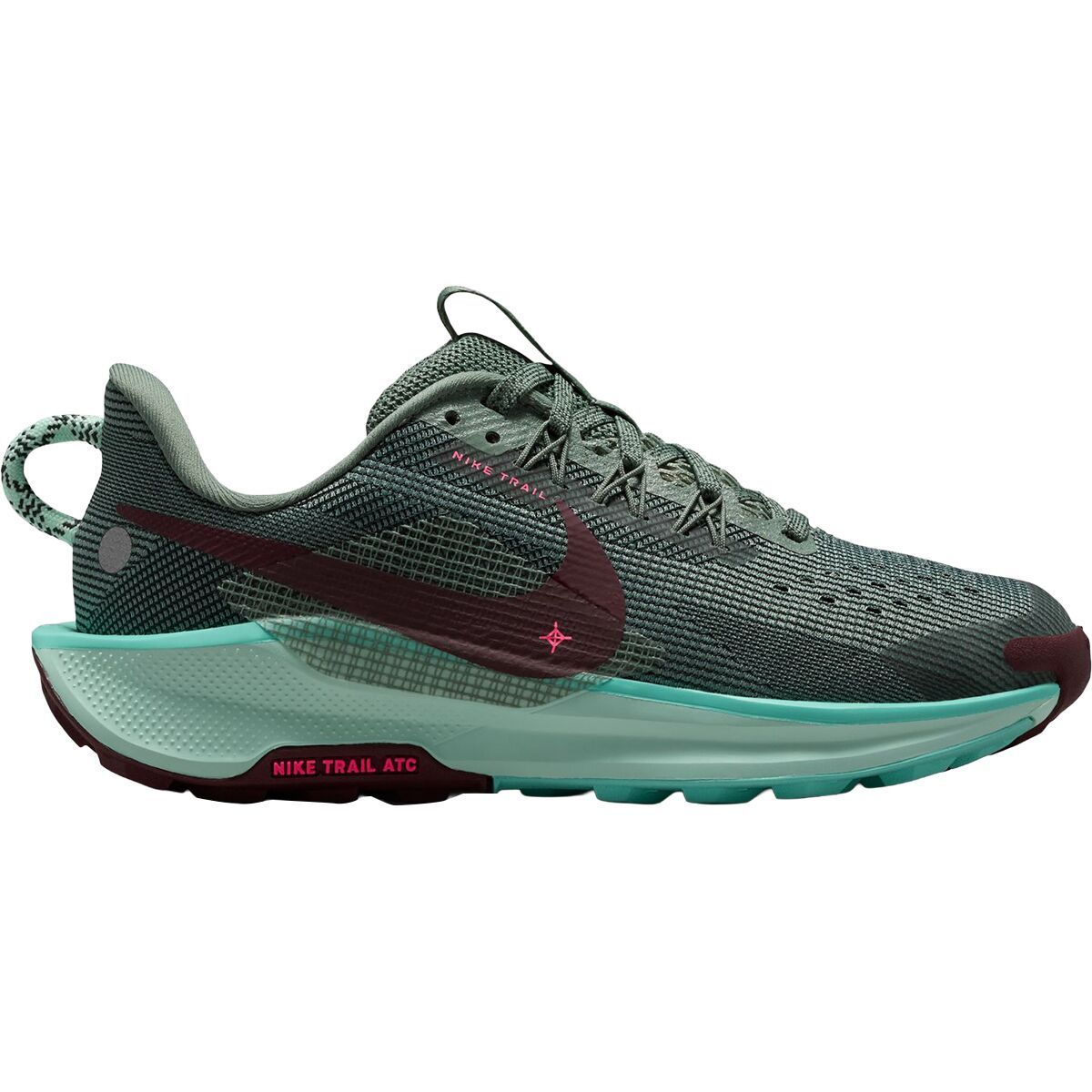
Nike Pegasus Trail 5
Good nutrition + good shoes = longer training sessions. Our pick for mixed-surface running.