Blog / Running Gear
Best Running Shoes 2026
We researched 20+ road running shoes against manufacturer specs, published reviews, and thousands of verified owner reviews across daily training, tempo runs, and long runs. Picks for every foot type, pace, and budget.
Our Top Road Running Shoes for 2026
TL;DR: Our Verdict
For most runners in 2026, the HOKA Clifton 9 is the best daily trainer — cushioned, durable, works for 5K to marathon. Budget pick: Saucony Ride 17. Race day: HOKA Skyward X or Nike Zoom Fly. Replace shoes at 300-500 miles depending on foot strike and terrain.
Quick Comparison: Our Top 6 Running Shoes
| Shoe | Best For | Drop | Weight | Mileage | Price |
|---|---|---|---|---|---|
| Nike Pegasus 41 | Daily trainer, all-round | 10mm | 9.6 oz | 300-400 mi | $105 |
| Brooks Ghost 17 | Neutral comfort | 12mm | 10.1 oz | 500+ mi | $120 |
| Altra Escalante 4 | Zero-drop, wide toe | 0mm | 9.5 oz | 500+ mi | $130 |
| HOKA Skyward X | Marathon racing | 7mm | 8.9 oz | 200-300 mi | $225 |
| Saucony Endorphin Speed 5 | Tempo & intervals | 8mm | 7.6 oz | 300-400 mi | $175 |
| NB FuelCell Rebel v5 | Fast daily trainer | 6mm | 7.5 oz | 300-400 mi | $140 |
A good daily trainer is the most important piece of running gear you'll buy. The difference between the right shoe and the wrong one is measured in miles of discomfort — or worse, injury. This guide covers the shoes runners reliably log miles in, drawing on our own perspective as runners alongside manufacturer specs and verified owner reviews, from the $125 HOKA Clifton (our pick for most runners) up to carbon-plated race shoes for marathon PRs.
If you have specific needs, check our specialized guides: shoes for flat feet, shoes for high arches, shoes for heavy runners, and shoes for plantar fasciitis. For trails, see our trail running shoes guide. Use the shoe replacement calculator to know when to rotate.
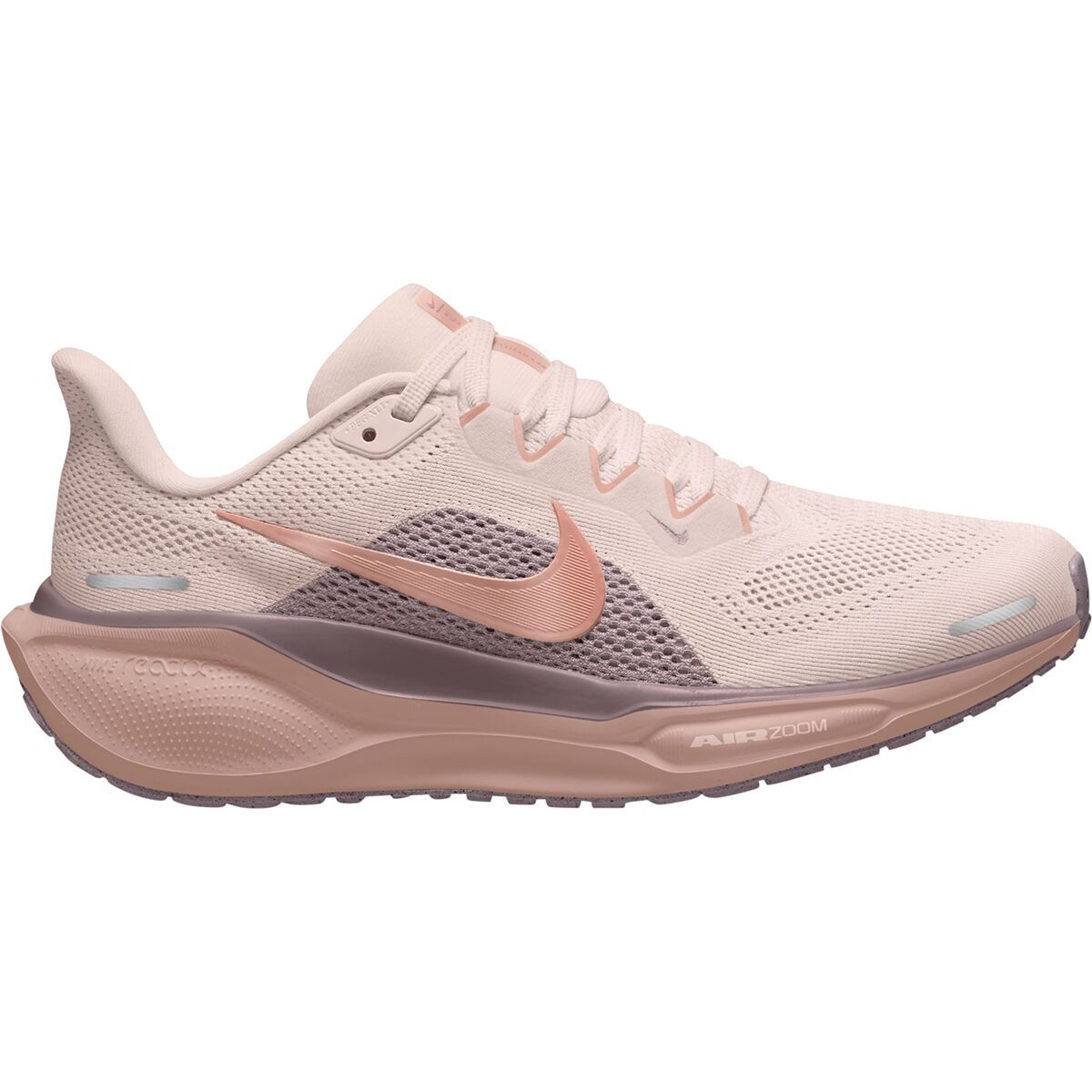
Nike Pegasus 41
The Pegasus has been Nike's daily trainer for 41 generations. ReactX foam is responsive without being harsh, the fit works for most foot shapes, and it handles everything from easy 5-milers to 20-mile long runs.
- ✓ ReactX midsole foam
- ✓ Zoom Air forefoot unit
- ✓ 10mm heel-toe drop
- ✓ Breathable mesh upper
- ✓ Reliable 300-400 mile durability
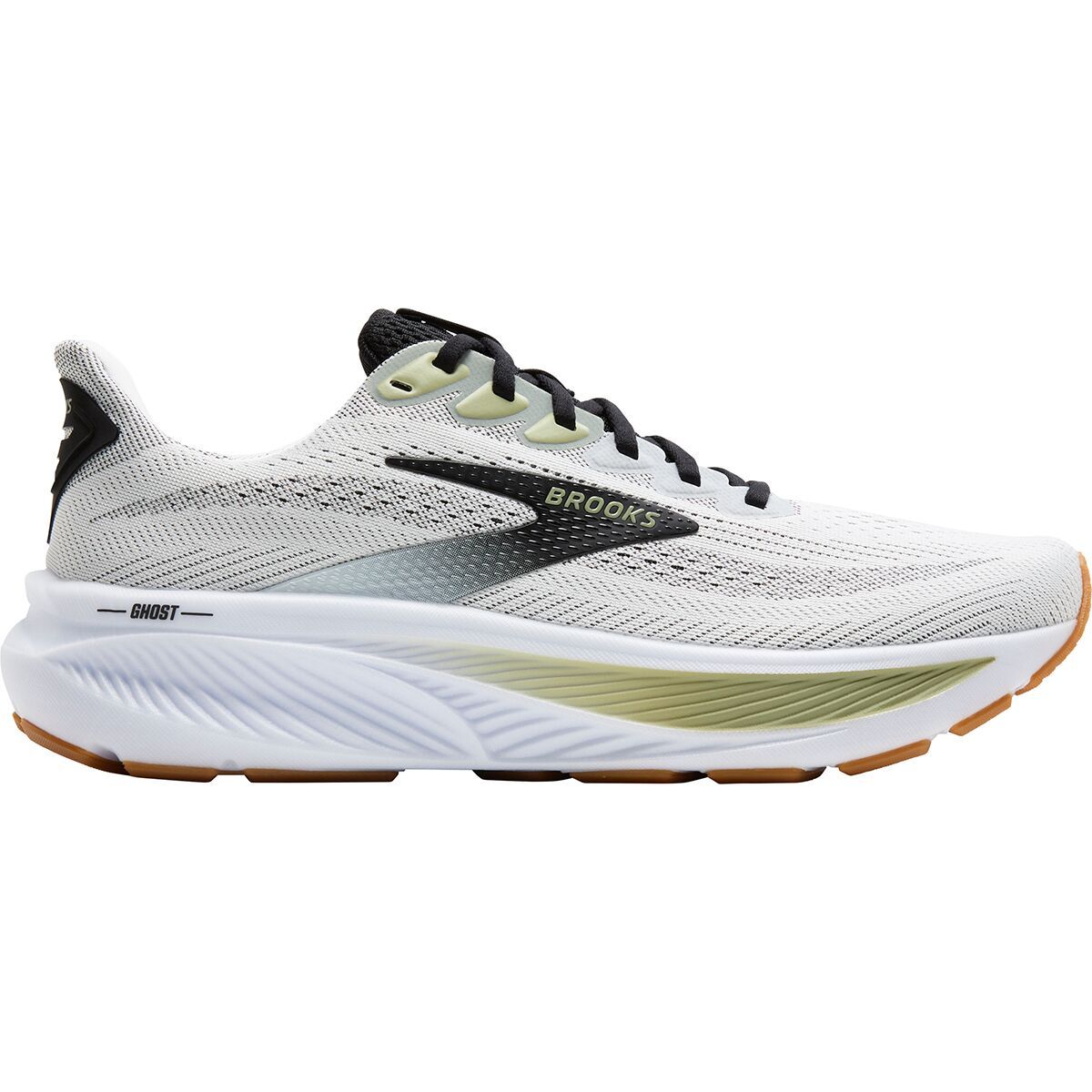
Brooks Ghost 17
Brooks's workhorse neutral shoe. DNA LOFT v3 midsole, comfortable fit for most foot shapes, 400-500 mile durability. Ghost 17 refines what made Ghost 16 the best-selling running shoe in America.
- ✓ DNA LOFT v3 midsole
- ✓ 12mm heel-toe drop
- ✓ Engineered mesh upper
- ✓ Smooth transitions
- ✓ 500+ mile durability
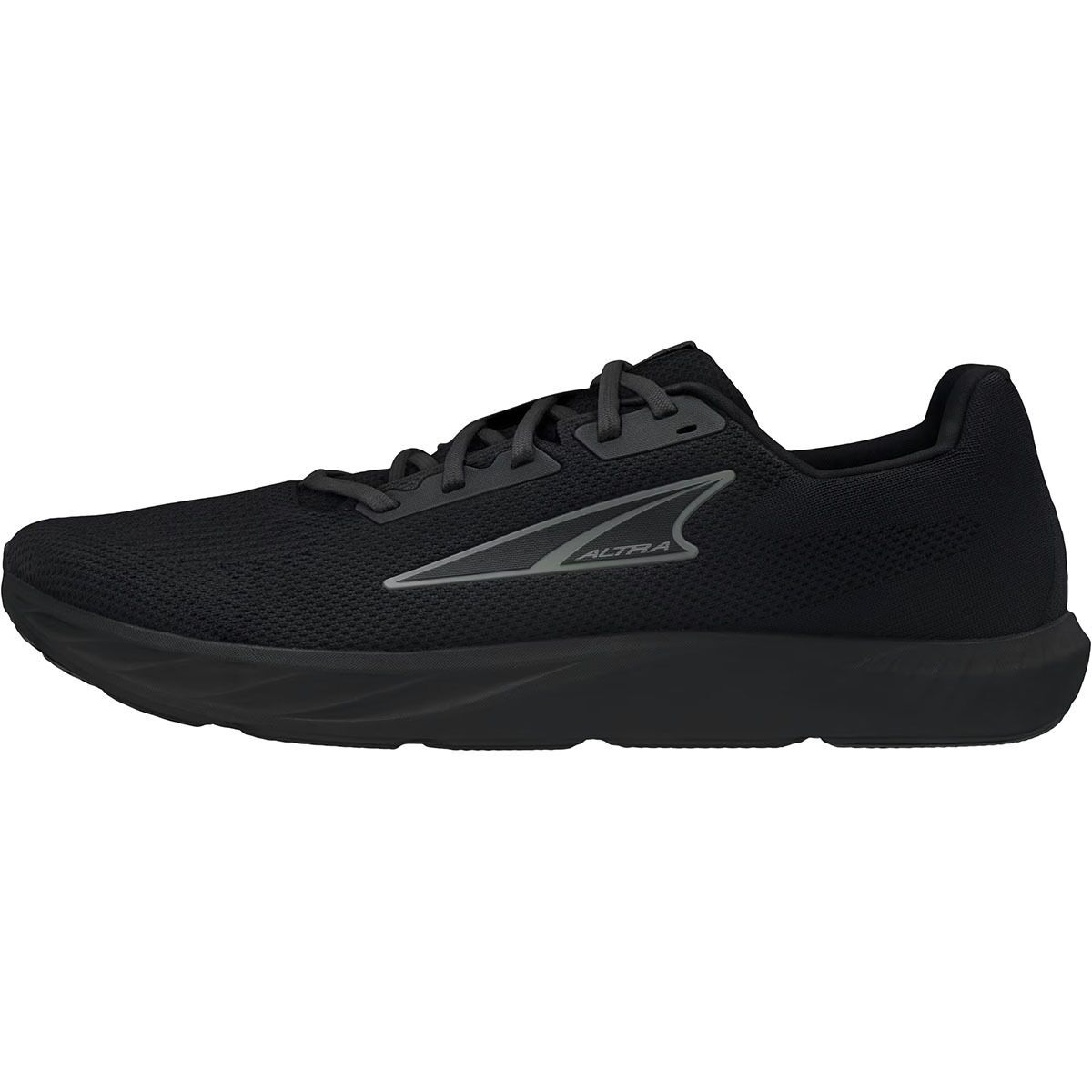
Altra Escalante 4
Altra's flagship zero-drop road shoe. Balanced Cushioning platform with foot-shaped toe box. Great for runners who prefer natural foot position over elevated heel.
- ✓ Zero-drop geometry
- ✓ Foot-shaped wide toe box
- ✓ Altra EGO midsole
- ✓ 500+ mile durability
- ✓ True-to-size fit
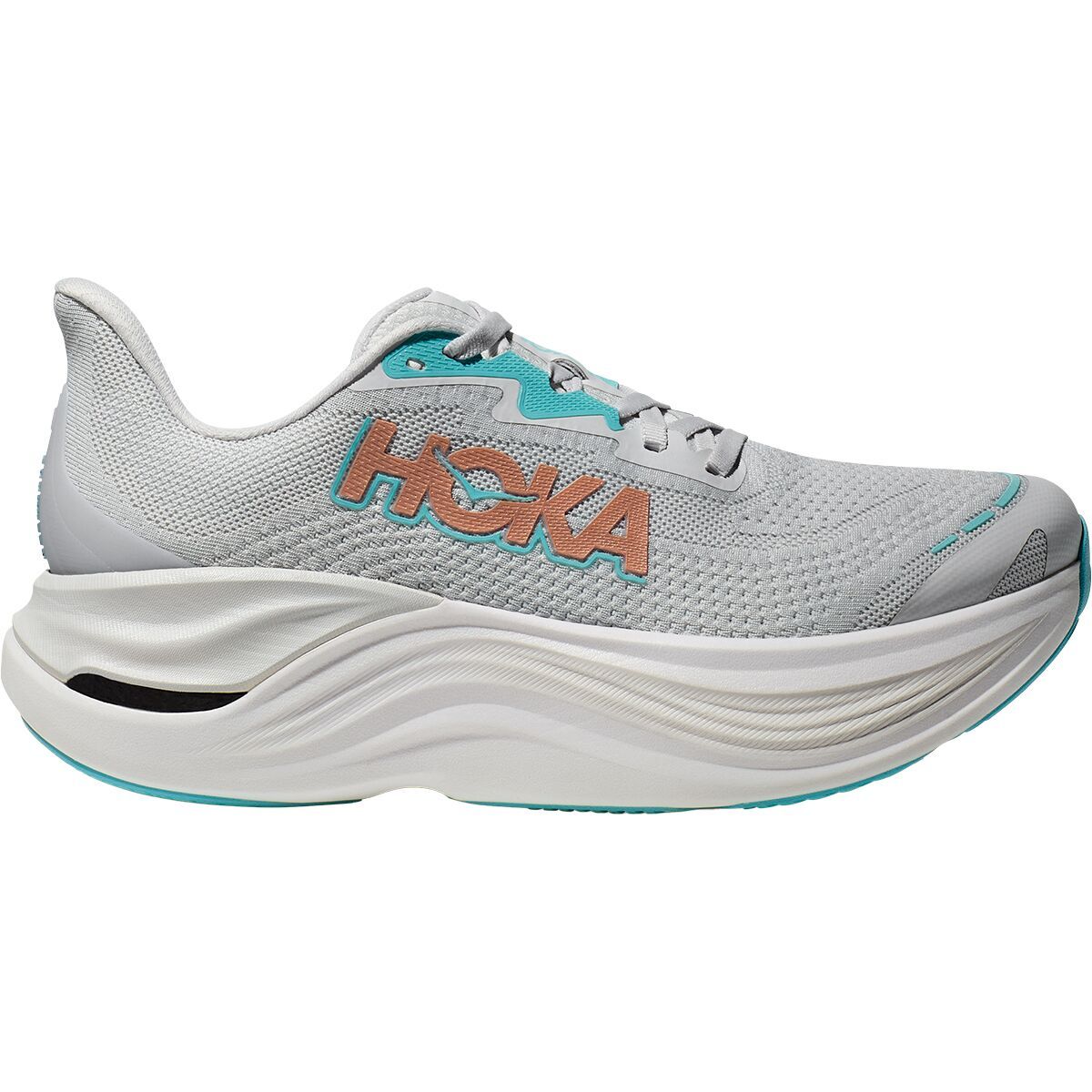
HOKA Skyward X
HOKA's super-shoe. Carbon plate + PEBA midsole = fast. Used by elite marathoners. Durability is lower than daily trainers (race day only), but the energy return is the fastest road shoe HOKA has ever made.
- ✓ Carbon fiber plate
- ✓ PEBA midsole (high rebound)
- ✓ Race-day rocker
- ✓ Sub-9 oz weight
- ✓ Not for daily training — save for races
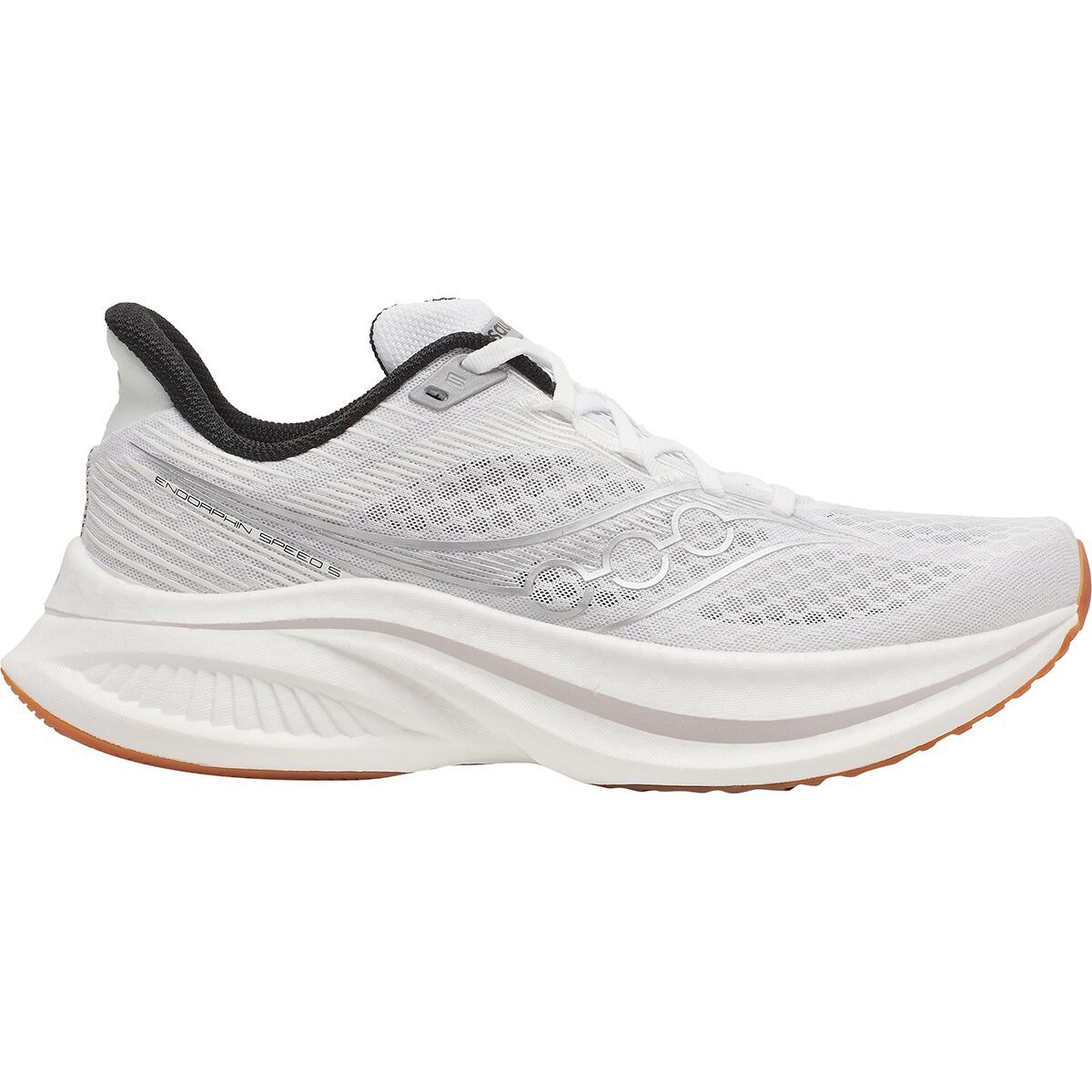
Saucony Endorphin Speed 5
Saucony's nylon-plated trainer. Bouncy PWRRUN PB foam + nylon plate = race-day feel at a daily-trainer price. The shoe most runners use for tempo runs and intervals.
- ✓ PWRRUN PB midsole
- ✓ Nylon plate
- ✓ Race geometry
- ✓ 8mm drop
- ✓ Lightweight (7.6 oz)
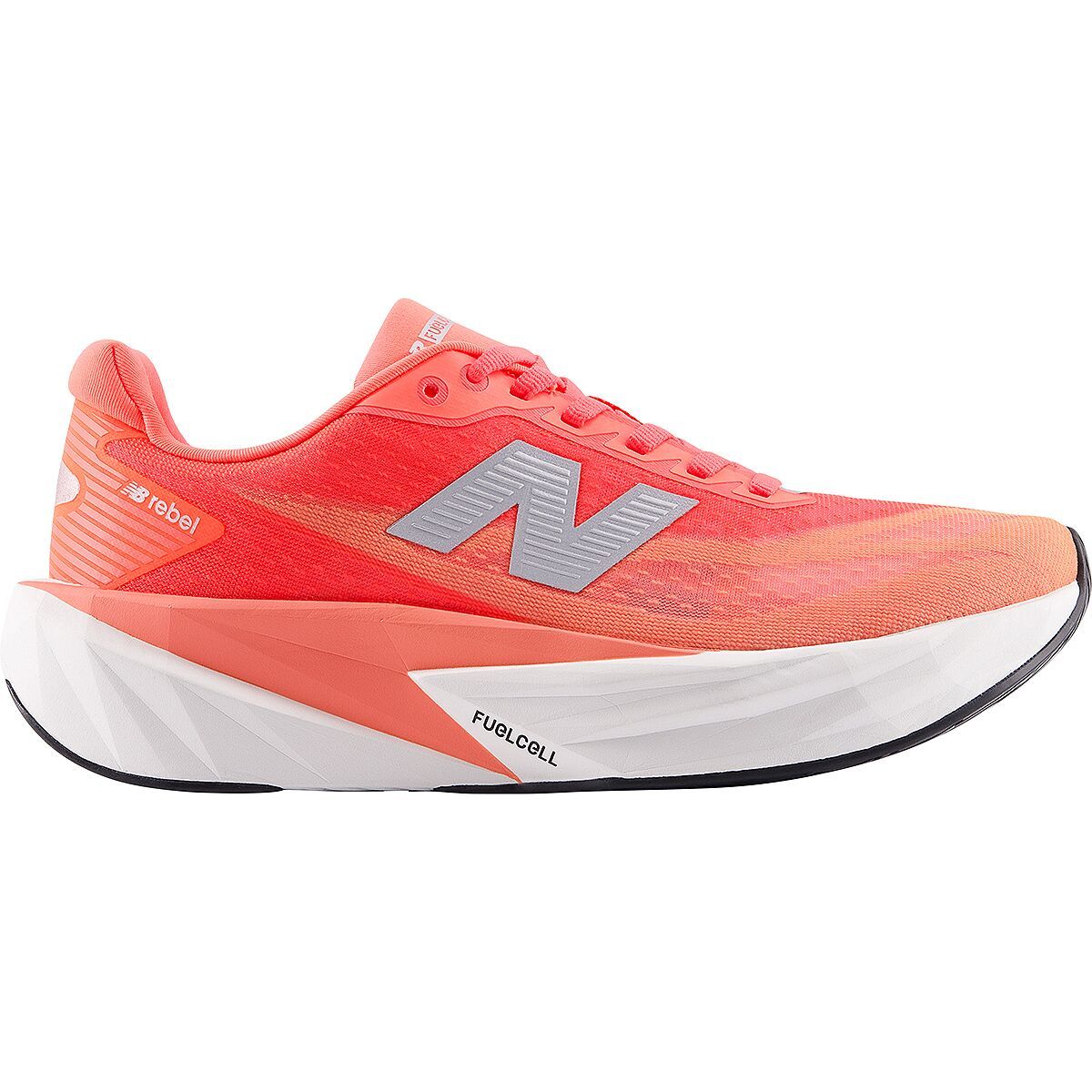
New Balance FuelCell Rebel v5
New Balance's fast daily trainer. FuelCell midsole, lightweight design, and smooth rocker geometry. The v5 is the best Rebel yet — responsive and comfortable for most training runs.
- ✓ FuelCell midsole
- ✓ Lightweight (7.5 oz)
- ✓ Fast rocker geometry
- ✓ 6mm drop
- ✓ Breathable mesh upper
Quick Comparison Table
| Product | Best For | Price | Buy |
|---|---|---|---|
| Nike Pegasus 41 | Versatile daily training | $105 | Shop → |
| Brooks Ghost 17 | Most runners | $120 | Shop → |
| Altra Escalante 4 | Zero-drop runners | $130 | Shop → |
| HOKA Skyward X | Half marathon to marathon racing | $225 | Shop → |
| Saucony Endorphin Speed 5 | Tempo + speedwork | $175 | Shop → |
| New Balance FuelCell Rebel v5 | Speed training | $140 | Shop → |
How to Choose a Running Shoe
Two decisions cover 90% of the choice:
- Daily trainer or race shoe? Daily trainers handle 400-500 miles of easy/moderate running. Race shoes are lighter, faster, and last 150-250 miles — save them for race day.
- Cushioning preference. HOKA = max cushion, soft ride. Nike = more ground feel, springier. Saucony/Brooks = balanced. Try them on and run on a treadmill or around the parking lot for 5 minutes before buying.
Ignore: the pronation categories (neutral/stability/motion control). Modern research shows fit and feel matter far more than pronation-based recommendations. If the shoe feels good at mile 10, it's the right shoe.
Replace shoes at 300-500 miles. Use our shoe replacement calculator to track.
Fit Tips: Getting the Size Right
Running shoes should fit ~½ size larger than your casual shoes — your foot swells during long runs. Thumb's width of space at the toe. Heel locked in without slipping. Upper hugs the midfoot without pressure points.
Most brands run true to size except: Altra (wide toe box, often feels ½ size larger than label), Salomon (runs small), Nike (runs narrow).
Frequently Asked Questions
How often should I replace running shoes?
Most shoes last 300-500 miles. Lighter runners on soft surfaces can push past 500; heavier runners on hard pavement should replace at 300. Signs: loss of cushion response, visible midsole compression, new aches in knees or hips. Use our shoe replacement calculator to track miles.
Do I need a stability shoe if I overpronate?
Modern research doesn't support the old pronation-based shoe recommendations. Most runners do fine in neutral shoes regardless of foot type. Only if you have persistent pain running in neutral shoes should you try a stability shoe — and even then, the gains are mostly from feel, not biomechanics.
What's the difference between a daily trainer and a race shoe?
Daily trainers (HOKA Clifton, Brooks Ghost, Saucony Ride) are built for durability — 400-500 miles, stable ride, moderate weight. Race shoes (HOKA Skyward X, Nike Alphafly) are built for speed — carbon plate, lightweight, 150-250 mile lifespan. Use race shoes for marathons and key tempo runs only.
Are carbon-plated shoes worth the money?
For most recreational runners, no — a $125 Clifton will serve you better than a $250 carbon racer. For anyone targeting a PR at 10K or longer, yes — the energy return is real and measurable (~2-4% efficiency gain for most runners). Treat them as race-day equipment, not daily training.
Related Running Gear Guides
- Best Trail Running Shoes 2026 — Off-road picks for dirt, mud, and rocks
- Best Running Shoes for Flat Feet — Specialized picks for low arches
- Best Running Shoes for High Arches — Cushioned picks for high arches
- Best Running Watches 2026 — Track your mileage with GPS watches