Blog / Running Gear
Best Triathlon Watches 2026
Multisport GPS watches researched across swim, bike, run, and transitions. Picks for sprint distance through full Ironman.
Our Top Triathlon Watches for 2026
TL;DR: Our Verdict
For most triathletes, the Garmin Forerunner 965 ($600) is the best triathlon watch in 2026 — full multisport mode, 23-day smartwatch battery, topo maps, accurate openwater GPS. For full Ironman: Garmin fenix 8. For lighter / faster: COROS APEX 2 Pro.
A triathlon watch has three jobs: track accurate openwater swim distance, transition cleanly from swim to bike to run without manual intervention, and hold GPS + heart rate for 10+ hours on race day. The watches that do all three well are a short list — Garmin dominates, Suunto is the alternative, and COROS is closing the gap.
Pair your watch with a chest strap HR monitor (wrist HR is unreliable in swim), triathlon wetsuit, and see our beginner triathlon guide for full gear + training plans.
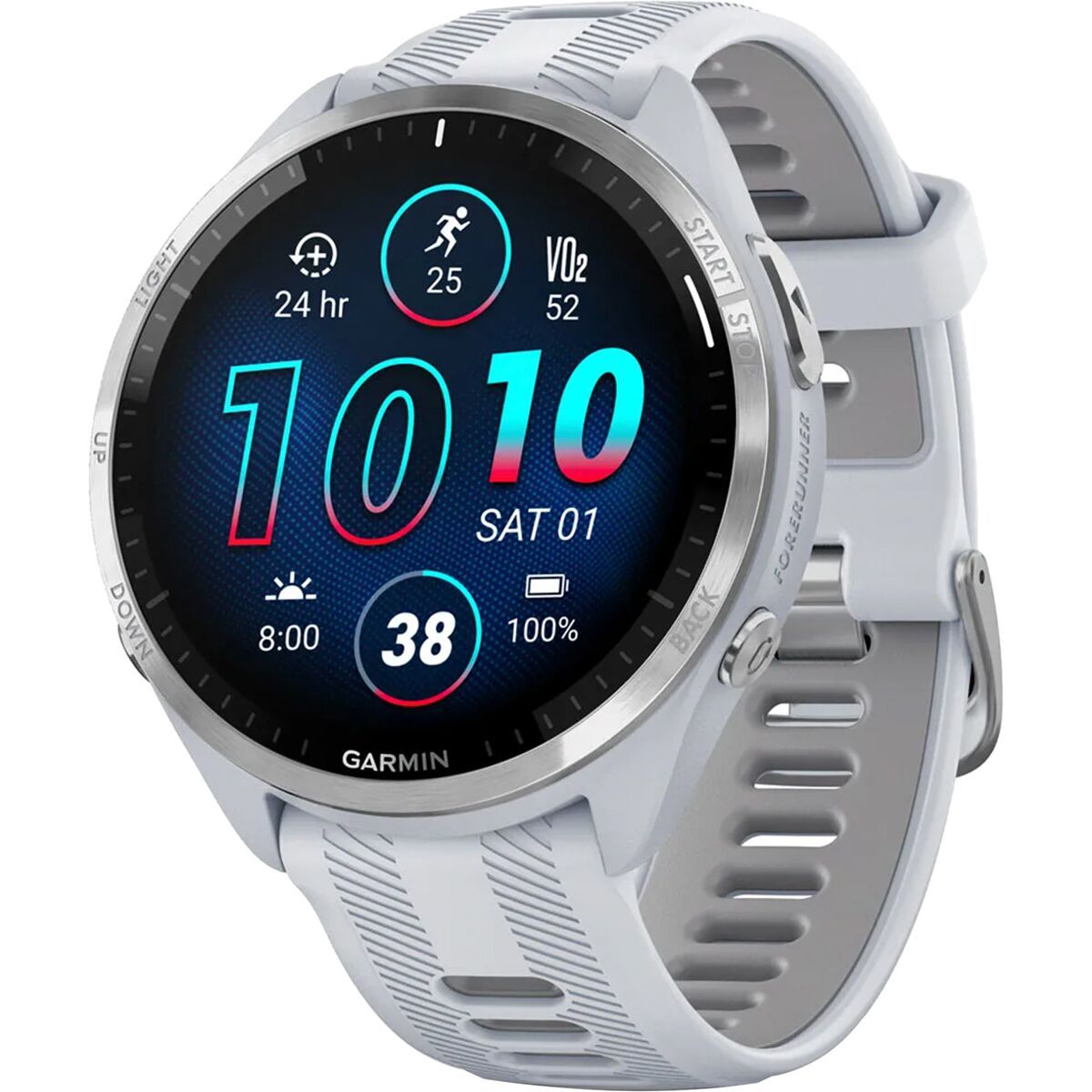
Garmin Forerunner 965
The triathlete's watch. Full multisport mode with smooth transitions, 31-hour GPS battery (covers a full Ironman + margin), 1.4" AMOLED, built-in topo maps, and accurate openwater swim GPS. Best overall value in the Garmin lineup for tri.
- ✓ Full multisport mode
- ✓ 31 hours GPS / 23 days smartwatch
- ✓ 1.4" AMOLED + titanium bezel
- ✓ Built-in color topo maps
- ✓ Accurate openwater GPS
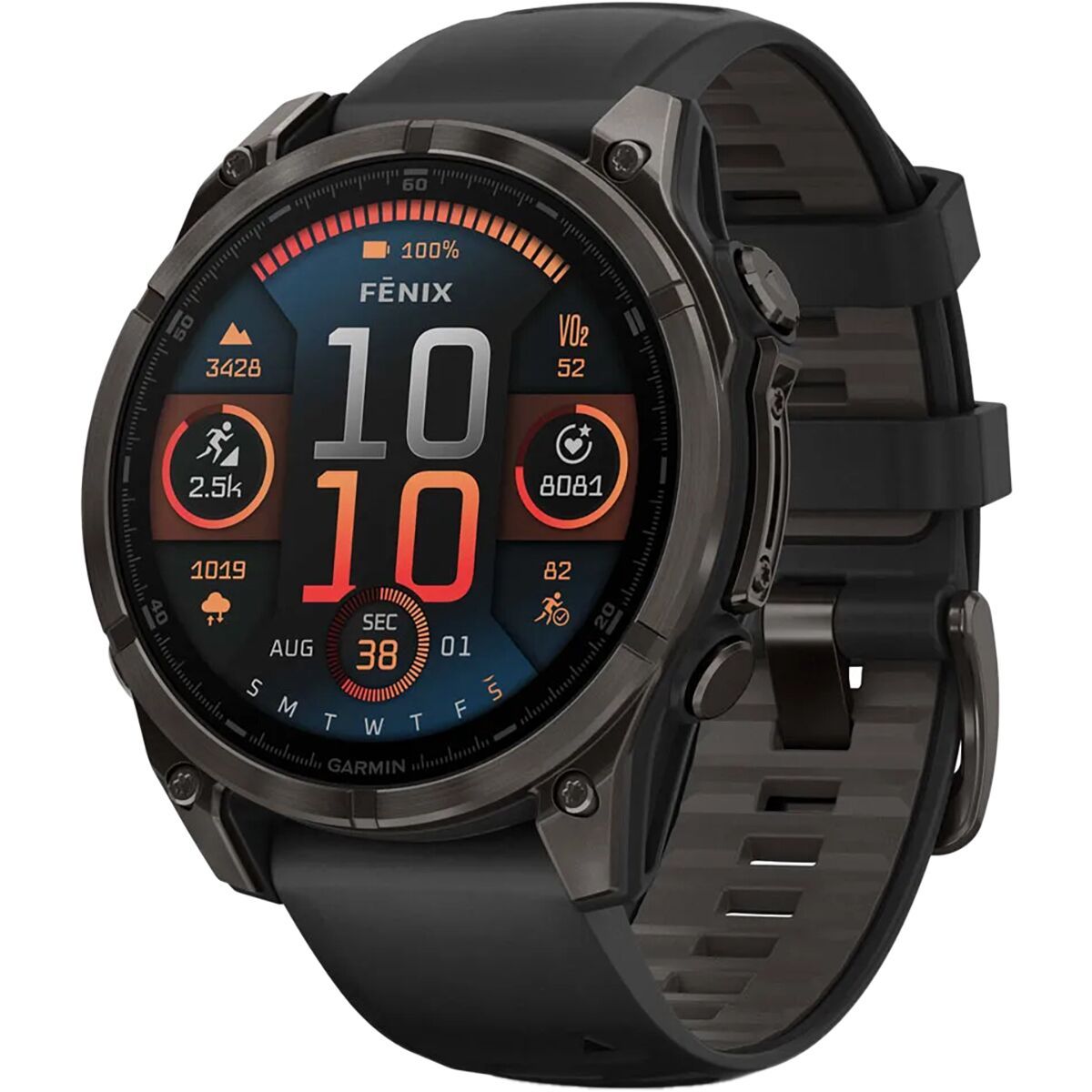
Garmin fenix 8 Sapphire
Garmin's flagship. 40-hour GPS battery (60+ with solar) covers even the slowest Ironman finishes. Sapphire crystal, titanium, built-in voice calling, and the best sensor suite Garmin makes.
- ✓ Up to 60 hours GPS (solar)
- ✓ Sapphire crystal + titanium
- ✓ Voice calling via phone
- ✓ Full topo maps + turn-by-turn
- ✓ Dive mode (included)
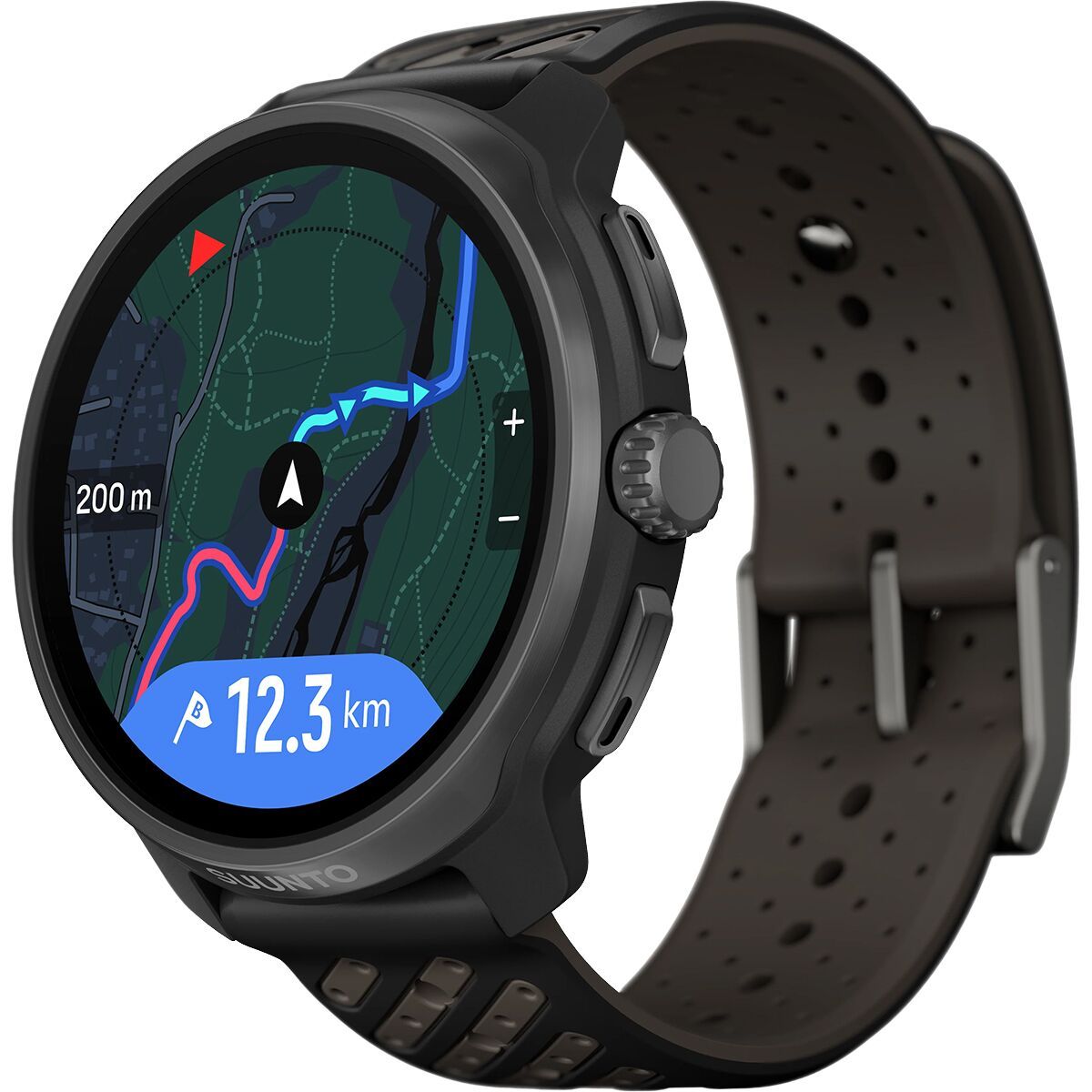
Suunto Race Titanium
Suunto's flagship sport watch. Titanium case, dual-frequency GPS, 40-hour full-accuracy GPS battery, and Suunto's clean UI. The pick if you want the best battery life + design outside the Garmin ecosystem.
- ✓ Dual-frequency GPS
- ✓ 40 hours full-accuracy GPS
- ✓ Titanium case
- ✓ Offline topo maps
- ✓ Route planning in Suunto app
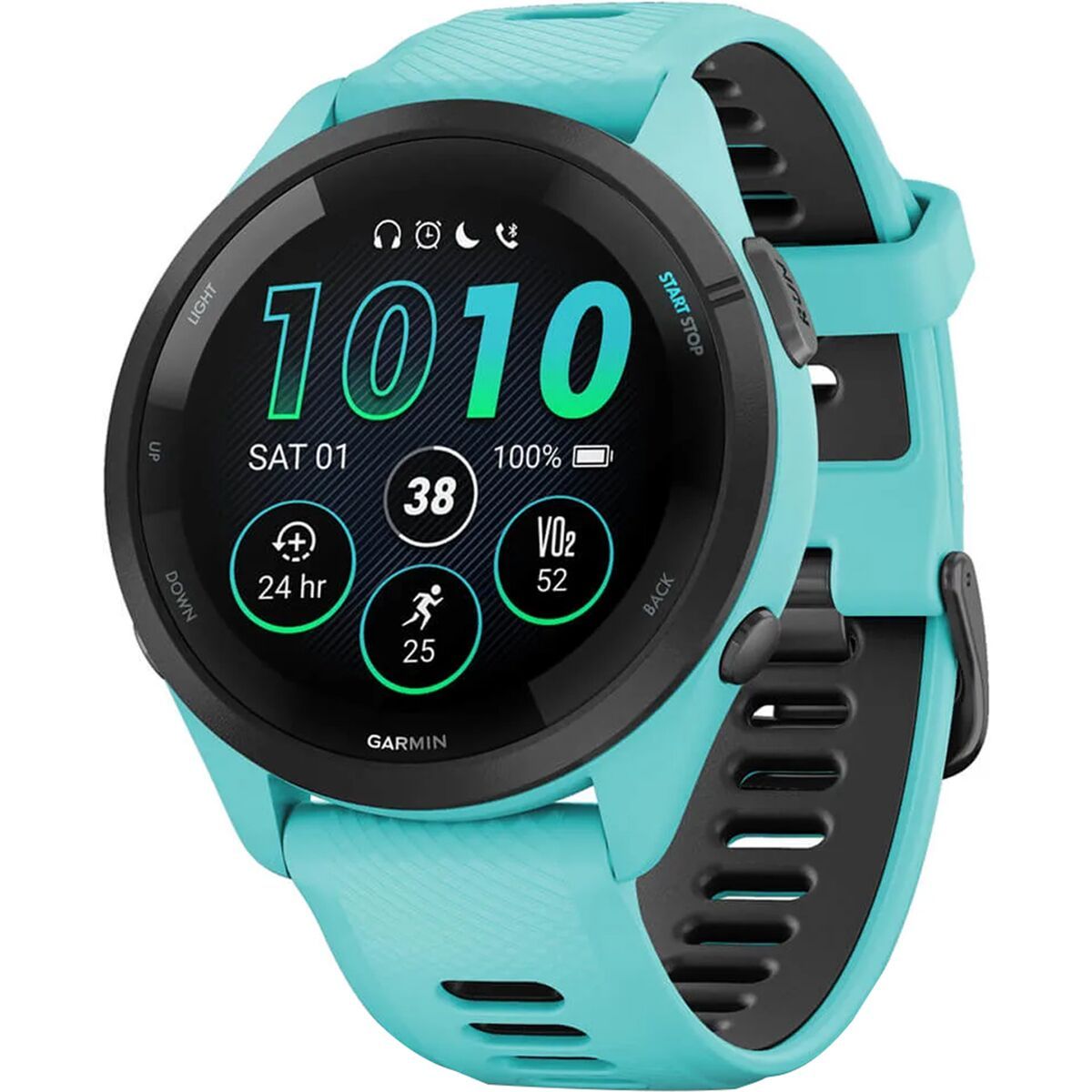
Garmin Forerunner 265
For shorter triathlons (sprint, Olympic), the Forerunner 265 is plenty — full multisport mode, 20-hour GPS battery, AMOLED display, training features. At $449 it's $150 cheaper than the 965 and covers everything under half-Ironman distance.
- ✓ Multisport mode
- ✓ AMOLED always-on display
- ✓ 20 hours GPS / 13 days smartwatch
- ✓ Training Readiness + HRV
- ✓ Offline music storage
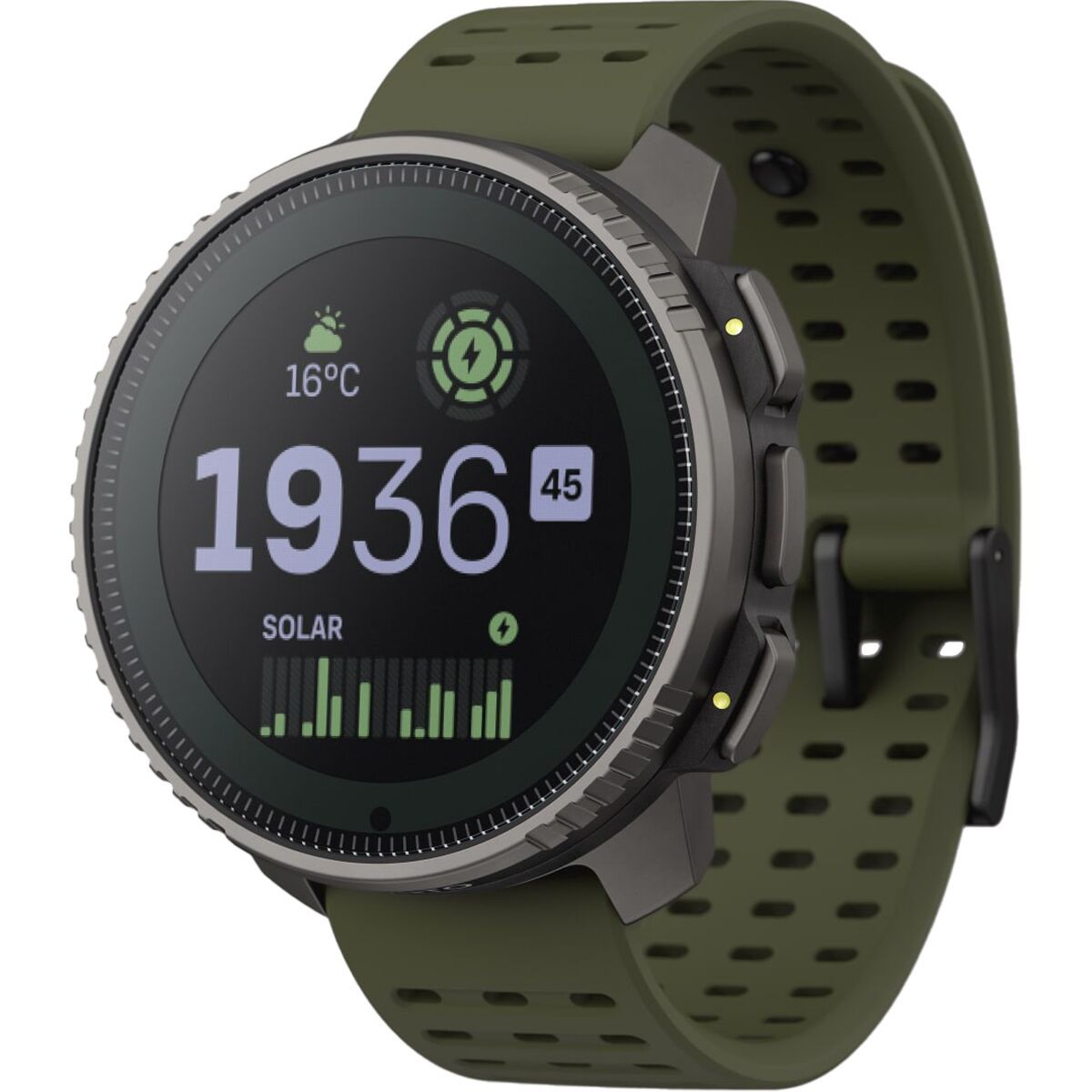
Suunto Vertical Titanium Solar
Suunto's expedition watch. Solar charging extends battery to 85+ hours. Titanium build, offline maps, route discovery via community heat maps. For XTERRA, long-course triathlon, and adventure racing where you're out for days.
- ✓ Up to 85 hours GPS (solar)
- ✓ Titanium case
- ✓ Offline topo maps
- ✓ Route discovery (community heat maps)
- ✓ Dual-frequency GPS
Quick Comparison Table
| Product | Best For | Price | Buy |
|---|---|---|---|
| Garmin Forerunner 965 | Most triathletes | $600 | Shop → |
| Garmin fenix 8 Sapphire | Full Ironman, expedition use | $1100 | Shop → |
| Suunto Race Titanium | Suunto loyalists, minimalists | $599 | Shop → |
| Garmin Forerunner 265 | Sprint + Olympic distance | $450 | Shop → |
| Suunto Vertical Titanium Solar | Ultra-distance events, adventure racing | $549 | Shop → |
What Makes a Good Triathlon Watch
Non-negotiables for a true triathlon watch:
- Multisport mode. One button press transitions swim → T1 → bike → T2 → run with accurate sport-specific data. Critical for race-day.
- Openwater swim GPS. Wrist GPS while swimming is inherently tough (the watch is underwater most of the stroke). Multi-band GPS and smart filtering help.
- Battery life. Minimum 12 hours GPS for sprint/Olympic. 24+ for half Ironman. 30+ for full Ironman.
- Chest strap compatibility. Wrist HR is unreliable in swim. All premium Garmin/Suunto/COROS watches pair with ANT+/Bluetooth chest straps.
Frequently Asked Questions
Do I need a dedicated triathlon watch or will a running watch work?
For sprint triathlons, a basic running watch + manual transitions works. For Olympic distance and up, you want multisport mode — smooth auto-transitions save 30+ seconds per race and let you focus on pacing, not watch operation.
How accurate is wrist GPS in openwater swimming?
Modern multi-band GPS watches (Forerunner 965, APEX 2 Pro) are within ~5% of chip-timed race distances. Single-band GPS watches can be off by 10-15%. For training pacing it's fine; for race PRs, use multi-band.
Garmin vs Suunto vs COROS for triathlon?
Garmin: biggest ecosystem, best software integrations (TrainingPeaks, Strava, Zwift). Suunto: best battery + design, slower software. COROS: best value, smaller ecosystem. Most triathletes end up with Garmin for the training integrations alone.
How do I set up multisport mode?
On Garmin: Activity menu → Multisport → Triathlon. On Suunto: Exercise → Triathlon profile. Customize transitions and data pages beforehand — you don't want to be fiddling in T1.
Related Triathlon Guides
- Best Running Watches 2026 — Running-focused picks
- Best Triathlon Wetsuits 2026 — Essential tri gear
- Best Heart Rate Monitors 2026 — Chest straps for swim HR
- Beginner Triathlon Guide — Complete first-tri playbook
Gift idea: Every watch here is one of the picks in our Gifts for Triathletes guide. See also Gifts for Runners, gifts under $50 and the gift finder.
We review them on their own too, in full detail: the Forerunner 970 and the fenix 8.