At cycling speeds above 15mph, aerodynamic drag becomes the dominant resistance force—consuming 70-90% of your power output. Understanding and optimizing aerodynamics is the most effective way to go faster without increasing fitness. A well-optimized position and equipment selection can save 30-50 watts at race pace, equivalent to months of training gains.
Whether you're a time trialist chasing personal bests, a triathlete looking for bike-split improvements, or a road cyclist wanting marginal gains, aerodynamics should be a primary focus. This guide breaks down the science of drag, teaches you how to optimize your position, and helps you make informed equipment decisions.
Key insight: The rider accounts for 70-80% of total aerodynamic drag. No amount of expensive equipment can compensate for a poor riding position. Always optimize position before investing in aero gear.
The Physics of Aerodynamic Drag
Aerodynamic drag is the force that resists your motion through the air. Understanding the physics helps you make smart decisions about where to invest time and money.
The Drag Equation
Fdrag = ½ × ρ × v² × CdA
ρ (rho) - Air Density
Affected by altitude, temperature, and humidity. Lower density = less drag. Hot, high, humid conditions are fastest.
v² - Velocity Squared
Drag increases with the SQUARE of speed. Doubling speed quadruples drag. This is why aero matters more as you go faster.
CdA - Drag Area
The only variable you can control through position and equipment. This is what aero optimization targets.
Fdrag - Drag Force
The resistance you must overcome. Power = Force × Velocity, so drag force directly determines power requirement.
Why Speed Matters for Aero
Because drag increases with velocity squared, aero gains are worth more at higher speeds. A 10% reduction in CdA saves more watts at 28mph than at 20mph. This is why professional time trialists obsess over aerodynamics while casual cyclists may see less benefit.
| Speed | % Power to Aero | Watts Saved per 5% CdA Reduction |
|---|---|---|
| 18 mph | ~60% | ~5 watts |
| 22 mph | ~75% | ~10 watts |
| 25 mph | ~85% | ~15 watts |
| 28 mph | ~90% | ~22 watts |
Understanding CdA
CdA (Coefficient of drag × frontal Area) is the gold standard measurement for cycling aerodynamics. It combines two factors into a single number that represents your total "drag area."
Cd - Drag Coefficient
A dimensionless number representing how "slippery" your shape is. Lower is better.
- • Flat plate = 1.0
- • Sphere = 0.47
- • Teardrop = 0.04
- • Cyclist (road) = ~0.8-1.0
A - Frontal Area
The cross-sectional area you present to the wind, measured in square meters.
- • Upright position: ~0.5-0.6 m²
- • Drops position: ~0.35-0.45 m²
- • TT position: ~0.25-0.35 m²
Typical CdA Values
- Professional TT specialist: 0.18-0.22 m²
- Elite amateur TT: 0.22-0.26 m²
- Recreational TT position: 0.26-0.32 m²
- Road bike (drops): 0.28-0.35 m²
- Road bike (hoods): 0.32-0.40 m²
- Road bike (upright): 0.40-0.50 m²
CdA Context
A CdA improvement from 0.30 to 0.27 (10% reduction) saves approximately 30 watts at 25mph—equivalent to the performance gain from significant training adaptations. This is why aerodynamics provides such compelling return on investment.
Body Position Optimization
Your body is the biggest source of drag—making position optimization the highest-impact aero intervention. Before spending money on equipment, maximize what you already have.
Key Position Elements
Head Position
The head can account for 5-10% of total drag. Look through your eyebrows rather than lifting your head. A level or slightly tucked head significantly reduces frontal area.
- • Avoid looking up—creates a "wall" to the wind
- • Practice low head position gradually for neck adaptation
- • Aero helmet shape should align with back for smooth airflow
Back and Torso
A flat back creates the smallest frontal area and allows air to flow smoothly over you. However, this must be balanced with power output—too aggressive may compromise performance.
- • Aim for the lowest sustainable position
- • Hip angle affects power—test position in training
- • Narrow shoulders reduce width exposure
Arms and Hands
In TT position, arms should be close together with forearms pointing forward. On a road bike, riding in the drops with tucked elbows is significantly more aero than on the hoods.
- • Narrower arm width = less frontal area
- • Forearm angle affects comfort and aero—test different setups
- • Hands close together on road bike drops helps
Road Bike Position Improvements
~10W
Hoods → Drops
~5W
Head position improvement
~5W
Tucking elbows in
Aero Bike Fit Principles
The most aerodynamic position is worthless if you can't sustain it or can't produce power. Aero bike fit seeks the optimal balance between aerodynamics and physiological sustainability.
Fit Variables
| Variable | Aero Effect | Power Effect |
|---|---|---|
| Lower Stack | Reduces frontal area | May limit hip angle |
| Longer Reach | Stretches torso, flattens back | May overextend |
| Narrower Bars/Pads | Reduces width | May restrict breathing |
| Forward Saddle | Opens hip angle | Changes muscle recruitment |
The Hip Angle Trade-Off
Hip angle (measured between torso and thigh at the top of the pedal stroke) significantly affects both aerodynamics and power output. A closed hip angle creates a flatter back but may restrict power. Most athletes perform best with hip angles between 55-65° in an aero position.
Professional Fit Recommendation
For time trial or triathlon, invest in a professional aero bike fit from a qualified fitter with experience in TT positioning. The cost ($200-400) pays for itself through the time savings and power improvements an optimized position provides.
Aero Equipment: What Actually Works
Not all aero equipment provides equal value. This section ranks upgrades by watts-per-dollar to help you prioritize investments.
Equipment Priority Ranking
1. Aero Helmet
★★★★★ Best Value5-15 watts savings at 25mph. $100-300 investment. Best watts-per-dollar of any equipment upgrade.
2. Skinsuit / Aero Clothing
★★★★★ Excellent Value10-20 watts savings. $100-400 investment. Tight-fitting reduces fabric flutter and drag.
3. Aero Wheels
★★★★ Great Value10-20 watts savings with deep sections. $1000-3000+ investment. Transferable between bikes.
4. Aero Frame
★★★ Good Value5-15 watts over non-aero frame. $2000-10000+ investment. Diminishing returns vs. mid-range options.
5. Aero Bars / Basebar
★★★ Good ValueVaries widely—more about position enablement than inherent drag reduction.
6. Shoe Covers / Overshoes
★★ Moderate Value2-5 watts savings. $30-100 investment. Easy marginal gain.
Wheels and Tires
Wheels are the second-most impactful equipment choice after your position. The rotating mass and aerodynamic profile of wheels significantly affect both drag and handling.
Wheel Depth Guidelines
| Depth | Aero Benefit | Best For | Wind Sensitivity |
|---|---|---|---|
| 30-40mm | Modest | All-around, climbing | Low |
| 50-60mm | Good | Road racing, triathlon | Moderate |
| 80-90mm | Excellent | Time trial, flat triathlon | Higher |
| Disc | Maximum | TT, indoor, calm conditions | Very High |
Recommended Aero Wheelsets
Hunt 54 Aerodynamicist
54mm carbon wheels with excellent aero performance at mid-range pricing. Great value option.
View Product →Zipp 404 Firecrest
Premium 58mm depth with wide rim profile. Industry benchmark for aero and handling balance.
View Product →Tire Width and Aero
Wider tires (28-32mm) on modern wide rims are often MORE aerodynamic than narrow tires due to the smooth transition from tire to rim. The "rule of 105%" suggests tire width should be at most 105% of rim width for optimal airflow.
Aero Clothing
Clothing accounts for surprisingly large drag—loose fabric flapping in the wind can cost 10-20 watts. Proper aero clothing is one of the best value investments.
Skinsuit Benefits
- • No fabric flapping or gaps
- • Textured fabrics can trip boundary layer
- • Smooth seams reduce turbulence
- • One-piece eliminates jersey/shorts gap
- • Compression improves muscle efficiency
Key Features
- • Tight but not restrictive fit
- • Speed-textured fabric on arms/shoulders
- • Smooth fabric on torso/back
- • Low collar or aero collar
- • Sleeves to wrist (no exposed skin)
Recommended Aero Apparel
Castelli Body Paint 4.x Speed Suit
Wind tunnel-tested speedsuit with strategic texturing. Used by professional TT specialists.
View Product →Arm and Leg Hair
Wind tunnel testing has shown that shaved legs can save 5-15 watts compared to hairy legs at race speeds. While marginal, it's a free aero gain for those willing to shave.
Testing Your Aerodynamics
You can't improve what you don't measure. Several methods exist for testing your CdA, ranging from free to expensive.
Testing Methods Compared
Field Testing (Chung Method)
Free method using power meter data and GPS to calculate CdA during outdoor rides. Requires consistent conditions and multiple runs.
- + Free, real-world conditions
- + Can test anytime
- - Variable conditions affect accuracy
- - Requires analysis software (Golden Cheetah, etc.)
Wind Tunnel Testing
Gold standard for controlled, repeatable testing. Expensive but provides precise measurements and immediate feedback.
- + Highly accurate and repeatable
- + Controlled conditions
- + Immediate feedback on changes
- - Expensive ($500-1500/session)
- - May not reflect real-world exactly
Velodrome Testing
Controlled indoor environment with consistent conditions. Good middle ground between field and wind tunnel.
- + No wind variability
- + Real cycling conditions
- - Requires velodrome access
- - Limited testing time
DIY Field Testing Protocol
- 1. Find a test course: Flat, smooth road with minimal traffic. 2-4km out-and-back works well.
- 2. Choose calm conditions: Wind under 5mph, early morning is ideal.
- 3. Warm up thoroughly: 15-20 minutes before testing.
- 4. Ride steady efforts: Multiple runs at constant power (FTP or slightly below).
- 5. Record everything: Power, speed, cadence, temperature, tire pressure.
- 6. Analyze with software: Use Golden Cheetah Aerolab or similar to calculate CdA.
- 7. Change one variable: Test position or equipment changes one at a time.
Real-World Application
Aerodynamic theory must translate to race performance. Here are practical strategies for maximizing your aero gains on race day.
Race Day Aero Checklist
- Aero helmet fitted and practiced in training
- Skinsuit or tight-fitting race kit
- Shoe covers for cleaner foot profile
- Remove unnecessary items (saddle bag, etc.)
- Number placement—behind saddle if allowed, or aero number belt
- Tape over vent holes in shoes
- Sunglasses inside helmet straps (for aero helmets)
Maintaining Position
The best position in the world doesn't help if you can't hold it. Practice your aero position in training regularly—your body needs to adapt to the demands.
- • Start with 15-20 minute blocks in aero position, build duration
- • Core strength training supports position maintenance
- • Neck exercises help with low head position
- • Hip flexor flexibility improves closed hip angle tolerance
The 80/20 Rule of Aero
Focus on the basics first: optimized position, aero helmet, and tight clothing. These provide 80% of available aero gains at 20% of the cost of full equipment optimization. Only after maximizing these should you consider expensive wheel or frame upgrades.
Frequently Asked Questions
What is CdA in cycling?
CdA (Coefficient of drag × frontal Area) is the primary measure of aerodynamic efficiency in cycling. It combines how slippery your shape is (Cd) with how much frontal area you present to the wind. Lower CdA means less aerodynamic drag. Professional time trialists achieve CdA values around 0.20-0.22 m², while recreational riders typically measure 0.30-0.40 m².
How much faster do aero wheels make you?
Deep section aero wheels (60-80mm) can save 30-60 seconds over 40km compared to standard box-section wheels, depending on speed. At 25mph, this translates to roughly 10-15 watts savings. However, the benefit varies with speed—aero gains are exponentially more valuable at higher speeds. Below 18mph, the difference becomes negligible.
Is an aero road helmet worth it?
Yes, aero road helmets provide excellent watts-per-dollar value. A good aero helmet can save 5-15 watts compared to a ventilated road helmet at 25mph. This translates to 30-60 seconds over a 40km time trial. They're one of the most cost-effective aero upgrades available.
How much does body position affect aerodynamics?
Body position is the biggest factor in cycling aerodynamics—the rider accounts for 70-80% of total drag. Lowering your torso by just a few centimeters can save 10-20 watts. The difference between hoods, drops, and an optimized aero position can be 50+ watts at race speeds. Position optimization should come before equipment purchases.
Should I get a wind tunnel test or use outdoor field testing?
Wind tunnel testing provides controlled, repeatable conditions ideal for equipment comparisons and position refinement. Outdoor field testing (like Chung method) is free, shows real-world performance, but has more variability. For most athletes, start with outdoor testing to establish baseline and identify major improvements, then consider wind tunnel for fine-tuning.
Cheating the Wind
Aerodynamic optimization is the closest thing to "free speed" in cycling. Unlike fitness gains that require months of hard training, aero improvements can be achieved in days through position changes and smart equipment choices.
Start with the fundamentals: optimize your position first, as it's free and provides the largest gains. Then invest in high-value items like an aero helmet and well-fitting clothing. Only after maximizing these basics should you consider expensive wheel or frame upgrades.
Remember that aerodynamics is just one piece of the performance puzzle. The most aero position in the world is worthless if you can't sustain it or produce power in it. Balance aerodynamics with sustainability, and test your setup in training before race day.
Related Articles
📊 Power Up Your Cycling
Use our free calculators to optimize performance:
Featured at Backcountry — 15% off first order
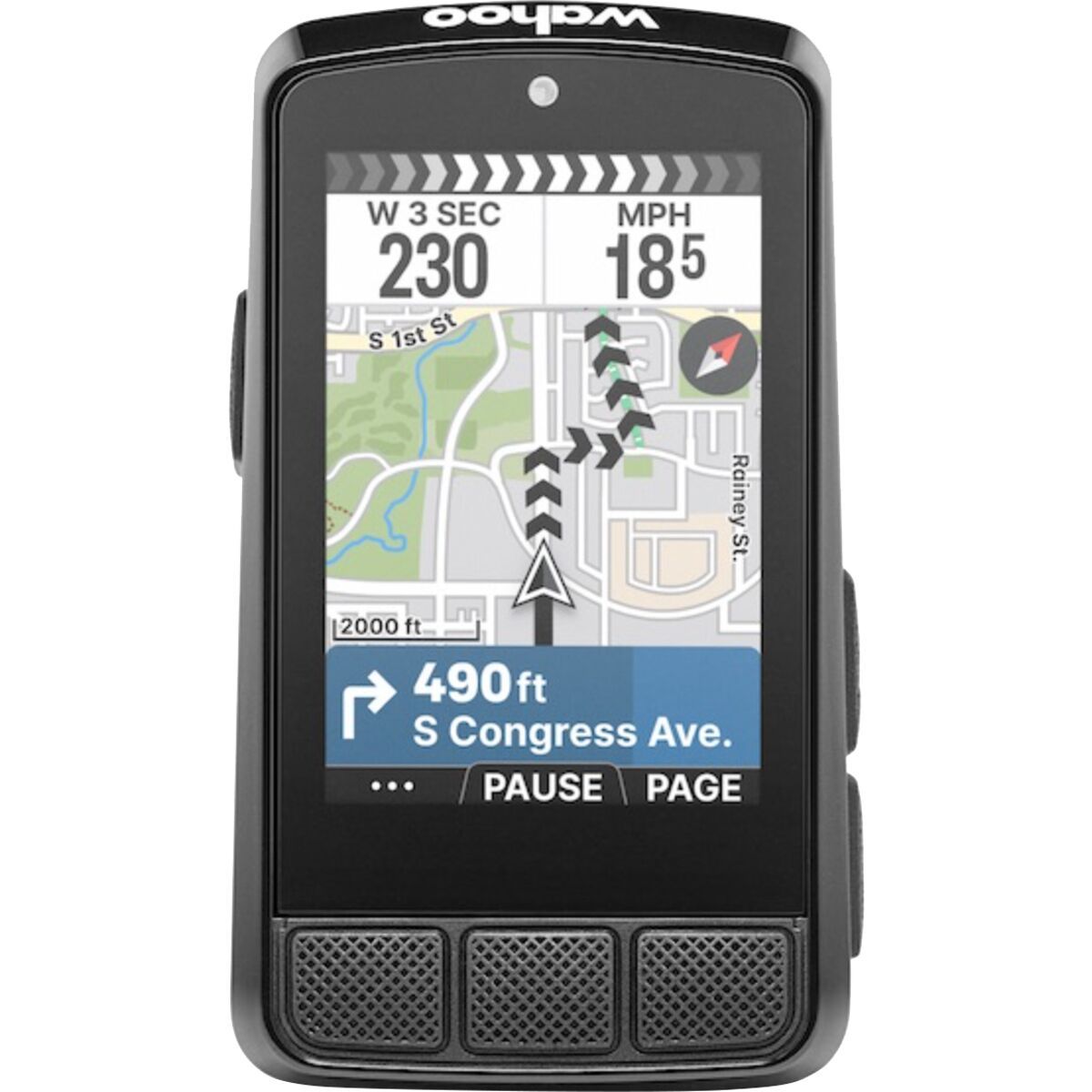
Wahoo ELEMNT BOLT 3
Track your rides with Wahoo's compact GPS — the bike computer we use daily.