Indoor training has evolved from a necessary evil during bad weather to a legitimate, highly effective training method embraced by professionals and amateurs alike. Modern smart trainers, immersive virtual platforms, and connected treadmills make indoor workouts engaging, precise, and often more time-efficient than outdoor alternatives.
Whether you're battling winter weather, managing a busy schedule, or seeking perfectly controlled intervals, indoor training deserves a place in your program. This guide covers everything from equipment selection to workout design to staying motivated when the basement walls close in.
Key Insight
Studies show that structured indoor training can produce equivalent or superior fitness gains compared to outdoor training, primarily because the controlled environment allows for more precise intensity control and uninterrupted quality work.
Benefits of Indoor Training
Training Quality
Precise Intervals
Hit exact power or pace targets without traffic, hills, or wind affecting your workout. Every interval is executed perfectly.
Consistent Conditions
Same temperature, no weather variables, and no interruptions. Compare workouts fairly over time.
Time Efficiency
No travel to trails or routes. Start immediately, train effectively, and finish. A 60-minute indoor session delivers significant training load.
Safety
No traffic, no darkness concerns, no icy roads. Train anytime regardless of conditions.
Practical Advantages
- Schedule flexibility: Train at 5 AM or 11 PM without safety concerns
- No weather dependency: Consistent training through any season
- Multitasking: Watch training videos, entertainment, or work calls
- Family friendly: Stay home while kids sleep or need supervision
- Data accuracy: Power and pace readings without GPS or terrain variation
Smart Trainer Cycling
Smart trainers have revolutionized indoor cycling, offering accurate power measurement, automatic resistance control, and integration with virtual platforms.
Types of Smart Trainers
Direct-Drive Trainers
Remove rear wheel and mount bike directly. Quietest, most accurate, best road feel. Premium option.
Examples: Wahoo KICKR, Tacx Neo 2T, Elite Direto, Saris H3
Price Range: $700-1,400
Wheel-On Smart Trainers
Keep rear wheel on, roller contacts tire. More affordable, slightly less accurate, tire wear.
Examples: Wahoo KICKR Snap, Tacx Flow, Elite Suito
Price Range: $400-700
Basic/Classic Trainers
Non-smart trainers with manual resistance. Require separate power meter for data.
Examples: Kurt Kinetic, basic fluid trainers
Price Range: $150-350
Key Features to Consider
- Power accuracy: Look for ±2% or better accuracy
- Maximum resistance: 1,500-2,200 watts covers most needs
- Maximum gradient simulation: 15-25% for realistic climbing
- Noise level: Direct-drive much quieter than wheel-on
- Connectivity: ANT+ and Bluetooth for universal compatibility
- Road feel: Flywheel weight and design affect realism
ERG Mode vs Simulation Mode
ERG Mode
Trainer automatically adjusts resistance to maintain target power regardless of cadence. Perfect for structured intervals.
Simulation (SIM) Mode
Trainer simulates terrain—resistance increases on climbs, decreases on descents. Used for virtual riding and racing.
Treadmill Running
Treadmill running offers precise pace control, cushioned surfaces, and climate-controlled training, making it valuable for specific workouts and weather-limited situations.
Treadmill vs Outdoor Running
Incline Compensation
Set 1-2% incline to better simulate outdoor running effort. The moving belt assists leg turnover, and there's no wind resistance indoors. This small incline compensates for these differences.
Treadmill Advantages
- Precise pace control: Set exact pace for tempo runs and intervals
- Consistent terrain: No hills unless you want them
- Cushioned surface: Reduced impact compared to concrete
- Hill training: Set any grade for specific hill work
- Form focus: Mirrors allow form checking; no navigation distractions
- Heat training: Simulate hot conditions in controlled environment
Effective Treadmill Workouts
Tempo Run
Warm up 10 min, then 20-40 min at threshold pace, cool down 10 min. Perfect workout for treadmill—no pace drift.
Hill Repeats
After warm-up, 6-10 x 2 min at 6-8% grade, jog recovery between. Build running-specific strength.
Progressive Run
Start easy, increase pace every 5-10 minutes. Finish at tempo or faster. Teaches pacing and builds fatigue resistance.
Intervals
400m-1 mile repeats at goal pace or faster. Treadmill ensures accurate pacing—no slowing down mid-interval.
Treadmill Running Tips
- Use straddle technique: step off belt during rest intervals rather than reducing speed
- Don't hold handrails—run naturally with arm swing
- Position yourself in the middle of the belt, not too far forward or back
- Use a fan for cooling—sweat rate is higher indoors
- Vary incline during long runs to prevent repetitive strain
Virtual Training Platforms
Virtual platforms transform indoor training from mind-numbing to engaging, offering immersive worlds, social interaction, and structured training.
Popular Cycling Platforms
Zwift
The most popular platform with game-like worlds, group rides, races, and structured training. Large community makes finding riding partners easy.
Best for: Social riders, racers, those wanting variety
Cost: ~$15/month
TrainerRoad
Focused on structured training with adaptive training plans. Less visual distraction, more workout-focused. AI adjusts training based on performance.
Best for: Structured training, serious athletes, data-focused
Cost: ~$20/month
Rouvy
Real-world video routes—ride actual roads from around the world. Great for outdoor simulation and course preview.
Best for: Those wanting realistic outdoor feel, race course preview
Cost: ~$15/month
Wahoo SYSTM (formerly Sufferfest)
Combines structured workouts with entertaining videos. 4DP fitness testing for personalized zones. Includes yoga and strength.
Best for: Those wanting entertainment + structure, multi-sport athletes
Cost: ~$15/month
Running Platforms
Zwift Running
Same virtual worlds as cycling, requires footpod or compatible treadmill. Growing community.
Peloton Tread
Instructor-led classes, music-driven workouts. Requires Peloton treadmill or app subscription.
Effective Indoor Workouts
The controlled environment allows for precise, high-quality workouts impossible outdoors.
Cycling Workouts
Sweet Spot Session (60 min)
- Warm-up: 10 min easy spinning
- Main: 2 x 20 min at 88-93% FTP (5 min recovery)
- Cool-down: 5 min easy
- Purpose: Build FTP with manageable fatigue
VO2max Intervals (50 min)
- Warm-up: 15 min with 3 x 30s hard efforts
- Main: 5 x 4 min at 105-120% FTP (4 min recovery)
- Cool-down: 10 min easy
- Purpose: Raise VO2max ceiling
Threshold Blocks (75 min)
- Warm-up: 15 min progressive
- Main: 3 x 15 min at 95-100% FTP (5 min recovery)
- Cool-down: 10 min easy
- Purpose: Increase sustainable power
Endurance + Bursts (90 min)
- Main: 80 min at 65-75% FTP
- Every 10 min: 30s hard effort (150%+ FTP)
- Purpose: Build endurance with neuromuscular maintenance
Treadmill Workouts
Cruise Intervals (45 min)
- Warm-up: 10 min easy
- Main: 4 x 5 min at threshold pace (2 min jog recovery)
- Cool-down: 7 min easy
- Purpose: Raise lactate threshold
Hill Strength (40 min)
- Warm-up: 10 min easy
- Main: 8 x 90s at 6-8% grade, moderate pace (90s flat jog recovery)
- Cool-down: 8 min easy
- Purpose: Build running-specific strength
Progression Run (50 min)
- 10 min easy, 10 min moderate, 10 min tempo, 10 min moderate, 10 min easy
- Increase speed 0.3-0.5 mph each segment
- Purpose: Teach pacing, build fatigue resistance
Pain Cave Setup
A well-designed indoor training space makes workouts more enjoyable and effective.
Essential Elements
- Space: Minimum 6x8 feet for trainer + fan + screen
- Flooring: Mat under trainer to protect floor and reduce vibration/noise
- Screen: TV, monitor, or tablet for apps at eye level
- Fan(s): One or two powerful fans—cooling is critical
- Towel: On handlebars to catch sweat
- Hydration: Multiple bottles within reach
- Power/Connectivity: Outlets for trainer, fans; strong WiFi for streaming
Nice-to-Have Additions
- Rocker plate: Allows natural bike movement for comfort on long rides
- Desk/Shelf: For laptop, snacks, towels at arm's reach
- Sound system: Better audio than laptop/tablet speakers
- Mirror: For form checking, especially running
- Climate control: AC or dehumidifier for hot environments
- Lighting: Good lighting for video calls or content creation
Cooling and Comfort
Cooling is the biggest factor in indoor training comfort and performance. Without wind, body temperature rises rapidly, increasing perceived effort and reducing power output.
Critical Point
Studies show that inadequate cooling can reduce power output by 10-15% and significantly increase RPE. Invest in proper fans—they're as important as the trainer itself.
Fan Setup Strategies
- Front fan: Large floor or industrial fan pointed at chest/face
- Side fans: Additional fans for airflow on body sides
- Smart fans: Fans that adjust speed based on power output (Wahoo Headwind)
- Position: Slightly below face level, angled up for natural airflow
- Speed: Higher than you think necessary—match outdoor cooling
Hydration Adjustments
Sweat rate increases 20-30% indoors compared to outdoors at the same effort. Plan accordingly:
- Consume 20-30% more fluid than outdoor workouts of same duration
- Use electrolyte mix—you're losing more sodium in higher sweat rates
- Keep multiple bottles within reach to avoid interrupting workout
- Pre-hydrate before long indoor sessions
Staying Motivated Indoors
Mental fatigue often limits indoor training before physical fatigue. Use these strategies to stay engaged.
Environmental Strategies
- Virtual platforms: Gamification and social features add engagement
- Music/Podcasts: Create workout-specific playlists or catch up on podcasts
- Entertainment: Movies, TV shows, or YouTube during easier efforts
- Group workouts: Virtual group rides or scheduled workouts with friends
- Racing: Virtual races add competitive motivation
Training Strategies
- Varied workouts: Don't do the same session repeatedly
- Goals: Set specific indoor goals—Zwift levels, FTP targets, streak badges
- Segment sessions: Break long workouts into mental chunks
- Rewards: Post-workout treats or activities you enjoy
- Track progress: Visible improvement maintains motivation
Schedule Strategies
- Morning workouts: Get it done before decision fatigue hits
- Calendar blocks: Treat indoor training like appointments
- Short sessions: 45-60 minutes is more sustainable than 90+
- Mix indoor/outdoor: Don't do 100% indoor unless necessary
Essential Indoor Training Equipment
Smart Trainer
Direct-drive smart trainer for accurate power, quiet operation, and virtual platform compatibility.
Check Backcountry → View ProductTrainer Mat
Protects floor, reduces noise and vibration. Essential for apartments or rooms above living space.
View ProductHigh-Power Fan
Industrial-grade floor fan or cycling-specific fan. Critical for performance and comfort.
View ProductFront Wheel Riser Block
Levels bike when rear wheel is elevated on trainer. Improves comfort and bike positioning.
View ProductSweat Towel/Cover
Bike frame cover or sweat net protects bike from corrosive indoor sweat. Extends component life.
View ProductHeart Rate Monitor
Chest strap for accurate HR data. Complements power for training load tracking.
Check Backcountry → View ProductFrequently Asked Questions
Is indoor training as effective as outdoor training?
Yes, indoor training can be equally or even more effective for building fitness. The controlled environment allows for precise intervals, consistent power output, and uninterrupted training. However, outdoor training develops bike handling, terrain adaptation, and mental skills that indoor training cannot replicate. The ideal approach combines both, using indoor training for structured work and outdoor training for skills and enjoyment.
How do I stay motivated during indoor training?
Motivation strategies include: using virtual platforms like Zwift or Rouvy for gamification and social riding; following structured training plans with clear goals; creating an engaging environment with fans, music, or entertainment; scheduling group rides or races; breaking long sessions into segments; rewarding yourself after hard workouts; and varying workout types to prevent monotony. Setting specific indoor goals and tracking progress also helps maintain motivation.
What's the best smart trainer for indoor cycling?
The best smart trainer depends on your budget and needs. Direct-drive trainers like the Wahoo KICKR, Tacx Neo, or Saris H3 offer the best accuracy, road feel, and quietness but cost $800-1400. Wheel-on smart trainers like the Wahoo KICKR Snap or Tacx Flow provide good quality at $400-600. For most athletes, a mid-range direct-drive trainer offers the best balance of performance and value. Key features to consider are power accuracy, noise level, maximum resistance, and compatibility with your bike.
Should I set treadmill incline to simulate outdoor running?
Yes, setting 1-2% incline on a treadmill better simulates outdoor running effort. The moving belt assists leg turnover, making flat treadmill running slightly easier than outdoor running at the same pace. A 1% incline compensates for this and the lack of wind resistance. However, for specific hill training, use steeper inclines (4-12%) for targeted strength work. When doing intervals, you can use 0% to hit faster paces while maintaining similar effort levels.
How long should indoor training sessions be?
Indoor sessions are typically shorter than outdoor equivalents due to higher intensity and mental demands. For cycling, 45-90 minutes is the sweet spot, with rare sessions extending to 2 hours. For treadmill running, 30-60 minutes is typical. The controlled environment allows for more quality work in less time—a focused 60-minute indoor ride can provide similar training stimulus to a 90-minute outdoor ride. Longer sessions require more entertainment, cooling, and mental strategies to complete effectively.
Embracing Indoor Training
Indoor training is no longer just a fallback for bad weather—it's a legitimate, highly effective training modality that belongs in every endurance athlete's toolkit. The controlled environment, precise execution, and time efficiency offer unique advantages that complement outdoor training.
Invest in proper equipment (especially cooling), create an engaging setup, and approach indoor sessions with the same intentionality as outdoor training. Whether you're building fitness through winter, squeezing in quality work during a busy schedule, or executing perfectly controlled intervals, indoor training will deliver results.
Your Next Step
Set up your indoor training space with proper cooling, try a virtual platform, and schedule your first structured indoor workout this week. You might find you enjoy it more than expected.
Related Articles
📊 Power Up Your Cycling
Use our free calculators to optimize performance:
Featured at Backcountry — 15% off first order
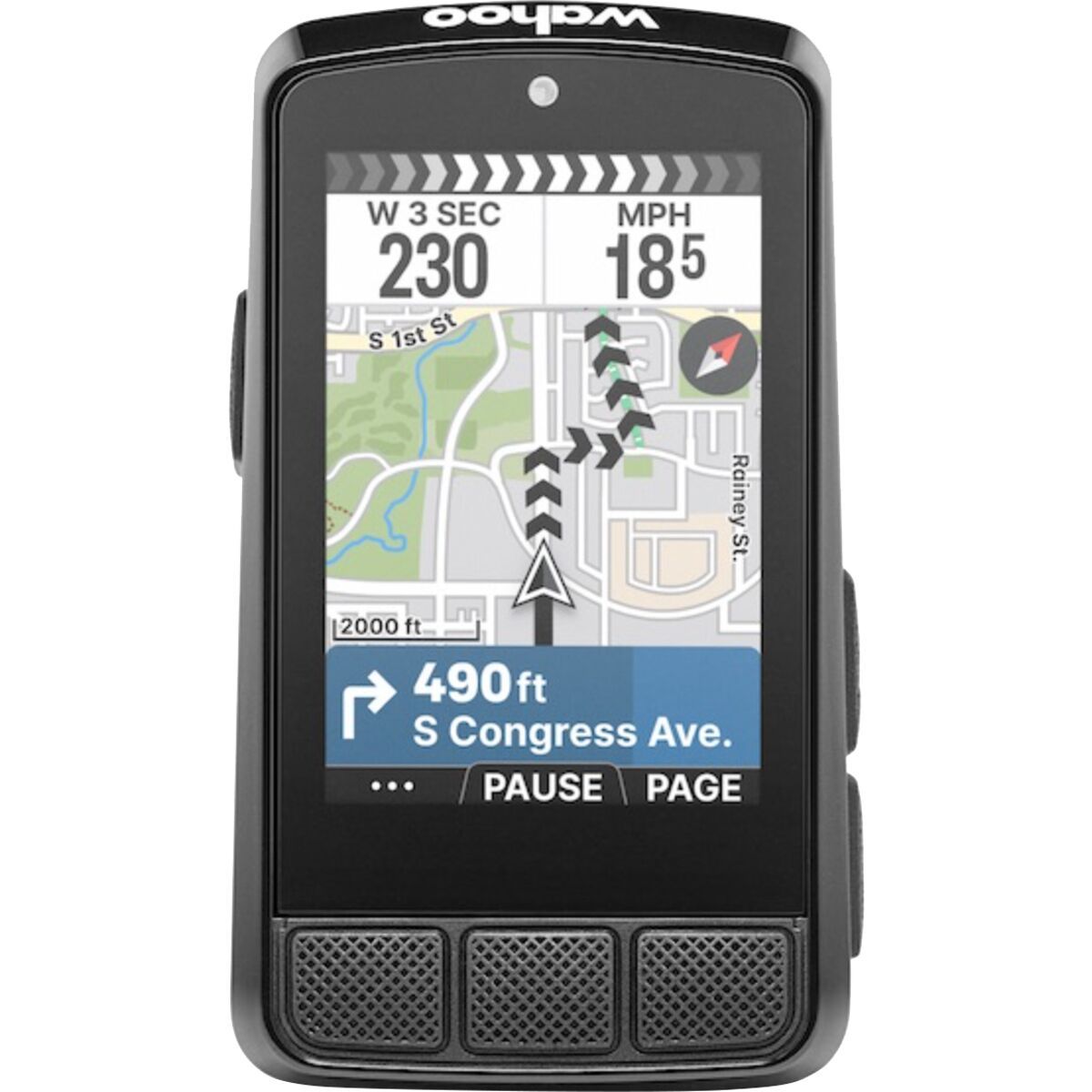
Wahoo ELEMNT BOLT 3
Track your rides with Wahoo's compact GPS — the bike computer we use daily.