Table of Contents
Tires are where your bike meets the road. They affect speed, comfort, grip, and confidence more than almost any other component—yet many cyclists ride on whatever came stock or grab whatever's on sale. The right tire choice, properly inflated, can transform your riding experience.
This guide covers everything from tire width trends to pressure optimization, tubeless conversions, and when to replace your rubber. Whether you're on smooth tarmac or rough gravel, you'll learn how to choose and maintain tires that match your riding.
The gear these numbers assume
Every pace, zone and power figure on this page assumes something is measuring it. These are the three that cover running, cycling and the threshold work in between.
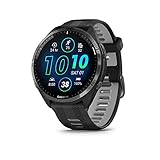 Garmin Forerunner 965
Multisport with the training-load and threshold metrics most of these calculations assume you can actually see day to day.
Check Backcountry → Check price on Amazon → COROS APEX 2 Series GPS Watch
Sapphire titanium and the longest battery in its class, which is the deciding feature once sessions run past a few hours.
Check Backcountry → Check price on Amazon → Favero Assioma Uno Power Meter Pedal
Single-sided pedal power, the cheapest honest way to start training with watts instead of estimating from heart rate.
Check Backcountry → Check price on Amazon →As an Amazon Associate we earn from qualifying purchases, at no extra cost to you. Prices change, so check before buying.
1. Why Tires Matter More Than You Think
The Tire's Multiple Jobs
Rolling Resistance
Tires absorb energy through deformation. Faster tires lose less energy, requiring less power to maintain speed. Can be worth 10-30 watts difference between tires.
Grip & Traction
Rubber compound, tread pattern, and contact patch determine how well you corner and brake. Critical for safety and confidence.
Comfort
Tires are part of your suspension. Width and pressure dramatically affect vibration absorption and rider fatigue.
Puncture Protection
Casing construction, breaker layers, and sealant determine whether debris ends your ride or becomes a non-event.
The Bigger Picture
Upgrading from entry-level to quality tires often provides more noticeable improvement than expensive wheel upgrades. A $100 tire upgrade can beat a $1000 wheel upgrade for real-world speed and feel. Start with tires.
2. Tire Width Selection
The Width Revolution
Cycling has moved from "narrower is faster" to "wider is often better." The old belief that 23mm tires at 120 psi were fastest has been disproven by real-world testing.
Why Wider Can Be Faster
- • Less vibration loss: Wider tires at lower pressure absorb bumps instead of bouncing, reducing energy loss to rider and bike
- • Better aerodynamics: Modern wide tires match wide rims for smooth airflow (tire slightly wider than rim)
- • Same rolling resistance: A wider tire at lower pressure has similar deformation as a narrow tire at high pressure
- • More grip: Larger contact patch provides better traction for cornering and braking
Width Recommendations by Riding Type
| Riding Type | Recommended Width | Notes |
|---|---|---|
| Road Racing | 25-28mm | Smooth roads, speed priority |
| Road Training | 28-32mm | Comfort + durability |
| Endurance/Gravel Light | 32-38mm | Mixed surfaces, all-day comfort |
| Gravel Racing | 38-42mm | Speed on rough surfaces |
| Adventure Gravel | 42-50mm | Rough terrain, load carrying |
Check Your Clearance
Before buying wider tires, ensure your frame, fork, and brakes have adequate clearance. Measure existing gap and add a minimum 3-4mm clearance on each side for safety and mud clearance. Rim brake bikes are often limited to 28mm; disc brake bikes typically accommodate wider tires.
3. Optimizing Tire Pressure
Finding Your Optimal Pressure
The right pressure balances rolling resistance, comfort, and grip. Too high and you bounce off bumps (wasting energy). Too low and the tire deforms excessively (also wasting energy) and risks pinch flats.
Factors Affecting Pressure
- • Rider weight: Heavier = higher pressure
- • Tire width: Wider = lower pressure
- • Road surface: Rougher = lower pressure
- • Tire type: Tubeless allows lower pressure
- • Rim width: Wider rims = lower pressure
- • Weight distribution: Rear gets ~10% more
Pressure Starting Points (Clincher/Tube)
| Rider Weight | 25mm | 28mm | 32mm | 38mm |
|---|---|---|---|---|
| 130 lbs (59 kg) | 80-85 psi | 70-75 psi | 55-60 psi | 40-45 psi |
| 160 lbs (73 kg) | 90-95 psi | 75-80 psi | 60-65 psi | 45-50 psi |
| 190 lbs (86 kg) | 95-100 psi | 80-90 psi | 65-75 psi | 50-55 psi |
| 220 lbs (100 kg) | 100-110 psi | 90-95 psi | 75-80 psi | 55-60 psi |
For tubeless, subtract 10-15 psi from these values.
The 15% Drop Test
A practical way to set pressure: the tire should deform (drop) about 15% of its height when loaded. Sit on your bike against a wall and have someone measure the tire height before and after loading.
Too hard - bouncing, harsh
Optimal zone
Too soft - sluggish, pinch flat risk
4. Tubeless vs. Clincher
Understanding Your Options
Clincher (with tube)
Traditional setup. Tire holds tube which holds air.
- ✓ Simple, familiar repairs
- ✓ Easy tire mounting
- ✓ Works with any rim/tire combo
- ✗ Higher pressure needed (pinch flat risk)
- ✗ Small punctures = immediate flat
Tubeless
No tube. Airtight rim + tire + sealant holds air.
- ✓ Lower pressure without pinch flats
- ✓ Sealant plugs small punctures
- ✓ Slightly lower rolling resistance
- ✗ More complex setup
- ✗ Requires maintenance (sealant dries)
Is Tubeless Worth It?
Tubeless Setup Tips
- • Use tubeless-ready (TR/TLR) rims and tires—don't improvise
- • Apply fresh rim tape if needed (must be airtight)
- • Use quality sealant—60-90ml per tire for road, more for gravel
- • A floor pump with a tank/compressor makes seating easier
- • Shake tires periodically to distribute sealant; top up every 3-6 months
- • Carry a tube + mini pump as backup for large punctures
5. Tire Compounds & Construction
Rubber Compounds
Tire rubber is rated by durometer (hardness) and compound type. The trade-offs are fundamental:
| Compound | Grip | Durability | Rolling Speed | Best For |
|---|---|---|---|---|
| Soft | Excellent | Poor | Medium | Racing, wet conditions |
| Medium | Good | Good | Good | All-around use |
| Hard | Moderate | Excellent | Fast | Training, commuting |
| Dual-compound | Good edges | Good center | Fast | Performance + durability |
TPI (Threads Per Inch)
TPI measures casing fineness. Higher TPI = thinner, more threads = suppler tire.
High TPI (120-320)
- • Smoother, more supple
- • Lower rolling resistance
- • Better grip (conforms to surface)
- • More puncture-prone
- • Higher price
Low TPI (60-90)
- • Stiffer, more robust
- • Better puncture protection
- • Heavier
- • Slightly higher rolling resistance
- • More affordable
Puncture Protection
Many tires include a puncture-resistant layer (breaker belt) under the tread:
- • None: Lightest, fastest, for racing on clean roads
- • Light: Thin layer, good balance of protection and speed
- • Heavy: Thick belt, commuter-grade protection, adds weight and stiffness
For tubeless, sealant provides puncture protection, so you can often use lighter tires without the heavy breaker layer.
6. Tire Maintenance & Replacement
When to Replace
Definite Replace
- • Casing threads visible through rubber
- • Flat center profile (originally rounded)
- • Cracked or dry-rotted sidewalls
- • Cuts exposing casing
- • Frequent punctures (worn thin)
Tire Lifespan
- • Racing tires: 1,500-2,500 miles
- • Performance tires: 2,500-4,000 miles
- • Training tires: 3,000-5,000 miles
- • Commuter tires: 4,000-6,000+ miles
Maintenance Tips
- 1. Check pressure before every ride: Tires lose 10-15 psi per week through normal permeation
- 2. Inspect for debris: Remove glass, thorns, and stones before they work through to tube/sealant
- 3. Rotate front to rear: Rear wears 2x faster; rotating extends total life
- 4. Store properly: Out of direct sunlight, moderate temperature, hung or standing (not flat under load)
- 5. Tubeless sealant: Check/top up every 3-6 months; replace annually
7. Frequently Asked Questions
What tire width should I use for road cycling?
Modern road bikes typically run 25-32mm tires. For racing on smooth roads, 25-28mm offers a good balance. For mixed surfaces or comfort, 28-32mm is popular. Wider tires at lower pressure often roll faster on real roads than narrow tires at high pressure due to reduced vibration losses. Check your frame and brake clearance before going wider.
How do I find the right tire pressure?
Optimal pressure depends on tire width, rider weight, and surface. A 160 lb rider on 28mm tires might use 70-80 psi. Use 15% of tire drop (sag) as a starting point. Too hard = harsh, bouncy, less grip. Too soft = sluggish, pinch flat risk. Experiment in 5 psi increments. Tubeless allows 10-15% lower pressure without pinch flat risk.
Should I switch to tubeless tires?
Tubeless offers several advantages: lower pressure without pinch flats, self-sealing small punctures, and slightly lower rolling resistance. Downsides include messier installation, occasional sealant maintenance, and potentially harder roadside repairs for large punctures. For most riders doing 3+ hour rides or rough roads, tubeless is worth it. For short rides on smooth roads, tubes work fine.
How often should I replace my tires?
Replace tires when the tread is worn flat (no rounded profile), you see the casing threads, sidewalls are cracked, or you're getting frequent flats. High-quality road tires last 2,000-5,000 miles depending on compound and conditions. Check tires monthly for wear and embedded debris. Front tires wear slower—you can rotate front to rear to extend life.
What's the difference between tire compounds?
Tire rubber compounds trade off grip, speed, and durability. Softer compounds grip better but wear faster—ideal for racing. Harder compounds last longer but grip less—better for training. Dual-compound tires use harder rubber in the center for durability and softer on edges for cornering grip. TPI (threads per inch) affects suppleness: higher TPI = smoother, faster, but less puncture resistant.
Related Articles
Related Calculators
Use our free calculators to optimize your cycling performance: