Table of Contents
Cycling is one of the most rewarding activities you can do, but sharing the road with vehicles requires knowledge, awareness, and the right equipment. The good news: most cycling accidents are preventable with proper technique and visibility.
This guide covers everything from essential safety gear to the techniques that keep experienced cyclists safe on every ride. Whether you're commuting, training, or riding for fun, these principles will help you arrive safely every time.
The gear these numbers assume
Every pace, zone and power figure on this page assumes something is measuring it. These are the three that cover running, cycling and the threshold work in between.
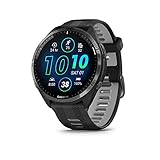 Garmin Forerunner 965
Multisport with the training-load and threshold metrics most of these calculations assume you can actually see day to day.
Check Backcountry → Check price on Amazon → COROS APEX 2 Series GPS Watch
Sapphire titanium and the longest battery in its class, which is the deciding feature once sessions run past a few hours.
Check Backcountry → Check price on Amazon → Favero Assioma Uno Power Meter Pedal
Single-sided pedal power, the cheapest honest way to start training with watts instead of estimating from heart rate.
Check Backcountry → Check price on Amazon →As an Amazon Associate we earn from qualifying purchases, at no extra cost to you. Prices change, so check before buying.
1. Essential Visibility Gear
The Visibility Hierarchy
Being seen is your first line of defense. Research shows that drivers simply don't expect cyclists, so you need to actively capture their attention. Here's what works best:
1. Lights (Most Effective)
Flashing lights grab attention better than anything else. Use them even in broad daylight. Studies show daytime running lights reduce accidents by 33%.
2. Fluorescent Clothing
Fluorescent yellow-green is the most visible color in peripheral vision. More effective than white or bright colors in daylight.
3. Reflective Elements
Essential at night but nearly useless in daylight. Most effective when placed on moving parts (ankles, wheels, pedals).
4. Road Position
The best gear won't help if you're in a driver's blind spot. Position yourself where you can be seen.
Bike Lights: What You Actually Need
Front Lights
| Use Case | Lumens |
|---|---|
| Daytime visibility | 100-300 |
| Urban night riding | 300-600 |
| Suburban roads | 600-1000 |
| Unlit roads/trails | 1000-1500+ |
Rear Lights
- • Minimum 50 lumens for visibility
- • Flash mode is more attention-grabbing
- • Wide angle visibility (180°) is ideal
- • Brake light feature is a nice bonus
- • Mount at seatpost height for visibility over cars
Pro Tip: Be Seen, Not Blinding
Aim front lights slightly downward to avoid blinding oncoming traffic. Many high-lumen lights have a "daylight flash" mode that's bright without being obnoxious. For rear lights, steady mode is better in fog (flash mode can disorient following drivers).
Clothing & Reflectives
Best Visibility Colors
- 1. Fluorescent yellow-green (best)
- 2. Fluorescent orange
- 3. Fluorescent pink
- 4. White (good, but not as visible)
- 5. Red (less visible than you'd think)
Reflective Placement
- • Ankles: Moving reflectives catch attention best
- • Shoes: Circular pedaling motion is distinctive
- • Wheels: Spoke reflectors or reflective tape
- • Vest: Large reflective surface area
2. Helmet Fit & Selection
Why Helmets Matter
Reduction in head injury risk
Reduction in severe head injury
Reduction in upper/mid face injury
A properly fitted helmet is the single most important piece of safety equipment. All helmets sold in the US must meet CPSC standards, so even budget helmets provide essential protection. The key is fit.
How to Fit a Helmet
Level Position
Helmet should sit level on your head, not tilted back. The front edge should be about two finger-widths above your eyebrows.
Snug Fit
The helmet should fit snugly without being tight. With straps unbuckled, shake your head—the helmet should move with your head, not separately.
Strap Adjustment
Side straps should form a "V" directly under each ear. Chin strap should allow one or two fingers between strap and chin.
The Open-Mouth Test
Open your mouth wide in a yawn. You should feel the helmet pull down on your head. If not, tighten the chin strap.
When to Replace Your Helmet
- • After any crash: Even if it looks fine, the foam may be compromised
- • Every 5 years: Materials degrade over time
- • Visible damage: Cracks, dents, or crushed foam
- • Poor fit: If pads have compressed and it no longer fits snugly
3. Road Positioning & Lane Control
The "Taking the Lane" Principle
Many cyclists ride too far right, which can actually be more dangerous. Taking a stronger lane position makes you more visible and prevents unsafe passing. Here's when and how to do it:
Take the Lane When:
- • Lane is too narrow to share safely
- • Approaching intersections
- • Passing parked cars (door zone)
- • Road hazards on the right
- • Preventing dangerous right hooks
- • Making left turns
Ride Right When:
- • Wide lane with clear right side
- • Bike lane present
- • Lower speed road with good sight lines
- • Moving with traffic flow
The Door Zone
Never ride within 4-5 feet of parked cars. A suddenly opened door can cause serious injury or throw you into traffic. It's called "getting doored" and it's one of the most common urban cycling accidents. Take the lane if necessary to stay clear.
Lane Position Zones
Legal note: In most jurisdictions, cyclists have the right to take the full lane when it's too narrow to share safely (typically under 14 feet). Check your local laws.
4. Navigating Intersections Safely
Where Most Accidents Happen
The majority of car-bike collisions occur at intersections. Understanding the common scenarios helps you avoid them.
The Right Hook
A car passes you then turns right across your path.
Prevention: Take the lane approaching intersections. Don't pass cars on the right near intersections. Watch for turn signals.
The Left Cross
Oncoming car turns left in front of you.
Prevention: Make eye contact with turning drivers. Use a headlight. Be ready to brake. Assume they don't see you.
The Drive-Out
Car pulls out from side street or driveway into your path.
Prevention: Slow down at driveways and side streets. Use lights and bright clothing. Don't ride on sidewalks (less visible).
Intersection Technique
Approaching
- • Scan behind before changing position
- • Move into appropriate lane early
- • Cover your brakes
- • Make eye contact with drivers
- • Don't assume green means safe
Through the Intersection
- • Maintain a straight, predictable line
- • Stay visible—don't hide behind vehicles
- • Watch for right-turning cars
- • Check cross traffic even on green
- • Keep pedaling (don't coast) to signal intent
5. Night Riding
Night Riding Checklist
Required
- ✓ Front light: White, at least 300 lumens for urban roads
- ✓ Rear light: Red, at least 50 lumens, visible from 500+ feet
- ✓ Reflectors: Wheels, pedals, front and rear
- ✓ Light-colored clothing: White or bright colors
Recommended
- ○ Helmet light: Follows your gaze, warns of your direction
- ○ Reflective vest: Large surface area, very visible
- ○ Ankle reflectors: Moving reflectives catch attention
- ○ Backup lights: Battery dies mid-ride is dangerous
Night Riding Technique
- 1. Ride slower: Your reaction time is the same, but you can see less far ahead. Reduce speed to match your vision distance.
- 2. Stick to familiar routes: You know where the potholes and hazards are. Night isn't the time to explore.
- 3. Choose well-lit roads: Street lighting supplements your bike lights and makes you more visible.
- 4. Be extra cautious at intersections: Drivers are worse at seeing cyclists at night. Assume invisibility.
- 5. Avoid impaired driver hours: Late night (10pm-2am) sees more impaired drivers on the road.
Light Modes: Flash vs. Steady
Flashing: More attention-grabbing, better for daylight and well-lit areas. Can make it harder for drivers to judge distance/speed.
Steady: Easier for drivers to track. Better in fog, rain, or complete darkness. Use for front light on unlit roads.
Best practice: Run multiple lights—one flashing, one steady.
6. Traffic Laws Every Cyclist Should Know
Universal Cycling Laws (Most Jurisdictions)
Ride With Traffic
Cyclists must ride in the same direction as traffic. Wrong-way cycling is illegal and extremely dangerous—drivers don't look for bikes coming from the "wrong" direction.
Obey Traffic Signals
Stop at red lights and stop signs. Cyclists have the same rights AND responsibilities as motor vehicles. Running reds is both illegal and creates animosity toward all cyclists.
Use Hand Signals
Signal left turns (left arm extended), right turns (right arm extended or left arm bent up), and stops (left arm bent down). Signal before the maneuver, not during.
Lights Required at Night
Most jurisdictions require a white front light and red rear reflector or light. Many specify minimum distances of visibility (typically 300-500 feet).
Know Your Local Laws
Cycling laws vary by state and city. Key differences include: helmet requirements (many only for minors), sidewalk riding (often prohibited in business districts), whether you can treat stop signs as yields (Idaho Stop), and e-bike classifications. Look up your jurisdiction's specific rules.
Your Rights on the Road
- • Full lane use: In most states, cyclists can take the full lane when it's too narrow to share safely
- • Road access: Bicycles are vehicles; you have the right to use most roads (except limited-access highways)
- • Safe passing laws: Many states require drivers to give 3+ feet when passing cyclists
- • Use of bike lanes: Usually optional, not mandatory (you can leave for hazards, left turns, etc.)
7. Avoiding Common Accident Types
Top 5 Crash Types & Prevention
1. Getting Doored (17% of urban crashes)
Parked car occupant opens door into your path.
Prevention: Ride at least 4-5 feet from parked cars. Scan for heads in driver seats. Watch for brake lights or exhaust. Take the lane if there's not enough room to pass safely.
2. Right Hook (20% of intersection crashes)
Car overtakes you then turns right, cutting you off.
Prevention: Take the lane at intersections. Don't pass on the right near intersections. Watch for turn signals. Cover your brakes.
3. Left Cross (25% of intersection crashes)
Oncoming car turns left in front of you.
Prevention: Make eye contact. Use front lights day and night. Slow at intersections where cars are waiting to turn. Assume they don't see you.
4. Drive-Out (Driveways & Side Streets)
Car pulls out from side road without seeing you.
Prevention: Don't ride on sidewalks (you're invisible). Use lights. Slow at driveways. Ride further left where you're more visible.
5. Rear-End (Less common but severe)
Car hits you from behind.
Prevention: Use bright rear lights. Wear reflectives. Don't ride at night on high-speed roads without shoulders. Take the lane rather than riding too far right where you're not expected.
Solo Crashes (Most Common Overall)
The majority of cycling injuries don't involve cars at all. They're falls from:
Road Hazards
- • Potholes and cracks
- • Wet metal (grates, tracks)
- • Gravel and debris
- • Wet leaves
Mechanical & Handling
- • Flat tires at speed
- • Clipless pedal fails
- • Hitting curbs
- • Overcooking corners
Prevention: Scan constantly for hazards. Slow before turns, not during. Practice clipless releases. Maintain your bike. Leave a larger margin in wet conditions.
8. Frequently Asked Questions
How many lumens do I need for bike lights?
For daytime visibility, 100+ lumens front and a bright rear flasher are sufficient. For urban night riding on lit streets, 300-500 lumens work well. For unlit roads or trails, you'll want 800-1500+ lumens to actually see where you're going. Rear lights should be at least 50 lumens with a flash mode for maximum visibility.
Should I wear a helmet for short rides?
Yes, always. Most cycling accidents happen close to home on familiar routes where riders are less vigilant. Head injuries can occur at any speed—even a fall from a standstill can be serious. Helmets reduce the risk of head injury by approximately 50% and severe head injury by 69%. There's no ride too short for a helmet.
Is it legal to ride a bike on the sidewalk?
Laws vary by jurisdiction. In most US cities, sidewalk cycling is prohibited for adults in business districts but may be allowed in residential areas. Check local ordinances. Generally, roads are safer than sidewalks for cyclists—you're more visible to turning vehicles and avoid pedestrian conflicts. If you must use sidewalks, ride slowly and yield to pedestrians.
How do I make drivers see me on the road?
Use multiple strategies: bright clothing (fluorescent yellow-green is most visible), front and rear lights even in daylight, reflective elements that move (ankle bands, wheel reflectors), and take the lane when necessary to be in drivers' sight lines. Avoid the door zone, make eye contact at intersections, and use clear hand signals. Being predictable is as important as being visible.
What should I do if a driver acts aggressively?
Don't engage or escalate. Stay calm, avoid eye contact, and let them pass. If threatened, move to a safe public area. Note the vehicle description and license plate if possible, and report dangerous behavior to police. A camera can document incidents. Remember: no ride is worth a confrontation. Prioritize getting home safely over being "right."
Related Articles
Paceline & Drafting
Group riding techniques and etiquette.
Descending Skills
Master downhill riding technique.
Running Gear Essentials
Complete gear guide for runners.
Best Bike Lights 2026
Top-rated front and rear lights researched.
Best Bike Locks 2026
U-locks, chains, and folding locks researched.
Related Calculators
Use our free calculators to optimize your cycling performance: