The Art of Riding Together
Group riding transforms cycling from a solo pursuit into a social sport. The efficiency of drafting, the camaraderie of shared miles, and the motivation of riding with others make group rides a cornerstone of cycling culture. But riding inches from other wheels requires skills, trust, and etiquette.
The unwritten rules of group riding exist for safety and efficiency. Break them, and you risk crashes, injuries, and a reputation that follows you in the cycling community. Master them, and you'll be welcomed on any ride.
The Social Contract
Group riding is a social contract: everyone shares the work, communicates hazards, and prioritizes group safety over individual performance. Follow the etiquette, and faster riders will welcome you. Ignore it, and even your fitness won't earn you invitations.
Paceline Fundamentals
Single Paceline
The simplest formation: single file, drafting close behind the rider ahead. The leader pulls for a set time or distance, then peels off and drops to the back. Used on narrow roads or when the group is small.
Double Paceline (Two-by-Two)
Two parallel lines. More social, allows conversation. When pulling off, the front pair splits - one goes left, one goes right - and drifts back. Rejoin at the back on the appropriate side.
Rotating Paceline (Echelon)
A continuous rotation: one line advances, one line retreats. The rider at the front peels off immediately after reaching the front. Creates a smooth, rotating circle. Most efficient but requires practice.
Paceline Golden Rules
- Maintain steady speed: No surging, no braking. Smooth is fast.
- Never overlap wheels: If the rider ahead swerves, overlapping wheels crash.
- Look through the rider ahead: Watch several riders up, not just one.
- Communicate everything: Hazards, slowing, turning - call it out.
- Don't half-wheel: Ride even with your partner, not half a wheel ahead.
Hand Signals & Verbal Calls
Essential Hand Signals
Point Down
Point at hazard (hole, debris, crack). The rider behind passes the signal back.
Wave Behind Back
Signals you're pulling off the front. Move in direction of wave.
Arm Out, Palm Down
Slowing down. May wave up and down for emphasis.
Arm Straight Out
Turning in that direction. Point where you're going.
Hand on Lower Back
I'm done pulling, please come through.
Pat on Hip/Back
Move around me on this side (indicating space for passing).
Verbal Calls
| Call | Meaning |
|---|---|
| "Car back!" | Vehicle approaching from behind - single up |
| "Car up!" | Vehicle approaching from ahead |
| "Hole!" / "Glass!" | Hazard ahead - specific warning |
| "Slowing!" | Group is reducing speed |
| "Stopping!" | Group is stopping - more urgent than slowing |
| "Clear!" / "Car!" | Intersection is clear / not clear |
| "On your left!" | Passing on your left side |
| "Last rider!" | Called at intersections - no more riders following |
Drafting Skills
Drafting - riding in another rider's slipstream - saves 20-30% of your energy. But it requires trust and skill. You're putting your safety in the hands of the rider ahead.
Building Drafting Skills
- 1. Start far back: Begin 2-3 bike lengths behind. Get comfortable with the wheel ahead.
- 2. Watch the rider, not the wheel: Focus on their shoulders and hips - you'll see movements earlier.
- 3. Gradually close the gap: Over time, move closer. Feel the drafting benefit increase.
- 4. Use your peripheral vision: Keep soft focus, aware of riders to the side.
- 5. Match their cadence: Similar cadence creates similar speed variations.
The Cardinal Sin: Overlapping Wheels
Never let your front wheel overlap the rear wheel of the rider ahead. If they move sideways suddenly, your wheels touch, and you crash. Stay directly behind or completely to the side - never in between.
Taking Your Pull
Pulling means riding at the front, breaking the wind for everyone behind. It's harder, but it's also your contribution to the group's momentum.
Pull Dos
- Maintain the same speed as the previous leader
- Take short, consistent pulls
- Signal clearly when you're done
- Pull at a sustainable effort
- Check for traffic before pulling off
Pull Don'ts
- Surge when reaching the front
- Pull until you're completely exhausted
- Slow down significantly when pulling off
- Skip your turn without communicating
- Attack off the front unexpectedly
When to Skip a Pull
It's okay to skip a pull if you're struggling. Move to the side, wave riders through, and say "I'm sitting out" or just shake your head. Better to skip than to pull so hard you can't hold the wheel afterward. No shame in knowing your limits.
Safety Rules
Obey Traffic Laws
Stop at stop signs and red lights. Yes, even in a group. Running lights gets cyclists killed and gives the community a bad reputation.
Single Up for Traffic
When cars need to pass, form a single line. Return to double paceline when clear. This is the law in many places and courtesy everywhere.
Don't Brake Suddenly
In a paceline, sudden braking causes pile-ups. Instead, soft-pedal, move to the side, or gradually slow. Call out warnings.
Hold Your Line
Ride predictably. No sudden swerving, no weaving. If you need to move around something, point and move gradually.
Hands Near Brakes
Don't ride on the tops in a paceline. Stay on hoods or drops where you can brake quickly. Reaction time saves crashes.
No Aero Bars in Groups
Aero bars put your hands away from brakes. In close group situations, this is dangerous. Save them for solo riding.
Types of Group Rides
No-Drop Ride
The group waits for all riders at designated regroup points. Nobody gets left behind. Best for beginners, mixed abilities, or social rides. Pace matches the slowest rider.
Drop Ride
If you can't hold the pace, you're on your own. These rides are for training, not socializing. Know the route in advance. Bring your phone and know how to get home.
Social Ride
Casual pace, conversation focused. Usually no-drop. May include coffee stops or food. Intensity stays low - it's about enjoying the company.
Training Ride
Higher intensity, structured workout. May include specific intervals or climbs. Expect competition. Usually drop-style. Come prepared to work hard.
Shop Ride
Organized by a bike shop, often weekly. Usually welcoming to new riders. Ask about the pace and culture before your first time.
Your First Group Ride
First-Timer Checklist
- Research the ride: Ask about pace, distance, drop policy
- Arrive 15 minutes early to introduce yourself
- Tell the ride leader you're new
- Start at the back of the group
- Keep a safe gap until you're comfortable
- Know the route in case you get dropped
Frequently Asked Questions
How close should I ride in a group?
In a paceline, experienced riders often draft within 1-2 feet of the wheel ahead. Beginners should start with 2-3 bike lengths and close the gap as skills improve. Never overlap wheels - if the rider ahead moves, you'll crash. Side-by-side, maintain about handlebar width distance.
What are the most important hand signals for group riding?
Essential signals: pointing at road hazards (holes, debris), waving behind back for pulling off, arm out for slowing/stopping, and indicating turns. Verbal calls like "car back," "hole," and "slowing" are equally important. Signal early and clearly - the riders behind you are depending on your communication.
How long should I pull at the front?
A good rule is to pull for 30 seconds to 2 minutes, depending on speed and conditions. Shorter pulls at higher speeds, longer pulls at moderate pace. The key is maintaining group speed - don't accelerate when you reach the front, and don't stay too long until you're exhausted.
What should I do if I can't hold the pace?
Communicate early - say "I'm struggling" or "go ahead." Drift to the back of the group and soft-pedal. If the gap becomes too big to close, let the group go rather than putting yourself in oxygen debt trying to bridge. Many groups have designated "no drop" rides for mixed abilities.
Is it okay to use aero bars in a group ride?
No - aero bars are generally prohibited in group rides. They position your hands away from brakes, reducing reaction time. In a close-drafting situation, this is dangerous for you and everyone around you. Save aero bars for solo rides, time trials, or triathlon-specific group rides.
Key Takeaways
- Communicate constantly - point, call, and signal everything
- Never overlap wheels - stay directly behind or completely to the side
- Be predictable - hold your line, no sudden movements
- Share the work - take your pulls at the front
- Build skills gradually - start at the back, close the gap over time
Related Articles
The gear these numbers assume
Every pace, zone and power figure on this page assumes something is measuring it. These are the three that cover running, cycling and the threshold work in between.
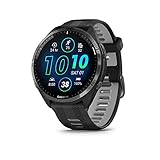 Garmin Forerunner 965
Multisport with the training-load and threshold metrics most of these calculations assume you can actually see day to day.
Check Backcountry → Check price on Amazon → COROS APEX 2 Series GPS Watch
Sapphire titanium and the longest battery in its class, which is the deciding feature once sessions run past a few hours.
Check Backcountry → Check price on Amazon → Favero Assioma Uno Power Meter Pedal
Single-sided pedal power, the cheapest honest way to start training with watts instead of estimating from heart rate.
Check Backcountry → Check price on Amazon →As an Amazon Associate we earn from qualifying purchases, at no extra cost to you. Prices change, so check before buying.
📊 Power Up Your Cycling
Use our free calculators to optimize performance: