Building Your Pain Cave
Indoor cycling has evolved from a necessary evil during bad weather to a training tool embraced year-round by serious cyclists. Modern smart trainers, immersive platforms like Zwift, and thoughtful setup design have made indoor training not just tolerable, but genuinely effective and even enjoyable.
Whether you're building your first indoor setup or optimizing an existing one, the right combination of trainer, cooling, entertainment, and comfort accessories makes the difference between dreading indoor sessions and looking forward to them.
Why Indoor Training Works
Indoor training offers unmatched workout quality: no traffic lights, no weather delays, precise power targets, and zero junk miles. One hour indoors often delivers more training stimulus than 90 minutes outdoors. Many pros now do significant portions of their training inside.
Types of Indoor Trainers
Direct-Drive Smart Trainers
Your bike mounts directly to the trainer (removing the rear wheel). Most accurate power measurement, quietest operation, and most realistic road feel. The gold standard for serious indoor training.
Wheel-On Smart Trainers
Your rear tire contacts a roller. Quick setup, lower cost than direct-drive. Some tire slip and wear. Good for those on a budget or who switch between bikes frequently.
Basic/Dumb Trainers
Simple resistance units without smart features. You control intensity through gearing. Can add power meter or speed sensor for data. Best for budget-conscious beginners.
Rollers
Both wheels spin on drums. Requires balance, develops smooth pedaling technique. More engaging than fixed trainers but needs practice. Some smart roller options available.
Smart Trainer Selection Guide
Key Specifications
| Spec | What It Means | What to Look For |
|---|---|---|
| Max Power | Maximum resistance the trainer can produce | 1800W+ for most cyclists; 2000W+ for strong riders |
| Power Accuracy | How close to real power the reading is | +/- 1-2% is excellent; +/- 3% is good |
| Max Gradient | Steepest simulated climb | 16-20% covers most scenarios |
| Flywheel Weight | Affects road feel and smoothness | Heavier = more realistic feel |
| Connectivity | How it connects to devices | ANT+ and Bluetooth for flexibility |
Trainer Tiers
Entry Level
$300-600
- Wheel-on smart trainers
- +/- 3-5% accuracy
- Good for Zwift/apps
- Louder operation
Mid-Range
$700-1000
- Direct-drive trainers
- +/- 2% accuracy
- Quiet operation
- Good road feel
Best value for most cyclists
Premium
$1000-1400+
- Top direct-drive trainers
- +/- 1% accuracy
- Best road feel
- Quietest operation
Essential Pain Cave Gear
The Must-Haves
- Trainer mat: Protects floor, dampens noise/vibration
- Big fan: Minimum 18" diameter; bigger is better
- Sweat towel: Protect bike/trainer from corrosive sweat
- Front wheel block: Levels the bike, adds stability
- Water bottles: Easy access; plan for high consumption
- Screen/device: TV, tablet, or laptop for apps
Nice-to-Have Upgrades
Comfort
- Rocker plate (simulates road movement)
- Trainer-specific saddle (more padding)
- Padded cycling shorts (indoor-specific)
- Heart rate monitor strap
Entertainment
- Large TV or monitor
- Bluetooth speaker system
- Tablet/phone mount
- Good lighting
Cooling Solutions: The Most Important Investment
Inadequate cooling is the #1 reason people hate indoor cycling. Without forward motion, you lose 80%+ of your normal cooling. Sweat pours, performance drops, and sessions become miserable. Invest heavily in cooling - it's more important than a fancy trainer.
The Fan Rule
Whatever fan you think you need, get a bigger one. A small desk fan is worthless. You need industrial-style airflow. Many cyclists use multiple fans: one front-facing, one from the side.
Fan Recommendations by Level
Minimum Viable: Large Pedestal Fan
18-20" oscillating fan. Works for easy rides. Struggles during hard efforts. Budget option: ~$50-80.
Recommended: High-Velocity Floor Fan
Industrial-style fan (Lasko, Patton). 20"+ diameter with 3+ speeds. Serious airflow for hard workouts. ~$80-150.
Optimal: Smart or Multiple Fans
Headwind-style smart fan that adjusts to heart rate/power. Or multiple industrial fans from different angles. ~$200-400.
Room Temperature Matters
Ideally train in a room at 60-68°F (15-20°C). Basements and garages work well in winter. In summer, consider AC or training in early morning. Open windows help, but fan airflow is still essential.
Training Apps & Platforms
| Platform | Best For | Price/Month |
|---|---|---|
| Zwift | Virtual worlds, racing, group rides, gamification | ~$15 |
| TrainerRoad | Structured training plans, adaptive workouts | ~$20 |
| Wahoo SYSTM | Cinematic workouts, structured plans, 4DP testing | ~$15 |
| Rouvy | Real-world route videos, augmented reality | ~$15 |
| IndieVelo | Free Zwift alternative, racing | Free |
| YouTube/Netflix | Entertainment during easy rides | Varies |
Space Planning
Minimum Space Requirements
- Width: 3 feet (0.9m) - handlebar width plus clearance
- Length: 7 feet (2.1m) - bike length plus fan clearance
- Height: Standard ceiling height works; ensure fan clearance
- Optimal: 4x8 feet gives comfortable room for accessories
Location Options
Garage
+ Space, noise isolation, natural cooling in winter
- Hot in summer, cold extremes, concrete floor
Basement
+ Temperature stable, noise isolation, often unused
- May be humid, limited ventilation
Spare Room
+ Climate controlled, convenient, comfortable
- Noise may bother others, uses living space
Living Area
+ Easy access, existing TV/entertainment
- Requires setup/teardown, sweat on furniture
Indoor Comfort Tips
Saddle Discomfort
Indoor cycling creates more saddle pressure due to fixed position. Consider: rocker plate for movement, standing intervals every 10-15 minutes, chamois cream, or indoor-specific padded shorts.
Hand/Wrist Pain
Static handlebar position stresses hands. Frequently change hand positions, consider padded bar tape or gloves, ensure proper bike fit, add aero bars for position variety.
Boredom
Structure workouts with intervals to stay engaged. Use Zwift/apps for distraction. Save favorite shows for trainer sessions. Join group rides for accountability.
Excessive Sweating
Normal indoors due to no airflow cooling. Use sweat towel draped over handlebars. Consider frame protection. Wipe down bike post-ride to prevent rust. Stay well hydrated.
Budget Setup Examples
Budget Setup: ~$400-600
- Basic/dumb trainer: $100-150
- Speed/cadence sensor: $40-60
- Trainer mat: $30-50
- Industrial fan: $80-100
- Front wheel block: $15-25
- Use existing tablet/phone for free apps
Mid-Range Setup: ~$1000-1500
- Direct-drive smart trainer: $700-900
- Trainer mat: $50
- High-velocity fan: $100-150
- Front wheel block/rocker: $30-100
- Tablet mount: $30
- Zwift subscription: $15/month
Premium Setup: ~$2500+
- Premium smart trainer (Wahoo Kickr, Tacx Neo): $1200-1400
- Rocker plate: $200-500
- Smart fan (Wahoo Headwind): $250
- Dedicated indoor bike: Optional
- Large TV/monitor: $300-500
- Multiple subscriptions
The gear these numbers assume
Every pace, zone and power figure on this page assumes something is measuring it. These are the three that cover running, cycling and the threshold work in between.
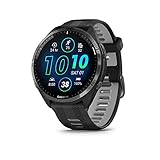 Garmin Forerunner 965
Multisport with the training-load and threshold metrics most of these calculations assume you can actually see day to day.
Check Backcountry → Check price on Amazon → COROS APEX 2 Series GPS Watch
Sapphire titanium and the longest battery in its class, which is the deciding feature once sessions run past a few hours.
Check Backcountry → Check price on Amazon → Favero Assioma Uno Power Meter Pedal
Single-sided pedal power, the cheapest honest way to start training with watts instead of estimating from heart rate.
Check Backcountry → Check price on Amazon →As an Amazon Associate we earn from qualifying purchases, at no extra cost to you. Prices change, so check before buying.
Frequently Asked Questions
What's the difference between a smart trainer and a basic trainer?
Smart trainers automatically adjust resistance based on virtual terrain or workout instructions, measure power accurately, and connect to apps like Zwift. Basic trainers provide constant resistance that you control manually through gearing. Smart trainers offer a more immersive, structured training experience but cost significantly more.
Do I need a dedicated indoor bike or can I use my road bike?
Most cyclists use their regular road bike on a trainer. This maintains consistent fit and feel between indoor and outdoor riding. Dedicated indoor bikes eliminate setup time and tire wear but require significant investment. If you ride indoors frequently (3+ times weekly), a dedicated setup saves hassle.
How important is a fan for indoor cycling?
Extremely important. Without forward motion, you lose the cooling airflow of outdoor riding. Indoor temperatures quickly become unbearable without adequate cooling. A large, powerful fan (or multiple fans) is essential for comfort, performance, and safety. Most riders underestimate their fan needs initially.
Is Zwift worth the subscription cost?
For most indoor cyclists, yes. Zwift provides motivation through virtual worlds, group rides, races, and structured workouts. The gamification makes indoor training more engaging. However, if you're disciplined and prefer simple workouts, free alternatives like TrainerRoad (structured) or just watching videos work fine.
How do I reduce indoor trainer noise?
Direct-drive trainers are much quieter than wheel-on trainers. Add a trainer mat to dampen vibration and protect floors. Ensure the trainer is level and stable. For apartments, ride during reasonable hours and consider adding anti-vibration pads under the mat. The bike drivetrain often creates more noise than the trainer itself.
Key Takeaways
- Invest in cooling first - a big fan matters more than a fancy trainer
- Direct-drive trainers offer the best experience - quieter, more accurate, better feel
- Entertainment keeps you engaged - Zwift, videos, or music combat boredom
- Protect your bike from sweat - it's corrosive; use towels and wipe down post-ride
- Indoor training is efficient - quality trumps quantity; structured hours count more
Related Articles
📊 Power Up Your Cycling
Use our free calculators to optimize performance: