Indoor training has evolved from a necessary evil to a powerful training tool. Modern smart trainers and apps like Zwift and TrainerRoad make structured workouts engaging and effective. Many of the world's best cyclists now do significant portions of their training indoors - not just during winter, but year-round.
Whether you're a time-crunched athlete looking for efficient workouts, a cyclist stuck inside during winter, or someone who wants the precision of controlled training, indoor workouts deliver results. This guide covers workout types, sample sessions, platform comparisons, and tips to make your indoor training as effective as possible.
The Efficiency Factor
A focused 60-minute indoor session often produces more training stress than a 90-minute outdoor ride. With no coasting, traffic stops, or easy descents, every minute counts. Indoor training is the most time-efficient way to build cycling fitness.
Why Indoor Training Works
Training Advantages
- • Hit exact power targets every interval
- • No interruptions from traffic or terrain
- • Consistent conditions for tracking progress
- • Complete workouts regardless of weather
- • Perfect for structured interval training
Practical Advantages
- • Train any time - early morning, late night
- • No bike prep, lights, or extra clothing
- • Safer than riding in traffic or darkness
- • Watch TV, listen to podcasts while riding
- • More time-efficient (less total time)
Indoor Workout Categories
Endurance / Zone 2
Low-intensity aerobic base building. 55-75% of FTP for extended periods.
Duration: 60-120 minutes
Feel: Conversational, very sustainable
Best for: Base building, recovery weeks, long indoor rides
Sweet Spot
High aerobic training at 88-93% of FTP. Maximum adaptation with manageable fatigue.
Duration: 10-30 minute intervals, 45-90 min total workout
Feel: Comfortably hard, sustainable but challenging
Best for: Building FTP, time-efficient training
Threshold
Sustained efforts at 95-105% of FTP. Directly improves your 1-hour power.
Duration: 8-20 minute intervals
Feel: Hard, requires concentration
Best for: FTP improvement, time trial preparation
VO2max
Hard intervals at 106-120% of FTP. Expands your aerobic ceiling.
Duration: 3-8 minute intervals with equal or greater rest
Feel: Very hard, breathing heavily
Best for: Raising VO2max, racing fitness
Anaerobic / Over-Unders
Short bursts above threshold alternating with recovery. Builds tolerance to surges.
Duration: 30 sec - 3 min hard efforts
Feel: Painful during efforts, incomplete recovery
Best for: Race simulation, attack preparation
Sample Indoor Workouts
Sweet Spot Special (60 min)
Warm-up: 10 min easy spinning, building to 75% FTP
Main Set: 3 x 12 min at 88-92% FTP, 4 min recovery between
Cool-down: 10 min easy spinning
Total Work Time: 36 min at Sweet Spot
Threshold Builders (75 min)
Warm-up: 15 min building from 50% to 85% FTP
Main Set: 2 x 20 min at 95-100% FTP, 8 min recovery between
Cool-down: 12 min easy spinning
Total Work Time: 40 min at Threshold
VO2max Intervals (60 min)
Warm-up: 15 min including 2 x 30 sec hard efforts
Main Set: 5 x 4 min at 110-115% FTP, 4 min recovery between
Cool-down: 10 min very easy spinning
Total Work Time: 20 min at VO2max
Over-Unders (60 min)
Warm-up: 12 min building to 80% FTP
Main Set: 3 x 9 min blocks (2 min at 95%, 1 min at 110%, repeat 3x), 5 min recovery
Cool-down: 10 min easy spinning
Teaches lactate tolerance and recovery under pressure
Endurance Ride (90 min)
Main Set: 90 min at 60-70% FTP
Optional: Add 4-6 x 30 sec accelerations mid-ride to break monotony
Use entertainment (TV, movies) to pass the time
ERG Mode vs Resistance Mode
ERG Mode
Trainer automatically adjusts resistance to maintain target power regardless of cadence.
Pros: Perfect for hitting exact targets, no thinking required
Cons: Can lag on short intervals, less control over power
Best for: Sweet spot, threshold, longer intervals
Resistance/Level Mode
Fixed resistance - you control power through cadence and gearing like outdoors.
Pros: Instant response, feels more natural, develops pacing skill
Cons: Requires attention to maintain power
Best for: Short intervals, VO2max work, race simulation
The "Spiral of Death"
In ERG mode, if your cadence drops during a hard interval, resistance increases, which makes cadence drop further, creating a negative spiral. Prevent this by maintaining cadence, or switch to a lower gear before it happens. If stuck, briefly stop pedaling to reset the system.
Training Platform Comparison
Zwift
Virtual world with group rides, races, and structured workouts. Highly engaging.
Best for: Social motivation, group rides, racing, entertainment
Cost: ~$15/month
TrainerRoad
Focused on structured training with adaptive plans. No-frills, results-oriented.
Best for: Serious training, structured plans, FTP improvement
Cost: ~$20/month
Wahoo SYSTM
Training videos with integrated workouts. Good entertainment value.
Best for: Video content lovers, structured but engaging sessions
Cost: ~$15/month
Rouvy / RGT
Augmented reality with real road video. Ride famous routes virtually.
Best for: Realistic outdoor simulation, route preview
Cost: ~$10-15/month
Free Options
YouTube workouts, basic trainer apps, or just ride while watching TV.
Best for: Budget-conscious, simple training needs
Optimizing Your Training Environment
Cooling (Critical)
Without wind from moving forward, you generate massive heat that can't dissipate. Inadequate cooling is the #1 reason indoor sessions feel harder.
- • Use a powerful fan - industrial/shop fans are ideal
- • Multiple fans from different angles work best
- • Open windows even in winter
- • Air conditioning if available
- • Wear minimal clothing
Other Setup Tips
- Sweat protection: Towel on bars, mat under trainer, sweat guard on headtube
- Entertainment: Large screen or tablet, good speakers
- Nutrition: Bottles in easy reach, gels/snacks for longer sessions
- Noise: Trainer mat reduces vibration, rocker plates add movement
- Comfort: Good chamois cream, comfortable position
Frequently Asked Questions
How long should indoor trainer workouts be?
Most effective indoor workouts are 45-90 minutes. Indoor training is more intense than outdoor riding - there's no coasting, stopping, or easy sections. A focused 60-minute indoor session often equals 90+ minutes outdoors. For longer endurance work, break it into blocks or use Zwift group rides to stay engaged.
Should I use ERG mode for interval training?
ERG mode works great for steady-state intervals and sweet spot work. However, for VO2max intervals and short hard efforts, many coaches recommend disabling ERG. The automatic resistance adjustment in ERG mode can lag behind your effort, and you lose the skill of controlling your own power output. Try both and see what works for you.
Is Zwift or TrainerRoad better for training?
TrainerRoad excels at structured, no-frills training with adaptive plans. Zwift offers more entertainment and social features with group rides and races. Many serious cyclists use TrainerRoad for structured workouts and Zwift for endurance rides and social motivation. Both produce excellent fitness gains when used consistently.
How do I stay cool during indoor training?
Cooling is critical for indoor performance. Use a powerful fan (or multiple fans) aimed directly at you - a small desk fan isn't enough. Open windows, use air conditioning if available, and consider a dedicated training space. Without adequate cooling, your power output can drop 10-20% and RPE increases significantly.
Can I build the same fitness indoors as outdoors?
Yes, and for some metrics, indoor training is more effective. You can hit precise power targets, complete structured intervals without interruption, and train regardless of weather. Many pros do significant indoor training. The main things you miss are bike handling skills and dealing with outdoor variables like wind and terrain.
Related Articles
📊 Power Up Your Cycling
Use our free calculators to optimize performance:
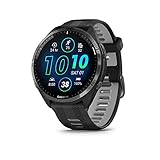 Garmin Forerunner 965
 COROS APEX 2 Series GPS Watch
 Favero Assioma Uno Power Meter Pedal