Proper nutrition can make or break a long ride. While fitness determines your potential, fueling determines how much of that potential you can access. Even the fittest cyclist will bonk if they don't eat enough, while smart nutrition can help an average rider outperform expectations.
Modern sports nutrition science has revolutionized how we think about on-bike fueling. Research now shows that trained athletes can absorb far more carbohydrates than previously believed—up to 90-120 grams per hour using the right combinations. This guide covers everything from basic principles to advanced race-day strategies.
Key insight: Your gut is trainable. Athletes who regularly practice high-carbohydrate intake during training can tolerate and absorb more during races. Start training your gut now for peak performance when it matters.
Understanding Energy Systems
Your body uses different fuel sources depending on exercise intensity. Understanding this helps you optimize your nutrition strategy.
Glycogen (Stored Carbs)
- • Stored in muscles and liver
- • Capacity: ~400-500g (1600-2000 calories)
- • Primary fuel at higher intensities
- • Depletes in 90-120 minutes of hard riding
- • Must be replenished during long rides
Fat (Stored Energy)
- • Nearly unlimited supply (even lean athletes)
- • Primary fuel at lower intensities
- • Requires more oxygen to burn
- • Can't fuel high-intensity efforts alone
- • Fat adaptation helps spare glycogen
Fuel Usage by Intensity
- Zone 1-2 (Easy): ~60-70% fat, 30-40% carbs. Can ride for hours with minimal carb intake.
- Zone 3 (Tempo): ~50% fat, 50% carbs. Glycogen use increases significantly.
- Zone 4-5 (Threshold+): ~20-30% fat, 70-80% carbs. High glycogen demand, bonk risk increases.
- Sprints/VO2max: Nearly 100% carbs. Can only sustain for short periods.
Why Bonking Happens
When glycogen runs low and blood sugar drops, your brain limits muscle output to protect itself. The result: sudden fatigue, confusion, shaking, and inability to maintain intensity. Prevention is always better than cure—once you bonk, the ride is essentially over.
Carbohydrate Requirements
Carbohydrate intake recommendations have increased significantly based on modern research. The gut can be trained to absorb more than previously thought, especially when using multiple carbohydrate sources.
Carbs Per Hour Guidelines
| Ride Duration | Intensity | Carbs/Hour |
|---|---|---|
| <60 minutes | Any | 0-30g (water only is fine) |
| 60-90 minutes | Moderate-Hard | 30-60g |
| 90-180 minutes | Endurance | 60-90g |
| 3+ hours | Race/Hard | 90-120g (trained gut) |
Multiple Transportable Carbohydrates
To absorb more than 60g/hour, you need a combination of glucose and fructose. These use different intestinal transporters, allowing higher total absorption. The optimal ratio is approximately 2:1 glucose to fructose (or 1:0.8 for highest absorption rates).
High-Absorption Carb Sources
- Maltodextrin + Fructose: Most efficient, used in sports drinks
- Glucose + Fructose gels: Convenient, fast-absorbing
- Rice syrup/honey: Natural options with mixed sugars
- Commercial drink mixes: Pre-formulated ratios (Maurten, SiS, Skratch)
Fueling Timing Strategy
When you eat matters as much as what you eat. Strategic timing prevents energy crashes and maintains consistent power output throughout your ride.
Fueling Timeline
Pre-Ride (2-3 hours before)
Eat a carb-rich meal (2-4g carbs/kg body weight). Allow time for digestion.
First 30-45 minutes
Begin fueling early, even if not hungry. Don't wait for hunger cues.
Every 20-30 minutes
Take consistent small feeds rather than large infrequent ones. Set timer reminders.
Before climbs/hard efforts
Top up fuel before intense sections when digestion is easier.
Post-Ride (within 30 min)
Recovery nutrition: 1-1.2g carbs/kg + 0.3g protein/kg for glycogen replenishment.
Golden Rule: Eat Before You're Hungry
Hunger signals during exercise lag behind actual need. By the time you feel hungry, you're already behind on fueling. Set phone/watch alarms every 20-30 minutes as reminders to eat and drink.
Hydration Strategy
Dehydration impairs performance before you feel thirsty. Just 2% body weight loss from sweat can reduce power output by 10-20%. Proper hydration maintains blood volume, cooling efficiency, and cognitive function.
Hydration Guidelines
Baseline Intake
500-750ml (16-24oz) per hour in moderate conditions. Sip regularly rather than gulping large amounts.
Hot Conditions
750ml-1L+ per hour. May need to slow down to allow drinking. Pre-cool with ice.
Cold Conditions
Still need 400-600ml per hour. Thirst is suppressed in cold but you still sweat.
Sweat Test
Weigh before/after rides to calculate actual sweat rate. 1kg lost = 1L of fluid needed.
Electrolyte Replacement
Sweat contains electrolytes, primarily sodium (500-2000mg/L of sweat). Replacing sodium is critical for rides over 2 hours, hot conditions, or heavy sweaters.
Sodium Needs
- Light sweater: 300-500mg sodium per hour
- Average sweater: 500-800mg sodium per hour
- Heavy/salty sweater: 800-1500mg+ sodium per hour
Signs of high sodium loss: white salt stains on clothing, salty taste on skin, cramping tendency.
Recommended Hydration Products
LMNT Electrolyte Mix
1000mg sodium, zero sugar. Great for adding to plain water with separate carb source.
View Product →Skratch Labs Sport Hydration
Balanced electrolytes + 20g carbs. Natural flavors, easy on the stomach.
View Product →Nutrition Products Comparison
Different products suit different situations. Build your nutrition toolkit with options for various intensities and preferences.
Energy Gels
Best for: High-intensity efforts, races, convenience. Quick energy without chewing.
Maurten Gel 100
25g carbs, hydrogel technology for easy digestion. Used by elite pros.
View Product →Energy Bars
Best for: Endurance rides, lower intensity, more satiety. Require chewing, best eaten on flat/easy sections.
Drink Mixes
Best for: Continuous fueling without eating, high carb rates, combined hydration + fuel.
Maurten Drink Mix 320
80g carbs per 500ml. Hydrogel tech, used by world record holders.
View Product →Tailwind Endurance Fuel
25g carbs + electrolytes per scoop. All-in-one, no GI issues.
View Product →Real Food Options
Great for long endurance rides when intensity is lower:
- Rice cakes: Easy to make, customizable, easy to digest
- Bananas: 25-30g carbs, potassium, natural sugars
- PB&J sandwich: Carbs + some protein/fat, satisfying
- Fig bars: Natural, 20-25g carbs per bar
- Dates: High energy density, natural sugars
- Stroopwafels: 20g carbs, delicious, fit in jersey pocket
Training Your Gut
Your gut adapts to training just like your muscles. Athletes who regularly practice high-carbohydrate intake can absorb significantly more during races. This requires progressive overload of your digestive system.
Gut Training Protocol
- 1 Start conservative: Begin with 40-50g carbs/hour on training rides
- 2 Increase gradually: Add 10g/hour every 1-2 weeks as tolerated
- 3 Practice race products: Test your race day nutrition in training
- 4 Train at race intensity: Gut function changes with intensity—practice at target pace
- 5 Use 2:1 ratio: Practice with glucose:fructose for high absorption
Expect Some Discomfort
Mild bloating or discomfort is normal when increasing carb intake. Back off slightly if symptoms are significant, then try again more gradually. Most athletes can reach 80-90g/hour with consistent practice over 4-8 weeks.
Race Day Fueling Strategy
Race day nutrition should be familiar—nothing new on race day. Your fueling plan should be tested and refined during training.
Sample Race Day Timeline
Night Before
Carb-rich dinner (pasta, rice, potatoes). Avoid high fiber, fatty, or unfamiliar foods.
3 Hours Before Start
Pre-race meal: 2-3g carbs/kg body weight. Toast with jam, oatmeal, banana. Easy to digest.
1 Hour Before
Top up with gel or sports drink (20-30g carbs). Sip water.
10 Minutes Before
Optional: caffeine gel if used in training. Last-minute hydration.
During Race
60-90g carbs/hour (up to 120g if trained). Every 20-30 minutes. Set watch reminders.
Race Nutrition Math Example
Scenario: 4-hour race, targeting 90g carbs/hour
Total carbs needed: 360g
Sample plan:
- • 2 bottles Maurten 320 = 160g (drink over hours 1-2 and 2-3)
- • 6 gels × 25g = 150g (one every 40 min)
- • 2 bottles with 25g drink mix = 50g (hours 3-4)
- • Total: 360g carbs
Troubleshooting Common Issues
GI Distress / Nausea
- • Reduce concentration of drink mixes
- • Switch to glucose:fructose ratio products
- • Eat more frequently in smaller amounts
- • Avoid high-fat, high-fiber, high-protein during rides
- • Train your gut progressively
Cramping
- • Increase sodium intake (especially if you're a salty sweater)
- • Don't overhydrate with plain water
- • Address pacing—cramping often means you went too hard
- • Consider magnesium supplementation (consult physician)
Bonking Despite Eating
- • Start fueling earlier (within first 30-45 min)
- • Check that you're actually consuming enough (track it)
- • Ensure adequate pre-ride nutrition
- • Consider if pace is sustainable for your fitness
Frequently Asked Questions
How many carbs per hour should I eat while cycling?
For rides over 90 minutes, aim for 60-90g of carbohydrates per hour. For intense efforts or races lasting 3+ hours, trained athletes can absorb up to 90-120g/hour using multiple transportable carbohydrates (glucose + fructose). Start with 60g/hour and increase gradually to train your gut.
When should I start eating on a bike ride?
Start fueling early—within the first 30-45 minutes of rides lasting over 90 minutes. Early fueling prevents glycogen depletion and maintains steady energy levels. Don't wait until you feel hungry, as this often means you're already behind on nutrition.
What causes bonking in cycling?
Bonking (hitting the wall) occurs when your body depletes its glycogen stores and can't produce energy fast enough. It's caused by insufficient carbohydrate intake, starting with low glycogen, riding too hard too early, or poor pacing. Prevention requires proper pre-ride nutrition and consistent fueling during the ride.
Are gels or real food better for cycling?
Both work well depending on intensity. Gels are easier to digest at high intensities and provide rapid energy. Real food (bars, sandwiches, fruit) works great for endurance rides at lower intensities when digestion is easier. Many cyclists use a combination—gels for hard efforts, real food for easier sections.
How much water should I drink per hour cycling?
A general guideline is 500-750ml (16-24oz) per hour, but needs vary based on temperature, humidity, intensity, and individual sweat rates. In hot conditions, you may need 1L+ per hour. Weigh yourself before and after rides to determine your actual sweat rate and adjust accordingly.
Fuel Your Performance
Proper on-bike nutrition is a skill that requires practice, just like pedaling efficiently or climbing well. The difference between bonking and finishing strong often comes down to whether you fueled correctly.
Start with the basics: eat early, eat often, and drink enough. Then refine your approach based on what works for your gut and your goals. Train your nutrition just like you train your legs.
Remember: nothing new on race day. Every product, every timing strategy, every hydration approach should be tested and refined in training. Your best performance awaits when fitness and fueling align.
Related Articles
📊 Plan Your Performance
Use our free calculators to optimize your race day:
Featured at Backcountry — 15% off first order
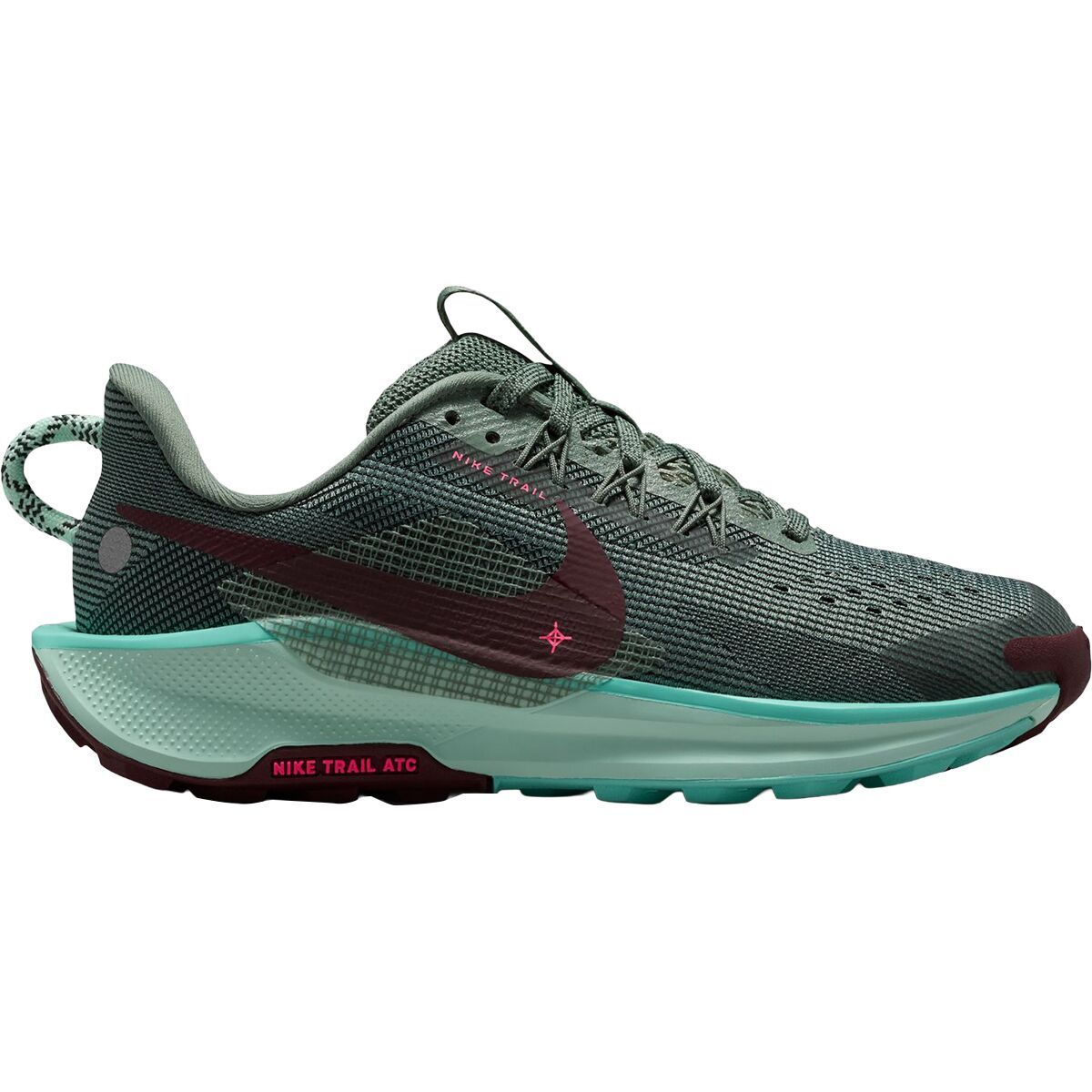
Nike Pegasus Trail 5
Good nutrition + good shoes = longer training sessions. Our pick for mixed-surface running.