Proper hydration can make or break your performance. Yet despite decades of research, most athletes still get it wrong—either drinking too little, too much, or ignoring electrolytes entirely. This comprehensive guide cuts through the confusion with evidence-based strategies to optimize your fluid and electrolyte intake for training and racing.
How Much to Drink: Quick Reference
| When | How Much | Key Detail |
|---|---|---|
| 4 hours before | 5-7 ml per kg body weight (350-500 ml for a 70 kg athlete) | Include sodium; aim for pale yellow urine |
| 2 hours before | 3-5 ml per kg more if urine is still dark | Last large intake; allows time for gastric emptying |
| 15-30 min before | 100-200 ml in small sips | Avoid large volumes close to the start |
| During exercise | 150-250 ml every 15-20 minutes | Target 60-80% of your sweat rate (typically 400-1500 ml per hour) |
| After exercise | 1.5 L per kg of body weight lost, over 2-4 hours | Include about 1.5 g sodium per liter to aid retention |
These are evidence-based starting points. Your exact numbers depend on your individual sweat rate: run a simple sweat test with our free sweat rate calculator and the sections below show how to personalize every line of this table.
Key Insight
Just 2% dehydration impairs endurance performance by 10-20%, while overhydration causes dangerous hyponatremia. The goal isn't maximum hydration—it's optimal hydration tailored to your individual sweat rate and sodium losses.
The Science of Hydration
Water comprises 60-70% of body weight and plays critical roles in temperature regulation, nutrient transport, and metabolic function. During exercise, maintaining fluid balance becomes even more important as the body produces heat and loses water through sweat.
Why Hydration Affects Performance
Dehydration impacts performance through multiple mechanisms:
- Reduced blood volume: Less fluid means lower blood volume, forcing the heart to work harder to deliver oxygen
- Impaired thermoregulation: Sweating is the primary cooling mechanism; reduced fluid impairs this process
- Decreased cognitive function: Even mild dehydration affects decision-making and perceived exertion
- Increased glycogen use: Dehydrated muscles burn carbohydrate faster, accelerating fatigue
- Reduced muscle function: Fluid loss affects muscle contractile properties
The Dehydration Threshold
Research consistently shows that performance begins to decline when body weight loss from sweating exceeds 2-3%. For a 70kg athlete, this represents just 1.4-2.1 liters of fluid loss—easily achieved in an hour of intense exercise in hot conditions.
| Dehydration Level | Weight Loss | Performance Impact |
|---|---|---|
| Minimal | 1-2% | Increased thirst, minor performance decline |
| Moderate | 2-4% | 10-20% endurance reduction, elevated heart rate |
| Significant | 4-6% | 25-35% performance loss, impaired thermoregulation |
| Severe | >6% | Dangerous—risk of heat illness, collapse |
Calculating Your Sweat Rate
Individual sweat rates vary enormously—from 0.5 to 3+ liters per hour—making personalized hydration essential. Knowing your sweat rate allows you to plan fluid intake precisely.
The Sweat Test Protocol
Step-by-Step Sweat Rate Calculation
- Pre-exercise: Urinate, then weigh yourself nude. Record weight in kg.
- Exercise: Complete 60 minutes at race intensity in race-like conditions.
- Track fluids: Record all fluid consumed during exercise (in ml).
- Post-exercise: Towel off sweat, weigh yourself nude immediately.
- Calculate: (Pre-weight - Post-weight) × 1000 + Fluid consumed = Hourly sweat rate
Example Calculation
- Pre-exercise weight: 70.0 kg
- Post-exercise weight: 68.5 kg
- Fluid consumed: 500 ml
- Calculation: (70.0 - 68.5) × 1000 + 500 = 1500 + 500 = 2000 ml/hour
Factors Affecting Sweat Rate
- Temperature and humidity: Hot, humid conditions dramatically increase sweating
- Exercise intensity: Higher intensities produce more heat and sweat
- Fitness level: Fitter athletes begin sweating earlier and sweat more
- Acclimatization: Heat-acclimatized athletes have higher sweat rates
- Body size: Larger athletes typically sweat more in absolute terms
- Genetics: Individual variation in sweat gland density and function
Important: Conduct sweat tests in multiple conditions (cool, warm, hot) and at different intensities to build a complete picture. Your sweat rate in a 60°F morning run may be very different from an 85°F afternoon race.
Understanding Electrolytes
Electrolytes are minerals that carry electrical charges and are essential for muscle function, nerve signaling, and fluid balance. During exercise, you lose electrolytes through sweat—primarily sodium, but also chloride, potassium, magnesium, and calcium.
The Key Electrolytes
Sodium (Na+)
The most critical electrolyte for athletes. Regulates fluid balance, nerve function, and muscle contraction. Lost in highest concentration through sweat.
Sweat loss: 200-2000 mg/L
Potassium (K+)
Essential for muscle contraction and heart function. Lost in smaller amounts than sodium but still important for prolonged exercise.
Sweat loss: 150-300 mg/L
Magnesium (Mg2+)
Involved in energy production, muscle relaxation, and protein synthesis. Deficiency can cause cramping and fatigue.
Sweat loss: 10-25 mg/L
Calcium (Ca2+)
Critical for muscle contraction, bone health, and nerve signaling. Lost in modest amounts through sweat.
Sweat loss: 15-70 mg/L
Signs of Electrolyte Imbalance
Low electrolyte levels can cause:
- Muscle cramps and spasms
- Fatigue and weakness
- Dizziness and confusion
- Nausea and vomiting
- Irregular heartbeat
- Headaches
Sodium Strategies for Athletes
Sodium deserves special attention because it's lost in the highest concentration through sweat and plays the most critical role in fluid balance during exercise.
Are You a Salty Sweater?
Sweat sodium concentration varies dramatically between individuals—from 200 to 2000+ mg per liter. "Salty sweaters" lose significantly more sodium and need more aggressive replacement strategies.
Signs You're a Salty Sweater
- White salt stains on dark clothing after exercise
- Stinging eyes from sweat during exercise
- Salty taste when sweat enters your mouth
- Post-exercise cramping despite adequate hydration
- Strong cravings for salty foods after training
- Performance decline in hot conditions despite good hydration
Sodium Loading Protocol
Pre-loading sodium before hot or long events can increase plasma volume and improve performance. This strategy is particularly valuable for salty sweaters.
24-Hour Sodium Loading Protocol
- Day before event: Consume 1500-3000 mg extra sodium
- Spread across meals and drinks throughout the day
- Increase fluid intake proportionally (drink to thirst)
- Salt tablets or high-sodium drinks work equally well
- Stop loading 3-4 hours before bedtime to avoid sleep disruption
Sodium Intake Guidelines During Exercise
| Event Duration | Average Sweater | Salty Sweater |
|---|---|---|
| <1 hour | Water usually sufficient | 200-400 mg sodium optional |
| 1-2 hours | 300-600 mg/hour | 600-1000 mg/hour |
| 2-4 hours | 500-800 mg/hour | 800-1200 mg/hour |
| 4+ hours | 600-1000 mg/hour | 1000-1500 mg/hour |
Hydration Timing Strategies
When you drink matters almost as much as what you drink. Proper timing ensures optimal absorption and prevents the discomfort of exercising with a full stomach.
Pre-Exercise Hydration
4 Hours Before
Drink 5-7 ml per kg body weight (350-500 ml for 70kg athlete). Include some sodium to enhance retention. Check urine color—aim for pale yellow.
2 Hours Before
If urine is still dark, drink 3-5 ml per kg additional fluid. Use this as your final large intake—allow time for gastric emptying.
15-30 Minutes Before
Small sips only (100-200 ml) if desired. Avoid drinking large amounts close to start—this can cause stomach discomfort.
During Exercise Hydration
The goal during exercise is to replace 60-80% of sweat losses—not 100%. Complete replacement isn't practical or necessary for most events.
During Exercise Guidelines
- Drink regularly in small amounts (150-250 ml every 15-20 minutes)
- Don't wait until thirsty—by then you're already somewhat dehydrated
- Set watch alerts as reminders during races
- Practice drinking at race pace during training
- Adjust for conditions—drink more in heat
Post-Exercise Rehydration
After exercise, complete rehydration is essential for recovery. Research shows you need to drink 150% of fluid lost to fully restore fluid balance due to ongoing urine losses.
- Calculate losses: Weigh yourself before and after to determine fluid deficit
- Replace 150%: For every 1 kg lost, drink 1.5 L over 2-4 hours
- Include sodium: 1.5g sodium per liter of replacement fluid optimizes retention
- Eat salty foods: Meals naturally provide sodium to aid rehydration
- Monitor recovery: Pale yellow urine indicates adequate rehydration
Race Day Hydration Execution
Race day hydration requires careful planning and practiced execution. Nothing new on race day—your hydration strategy should be tested extensively in training.
Pre-Race Hydration Timeline
Race Morning Protocol
- Wake up (3-4 hours before): Drink 500-700 ml with breakfast, include sodium
- 2 hours before: 300-500 ml if urine still dark; final bathroom visit
- 1 hour before: Small sips only (100-200 ml), avoid large volumes
- Pre-start (15 minutes): 100 ml if desired; don't force fluids
During Race Strategy
Plan your fluid intake based on aid station locations, expected sweat rate, and race duration. Know your target intake and have backup plans.
Marathon Example (3:30 finish)
- • Sweat rate: 1.5 L/hour
- • Target intake: 1.0-1.2 L/hour
- • Aid stations every 5K: 200-250 ml each
- • Sodium: 500-700 mg/hour
- • Total fluid: 3.5-4.0 L
Ironman Bike Example
- • Sweat rate: 1.0-1.5 L/hour
- • Target intake: 750-1000 ml/hour
- • Two bottles per hour planned
- • Sodium: 700-1000 mg/hour
- • Concentrated bottles + water
Best Hydration Products for Athletes
With hundreds of electrolyte products on the market, choosing can be overwhelming. Here are the top options based on formulation quality, sodium content, and athlete reviews.
High-Sodium Electrolyte Mixes
Top Picks for Salty Sweaters
- LMNT Zero Sugar Electrolytes - 1000mg sodium, zero sugar, great taste
- Precision Hydration Electrolyte Tablets - 1500mg sodium per packet, designed for heavy sweaters
- DripDrop Hydration Bold Variety Pack - 660mg sodium, medical-grade hydration
Moderate-Sodium Options
Balanced Electrolyte Products
- Nuun Sport Tablets - 300mg sodium, convenient tablet form
- Skratch Labs Hydration Drink Mix - 380mg sodium, real fruit taste
- Liquid I.V. Hydration Electrolytes - 500mg sodium, CTT technology
Salt Capsules for Racing
Portable Sodium Supplements
- SaltStick Caps - 215mg sodium per cap, includes all electrolytes
- Precision Hydration Electrolyte Tablets - 250mg sodium per cap
- Base Gels in Salted Watermelon (12-Pack) - 220mg sodium, easy to swallow
Dehydration vs. Overhydration
Both dehydration and overhydration pose serious risks to athletes. Understanding both dangers helps you find the optimal middle ground.
The Dangers of Dehydration
- Impaired thermoregulation and increased core temperature
- Elevated heart rate and cardiovascular strain
- Reduced cognitive function and decision-making
- Increased perceived exertion at any given intensity
- In severe cases: heat exhaustion, heat stroke, and collapse
The Dangers of Overhydration (Hyponatremia)
Critical Warning
Hyponatremia (low blood sodium from overhydration) is potentially fatal and kills endurance athletes every year. It occurs when athletes drink far more than they sweat, diluting blood sodium to dangerous levels. Symptoms include confusion, nausea, headache, seizures, and in severe cases, death.
Risk factors for hyponatremia include:
- Drinking beyond thirst during long events
- Low sweat rate combined with high fluid intake
- Consuming only water (no sodium) during prolonged exercise
- Slower pace/longer time on course (more opportunity to overdrink)
- Hot conditions with aggressive drinking to "stay ahead"
Prevention Guidelines
Avoid Dehydration
- • Know your sweat rate
- • Drink regularly, not just when desperate
- • Start events well-hydrated
- • Adjust for conditions
Avoid Overhydration
- • Don't drink more than you sweat
- • Include sodium in drinks/food
- • Never gain weight during exercise
- • Listen to thirst (don't override it)
Personalizing Your Hydration Plan
Generic hydration advice fails because individual variation is enormous. Your optimal strategy depends on your unique physiology, training, and race conditions.
Building Your Personal Protocol
- Conduct multiple sweat tests: Different conditions and intensities reveal your range
- Identify if you're a salty sweater: Look for the signs and adjust sodium accordingly
- Practice in training: Test your race-day strategy in training sessions
- Track what works: Keep notes on hydration, performance, and how you felt
- Adjust for conditions: Hot day? Increase intake. Cool day? Decrease slightly
- Refine over time: Your optimal strategy may evolve as fitness improves
Sample Hydration Plans
Sample: Marathon Runner, Moderate Sweater, Cool Weather
- Sweat rate: 1.0 L/hour
- Target intake: 600-800 ml/hour
- Strategy: 200 ml every 5K (8 aid stations)
- Sodium: 300-500 mg/hour (Nuun or sports drink)
- Pre-race: Standard protocol, no sodium loading needed
Sample: Ironman Triathlete, Salty Sweater, Hot Weather
- Sweat rate: 2.0 L/hour (bike), 1.5 L/hour (run)
- Target intake: 1.2-1.5 L/hour bike, 0.8-1.0 L/hour run
- Strategy: Concentrated bottles + water on bike; cups + salt tabs on run
- Sodium: 1000-1500 mg/hour (LMNT + SaltStick caps)
- Pre-race: Sodium load 24 hours before (3000 mg extra)
Frequently Asked Questions
How much water should athletes drink before, during, and after exercise?
Before exercise: drink 5-7 ml per kg body weight about 4 hours out (350-500 ml for a 70 kg athlete), plus 3-5 ml per kg more 2 hours out if urine is still dark. During exercise: drink 150-250 ml every 15-20 minutes, targeting 60-80% of your sweat rate (typically 400-1500 ml per hour). After exercise: drink 1.5 liters for every kilogram of body weight lost, spread over 2-4 hours, with sodium to aid retention.
How much should I drink during exercise?
Aim to replace 60-80% of sweat losses during exercise. First calculate your sweat rate through a sweat test, then plan to drink slightly less than that amount hourly. Most athletes lose 500-2000ml per hour, so intake typically ranges from 400-1500ml per hour depending on conditions and individual sweat rate.
How do I know if I'm a salty sweater?
Signs of high sodium losses include white salt stains on dark clothing, stinging eyes from sweat, salty taste when sweat enters mouth, post-exercise cramping despite adequate hydration, and strong cravings for salty foods after training. Salty sweaters may lose 1000-2000mg sodium per liter of sweat versus 200-700mg for average sweaters.
Can you drink too much water during exercise?
Yes, overhydration causes hyponatremia (low blood sodium), a potentially dangerous condition. Symptoms include confusion, nausea, headache, and in severe cases, seizures. To avoid this, drink to thirst rather than forcing fluids, include sodium in drinks for events over 1-2 hours, and don't gain weight during exercise.
What's the best electrolyte drink for endurance sports?
The best electrolyte drink depends on your individual needs. Look for products with 300-1000mg sodium per liter, 100-200mg potassium, and minimal sugar for hydration-only products. Popular options include LMNT, Precision Hydration, Nuun, and Skratch Labs. Salty sweaters need higher sodium products.
Should I sodium load before a race?
Sodium loading 12-24 hours before hot or long events can increase plasma volume and improve performance. Protocol: consume an extra 1500-3000mg sodium the day before, spread across meals and drinks. Combine with adequate fluid intake. This is most beneficial for salty sweaters and hot weather events.
Is coconut water a good sports drink?
Coconut water is high in potassium but very low in sodium—the opposite of what most athletes need during exercise. It's not a good replacement for sports drinks during intense or prolonged exercise. However, it can contribute to post-exercise rehydration as part of a broader nutrition plan.
Optimize Your Hydration, Optimize Performance
Hydration isn't complicated once you understand your individual needs. The key is knowing your sweat rate, recognizing if you're a salty sweater, and having a practiced plan for training and racing.
Start with sweat tests to understand your baseline, experiment with different products and timing strategies in training, and refine your approach over time. Avoid both extremes—underhydration degrades performance, overhydration can be dangerous.
With a personalized hydration strategy, you'll maintain performance, avoid cramping, and finish strong when others fade. Your body is the ultimate performance vehicle—keep it properly fueled and hydrated.
Featured at Backcountry — 15% off first order
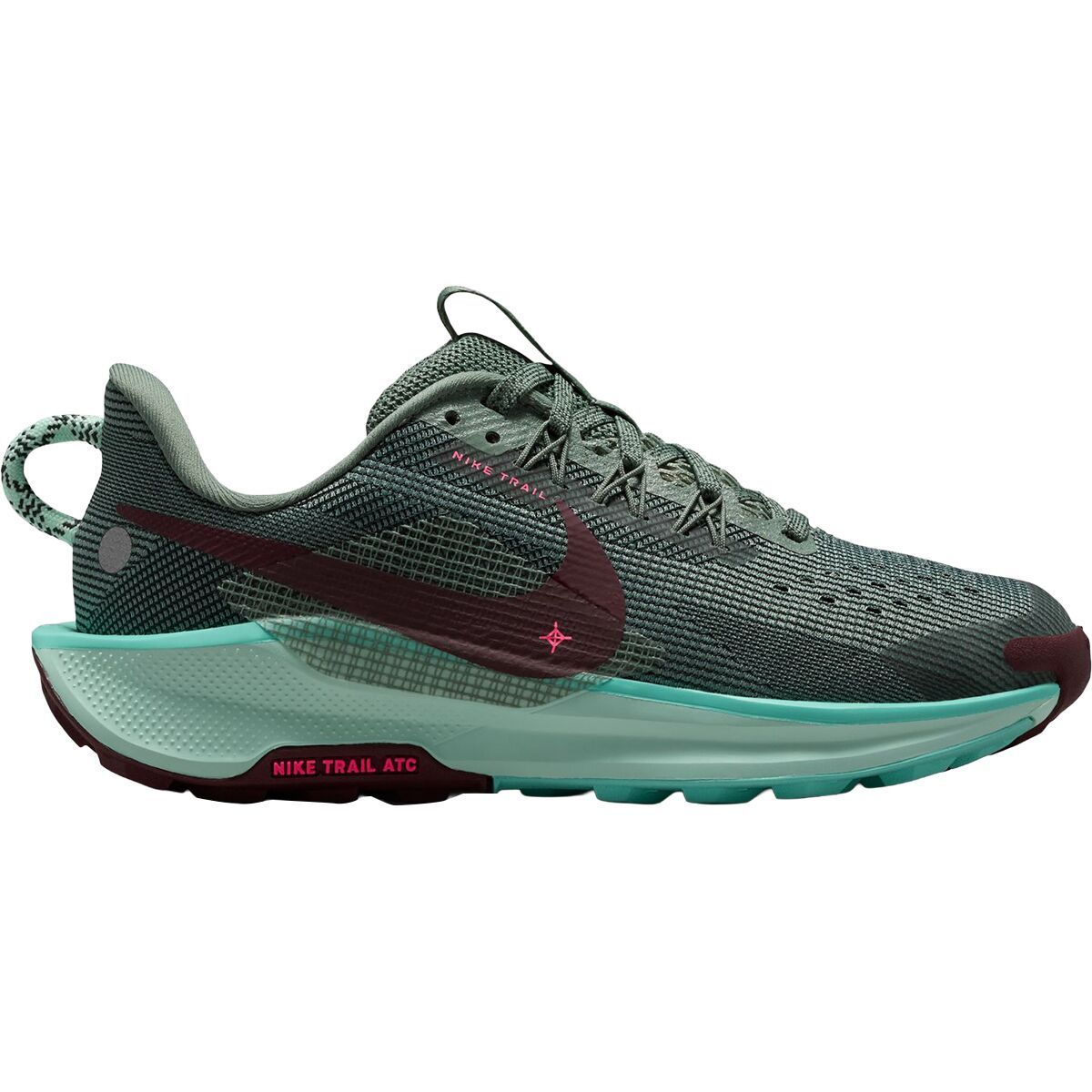
Nike Pegasus Trail 5
Good nutrition + good shoes = longer training sessions. Our pick for mixed-surface running.