Table of Contents
Training doesn't make you faster—recovery does. Every workout creates stress and microscopic damage. It's during recovery that your body repairs, adapts, and comes back stronger. Skip the recovery, and you're just accumulating fatigue without the fitness gains.
This guide covers everything that happens after you stop the Garmin: nutrition timing, sleep optimization, active recovery, and recovery tools. Some of these matter enormously. Others are nice-to-haves. We'll separate the essential from the optional.
The gear these numbers assume
Every pace, zone and power figure on this page assumes something is measuring it. These are the three that cover running, cycling and the threshold work in between.
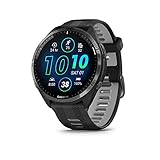 Garmin Forerunner 965
Multisport with the training-load and threshold metrics most of these calculations assume you can actually see day to day.
Check Backcountry → Check price on Amazon → COROS APEX 2 Series GPS Watch
Sapphire titanium and the longest battery in its class, which is the deciding feature once sessions run past a few hours.
Check Backcountry → Check price on Amazon → Favero Assioma Uno Power Meter Pedal
Single-sided pedal power, the cheapest honest way to start training with watts instead of estimating from heart rate.
Check Backcountry → Check price on Amazon →As an Amazon Associate we earn from qualifying purchases, at no extra cost to you. Prices change, so check before buying.
1. Why Recovery Matters
The Training Adaptation Cycle
Stress
Training creates damage and depletes resources
Recovery
Body repairs and replenishes
Adaptation
You come back stronger (supercompensation)
Without adequate recovery, you never reach the adaptation phase. Train hard, then recover hard.
What Recovery Actually Does
Replenishes Glycogen
Refills muscle energy stores depleted during exercise
Repairs Muscle Damage
Rebuilds microtears and strengthens muscle fibers
Reduces Inflammation
Acute inflammation is necessary, but must resolve
Rebalances Hormones
Cortisol drops, testosterone and growth hormone rise
Consolidates Neural Adaptations
Brain processes and improves movement patterns
Restores Mental Energy
Motivation and focus require recovery too
2. Recovery Nutrition & Timing
The Recovery Nutrition Window
The "30-minute anabolic window" is overhyped, but timing still matters for hard sessions:
| Workout Type | Timing Priority | What to Eat |
|---|---|---|
| Hard/Long (90+ min) | Within 30-60 min | Carbs + protein immediately; full meal within 2 hrs |
| Moderate (60-90 min) | Within 1-2 hours | Balanced meal with carbs, protein, fats |
| Easy/Short (<60 min) | Next regular meal | Normal eating pattern is fine |
| Two-a-day training | ASAP after first session | High carb + protein to maximize recovery before next session |
Post-Workout Macros
Carbohydrates
0.5-0.7g per lb of body weight
Examples: rice, pasta, fruit, potatoes, bread
Protein
20-40g post-workout
Examples: chicken, fish, eggs, dairy, whey protein
Fluids
16-24 oz per lb lost during exercise
Include electrolytes after heavy sweating
Quick Recovery Snack Ideas
- • Chocolate milk (convenient, good carb:protein ratio)
- • Greek yogurt with fruit and granola
- • Banana with peanut butter and protein shake
- • Turkey sandwich on whole grain bread
- • Smoothie: fruit + protein powder + milk
3. Sleep: The Ultimate Recovery Tool
Why Sleep is Non-Negotiable
Most physical recovery happens during sleep. Growth hormone peaks, cortisol drops, and muscles repair. Chronic sleep deprivation impairs performance more than most training variables.
Sleep Deprivation Effects
- • Reduced power output and endurance
- • Impaired glycogen replenishment
- • Increased injury risk
- • Decreased motivation
- • Reduced cognitive function
Optimal Sleep for Athletes
- • Duration: 8-10 hours in heavy training
- • Timing: Consistent bedtime/wake time
- • Quality: Dark, cool, quiet room
- • Naps: 20-30 min afternoon naps can help
Sleep Optimization Tips
Consistent schedule: Same bedtime and wake time, even on weekends
Dark room: Blackout curtains, no LEDs, no phone screens
Cool temperature: 65-68°F (18-20°C) is optimal for most
No screens 1 hour before bed: Blue light suppresses melatonin
Limit caffeine after 2pm: Half-life is 5-6 hours
4. Active Recovery
What Is Active Recovery?
Light movement that promotes blood flow without adding training stress. Done right, it can speed recovery. Done wrong (too hard), it just adds more fatigue.
Good Active Recovery
- • Easy spinning on bike (30-45 min)
- • Light swimming
- • Walking
- • Yoga or mobility work
- • Zone 1 heart rate only
Too Hard = Not Recovery
- • If you're breathing hard, it's too much
- • If it feels like a workout, it's too much
- • If your HR goes into Zone 2+, it's too much
- • If you're chasing Strava times, it's too much
Complete Rest vs Active Recovery
Both have their place. After very hard sessions or races, complete rest may be better. For normal training days, active recovery often feels better and can speed the recovery process. Listen to your body—if you're exhausted, rest. If you're just a bit stiff, light movement helps.
5. Recovery Tools & Techniques
Foam Rolling & Self-Massage
Evidence: Moderate. May reduce perceived soreness and improve range of motion.
Best for: Post-workout or evening. Focus on major muscle groups. 1-2 minutes per area.
Massage Guns
Evidence: Limited but promising. Similar benefits to massage for muscle relaxation.
Best for: Quick muscle relief. Don't overdo it—1-2 min per muscle group is enough.
Compression Gear
Evidence: Mixed. May help with perceived recovery and swelling reduction.
Best for: Travel, post-race recovery. Wear during recovery periods, not necessarily during training.
Cold Water Immersion / Ice Baths
Evidence: Can reduce soreness but may blunt training adaptations if used routinely.
Best for: Competition periods, multi-stage events. Avoid after regular training sessions where adaptation is the goal.
Sauna / Heat Therapy
Evidence: May increase blood flow and promote relaxation. Some endurance benefits.
Best for: After training, not before. Stay hydrated. 15-20 minutes is sufficient.
6. What to Avoid
Alcohol After Hard Workouts
Alcohol impairs protein synthesis, disrupts sleep quality, and delays glycogen replenishment. Save celebrations for rest days or limit to one drink after easy sessions.
NSAIDs Routinely
Anti-inflammatory drugs (ibuprofen, naproxen) can blunt training adaptations, harm gut health, and mask injury warning signs. Use sparingly, not as routine recovery.
Skipping Meals
Undereating after training slows recovery and increases injury risk. Even if trying to lose weight, ensure adequate post-workout nutrition.
High-Dose Antioxidants
Vitamin C/E supplements may blunt training adaptations. Get antioxidants from food, not pills. The oxidative stress from exercise is part of the adaptation signal.
7. Frequently Asked Questions
How soon should I eat after a workout?
The 30-minute "anabolic window" is overstated, but eating within 1-2 hours after hard or long sessions optimizes glycogen replenishment and muscle repair. Include 20-40g of protein and 0.5-0.7g of carbs per pound of body weight.
Is stretching after a workout necessary?
Static stretching after workouts won't prevent injury or significantly reduce soreness, but it can help maintain flexibility and feels good. Focus on areas that are particularly tight.
Should I take ice baths after training?
Ice baths can reduce inflammation and soreness, but this may blunt training adaptations if used routinely. Save cold therapy for competition periods or multi-day events.
How much sleep do endurance athletes need?
Most adults need 7-9 hours, but athletes in heavy training often need 8-10 hours for optimal recovery and performance. Sleep is when most muscle repair occurs.
What is active recovery and should I do it?
Active recovery is low-intensity movement that promotes blood flow without adding training stress. Keep it truly easy—Zone 1, conversational, 30-45 minutes maximum.
Recover Like a Pro
Elite athletes obsess over recovery because they know it's half the equation. Training breaks you down; recovery builds you up. The best training program in the world fails without adequate recovery.
Prioritize sleep, nail your nutrition, and respect rest days. That's where the magic happens.
Related Articles
Calculate Your Training Zones
Use our free calculators to optimize your training and recovery.
Try the CalculatorsRelated Calculators
Use our free calculators to optimize your recovery and nutrition: