Understanding Recovery Science
Why Recovery Matters
Recovery is when your body adapts to training stress and becomes stronger. Without adequate recovery, you risk overtraining, injury, and performance decline.

Roll out tight muscles between sessions
The TriggerPoint GRID 2.0 is a 26-inch multi-density foam roller with a hollow core that holds up to daily use. Ten minutes on quads, IT bands, calves, and back after a run or ride is the cheapest, most reliable self-myofascial release a runner or cyclist can add.
Check Backcountry → See the GRID 2.0 on Amazon →As an Amazon Associate we earn from qualifying purchases.

Sleep is where adaptation happens
The Manta Original Sleep Mask uses adjustable eye cups for full blackout with zero pressure on the eyes, so you can fall asleep faster and recover harder after big training days.
See the Manta sleep mask on Amazon →As an Amazon Associate we earn from qualifying purchases.
Accelerate Your Recovery
Hyperice Hypervolt 2
Speed up recovery between workouts with the Hyperice Hypervolt 2. Professional-grade percussion therapy helps reduce muscle soreness and improve recovery time.
- ✓ 3 speeds up to 3200 percussions per minute
- ✓ Whisper quiet operation with QuietGlide technology
- ✓ 2-hour battery life per charge
- ✓ 5 interchangeable head attachments
- ✓ Bluetooth connectivity with guided routines
Affiliate Disclosure: Product links may earn us a commission at no additional cost to you. This helps support our free calculators.
Hyperice Hypervolt 2
Percussion Recovery Device
Recovery Time Guidelines
By Workout Type:
- Easy Runs: 8-24 hours
- Long Runs: 24-48 hours
- Tempo Runs: 24-48 hours
- Interval Training: 48-72 hours
- Races: 3-7 days (depending on distance)
- Strength Training: 24-48 hours for same muscle groups
Factors Affecting Recovery
1. Training Variables
- Workout intensity and duration
- Training volume and frequency
- Type of exercise (impact level)
2. Personal Factors
- Age: Recovery slows with age (add 10-20% after 40)
- Fitness Level: Fitter athletes recover faster
- Genetics: Individual variation in recovery capacity
3. Lifestyle Factors
- Sleep: Most important recovery tool (7-9 hours optimal)
- Nutrition: Protein and carbs within 30 minutes post-workout
- Hydration: Replace fluids lost during exercise
- Stress: Mental stress delays physical recovery
Signs You Need More Recovery
- Elevated resting heart rate (5+ bpm above normal)
- Persistent muscle soreness
- Declining performance
- Mood changes or irritability
- Poor sleep quality
- Frequent illness or injury
- Loss of motivation
Active Recovery Strategies
- Light Activity: Easy walking, swimming, or cycling
- Stretching: Gentle yoga or static stretching
- Foam Rolling: Self-myofascial release
- Massage: Professional or self-massage
- Ice Baths: 10-15 minutes at 50-60°F
- Compression: Garments or boots
Featured at Backcountry — 15% off first order
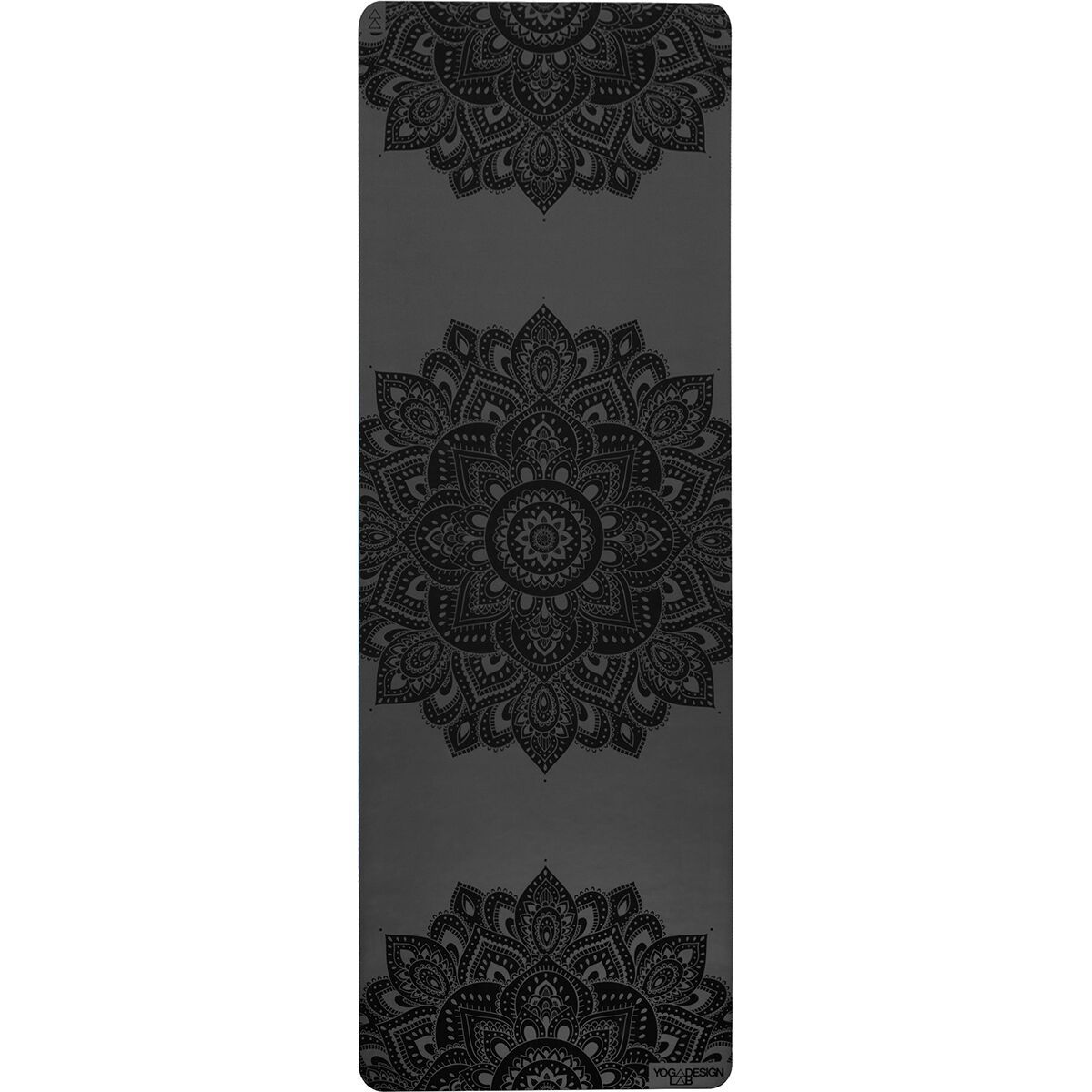
Yoga Design Lab Infinity Mat
Recovery starts with stretching. Our favorite mat for mobility work.