Running economy (RE) is the hidden performance multiplier that separates elite runners from the pack. While VO2max gets most of the attention, research consistently shows that running economy—how efficiently you use oxygen at a given pace—is often a better predictor of race performance. Two runners with identical VO2max values can have drastically different race times based solely on their running economy. This comprehensive guide reveals the science-backed methods to improve your running efficiency, helping you run faster while expending less energy.
What Is Running Economy?
Running economy is defined as the oxygen consumption (VO2) required to run at a given submaximal velocity. Think of it as your body's fuel efficiency—a more economical runner uses less oxygen (and therefore less energy) to maintain the same pace as a less economical runner.
Running Economy Explained Simply
If two runners both have a VO2max of 60 ml/kg/min but Runner A uses 45 ml/kg/min at 6:00/mile pace while Runner B uses 50 ml/kg/min, Runner A has superior running economy. They can sustain this pace at a lower percentage of their maximum capacity, meaning they can either run faster at the same effort or run the same pace more easily.
Research from the Journal of Applied Physiology has demonstrated that running economy can vary by up to 30% among runners with similar VO2max values. This enormous variability explains why some runners with "modest" VO2max numbers outperform those with seemingly superior aerobic capacity.
Why Running Economy Matters More Than You Think
- Performance Prediction: Studies show RE is a stronger predictor of distance running performance than VO2max in homogeneous groups of trained runners
- Improvability: While VO2max has a strong genetic component and plateaus relatively quickly, running economy can continue improving for years with proper training
- Fatigue Resistance: More economical runners experience less metabolic stress, leading to better performance in the latter stages of races
- Training Efficiency: Better economy means you can handle more training volume with less physiological cost
Elite Kenyan and Ethiopian runners consistently demonstrate exceptional running economy, often 5-10% better than their Western counterparts. This efficiency advantage, developed through years of running from childhood and favorable biomechanics, contributes significantly to their dominance in distance events.
The Science Behind Running Economy
Running economy is influenced by a complex interplay of biomechanical, physiological, and neuromuscular factors. Understanding these components helps us target specific aspects for improvement.
The Energy Cost of Running
Every stride requires energy for multiple purposes:
Forward Propulsion (40%)
Energy to move your body horizontally against air resistance and create forward momentum
Vertical Oscillation (35%)
Energy spent on the up-and-down motion during each stride cycle
Limb Movement (20%)
Energy to swing arms and legs through their ranges of motion
Stabilization (5%)
Energy for core stability and maintaining running posture
Elastic Energy Return
One of the most crucial aspects of running economy is the stretch-shortening cycle—the ability to store elastic energy in tendons and muscles during landing and return it during push-off. Elite runners can recover up to 50% of the energy from each foot strike through elastic recoil.
Key structures involved in elastic energy storage include:
- Achilles Tendon: The primary energy storage structure, capable of storing and returning significant elastic energy
- Plantar Fascia: The arch of the foot acts as a spring mechanism
- Quadriceps Tendon: Stores energy during the eccentric loading phase
- IT Band: Contributes to hip and knee stability with minimal energy cost
Biomechanical Factors That Influence Running Economy
Stride Length and Cadence Optimization
Contrary to popular belief, there's no single "optimal" cadence for all runners. Research shows that experienced runners naturally self-select a stride length and cadence combination that is close to their metabolic optimum—within 3% of their most economical values.
The Cadence Sweet Spot
Elite runners typically maintain cadences between 180-200 steps per minute at race pace. However, forcing a specific cadence that doesn't match your natural mechanics can actually worsen economy. Instead of targeting a number, focus on reducing overstriding and allowing cadence to naturally adjust.
Ground Contact Time
Faster, more economical runners spend less time on the ground with each step. Elite marathon runners often have ground contact times around 180-200 milliseconds, while recreational runners may exceed 300 milliseconds.
Factors that influence ground contact time:
- Leg Stiffness: Stiffer legs (achieved through strength training) allow for faster energy return
- Foot Strike Position: Landing closer to your center of mass reduces braking forces
- Hip Extension: Powerful hip extension drives you forward more quickly
- Ankle Stiffness: Pre-activation of calf muscles before landing improves elastic recoil
Vertical Oscillation
Excessive bouncing wastes energy on vertical displacement rather than forward motion. Elite runners typically show vertical oscillation of 6-8 centimeters, while less economical runners may bounce 10-12 centimeters or more.
To reduce vertical oscillation:
- Focus on "running tall" with slight forward lean from the ankles
- Imagine running under a low ceiling
- Strengthen hip extensors for horizontal rather than vertical force production
- Practice running on slight downhill grades to encourage horizontal movement
Physiological Factors Affecting Running Economy
Muscle Fiber Composition
Type I (slow-twitch) muscle fibers are more metabolically efficient than Type II (fast-twitch) fibers. Distance running training increases the oxidative capacity of all fibers and can shift Type IIx fibers toward the more economical Type IIa phenotype.
Mitochondrial Density
Higher mitochondrial density allows for more efficient aerobic energy production. Training increases both the number and efficiency of mitochondria in muscle cells. Research shows that consistent aerobic training can increase mitochondrial content by 50-100% within several months.
Capillary Density
Improved capillarization enhances oxygen delivery to working muscles and waste product removal. More capillaries per muscle fiber means more efficient gas exchange and better running economy at all intensities.
Metabolic Flexibility
The ability to efficiently oxidize both fats and carbohydrates contributes to running economy, especially in longer events. Well-trained runners can derive more energy from fat oxidation, sparing glycogen and running more economically at moderate intensities.
Training Methods to Improve Running Economy
High-Volume Easy Running
Perhaps surprisingly, simply accumulating more easy miles is one of the most effective ways to improve running economy. Years of consistent training create subtle but significant improvements in movement efficiency, tendon stiffness, and metabolic adaptations.
The 10-Year Rule
Research consistently shows that running economy continues to improve for up to 10 years or more in dedicated runners. This explains why many elite marathoners don't peak until their early 30s—their accumulated mileage has optimized their movement efficiency to an extraordinary degree.
Interval Training for Economy
Specific interval sessions can target running economy improvements:
| Workout Type | Structure | Economy Benefit |
|---|---|---|
| Short Hill Sprints | 8-12 x 8-10 seconds uphill | Neuromuscular power, stride mechanics |
| Cruise Intervals | 5-8 x 1000m at threshold | Sustained force production |
| Strides | 6-10 x 20-30 seconds | Neuromuscular coordination |
| VO2max Intervals | 5-6 x 3-4 minutes at 95-100% vVO2max | Oxygen utilization efficiency |
Plyometric Training
Plyometrics enhance the stretch-shortening cycle and improve elastic energy storage and return. A meta-analysis in Sports Medicine found that adding plyometrics to running training improved running economy by an average of 4.4%.
Effective plyometric exercises for runners:
- Depth Jumps: Step off a box and immediately jump upon landing
- Bounding: Exaggerated running strides with maximal flight time
- Single-Leg Hops: Forward hopping on one leg, focusing on quick ground contact
- Ankle Hops: Rapid hopping with minimal knee bend to develop ankle stiffness
Strength Training for Running Economy
Heavy resistance training has emerged as one of the most effective interventions for improving running economy. Contrary to old beliefs, getting stronger doesn't make you slower—it makes you more efficient.
Why Strength Training Improves Economy
- Increased Leg Stiffness: Stronger muscles create a stiffer spring system for better energy return
- Rate of Force Development: Faster force production means less ground contact time
- Delayed Fatigue: Each stride represents a smaller percentage of maximal strength
- Improved Neuromuscular Coordination: Better recruitment patterns and muscle synchronization
Research Highlight
A landmark study in the Journal of Strength and Conditioning Research found that 8 weeks of heavy strength training (focusing on squats and deadlifts at 4-6 rep max) improved running economy by 5% in trained runners without any change in body weight or VO2max.
Key Exercises for Running Economy
1. Barbell Back Squat
The foundation of running-specific strength. Focus on depth and controlled eccentric phase.
Protocol: 3-4 sets x 4-6 reps at 85-90% 1RM
2. Romanian Deadlift
Develops posterior chain strength crucial for hip extension power.
Protocol: 3-4 sets x 6-8 reps at 80% 1RM
3. Single-Leg Calf Raises
Develops Achilles tendon stiffness and calf strength for elastic energy return.
Protocol: 3 sets x 15-20 reps with slow eccentric
4. Step-Ups with Weight
Running-specific strength with single-leg stability demands.
Protocol: 3 sets x 8-10 reps each leg
For effective strength training equipment at home:
Recommended Equipment
Quality equipment makes a significant difference in your strength training effectiveness. Consider a reliable barbell set and adjustable dumbbells for home training:
View Adjustable Dumbbell Sets on Amazon →Footwear Technology and Running Economy
The super shoe revolution has demonstrated that footwear can significantly impact running economy. Modern carbon-plated shoes with high-stack foam midsoles have been shown to improve running economy by 4-6% compared to traditional racing flats.
How Modern Shoes Improve Economy
- Carbon Fiber Plates: Act as a lever to enhance push-off mechanics and reduce energy loss at the metatarsophalangeal joint
- PEBA Foam Technology: Materials like Nike ZoomX and Adidas Lightstrike Pro return up to 87% of energy compared to 60-70% for traditional EVA
- Rocker Geometry: Facilitates smoother transitions and reduces muscle work during toe-off
- Reduced Shoe Mass: Each 100g of shoe weight requires approximately 1% more energy expenditure
Finding Your Perfect Shoe
While super shoes offer significant economy benefits, fit and comfort remain paramount. An uncomfortable or poorly-fitting shoe will negate any mechanical advantages. Many runners benefit from different shoes for different purposes—super shoes for racing and quality workouts, traditional trainers for easy miles.
Shop Carbon Racing Shoes on Amazon →Altitude and Heat Adaptation for Running Economy
Altitude Training Effects
While altitude training is primarily known for boosting hemoglobin and oxygen-carrying capacity, it can also improve running economy through several mechanisms:
- Improved Muscle Buffering: Altitude exposure enhances the muscle's ability to handle metabolic byproducts
- Mitochondrial Efficiency: Research suggests altitude training may improve mitochondrial coupling efficiency
- Neuromuscular Adaptations: Training at altitude may enhance motor unit recruitment patterns
Heat Acclimation Benefits
Surprisingly, heat acclimation has been shown to improve running economy even in cool conditions. The plasma volume expansion and cardiovascular adaptations from heat training translate to improved efficiency at all temperatures.
For those who cannot train at altitude, altitude simulation equipment can provide similar benefits:
Nutrition and Body Composition for Optimal Economy
Body Weight Optimization
Body weight has a direct relationship with running economy—you must move your mass with every stride. Research shows that reducing body weight by 1 kg improves running economy by approximately 1.2% on flat terrain and up to 2% on hills.
However, weight loss must be balanced against performance and health:
- Excessive weight loss can reduce muscle mass and power output
- Under-fueling compromises training quality and adaptation
- Very low body fat levels can impair immune function and hormone balance
- Focus on body composition rather than scale weight
Nutritional Strategies for Economy
Beetroot/Nitrate Supplementation
Dietary nitrates improve mitochondrial efficiency, reducing oxygen cost at submaximal intensities. Studies show 2-5% improvements in running economy with regular beetroot juice consumption.
Iron Status
Even without clinical anemia, suboptimal iron stores can impair oxygen transport and economy. Regular monitoring and supplementation when needed is crucial for runners.
Caffeine
Caffeine reduces perceived effort and may directly improve muscle contractile efficiency. 3-6 mg/kg body weight 45-60 minutes before running provides optimal benefits.
Measuring and Tracking Running Economy
Laboratory Testing
The gold standard for measuring running economy is laboratory testing with metabolic analysis. During a submaximal treadmill test, oxygen consumption is measured at standardized speeds to determine the oxygen cost of running.
Field-Based Indicators
While not as precise as lab testing, several metrics can help you track economy improvements over time:
| Metric | What to Track | Target Direction |
|---|---|---|
| Heart Rate at Fixed Pace | Average HR for standardized easy runs | Lower is better |
| Pace at Fixed Heart Rate | Pace maintained at aerobic threshold HR | Faster is better |
| Ground Contact Time | From GPS watch running dynamics | Lower is better |
| Vertical Oscillation | Bounce per stride from watch/power meter | Lower is better |
| Running Power | Watts required at given pace | Lower is better |
For accurate running dynamics tracking:
12-Week Running Economy Improvement Program
This periodized program integrates all the key methods for improving running economy. It's designed to be layered on top of your current training plan rather than replacing it entirely.
Weeks 1-4: Foundation Phase
- Running: Add 6-8 strides (20-30 seconds) after 3 easy runs per week
- Strength: 2x per week - bodyweight exercises (squats, lunges, calf raises, glute bridges) for muscular endurance (3x15)
- Plyometrics: 1x per week - basic hops and skips for 5 minutes after an easy run
- Drills: Running drills (A-skip, B-skip, high knees) 2x per week
Weeks 5-8: Strength Phase
- Running: Add 8-10 hill sprints (8-10 seconds) after 2 easy runs per week
- Strength: 2x per week - progress to weighted exercises (squats, Romanian deadlifts, step-ups) at 6-8 rep range
- Plyometrics: 2x per week - progress to single-leg hops, bounds, and depth jumps
- Drills: Continue running drills, add emphasis on hip drive
Weeks 9-12: Integration Phase
- Running: Include one economy-focused workout per week (cruise intervals or tempo with strides)
- Strength: 2x per week - heavy compound lifts at 4-6 rep range for maximal strength
- Plyometrics: 2x per week - focus on reactive strength and minimal ground contact
- Testing: Perform benchmark runs to assess economy improvements
Common Mistakes That Hurt Running Economy
1. Overstriding
Landing with your foot well ahead of your center of mass creates braking forces that waste energy and stress joints. Focus on landing with your foot beneath your body.
2. Excessive Arm Swing
Arms that cross the midline or swing too far forward/backward create rotational forces that the core must counteract. Keep arms relaxed with a compact, forward-back swing.
3. Running Too Fast in Training
Paradoxically, running easy runs too fast prevents the aerobic adaptations that improve economy. Most easy running should be at conversational pace.
4. Neglecting Strength Work
Many runners avoid the gym, missing significant economy gains. Heavy strength training 2x per week is one of the most effective economy interventions.
5. Poor Recovery Practices
Inadequate sleep and recovery compromise neuromuscular function and movement quality. Prioritize 7-9 hours of quality sleep and proper recovery nutrition.
6. Wearing Heavy Training Shoes
While durability matters, excessively heavy trainers increase the energy cost of every stride. Choose shoes that balance protection with reasonable weight.
Conclusion: Your Path to Effortless Speed
Running economy is the culmination of everything—biomechanics, strength, training history, equipment choices, and attention to detail. Unlike VO2max, which responds relatively quickly to training and has genetic ceilings, running economy can continue improving for years, explaining why many elite marathoners don't peak until their early thirties.
The most economical runners in the world share common characteristics: they've accumulated enormous mileage over years of consistent training, they're strong for their body weight, they run with relaxed and efficient mechanics, and they pay attention to the small details that compound over time.
Start implementing the strategies in this guide progressively—add strides and drills first, then introduce strength training, and finally optimize your equipment choices. Track your progress using heart rate and pace relationships, and consider periodic laboratory testing if available.
The journey to improved running economy is a marathon, not a sprint. But the payoff—faster times at the same effort, or the same times with energy to spare—is worth every step of the process.
Calculate Your Training Zones
Use our free calculators to optimize your training intensity and track your running economy improvements.
Explore CalculatorsRunBikeCalc Team
Expert analysis on running science, biomechanics, and performance optimization for athletes of all levels.
📊 Optimize Your Training
Use our free calculators to plan your runs:
Featured at Backcountry — 15% off first order
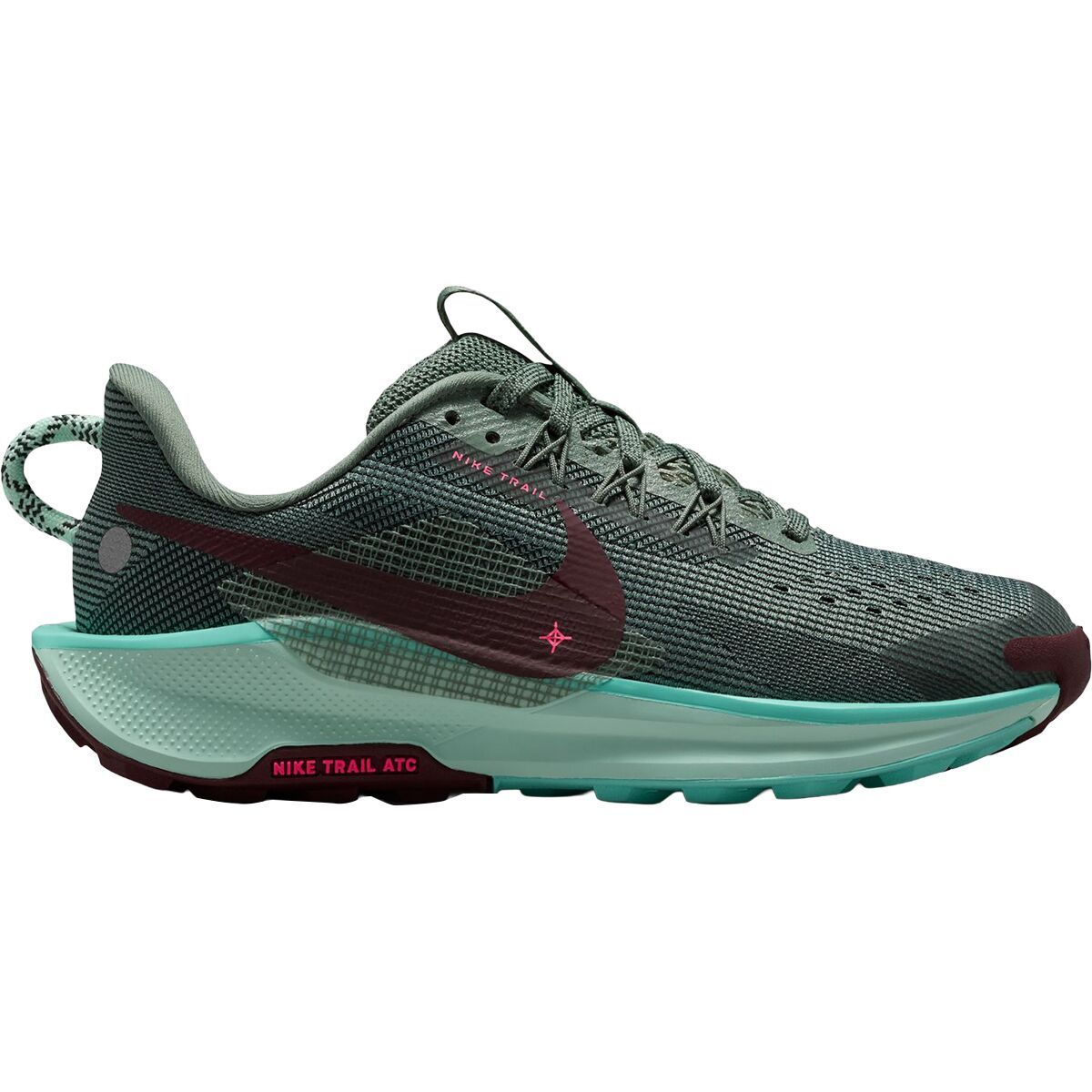
Nike Pegasus Trail 5
Our go-to trail-capable training shoe. React foam + sticky outsole.