Table of Contents
Running is one of the most accessible sports—lace up and go. But the right gear makes a significant difference in comfort, performance, and injury prevention. The wrong shoes can cause injuries. Cotton clothing leads to chafing. And once you experience running with the right equipment, you'll wonder how you ever managed without it.
This guide covers everything you need for running, from the absolute essentials to nice-to-have upgrades. We'll help you understand what to prioritize, where to invest, and what you can skip as a beginner versus a serious runner.
1. Running Shoes: The Foundation
Shoe Categories Explained
Daily Trainers
Your workhorse shoes for most runs. Balanced cushioning, durability, and versatility.
Best for: 60-80% of your running, easy runs, general training
Tempo/Speed Shoes
Lighter weight with responsive foam for faster workouts. More aggressive design.
Best for: Interval training, tempo runs, shorter races
Racing Flats/Super Shoes
Maximum performance with carbon plates and bouncy foam. Built for speed, not mileage.
Best for: Races, race-pace workouts, PRs
Trail Shoes
Aggressive tread for grip, protective features, often more stability for uneven terrain.
Best for: Trail running, off-road, technical terrain
Finding Your Shoe Size
Shop in the afternoon
Feet swell during the day. Shop when feet are at their largest, similar to after a run.
Bring your running socks
Different sock thickness affects fit. Try shoes with the socks you'll actually run in.
Size up from casual shoes
Running shoes should be 1/2 to full size larger. You need a thumb's width between longest toe and shoe end.
Run in them
Good running stores have treadmills. Walk, jog, and run to feel the shoe in motion, not just standing.
Shoe Lifespan and Rotation
When to Replace
- • Mileage: 300-500 miles (480-800 km)
- • Time: ~12 months maximum (foam degrades)
- • Visible wear: Outsole tread worn down
- • Midsole compression: Foam doesn't bounce back
- • New pain: Joints or muscles aching after runs
Benefits of Shoe Rotation
- • Injury reduction: Varies stress on muscles/joints
- • Longer lifespan: Foam recovers between uses
- • Purpose-specific: Right shoe for each workout
- • Wet weather: Rotate to dry pair
Stability vs Neutral Shoes
The old advice to match shoes to "pronation type" is outdated. Current research suggests:
- • Most runners do fine in neutral shoes
- • Comfort is the best predictor of injury prevention
- • Stability features can help runners with previous injuries or very excessive pronation
- • Let a specialty running store assess your gait if you're unsure
2. Running Apparel by Season
The 15-20°F Rule
Add 15-20°F (10°C) to the actual temperature to estimate how warm you'll feel while running. This helps you dress appropriately without overdressing.
Example: If it's 40°F (4°C) outside, you'll feel like it's 55-60°F (13-15°C) once warmed up. Dress for that, not the starting temperature.
Temperature Dressing Guide
| Temperature | Bottom | Top | Accessories |
|---|---|---|---|
| 70°F+ (21°C+) | Short shorts or split shorts | Singlet or sports bra only | Sunglasses, sunscreen, hat |
| 60-70°F (15-21°C) | Shorts | Singlet or short sleeve | Sunglasses optional |
| 50-60°F (10-15°C) | Shorts | Short sleeve or long sleeve | Arm warmers optional |
| 40-50°F (4-10°C) | Shorts or capri tights | Long sleeve | Light gloves, ear band |
| 30-40°F (0-4°C) | Full tights | Long sleeve + vest or light jacket | Gloves, hat or ear band |
| 20-30°F (-6 to 0°C) | Thermal tights | Base layer + long sleeve + jacket | Warm gloves, hat, neck gaiter |
| Below 20°F (-6°C) | Thermal tights or double layer | Multiple layers, windproof jacket | Heavy gloves, balaclava, insulated hat |
Fabric Guide
Technical Fabrics (Use These)
- Polyester: Most common, wicks well, durable, inexpensive
- Nylon: Soft, lightweight, dries quickly
- Merino wool: Temperature regulating, odor-resistant, great for cold
- Spandex/Elastane: For stretch and form-fitting items
Avoid
- 100% Cotton: Absorbs sweat, stays wet, heavy, causes chafing
- Non-breathable waterproof: Traps heat and sweat inside
- Rough seams: Will cause chafing on longer runs
3. Socks and Sports Bras
Running Socks
Don't underestimate socks. The right pair prevents blisters and keeps feet comfortable for miles.
What to Look For
- • Moisture-wicking materials (no cotton)
- • Cushioning in heel and forefoot
- • Seamless toe construction
- • Snug but not tight fit
Height Options
- • No-show: Summer, minimal coverage
- • Ankle: Most versatile, protects ankle bone
- • Crew: Trail protection, compression benefit
Sports Bras
A proper sports bra is essential for comfort and breast health during high-impact running.
Support Levels
- • Low: A-B cups, encapsulation style
- • Medium: B-C cups, combination support
- • High: C+ cups, compression + encapsulation
Fit Tips
- • Band should be snug, not riding up
- • Straps shouldn't dig or slip
- • Jump test: minimal bounce
- • Replace when elasticity is lost
Top Running Socks Picks
Our favorite running socks across every budget. Affiliate links — we may earn a small commission.
Balega Hidden Comfort
~$16
Best overall — seamless toe, deep heel pocket, plush underfoot cushioning.
Feetures Elite Max Cushion
~$18
Max cushion for long runs — targeted compression zones and anatomical design.
Darn Tough Run No Show Tab
~$20
Merino wool, lifetime warranty — outstanding moisture-wicking and durability.
Smartwool Run Targeted Cushion
~$18
Merino blend with great temperature regulation — cool in summer, warm in winter.
Saucony Inferno No Show
~$14 / 3-pack
Best budget pick — mesh ventilation zones and arch support at a great price.
Preventing Chafing
Chafing ruins runs. Prevention strategies:
- • Body Glide or similar anti-chafe products: Apply to inner thighs, underarms, nipples, bra line
- • Seamless or flat-seam clothing: Reduces friction points
- • Proper fit: Too loose = rubbing, too tight = cutting
- • Nipple guards: Essential for longer runs (yes, for everyone)
4. GPS Watches and Technology
GPS Watch Tiers
Entry Level ($100-200)
Basic GPS, pace, distance, time. May include optical heart rate.
Good for: New runners, those who want simple tracking
Mid-Range ($200-400)
Accurate heart rate, training load, recovery metrics, music storage, navigation.
Good for: Regular runners doing structured training
Premium ($400-800)
Multi-band GPS (most accurate), advanced training metrics, maps, longer battery, premium build.
Good for: Serious athletes, ultrarunners, multi-sport athletes
Key Features to Consider
GPS Accuracy
Multi-band GPS is most accurate for city running
Heart Rate Accuracy
Optical is convenient; chest strap is most accurate
Battery Life
Important for ultramarathons and multi-day events
Training Features
Interval workouts, pace alerts, training status
Music Storage
Run without your phone if music is important
Navigation/Maps
Essential for trail runners and exploring new routes
Phone vs GPS Watch
Starting out? Your phone works fine. Consider upgrading when:
- • You want real-time pace feedback during runs
- • Carrying a phone is annoying or uncomfortable
- • You're doing structured workouts with intervals
- • Heart rate training becomes important
- • Running becomes a committed habit
5. Hydration Gear
Hydration Options
Handheld Bottles
12-20 oz bottles with hand strap.
- + Simple and inexpensive
- + Easy to drink while running
- - One-sided weight
- - Limited capacity
Best for: Runs under 90 min
Hydration Belts
Waist belt with small bottles.
- + Hands-free
- + Balanced weight
- - Can bounce
- - Limited storage
Best for: Medium runs, road running
Hydration Vests
Backpack-style with bladder or bottles.
- + High capacity (1-2L+)
- + Storage for gear, nutrition
- - More expensive
- - Warmer in heat
Best for: Long runs, trails, ultras
When Do You Need to Carry Water?
- Under 45 min: Usually not needed (moderate conditions)
- 45-75 min: Optional, depending on heat and individual sweat rate
- Over 75 min: Recommended for most runners
- Hot/humid conditions: Carry water for any run over 30 minutes
6. Safety and Visibility
Visibility Gear for Low Light
To Be Seen
- Reflective vest: Most effective visibility boost
- LED clip lights: Attach to clothes, pack, shoes
- Reflective clothing: Built into many running clothes
- Light-colored clothing: Easier to see than black
To See
- Headlamp: Essential for dark trails and roads
- Chest light: Reduces bounce, illuminates path
- Knuckle lights: Lightweight, hands-free option
- 200+ lumens: Minimum for trails, 100+ for roads
Personal Safety Essentials
- Phone: Carry it, even if you have a GPS watch
- ID: Road ID bracelet or carry identification
- Share your route: Use live tracking features
- Emergency contacts: Stored on phone lock screen
- Vary your routes: Don't be predictable
7. Essential Accessories
High Priority
-
✓
Body Glide / Anti-Chafe
Prevents chafing on long runs
-
✓
Running Belt / Armband
Carry phone, keys, nutrition
Our Belt Picks — affiliate links
FlipBelt Classic ~$30
Tubular design, no bounce, fits all phones — the gold standard.
SPIbelt Large Pocket ~$25
Expandable pocket, waterproof option available — great for larger phones.
Nathan Zipster ~$25
Zip pocket, slim profile, reflective accents — secure and low-profile.
-
✓
Sunglasses
Eye protection, reduce squinting fatigue
-
✓
Sunscreen
Sport formulas that resist sweat
Nice to Have
-
+
Wireless Headphones
Running-specific with secure fit
-
+
Foam Roller
Recovery and mobility work
-
+
Massage Gun
Deep tissue recovery
-
+
Compression Gear
Socks or sleeves for recovery
8. Budget Guide: Where to Invest
Priority Investment Order
Running Shoes ($100-180)
The only essential investment. Get properly fitted at a running store.
Technical Clothing Basics ($50-100)
A few moisture-wicking shirts, shorts, and sports bra if needed.
Quality Socks ($30-50)
3-4 pairs of good running socks prevent blisters.
GPS Watch ($150-400)
Upgrade from phone when running becomes regular habit.
Everything Else
Seasonal gear, hydration, accessories—build over time.
Money-Saving Tips
- • Previous-model shoes: Same quality, 30-50% off when new models release
- • End-of-season sales: Stock up on winter gear in spring, summer gear in fall
- • Running store loyalty programs: Points add up for regular purchases
- • Target/Amazon basics: Fine for entry-level technical clothing
- • Race expos: Often have great deals on gear
9. Frequently Asked Questions
How often should I replace my running shoes?
Most running shoes last 300-500 miles (480-800 km), depending on your weight, running style, and shoe construction. Signs it's time to replace: worn outsole tread, compressed midsole that doesn't bounce back, new aches or pains, or the shoes feeling "dead." Track your mileage in a running app to know when replacement is due.
What should I wear running in different temperatures?
Add 15-20°F (10°C) to the actual temperature to estimate how warm you'll feel while running. Above 60°F (15°C): shorts and singlet. 50-60°F (10-15°C): shorts and short sleeve. 40-50°F (4-10°C): shorts/tights and long sleeve. 30-40°F (0-4°C): tights, long sleeve, light jacket. Below 30°F (0°C): layers, hat, gloves.
Do I need a GPS running watch?
A GPS watch isn't essential for beginners, but it becomes valuable as you progress. It provides accurate pace and distance data, heart rate monitoring, and training insights. For structured training (intervals, tempo runs, heart rate zones), a GPS watch is highly beneficial. Start with a phone app if budget is a concern, then upgrade when running becomes a regular habit.
What's the best fabric for running clothes?
Technical fabrics that wick moisture are essential. Look for polyester, nylon, or merino wool blends. Avoid 100% cotton—it absorbs sweat, becomes heavy, and causes chafing. Key features: moisture-wicking, quick-drying, breathable, and for cold weather, wind-resistant and thermal properties. Merino wool is excellent for temperature regulation and odor resistance.
Should I run with a hydration vest or handheld bottle?
For runs under 60-75 minutes in moderate conditions, you typically don't need to carry water. For longer runs: handheld bottles (12-20 oz) work for runs up to 90 minutes. Hydration vests (1-2L capacity) are better for runs over 90 minutes or in hot conditions, plus they can carry nutrition, phone, and emergency items.
Gear Up and Go
The beauty of running is its simplicity. You don't need a closet full of gear to get started—just the right shoes and clothes that keep you comfortable. Everything else can be added over time as your running evolves.
Start with the essentials: properly fitted shoes and moisture-wicking clothing. Add gear as you identify specific needs. The best gear is the gear that disappears when you run—you don't notice it because it's working perfectly.
Now lace up and go run. The road is waiting.
Related Articles
Running Form Guide
Master efficient running technique
Injury Prevention Guide
Stay healthy and running strong
Marathon Pacing Guide
Race strategy for your best 26.2
Best Running Sunglasses 2026
Lightweight shades that stay put
Best Compression Socks 2026
Recovery and performance socks researched
Best Sports Bras for Running 2026
High-impact support for every runner
Best Running Tights 2026
Leggings and tights for cold weather runs
Calculate Your Training Paces
Use our free pace calculator to dial in your training zones.
Try the Pace CalculatorRelated Calculators
Use our free calculators to optimize your running performance:
Featured at Backcountry — 15% off first order
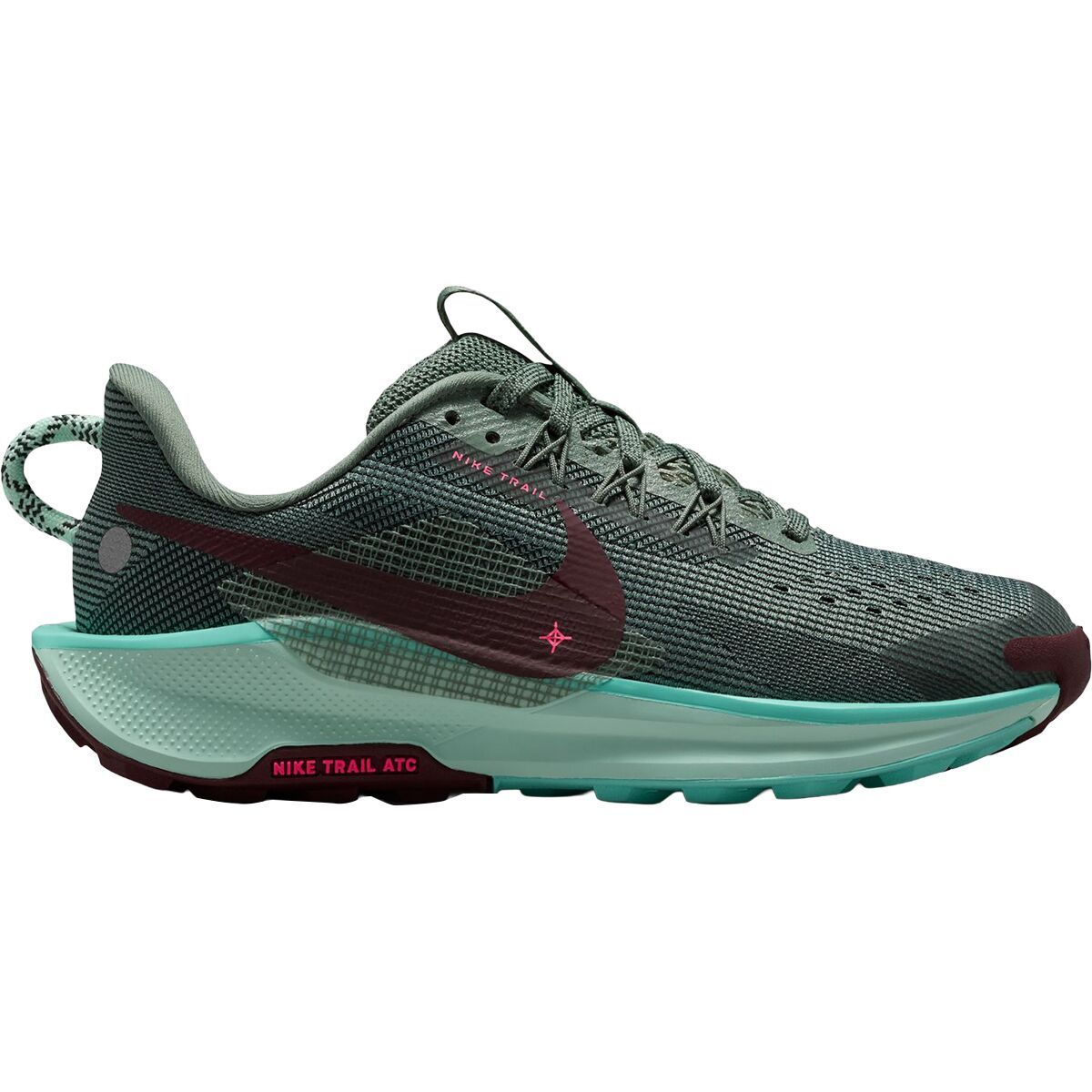
Nike Pegasus Trail 5
Nike's trail-focused Pegasus with React foam and sticky outsole. Perfect for mixed-surface running.