1. Getting Started
Running with your dog can be incredibly rewarding - they never complain, always show up enthusiastic, and motivate you to get out the door. But success requires proper preparation and understanding of your dog's capabilities and limitations.
Before You Start: Vet Check
Schedule a vet visit to confirm your dog is ready for running:
- Growth plates: Must be fully closed (12-24 months)
- Joint health: Check for hip/elbow dysplasia risk
- Heart health: Especially for brachycephalic breeds
- Weight: Overweight dogs need conditioning first
- Overall fitness: Clear for sustained aerobic activity
Age Guidelines
| Dog Size | Minimum Age | Examples |
|---|---|---|
| Small (under 20 lbs) | 9-12 months | Jack Russell, Miniature Poodle |
| Medium (20-50 lbs) | 12-15 months | Border Collie, Vizsla |
| Large (50-90 lbs) | 15-18 months | Labrador, German Shepherd |
| Giant (90+ lbs) | 18-24 months | Great Dane, Mastiff |
Building a Foundation
Before running, your dog needs basic obedience and leash skills:
Prerequisites
- Loose leash walking: No constant pulling
- Basic commands: Heel, leave it, stop/wait
- Focus: Attention on you despite distractions
- Socialization: Calm around other dogs and people
- Recall: Reliable response when called (for off-leash areas)
2. Breed Considerations
Not all dogs are built for running. Understanding your breed's strengths and limitations ensures safe, enjoyable runs for both of you.
Excellent Running Breeds
- Vizsla
- Weimaraner
- German Shorthaired Pointer
- Border Collie
- Australian Shepherd
- Dalmatian
- Rhodesian Ridgeback
- Siberian Husky (cool weather)
Breeds to Avoid Running
- Bulldogs (all types)
- Pugs
- Boston Terriers
- Shih Tzus
- Cavalier King Charles
- Basset Hounds
- Dachshunds (long distance)
- Giant breeds (long distance)
Brachycephalic Breeds Warning
Flat-faced dogs (pugs, bulldogs, boxers) have compromised airways that make running dangerous. They overheat quickly and can't breathe efficiently during exercise. Short walks in cool weather are safer than running.
Breed-Specific Guidelines
Sporting & Working Dogs
Bred for endurance. Can handle long distances (10+ miles) when conditioned. May prefer to run ahead - consider hands-free leash. Need mental stimulation alongside physical exercise.
Herding Dogs
High energy and intelligence. Excellent running partners but may try to "herd" you or other runners. May nip at heels - train against this behavior. Need clear commands to channel energy.
Northern/Arctic Breeds
Huskies and Malamutes are built to run but overheat easily. Best for cold weather running (under 55°F). May pull hard - canicross equipment recommended. Not ideal for hot climates.
Terriers
High prey drive may cause sudden direction changes. Best for shorter, more intense runs. Jack Russells and Parson Russells are excellent runners. May chase wildlife - keep leashed.
3. Training Your Dog to Run
Dogs need gradual conditioning just like humans. Build up distance and duration slowly to prevent injury and create positive associations with running.
8-Week Running Program for Dogs
Teaching Running Commands
Establish clear verbal cues for running:
Essential Commands
- "Let's go" - Start running
- "Easy" - Slow down pace
- "Whoa/Stop" - Stop completely
- "Left/Right" - Direction changes
- "On by" - Ignore distraction
Training Tips
- Use consistent, distinct cues
- Reward compliance immediately
- Practice during walks first
- Be patient - takes weeks
- Keep training sessions short
Dealing with Pulling
If your dog pulls ahead constantly:
- Stop completely when they pull - only move when leash is loose
- Use "easy" command and slow your pace
- Reward running beside you with treats or praise
- Consider a front-clip harness for better control
- For strong pullers, try canicross equipment designed for pulling
4. Essential Gear
The right equipment makes running with your dog safer and more enjoyable. Invest in quality gear designed for the demands of running.
Must-Have Gear
- Hands-free waist leash: Bungee section absorbs pulling
- Running harness: Back-clip for control, padded for comfort
- Collapsible water bowl: Silicone or fabric, compact
- Poop bags: Because responsibility
- ID tags: Current contact info always
Leash Options
Waist Belt Leash
Best for most runners. Hands-free, bungee absorption, secure fit around waist.
RecommendedStandard Leash
4-6 foot fixed length. Good for training, but arm fatigue on longer runs.
Training onlyRetractable
Not recommended. Poor control, can snap, tangling hazard.
AvoidHarness Selection
Choose the right harness style for your dog's behavior:
Back-Clip Harness
Best for trained dogs who don't pull. Comfortable for running, doesn't restrict shoulder movement. Look for padded chest and belly straps.
Front-Clip Harness
Better for pullers - redirects them toward you. Provides more control during training. May affect gait slightly.
Canicross Harness
Designed specifically for pulling while running. Distributes force across chest and shoulders. Ideal for dogs who want to run ahead.
5. Safety Considerations
Your dog can't tell you when something's wrong, so you must watch for signs of distress and prevent dangerous situations.
Warning Signs - Stop Running Immediately
- Excessive panting - Wide mouth, tongue out far
- Lagging behind - Unusual for your dog
- Limping or gait change - Any sign of pain
- Seeking shade - Trying to stop or lie down
- Drooling excessively - More than normal
- Glazed eyes - Disorientation
- Bright red gums - Sign of overheating
Paw Protection
Paw pads are tough but vulnerable to hot pavement and rough surfaces:
Pavement Test
Place your hand or bare foot on the pavement for 7 seconds. If it's too hot for you, it's too hot for your dog. Asphalt can reach 140°F+ when air temp is only 85°F.
Protection Options
- Dog booties (takes training)
- Paw wax/balm
- Run on grass/dirt trails
- Early morning/evening runs
Traffic & Trail Safety
- Face traffic: Run against cars so you can see them
- Stay visible: Reflective gear for both of you in low light
- Short leash near roads: Keep them close at intersections
- Yield to others: Move aside for bikes, horses
- Check for hazards: Glass, trash, wildlife
- Know local laws: Leash requirements vary by location
6. Weather Guidelines
Dogs can't regulate temperature as efficiently as humans. They don't sweat (except through paw pads) and rely on panting to cool down.
Temperature Guidelines
| Temperature | Status | Recommendation |
|---|---|---|
| Below 32°F (0°C) | Cold - Caution | Short runs, consider dog coat. Watch for ice/salt. |
| 32-60°F (0-15°C) | Ideal | Best running weather for most breeds. |
| 60-70°F (15-21°C) | Warm | Shorter runs, bring water, watch for overheating. |
| 70-80°F (21-27°C) | Hot | Early AM only, very short, or skip running. |
| Above 80°F (27°C) | Dangerous | Do not run. Walk only in shade. |
Humidity Factor
High humidity makes it harder for dogs to cool down through panting. Reduce temperature thresholds by 5-10°F when humidity is above 60%. A 70°F day with 80% humidity is as risky as 80°F at low humidity.
Breed-Specific Temperature Tolerance
Cold-Weather Breeds
Huskies, Malamutes, Samoyeds, Bernese Mountain Dogs
Thrive below 50°F, risky above 65°F. Double coat makes heat dangerous. Great for winter running.
The gear these numbers assume
Every pace, zone and power figure on this page assumes something is measuring it. These are the three that cover running, cycling and the threshold work in between.
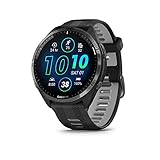 Garmin Forerunner 965
Multisport with the training-load and threshold metrics most of these calculations assume you can actually see day to day.
Check Backcountry → Check price on Amazon → COROS APEX 2 Series GPS Watch
Sapphire titanium and the longest battery in its class, which is the deciding feature once sessions run past a few hours.
Check Backcountry → Check price on Amazon → Favero Assioma Uno Power Meter Pedal
Single-sided pedal power, the cheapest honest way to start training with watts instead of estimating from heart rate.
Check Backcountry → Check price on Amazon →As an Amazon Associate we earn from qualifying purchases, at no extra cost to you. Prices change, so check before buying.
Thin-Coated Breeds
Greyhounds, Whippets, Vizslas, Weimaraners
More heat tolerant but get cold quickly. May need jacket below 45°F. Single coat means faster cooling.
7. Nutrition & Hydration
Active dogs have different nutritional needs. Proper fueling before and after runs keeps your dog healthy and energetic.
Bloat Prevention
Gastric dilatation-volvulus (bloat) is life-threatening, especially in deep-chested breeds:
- Wait 1-2 hours after meals before running
- Don't let dogs gulp large amounts of water immediately after running
- Allow 30 minutes of cool-down before full feeding
- Use slow-feeder bowls if your dog eats too fast
Hydration Guidelines
Before Running
- Offer water 30 min before
- Don't force drinking
- Dogs know their thirst
- Ensure they're not already dehydrated
During & After
- Carry water for runs over 30 min
- Offer small amounts every 15-20 min
- Small sips, not gulping
- Cool (not cold) water is best
Nutrition for Active Dogs
Dogs who run regularly may need dietary adjustments:
- Higher calories: Increase food 10-20% for regular runners
- Quality protein: Supports muscle recovery
- Joint supplements: Glucosamine/chondroitin for prevention
- Omega-3 fatty acids: Anti-inflammatory benefits
- Electrolytes: Consider for very long efforts or hot days
8. Canicross Racing
Canicross is competitive cross-country running with dogs attached to the runner via a waist belt and bungee leash. It's a growing sport with organized races worldwide.
What is Canicross?
In canicross, your dog runs ahead of you while connected via a bungee line. The dog pulls, helping to boost your speed. Races typically range from 2-10km on trail courses.
Canicross Equipment
For the Dog
X-back harness: Designed for pulling, distributes force across shoulders and chest. Different from walking harnesses - specifically engineered for forward pulling.
For the Human
Canicross belt: Wide, padded belt that sits on hips (not waist). Distributes pulling force. Quick-release buckle for safety.
The Line
Bungee line: 1.5-2m elastic line that absorbs shock. Too long = tangling, too short = jerky. Must have quick-release attachment.
Training for Canicross
- Start with basic running together (loose leash)
- Introduce canicross equipment on walks first
- Teach "hike" or "let's go" command for pulling
- Train "gee" (right) and "haw" (left) for directions
- Build distance gradually - same 10% rule applies
- Practice passing other teams calmly
- Enter fun runs before competitive races
9. Frequently Asked Questions
Can I run with my dog every day?
Most healthy, conditioned dogs can run 4-5 days per week, but they need rest days too. Young dogs and seniors may need more recovery time. Watch for signs of fatigue - if your dog is reluctant to run, take a rest day.
My dog stops to sniff everything. How do I keep them moving?
Designate "running time" vs "sniff walks" with different equipment or routes. Use a command like "let's go" to signal running mode. Allow brief sniff breaks as rewards, but keep them short. Some dogs need training to understand the difference between exercise and exploration walks.
How do I handle other dogs on our running route?
Train a strong "leave it" or "on by" command. Cross the street or give wide berth when approaching other dogs. Keep your dog's attention with treats or eye contact. If your dog is reactive, consider running at less popular times or locations.
Can senior dogs still run?
Many senior dogs can continue running at reduced intensity and distance. Get vet clearance first. Watch for arthritis signs - stiffness, reluctance to run. Shorter, slower runs on soft surfaces are best. Swimming is a great low-impact alternative.
My dog runs faster than me. What do I do?
Embrace it! Use a bungee leash and canicross belt to let them help pull you. Train them to moderate pace with "easy" commands. You can also tire them out with fetch before running, though this reduces joint protection from fresh muscles.
📊 Optimize Your Training
Use our free calculators to plan your runs: