Introduction: The Fourth Discipline
Transitions are often called triathlon's "fourth discipline" because they require specific skills, practice, and race-day execution. While swim, bike, and run training consume most of your time, neglecting transitions means leaving easy time on the table.
A well-executed transition can save 30-60 seconds compared to a fumbled one—time that requires significant fitness gains to achieve through swimming, cycling, or running alone. More importantly, smooth transitions set you up mentally and physically for the next discipline.
Transition Time Savings Potential
- Wetsuit removal: 15-30 seconds with practice
- Elastic laces vs. tied: 10-20 seconds
- Flying mount: 5-10 seconds
- Organized setup: 10-15 seconds
- Total potential savings: 40-75 seconds
T1: Swim-to-Bike Transition
T1 begins when you exit the water and ends when you cross the mount line on your bike. Key skills include efficient wetsuit removal, quick equipment changes, and a smooth mount.
Wetsuit Removal Technique
- Pull zipper cord while running from swim exit
- Push suit off shoulders and arms while moving
- At your spot, pull suit to waist, step on one leg, pull other leg out
- Repeat for second leg—don't stop moving
- Practice this sequence until it's automatic
T1 Sequence
- Exit water, start removing wetsuit while running
- Navigate to your transition spot (know the route!)
- Complete wetsuit removal
- Put on helmet (must be buckled before touching bike)
- Sunglasses on (if using)
- Grab bike by saddle or bars
- Run to mount line with bike
- Flying mount or standard mount after line
Flying Mount Technique
The flying mount saves 5-10 seconds: run in bare feet (shoes pre-clipped to pedals), swing leg over saddle while moving, land on saddle and insert feet into shoes while riding. Practice extensively before racing—crashing saves no time.
T1 Tips
- Apply BodyGlide or cooking spray inside wetsuit ankles
- Pre-attach shoes to pedals with rubber bands
- No socks for sprint/Olympic distance saves 20+ seconds
- Helmet first—always—or face disqualification
T2: Bike-to-Run Transition
T2 begins when you cross the dismount line and ends when you exit transition onto the run course. It's typically faster than T1 but requires managing "jelly legs" from the bike.
Flying Dismount Technique
- Remove feet from shoes 200-400m before dismount line
- Swing leg over saddle, coast with one foot on top of shoe
- Just before line, step off and run in bare feet
- Faster than stopping, unclipping, and running in cycling shoes
T2 Sequence
- Dismount before the line (penalty if mounting/dismounting after)
- Run bike to your spot
- Rack bike (helmet stays on until bike is racked)
- Remove helmet
- Step into running shoes (elastic laces!)
- Grab race belt with number (can put on while running)
- Hat/visor if needed
- Run out of transition
Managing Jelly Legs
The first 400-800 meters of the run often feel awkward as your legs adapt from cycling to running. Brick workouts train this adaptation. In racing, start slightly slower than goal pace and let your legs find their rhythm—forcing pace early often backfires.
Transition Area Setup
A well-organized transition area eliminates fumbling and wasted motion. Set up the same way every time so race day feels automatic.
Layout Strategy
- Towel: Small, brightly colored for easy spotting
- Helmet: On handlebars, upside down, straps outside, sunglasses inside
- Cycling shoes: Attached to pedals with rubber bands
- Running shoes: Elastic laces loosened, tongue pulled forward, on towel
- Race belt: With number already attached, beside shoes
- Nutrition: On bike (taped if needed), not in transition
Finding Your Spot
Scout the transition area before the race. Count rows from swim entry and identify landmarks. Practice the run from swim exit to your rack and from your rack to bike out and run out. Know the flow when the area is crowded.
Pre-Race Checklist
- ☐ Bike in proper gear for start
- ☐ Tires pumped and checked
- ☐ Helmet straps ready to buckle
- ☐ Sunglasses positioned in helmet
- ☐ Shoes attached to pedals with rubber bands
- ☐ Run shoes with elastic laces loosened
- ☐ Race belt with number ready
- ☐ Photo of setup (in case something moves)
Brick Workouts: Training Transitions
Brick workouts combine two disciplines back-to-back, training your body (and mind) for the unique demands of transitioning between sports. The bike-to-run brick is most important.
Sample Brick Workouts
Beginner Bike-Run Brick
- 45-60 min easy bike
- Immediate transition (practice your setup)
- 15-20 min easy run, focus on finding rhythm
- Weekly during base phase
Race-Simulation Brick
- 60-90 min bike at race intensity (final 15 min harder)
- Full T2 practice with all equipment
- 20-30 min run, first 10 min at race pace, then easy
- Every 2-3 weeks during build phase
Short Brick Repeats
- 3-4 × (15 min bike moderate + 5 min run)
- Practice quick transitions between each
- Great for building transition efficiency
- Less time-consuming than long bricks
Swim-Bike Bricks
Less common but valuable for practicing wetsuit removal and dealing with elevated heart rate at bike start. Swim 15-20 min, practice full T1, then ride 30-45 min. Good for open water swim venues with nearby cycling.
Transition Practice Protocols
Like any skill, transitions improve with deliberate practice. Set up full transition simulations regularly, especially in the weeks before target races.
Weekly Transition Practice
- Set up full transition area at home (driveway, backyard)
- Practice T1 sequence 3-5 times, time each attempt
- Practice T2 sequence 3-5 times, time each attempt
- Work on weakest elements (wetsuit? Flying mount?)
- 10-15 minutes, once per week minimum
Race Week Protocol
- Visualize transitions daily—close eyes and walk through every step
- Practice T1 and T2 sequences 2-3 times at reduced intensity
- Confirm all equipment is working (elastic laces, cleats, etc.)
- Create packing checklist and verify everything
Race Day Execution
Race morning transitions benefit from early arrival, careful setup, and mental rehearsal. Arrive with plenty of time to set up calmly.
Morning Checklist
- Arrive 90-120 minutes before race start
- Set up transition area systematically
- Walk through T1 and T2 routes multiple times
- Count racks/rows from swim exit to your spot
- Identify landmarks visible when running in from swim
- Take photo of setup on phone
- Use bathroom before putting on wetsuit
- Final gear check 15 minutes before start
Mental Cues
- T1: "Wetsuit off, helmet on, go"
- T2: "Rack, helmet off, shoes, belt, go"
- Keep it simple—don't overthink
- If something goes wrong, stay calm and move on
Recommended Transition Gear
Time-Saving Equipment
Lock Laces Elastic No-Tie Shoelaces
Slip-on convenience saves 15-20 seconds per transition
View Product →Frequently Asked Questions
What is T1 and T2 in triathlon?
T1 (Transition 1) is the swim-to-bike transition. T2 (Transition 2) is the bike-to-run transition. Both are timed and count toward overall race time.
How can I make my transitions faster?
Practice regularly, minimize equipment changes, use elastic laces, pre-position gear logically, and rehearse until automatic. For T1, practice wetsuit removal; for T2, use elastic laces and minimal changes.
What are brick workouts?
Brick workouts combine two disciplines back-to-back, most commonly bike-to-run. They train your body to adapt to running on fatigued legs and practice the neuromuscular transition between sports.
Master the Fourth Discipline
Fast transitions come from practice, not panic. Set up the same way every time, practice the sequences until automatic, and trust your preparation on race day. The seconds you save add up to minutes over a season—and the confidence of smooth transitions carries into every discipline.
📊 Triathlon Training Tools
Use our free calculators for all three disciplines:
Featured at Backcountry — 15% off first order
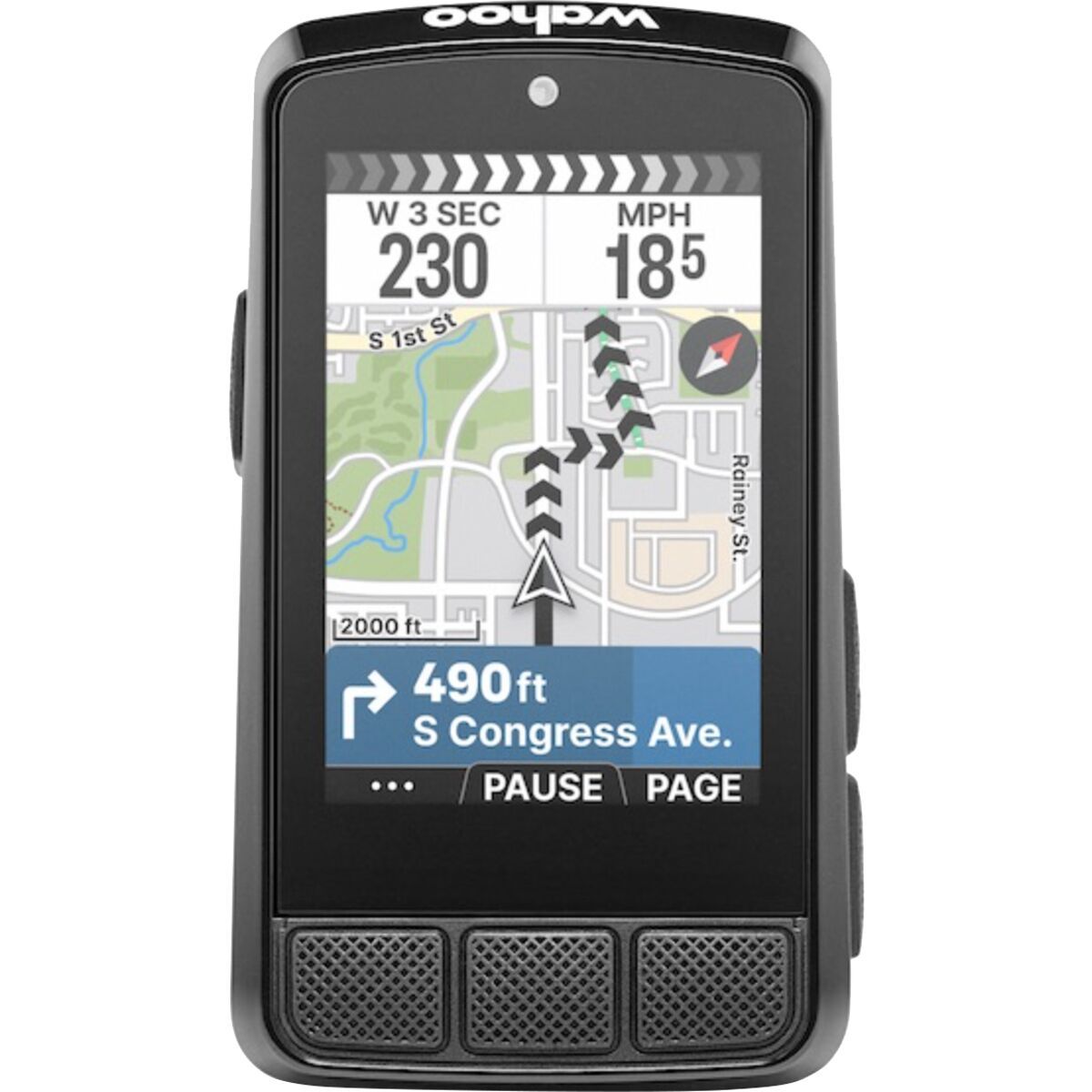
Wahoo ELEMNT BOLT 3
Track your rides with Wahoo's compact GPS — the bike computer we use daily.