Runner's Knee Pain Diagnosis
Click where it hurts. Get targeted treatment recommendations, stretches, and exercises.
Where Does It Hurt?
Click on the area of your knee that's painful
Or select directly:
Select Your Pain Location
Click on the knee diagram or select a pain location to see detailed information about possible causes, treatments, and exercises.
Common Running Knee Conditions
Runner's Knee (PFPS)
Pain at front of knee, around kneecap
IT Band Syndrome
Pain on outer side of knee
Patellar Tendinitis
Pain just below the kneecap
Medial Issues
Pain on inner side of knee
Patellofemoral Pain Syndrome
Also known as "Runner's Knee"
Location: Pain at the front of the knee, around or behind the kneecap. Affects 20-45% of runners.
Common Symptoms
- ✓ Dull, aching pain around kneecap
- ✓ Pain when climbing stairs
- ✓ Pain after sitting with bent knees
- ✓ Grinding or popping sensation
- ✓ Pain worse going uphill
Common Causes
- • Weak quadriceps or hip muscles
- • Tight IT band or hamstrings
- • Overpronation (flat feet)
- • Sudden increase in training
- • Poor kneecap tracking
Treatment & Recovery
Immediate Relief
- • Rest from running (2-4 weeks)
- • Ice for 15-20 minutes after activity
- • Anti-inflammatory medication
- • Patellar tendon strap
Long-term Fixes
- • Strengthen quads and glutes
- • Stretch IT band and hamstrings
- • Check running shoes (300-500 mi life)
- • Gradual return to running
Key Exercises
Wall Sits
3x30 seconds
Single-Leg Squats
3x10 each leg
Clamshells
3x15 each side
⚠️ See a Doctor If:
- • Pain is severe or doesn't improve after 2-3 weeks of rest
- • Knee swells significantly or feels unstable
- • You can't bear weight on the leg
IT Band Syndrome (ITBS)
Iliotibial Band Friction Syndrome
Location: Sharp or burning pain on the OUTER side of the knee, where the IT band crosses the knee joint. Affects 12% of runners.
Common Symptoms
- ✓ Sharp pain on outer knee
- ✓ Pain worse running downhill
- ✓ Pain that starts after consistent distance
- ✓ Snapping sensation at knee
- ✓ Pain when bending knee at 30°
Common Causes
- • Weak hip abductors (glutes)
- • Tight IT band
- • Running on cambered roads
- • Excessive downhill running
- • Worn-out shoes
Treatment & Recovery
Immediate Relief
- • Rest from running
- • Ice the outer knee
- • Foam roll IT band and TFL
- • Avoid stairs and hills
Long-term Fixes
- • Hip strengthening (critical!)
- • Run on flat surfaces
- • Shorten stride length
- • Increase cadence
Key Exercises
Pigeon Pose
Hold 60 seconds each side
Side-Lying Leg Raises
3x15 each side
IT Band Foam Roll
2-3 min each leg
⚠️ See a Doctor If:
- • Pain persists beyond 3-4 weeks of rest and treatment
- • Pain occurs during walking or daily activities
- • Significant swelling on outer knee
Patellar Tendinitis
Also known as "Jumper's Knee"
Location: Pain just below the kneecap where the patellar tendon connects to the shinbone. Common in runners who do speedwork or hills.
Common Symptoms
- ✓ Pain directly below kneecap
- ✓ Pain when jumping or running
- ✓ Tenderness when pressing the tendon
- ✓ Stiffness after sitting
- ✓ Pain worse with speed or hills
Common Causes
- • Repetitive stress (high mileage)
- • Tight quadriceps
- • Too much speedwork or hills
- • Hard running surfaces
- • Weak eccentric quad strength
Treatment & Recovery
Immediate Relief
- • Reduce running volume by 50%
- • Ice after activity
- • Patellar tendon strap
- • Avoid hills and speed
Long-term Fixes
- • Eccentric quad exercises
- • Single-leg decline squats
- • Gradual return to speed
- • Run on softer surfaces
Key Exercises
Decline Squats
3x15, slow descent
Quad Stretch
Hold 30 sec each leg
Straight Leg Raises
3x12 each leg
⚠️ See a Doctor If:
- • Pain is constant, even at rest
- • You notice weakness when extending the knee
- • The area is visibly swollen
Medial Knee Pain
Inner knee issues - multiple possible causes
Location: Pain on the INNER side of the knee. Can indicate meniscus issues, MCL strain, or pes anserine bursitis. Requires careful diagnosis.
Possible Conditions
- • Pes Anserine Bursitis - inflammation below knee
- • Medial Meniscus - cartilage damage
- • MCL Strain - ligament injury
- • Plica Syndrome - tissue irritation
Common Symptoms
- ✓ Pain on inner knee during running
- ✓ Tenderness to touch
- ✓ Pain with twisting motions
- ✓ Possible clicking or catching
⚠️ Important Note
Inner knee pain has multiple potential causes and often requires professional evaluation. If pain persists beyond a week of rest, or if you experienced a specific injury event, see a sports medicine doctor or physical therapist for proper diagnosis.
General Treatment Approach
- • Rest from running and aggravating activities
- • Ice the area for 15-20 minutes
- • Strengthen hip abductors and glutes
- • Check for overpronation (may need stability shoes)
- • Seek professional evaluation if persistent
⚠️ See a Doctor If:
- • Pain started after a specific injury or twist
- • Knee locks, catches, or gives way
- • Significant swelling
- • Pain doesn't improve with 1-2 weeks rest
Posterior Knee Pain
Pain behind the knee
Location: Pain at the BACK of the knee, in the crease or hollow area. Less common in runners but can indicate hamstring issues or Baker's cyst.
Possible Conditions
- • Baker's Cyst - fluid-filled swelling
- • Hamstring tendinopathy - tendon irritation
- • Gastrocnemius strain - calf muscle
- • Popliteus tendinitis - rare but possible
Common Symptoms
- ✓ Tightness behind the knee
- ✓ Pain with full knee flexion
- ✓ Possible visible swelling
- ✓ Discomfort when sitting
Treatment Approach
- • Rest and avoid deep knee bends
- • Gentle hamstring stretching
- • Ice if swelling present
- • Strengthen hamstrings with eccentric exercises
- • Professional evaluation recommended
⚠️ See a Doctor If:
- • Visible swelling behind the knee
- • Calf swelling or pain (could indicate DVT)
- • Sudden onset after a pop or snap
- • Numbness or tingling in lower leg
Preventing Running Knee Pain
Progress Gradually
Increase weekly mileage by no more than 10%. Don't add speed and distance simultaneously.
Strengthen Hips & Glutes
Weak hips are the #1 cause of runner's knee. Do clamshells, bridges, and side planks regularly.
Replace Shoes
Running shoes lose cushioning after 300-500 miles. Track your mileage and replace on schedule.
Stretch & Foam Roll
Daily foam rolling and stretching of quads, hamstrings, and IT band prevents tightness.
Related Running Tools
Frequently Asked Questions
What is runner's knee?
Runner's knee (patellofemoral pain syndrome) is pain at the front of the knee around or behind the kneecap. It's caused by overuse, muscle imbalances, or poor tracking of the kneecap. Symptoms include a dull ache during activity, pain after sitting with bent knees, and sometimes a grinding sensation.
How do I know if I have IT band syndrome or runner's knee?
IT band syndrome causes pain on the OUTER (lateral) side of the knee, often worse when running downhill. Runner's knee (PFPS) causes pain at the FRONT of the knee, around or behind the kneecap, often worse going up stairs or after prolonged sitting. The location of pain is the key differentiator.
Should I run through knee pain?
Generally, no. Running through significant knee pain can worsen the injury and extend recovery time. If pain is mild (1-3 out of 10) and doesn't worsen during or after running, you may be able to continue with reduced volume. If pain is moderate to severe, rest and address the underlying cause.
How long does runner's knee take to heal?
Most cases improve within 4-6 weeks with proper rest, stretching, and strengthening exercises. Severe cases may take 3-6 months. Key factors include addressing the root cause and not returning to full training too quickly.
Can weak hips cause knee pain when running?
Yes, weak hip muscles (especially glutes) are a leading cause of runner's knee. When hip abductors are weak, the knee can collapse inward during running, causing poor kneecap tracking and irritation. Hip strengthening exercises like clamshells and single-leg bridges can significantly reduce knee pain.
Featured at Backcountry — 15% off first order
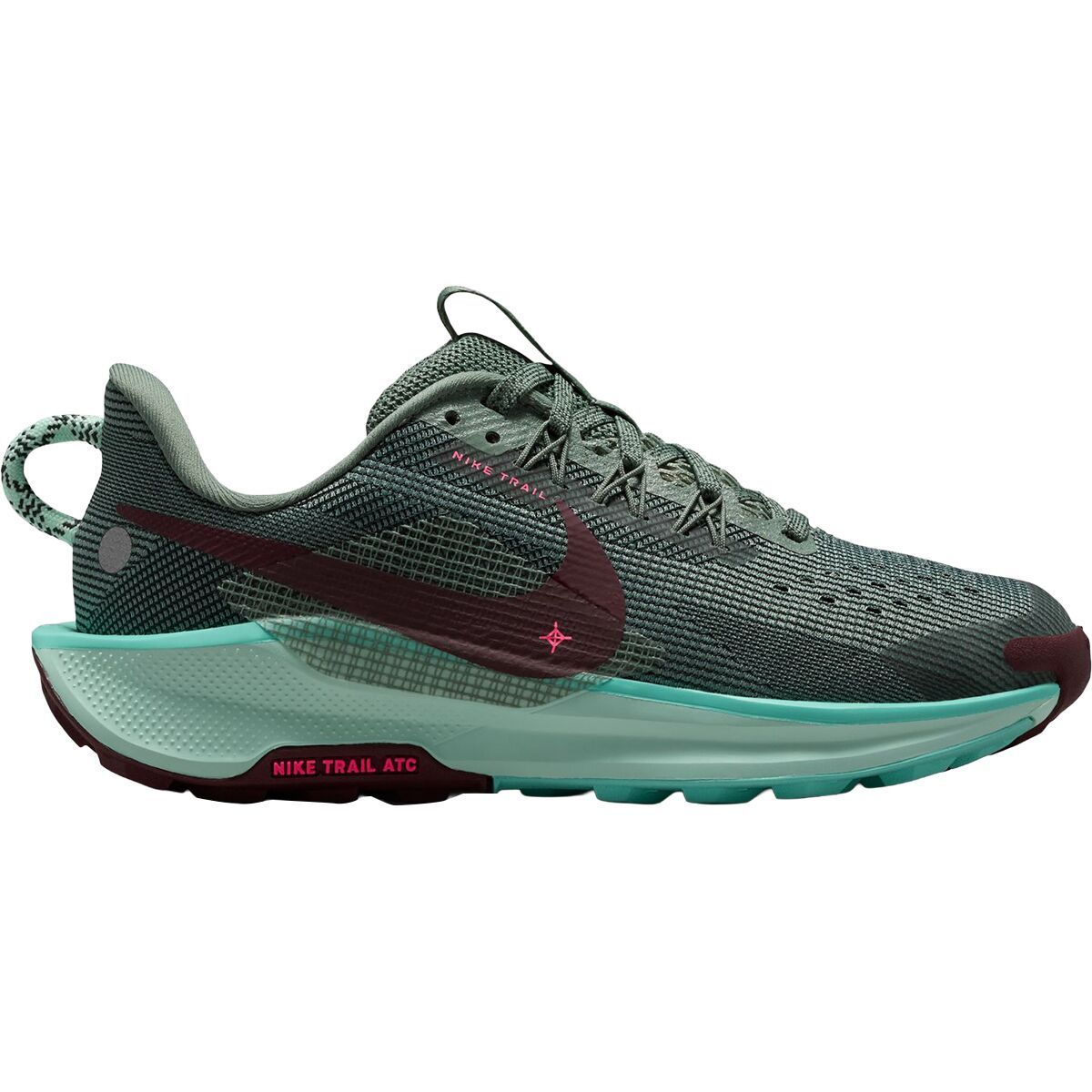
Nike Pegasus Trail 5
Our go-to trail-capable training shoe. React foam + sticky outsole.