Bike Fit Pain Guide
Click where it hurts. Get the adjustment that fixes it.
Quick Pain → Fix Reference
| Pain Location | Likely Cause | Quick Fix |
|---|---|---|
| Front of Knee | Saddle too low/forward | Raise saddle 2-3mm |
| Back of Knee | Saddle too high | Lower saddle 2-3mm |
| Outer Knee | Cleat angle wrong | Adjust cleat rotation |
| Lower Back | Reach too long / saddle high | Shorter stem, check height |
| Hands/Wrists | Bars too low/far | Raise bars, shorter stem |
| Neck | Bars too low | Add stem spacers |
| Feet (numb) | Cleats/shoes too tight | Move cleats back, loosen |
| Saddle Area | Saddle tilt/width/position | Level saddle, check width |
Where Does It Hurt?
Click on the body part that's painful
Or select directly:
Select Your Pain Location
Click on the cyclist diagram or select a pain location to see the adjustment that will fix it.
The 80/20 of Bike Fit
Most cycling pain comes from just three things:
Saddle Height
Causes 60% of knee pain
Handlebar Reach
Causes back, neck, hand issues
Cleat Position
Causes knee & foot pain
Front Knee Pain
Saddle Too Low or Too Far Forward
The Fix: Raise your saddle 2-3mm at a time until pain resolves. If saddle is already high, move it back 5mm.
Symptoms
- ✓ Pain at front of kneecap
- ✓ Pain during climbing
- ✓ Quad burning/fatigue
- ✓ Knee feels "crunchy"
- ✓ Pain worse in big gear
Root Causes
- • Saddle too low
- • Saddle too far forward
- • Cleats too far forward
- • Cranks too long
- • Pushing too big a gear
Step-by-Step Fix
-
1
Mark current position - Put tape on seatpost at current height
-
2
Raise saddle 3mm - Use a ruler or the markings on your seatpost
-
3
Test ride 20-30 minutes - Check if pain is reduced
-
4
Repeat if needed - Continue raising 2-3mm until resolved
📐 The KOPS Check
With pedal at 3 o'clock position, drop a plumb line from the front of your kneecap. It should fall over the pedal spindle. If it's in front, move saddle back.
⚠️ If Pain Persists:
- • Check cleat position (may be too far forward)
- • Consider shorter cranks if you have limited hip mobility
- • See a bike fitter if no improvement after 2-3 adjustments
Back of Knee Pain
Saddle Too High
The Fix: Lower your saddle 2-3mm at a time. Your knee should have 25-35° bend at bottom of pedal stroke.
Symptoms
- ✓ Pain behind knee
- ✓ Hamstring tightness
- ✓ Hips rocking side to side
- ✓ Toe pointing at bottom of stroke
- ✓ Lower back pain (sometimes)
Root Causes
- • Saddle too high
- • Saddle too far back
- • Cleats too far back
- • Hamstring inflexibility
Step-by-Step Fix
-
1
Check heel test - Pedal backward with heel on pedal. Leg should be almost straight at bottom.
-
2
Lower saddle 3mm - Mark current position first
-
3
Check hip movement - Have someone watch from behind. Hips should stay stable.
-
4
Test ride - Pain should reduce within 1-2 rides
📐 The 109% Rule
A starting point for saddle height: Inseam × 1.09 = saddle height (measured from pedal spindle to top of saddle). Fine-tune from there.
Outer Knee Pain
Cleat Rotation or Q-Factor Problem
The Fix: Adjust cleat rotation to allow your natural foot angle. If feet point outward when standing, cleats should allow that position.
Symptoms
- ✓ Pain on outside of knee
- ✓ IT band tightness
- ✓ Knee tracks outward when pedaling
- ✓ Pain worse on one side
Root Causes
- • Cleat angle forcing foot inward
- • Q-factor too narrow
- • Float not set correctly
- • Leg length difference
Step-by-Step Fix
-
1
Stand naturally - Note your foot angle. Do they point out?
-
2
Check cleat angle - Loosen cleats and rotate heel inward (toes out) slightly
-
3
Check float - Use cleats with more float (6-9°) if unsure
-
4
Consider pedal spacers - If you have wide hips, add 1-2mm spacers
Lower Back Pain
Reach, Height, or Core Strength
The Fix: Check saddle height first (hip rock = too high). Then consider a shorter stem to reduce reach. Core strength is often the underlying issue.
Symptoms
- ✓ Aching lower back during/after ride
- ✓ Pain worse on long rides
- ✓ Difficulty maintaining position
- ✓ Need to sit up frequently
Root Causes
- • Saddle too high (hip rocking)
- • Reach too long
- • Handlebars too low
- • Weak core muscles
- • Saddle tilted nose-down
Step-by-Step Fix
-
1
Check saddle height first - Have someone watch your hips from behind. Any rocking = saddle too high.
-
2
Level your saddle - Use a level app. Nose-down forces you forward onto hands.
-
3
Shorten reach - Try a stem 10-20mm shorter, or flip stem for more rise.
-
4
Build core strength - Planks, dead bugs, bird dogs 3x/week
Numb Hands / Cyclist's Palsy
Too Much Weight on Hands
The Fix: Raise handlebars to shift weight back. Use a shorter stem. Add padding to bars and wear gloves. Change hand positions frequently.
Symptoms
- ✓ Numbness in ring/pinky fingers (ulnar)
- ✓ Numbness in thumb/index/middle (median)
- ✓ Tingling during/after ride
- ✓ Weak grip
- ✓ Wrist pain
Root Causes
- • Handlebars too low
- • Reach too long
- • Gripping too tight
- • Wrists bent (not straight)
- • Not changing hand position
Step-by-Step Fix
-
1
Raise bars - Add stem spacers above stem, or flip stem for positive rise
-
2
Shorter stem - Try 10-20mm shorter to reduce reach
-
3
Add padding - Double-wrap bar tape, use gel pads under tape
-
4
Keep wrists straight - Angle brake hoods so wrists are neutral
⚠️ Important:
If numbness persists for hours after riding or you have weakness, see a doctor. Chronic nerve compression can cause permanent damage.
Neck Pain
Handlebars Too Low
The Fix: Raise your handlebars. Add spacers under the stem, use a stem with more rise, or consider a shorter stem to reduce reaching.
Symptoms
- ✓ Stiff neck during/after rides
- ✓ Upper back tension
- ✓ Headaches
- ✓ Difficulty looking ahead
Root Causes
- • Bars too low (craning neck)
- • Reach too long
- • Poor flexibility
- • Weak core (can't hold position)
Step-by-Step Fix
-
1
Add spacers - Move spacers from above stem to below stem
-
2
Flip stem - Change from negative to positive rise (6° to +6°)
-
3
Shorter stem - Reduces reach and effective drop
-
4
Neck stretches - Chin tucks, ear-to-shoulder stretches daily
Shoulder Pain/Tension
Reach Too Long
The Fix: Shorten your reach with a shorter stem. Also check that your elbows have a slight bend - locked elbows transmit road vibration to shoulders.
Symptoms
- ✓ Shoulder tension/pain
- ✓ Hunched shoulders
- ✓ Locked elbows
- ✓ Feeling "stretched out"
Root Causes
- • Stem too long
- • Frame too big
- • Bars too wide
- • Gripping too tight
Step-by-Step Fix
-
1
Check elbow angle - Should have 10-20° bend, not locked straight
-
2
Try shorter stem - 10-20mm shorter brings bars closer
-
3
Relax your grip - Consciously drop shoulders, loosen hands
Hip Pain
Saddle Height or Cleat Rotation
The Fix: Lower saddle if hips are rocking. Check cleat rotation allows natural leg movement. Consider wider Q-factor if you have wide hips.
Symptoms
- ✓ Hip pain/clicking
- ✓ Hips rocking when pedaling
- ✓ Groin pain
- ✓ Pain worse on one side
Root Causes
- • Saddle too high
- • Cleat rotation restricting natural movement
- • Q-factor too narrow
- • Leg length discrepancy
Step-by-Step Fix
-
1
Video yourself from behind - Watch for hip rock
-
2
If rocking, lower saddle - 3mm at a time
-
3
Check cleat float - Use cleats with 6°+ float
Numb Feet / Hot Foot
Cleat Position or Shoe Tightness
The Fix: Move cleats back (toward heel). Loosen shoe straps - feet swell during riding. Consider wider shoes or insoles.
Symptoms
- ✓ Numbness in toes
- ✓ Burning sensation (hot foot)
- ✓ Ball of foot pain
- ✓ Pain worse on long rides
Root Causes
- • Cleats too far forward
- • Shoes too tight
- • Shoes too narrow
- • Poor arch support
Step-by-Step Fix
-
1
Move cleats back 2-3mm - Ball of foot should be just ahead of pedal spindle
-
2
Loosen straps - Should be able to wiggle toes freely
-
3
Try insoles - Arch support can relieve pressure points
-
4
Consider wider shoes - Many brands now offer wide options
Saddle Discomfort
Saddle Tilt, Width, or Position
The Fix: Level your saddle first. If discomfort continues, you may need a different width or shape. Saddle width should match your sit bone width.
Symptoms
- ✓ Soft tissue numbness/pain
- ✓ Sit bone soreness
- ✓ Chafing
- ✓ Constantly shifting position
- ✓ Sliding forward on saddle
Root Causes
- • Saddle tilted nose-down (sliding forward)
- • Saddle tilted nose-up (soft tissue pressure)
- • Wrong saddle width
- • Wrong saddle shape for your anatomy
Step-by-Step Fix
-
1
Level your saddle - Use a level app on your phone. Perfectly flat is a good starting point.
-
2
Measure sit bones - Sit on corrugated cardboard, measure peak-to-peak distance. Add 20-25mm for saddle width.
-
3
Try a cutout saddle - If soft tissue numbness, a center cutout relieves pressure.
-
4
Use chamois cream - Reduces friction for longer rides.
📐 Sit Bone Width Guide
<100mm: 130mm saddle | 100-130mm: 143mm saddle | >130mm: 155mm+ saddle
When to Get a Professional Bike Fit
✓ DIY Can Work If:
- • Single pain point that's clearly position-related
- • Pain resolves with one or two adjustments
- • You're comfortable making small changes
- • You have basic tools (hex keys, level)
⚠️ See a Pro Fitter If:
- • Pain persists after trying adjustments
- • Multiple pain points at once
- • History of injuries or surgery
- • New to cycling and buying equipment
- • Training for events/racing
Pro Fit Cost: $150-400 depending on detail level. A good fit includes motion capture analysis, cleat positioning, and follow-up adjustments. Consider it an investment in injury prevention.
Related Cycling Tools
Frequently Asked Questions
What causes knee pain while cycling?
Front knee pain usually means saddle is too low or too far forward. Back of knee pain typically indicates saddle is too high. Outer knee pain often comes from incorrect cleat angle. Adjusting saddle height by 2-3mm increments can resolve most cycling knee pain.
Why do my hands go numb when cycling?
Numb hands (cyclist's palsy) is caused by too much weight on your hands, usually from handlebars that are too low or too far away. Raise bars, use a shorter stem, add padding, and wear gloves. Change hand positions frequently during rides.
How do I know if my saddle is too high?
Signs your saddle is too high: pain behind the knee, hips rocking side to side when pedaling, toe pointing at bottom of pedal stroke, lower back pain. Your knee should have 25-35 degrees of bend at the bottom of the pedal stroke.
How do I know if my saddle is too low?
Signs your saddle is too low: pain at the front of the knee, quad fatigue and burning, loss of power, knee angle greater than 35 degrees at bottom of stroke. Raise saddle in 2-3mm increments until knee pain resolves.
What causes lower back pain when cycling?
Lower back pain is commonly caused by: saddle too high (causing hip rock), reach too long (overextending), poor core strength, saddle tilted nose-down. Start by checking saddle height and consider a shorter stem.
How should I position my cleats?
The ball of your foot should be directly over the pedal spindle. Cleat rotation should allow your natural foot angle - if your feet point outward when walking, set cleats to allow that. Incorrect cleat position causes knee and foot pain.
Why does my neck hurt after cycling?
Neck pain is usually caused by handlebars being too low. Raise stem height with spacers, use a stem with more rise, or get a shorter stem to reduce reach. Core strength also helps maintain position without straining neck.
When should I get a professional bike fit?
Get a professional bike fit if: pain persists despite adjustments, you're new to cycling, you have injury history, you're training for events, or self-adjustments haven't worked after 2-3 weeks. Professional fits cost $150-400.
Featured at Backcountry — 15% off first order
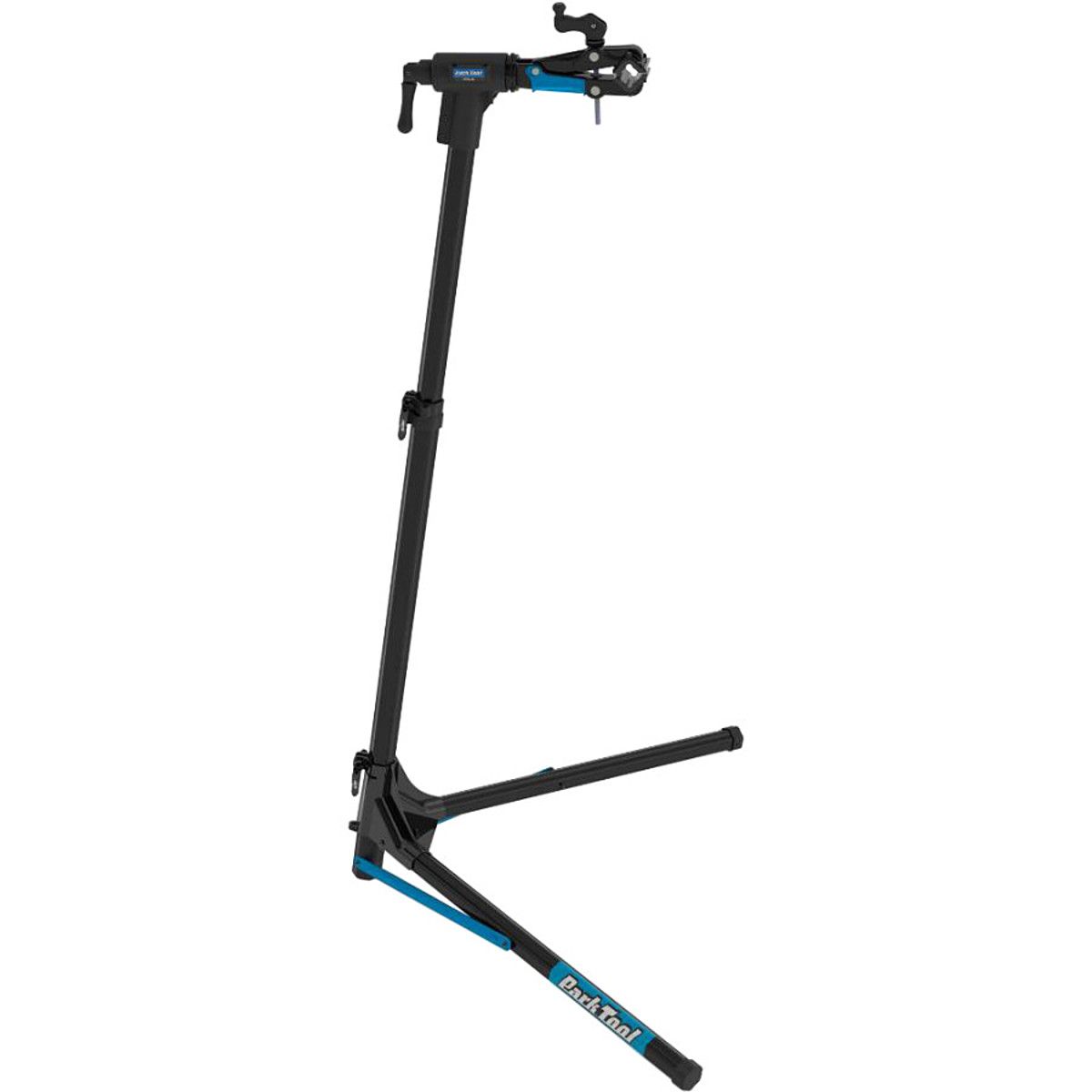
Park Tool PRS-25 Team Issue
Bike fitting starts with a real repair stand. Park Tool's PRS-25 is what pro team mechanics use.