Blog / Cycling Aero Gear 2026
Best Aero Road Helmets 2026
Aero road helmets save real watts: 8-15 watts at 25mph is typical. We researched 8 aero and semi-aero helmets from POC, Kask, Giro, and Specialized against manufacturer specs and verified owner reviews for aero performance, ventilation, and crash protection at $240-$600.
Our Top Picks for 2026
TL;DR: Our Verdict
The Specialized S-Works Evade 3 Mips ($300) is the best aero road helmet for most riders — excellent aerodynamics without sacrificing ventilation. For TT and triathlon, Giro Aerohead Mips II ($600). For a classic road helmet with light aero benefit, POC Octal Mips ($240).
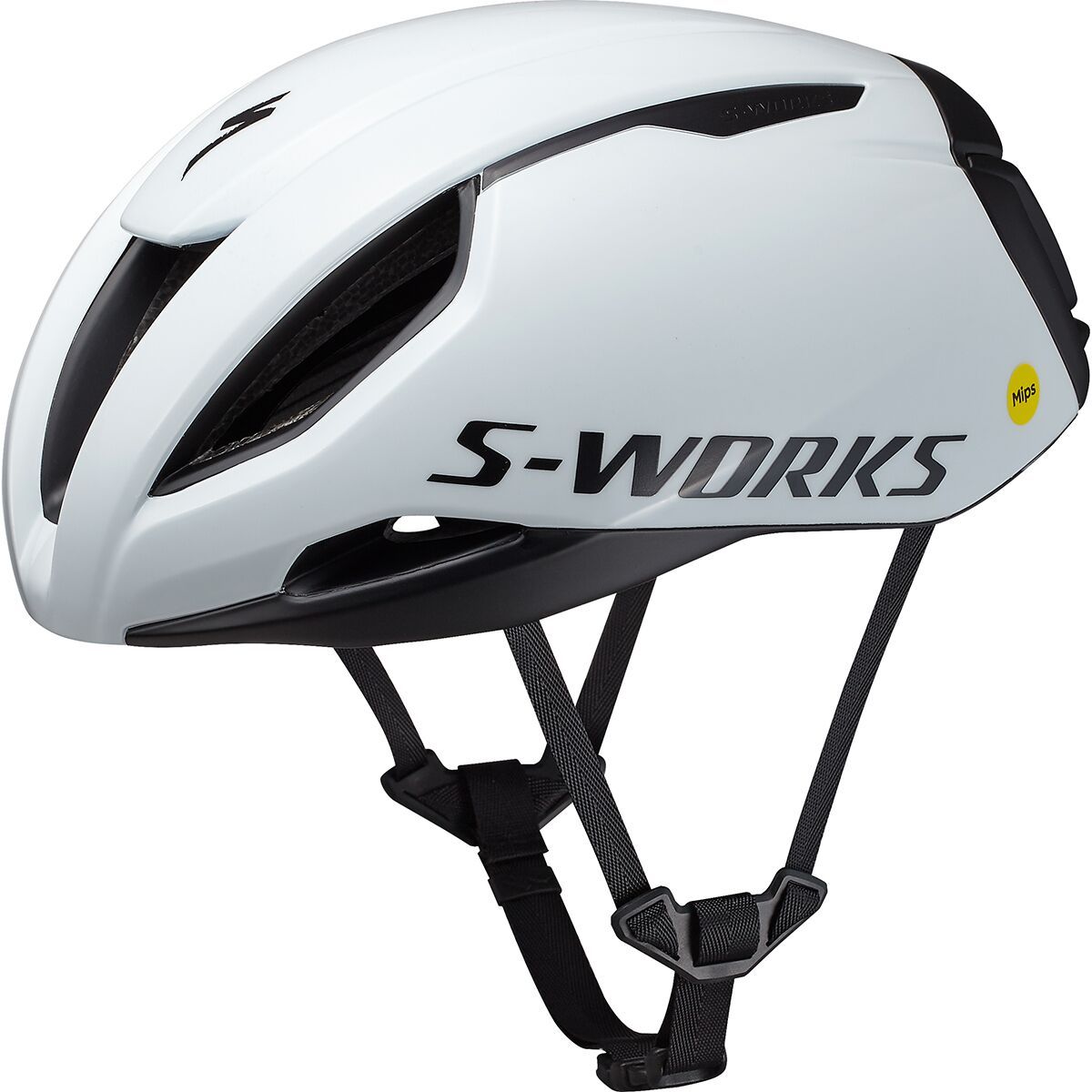
Specialized S-Works Evade 3 Mips Helmet
Specialized's Evade 3 is the ideal balance of aero, ventilation, and weight for road racing. 8-10 watts faster than a climbing helmet at 25mph, but actually ventilates well enough for 3-hour rides. Mips SL for rotational protection.
- ✓ Aero shape (8-10W savings)
- ✓ Mips SL rotational protection
- ✓ Strong ventilation for aero
- ✓ Weight under 300g
- ✓ Fit system: Occipital Mips SL
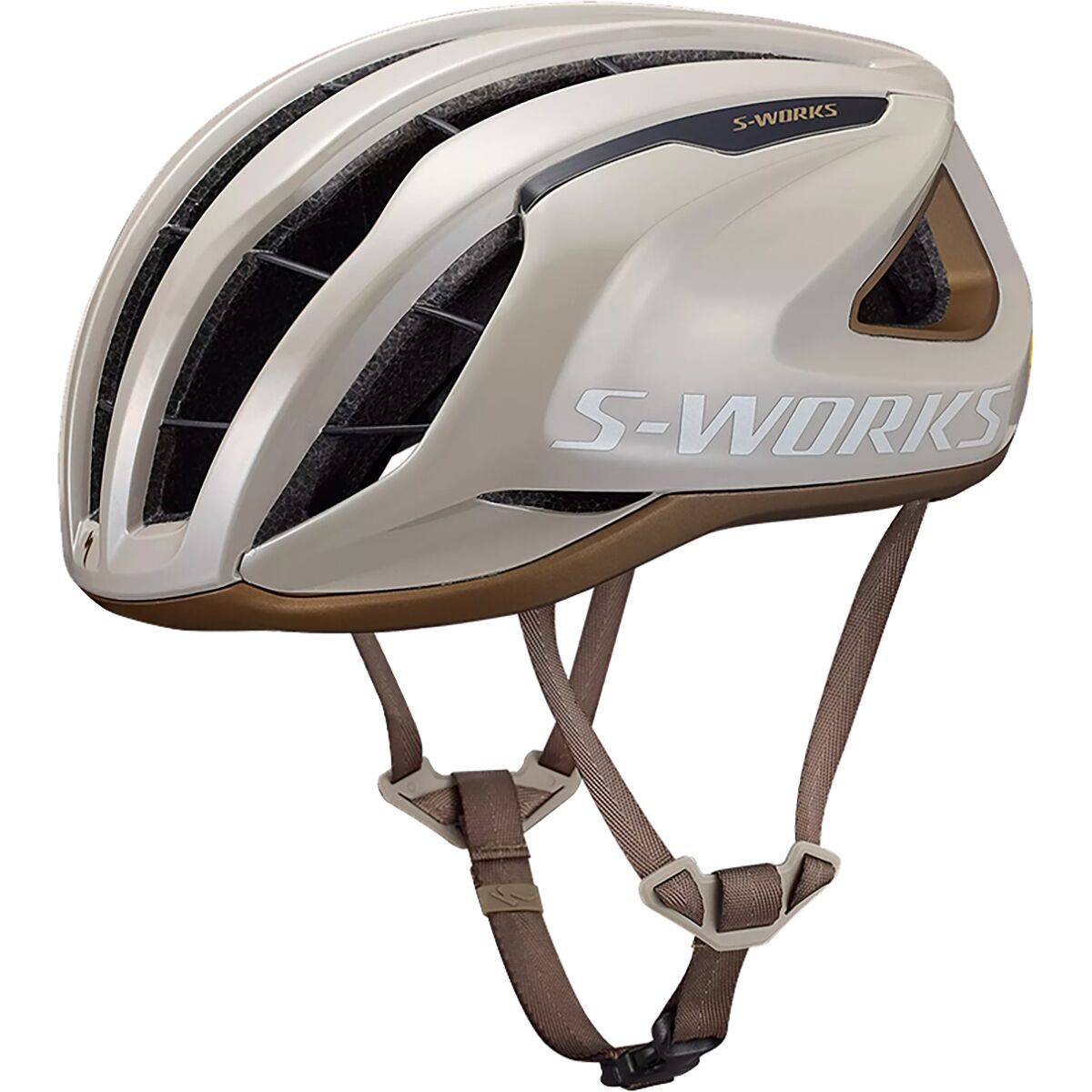
Specialized S-Works Prevail 3 Mips Helmet
If your rides have 3000+ft climbing and ventilation beats aero, the Prevail 3 is Specialized's lightweight sibling to the Evade. Maximum cooling with minimal aero penalty. What you see pro climbers wearing.
- ✓ Lightweight venting focus
- ✓ Mips SL rotational protection
- ✓ Sub-280g weight
- ✓ Maximum airflow
- ✓ Fits S-Works Evade interchangeable pads
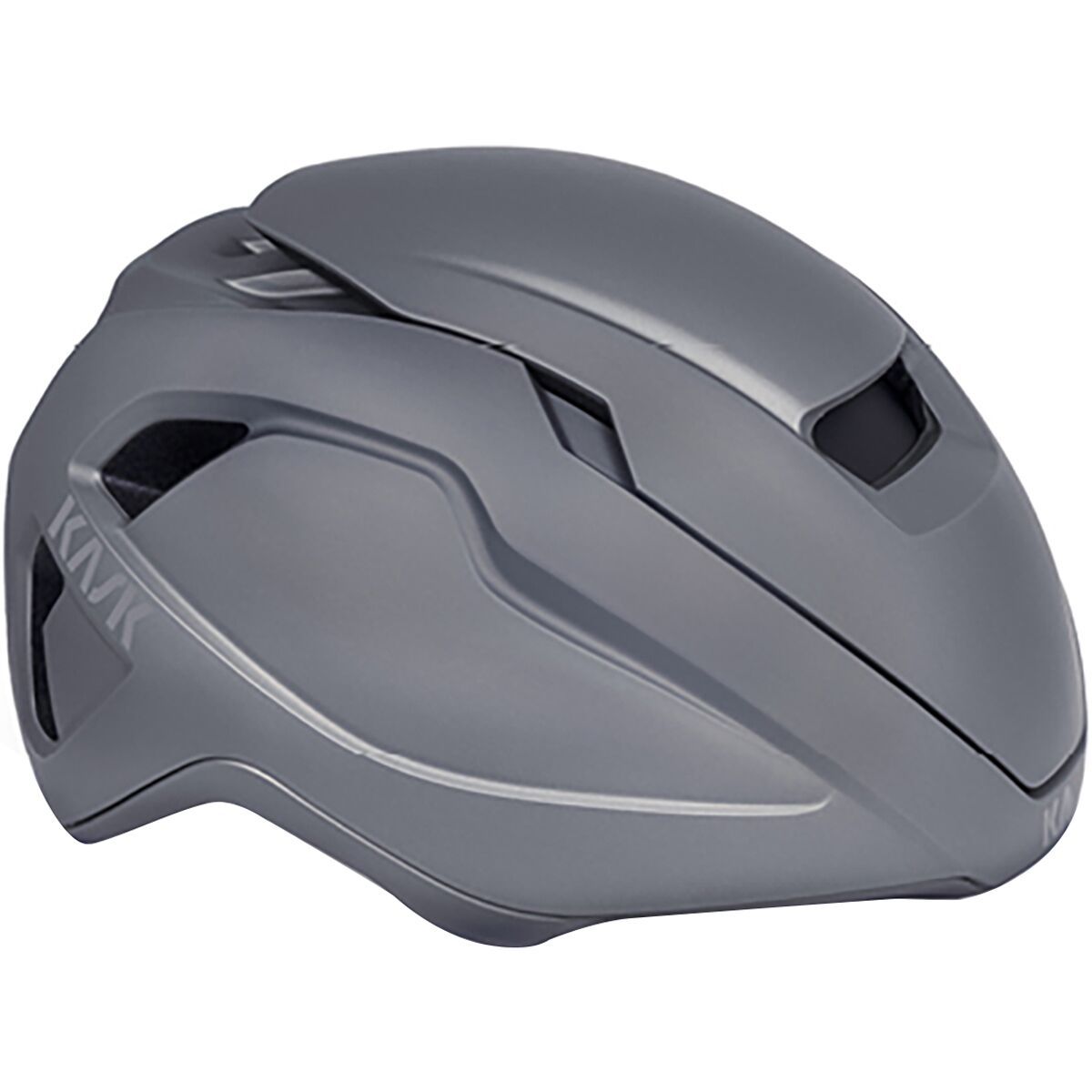
Kask Wasabi Helmet
Kask's semi-aero road helmet — the one Team INEOS Grenadiers wear. Integrated rear spoiler for aero, large vents up front. Made in Italy with Kask's reputation for fit and finish. The premium choice.
- ✓ Made in Italy
- ✓ Integrated aero spoiler
- ✓ Strong front ventilation
- ✓ WG11 safety certification
- ✓ Kask lifetime build
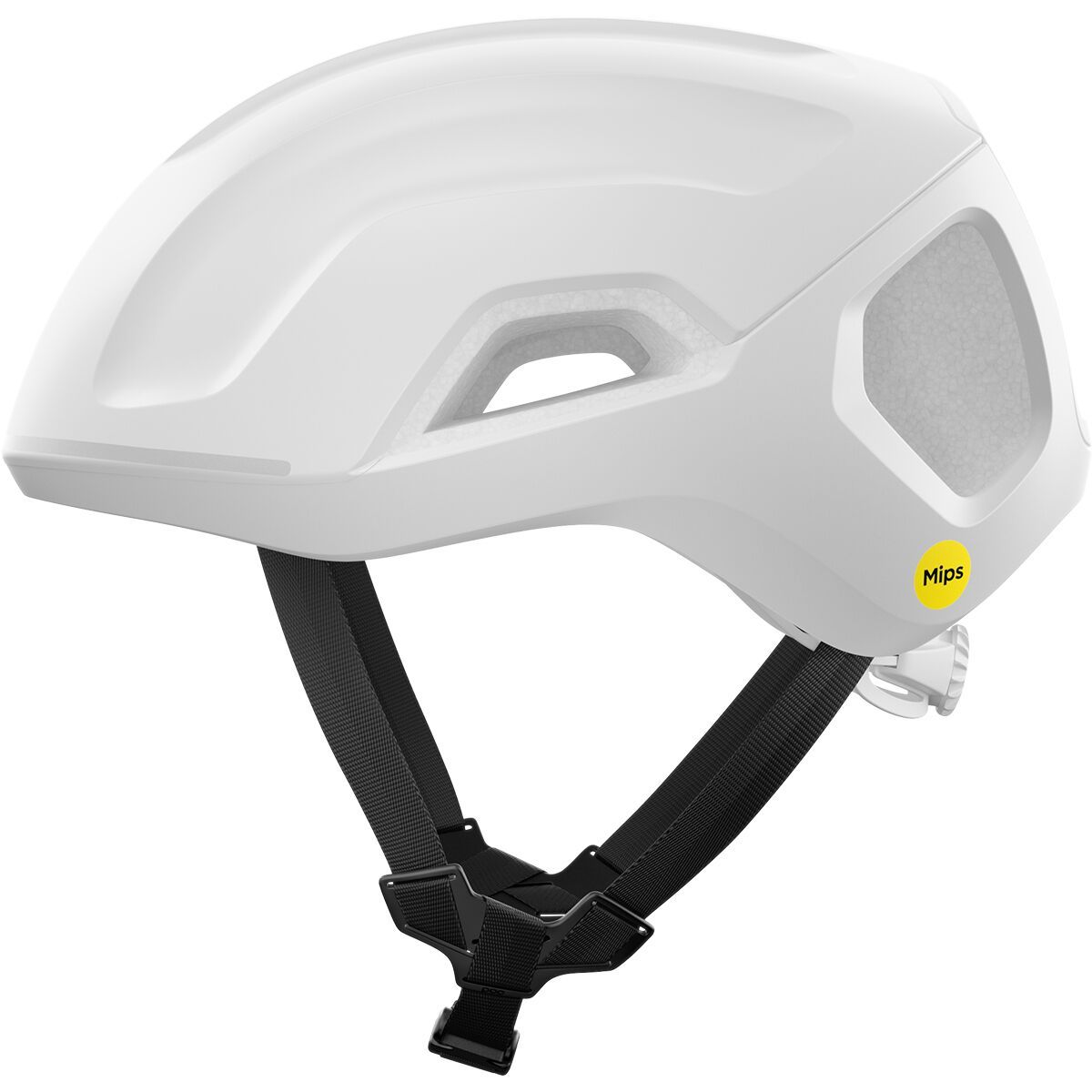
POC Ventral Tempus MIPS Helmet
POC's Ventral Tempus is a temperature-regulating aero helmet — passive cooling channels that actually drop head temperature in sun. Bright white reflects heat, and MIPS rotational protection.
- ✓ Temperature-regulating design
- ✓ MIPS rotational protection
- ✓ Reflects solar heat
- ✓ Aero shape
- ✓ POC Swedish build
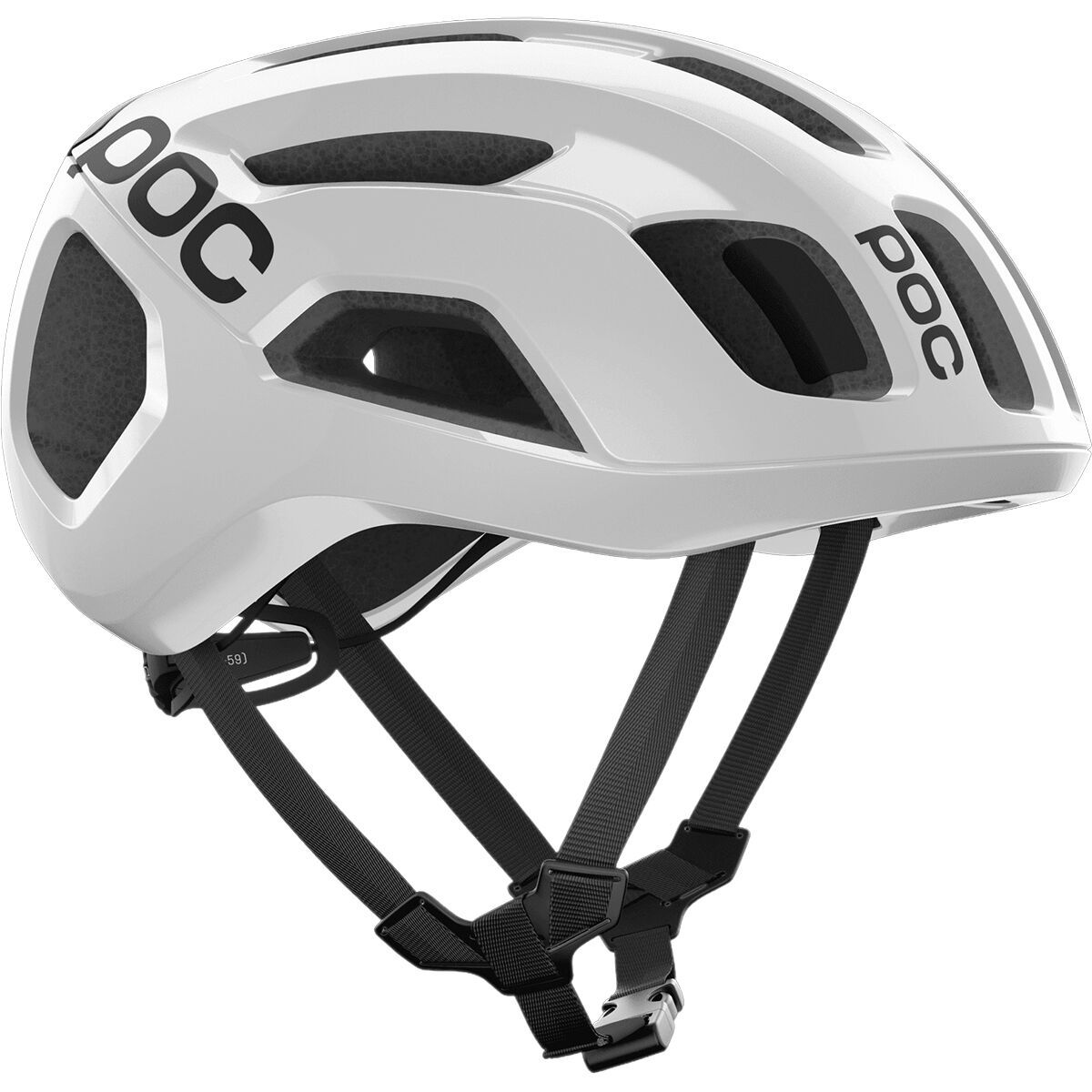
POC Ventral Air MIPS Helmet
The core Ventral Air — POC's benchmark all-round road helmet. Semi-aero shape, MIPS protection, strong venting, and that signature POC styling. What most POC riders actually buy.
- ✓ Semi-aero shape
- ✓ MIPS rotational protection
- ✓ Strong venting
- ✓ NFC medical ID compatible
- ✓ POC Swedish build
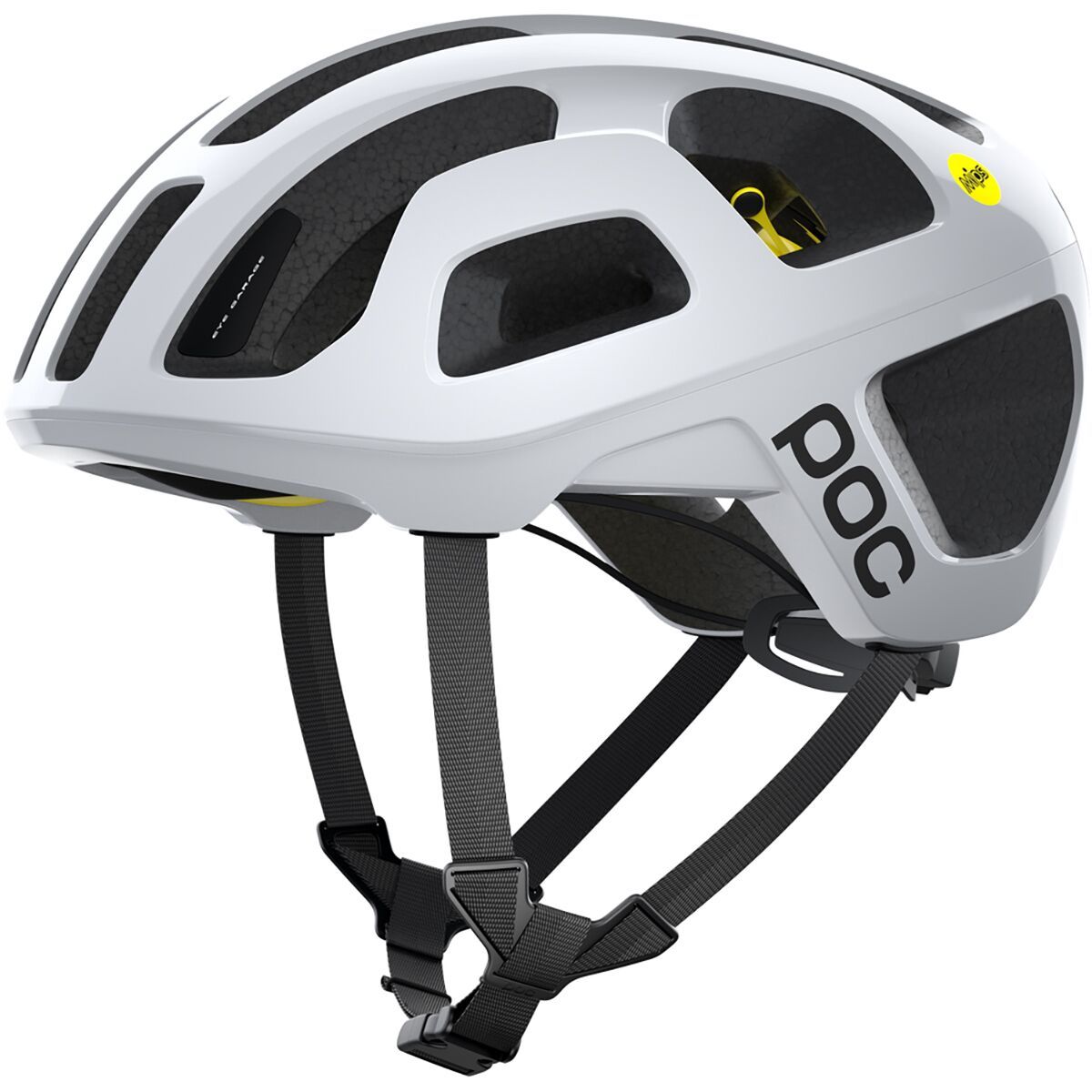
POC Octal Mips Helmet
POC Octal Mips is the classic climber-priority road helmet. Maximum ventilation, minimal aero benefit, POC's signature fit. Best at-price POC helmet for riders who don't race but want the brand quality.
- ✓ Ventilation-first design
- ✓ MIPS rotational protection
- ✓ Classic road helmet shape
- ✓ Lighter than Ventral series
- ✓ POC lifetime build
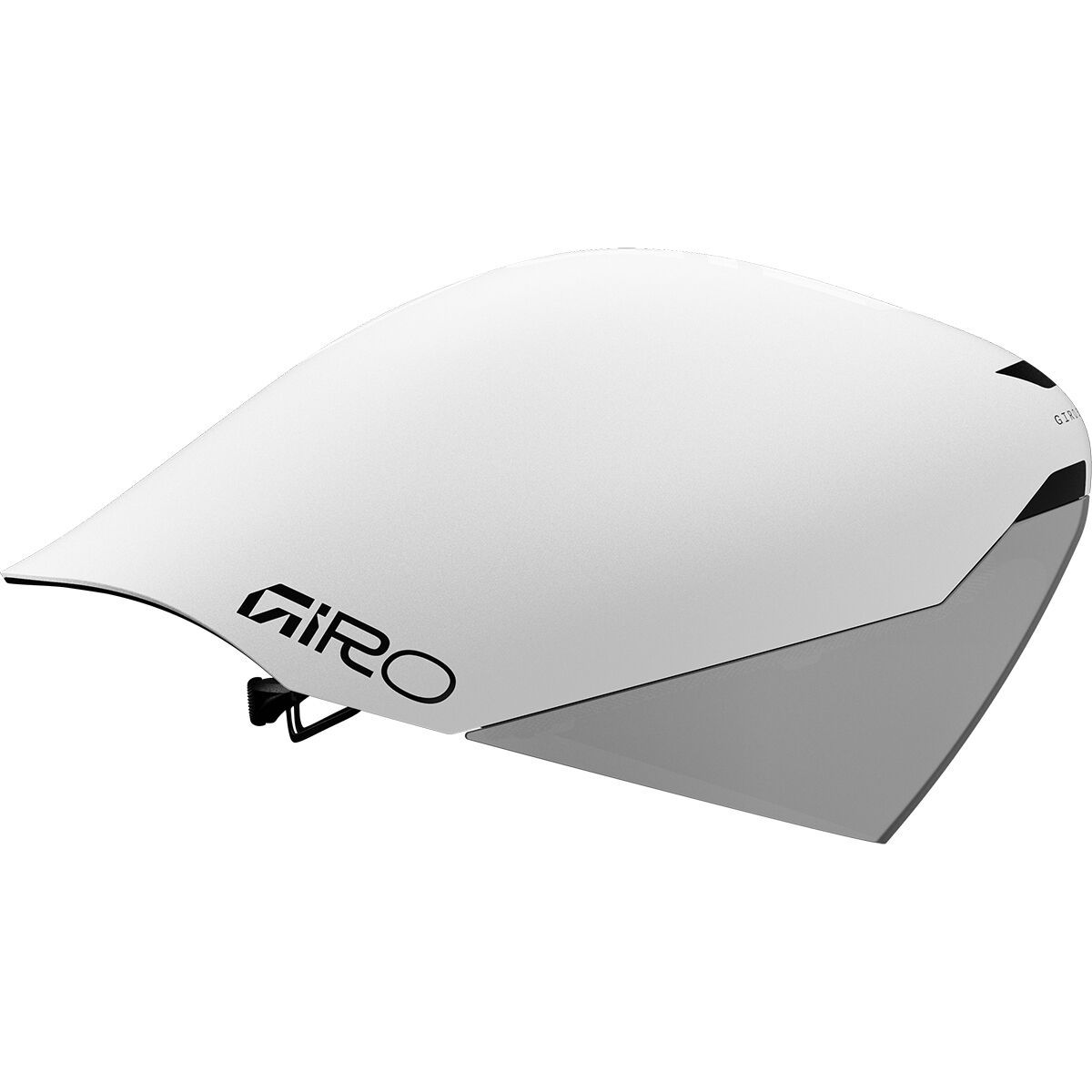
Giro Aerohead MIPS II Helmet
Giro's TT flagship. The Aerohead II is for time trialing and triathlon — integrated shield, teardrop tail, minimal ventilation but maximum aero savings. Tested in the wind tunnel by WorldTour teams.
- ✓ TT/Triathlon-specific
- ✓ Integrated face shield
- ✓ Teardrop aero tail
- ✓ MIPS Air Node
- ✓ Wind-tunnel optimized
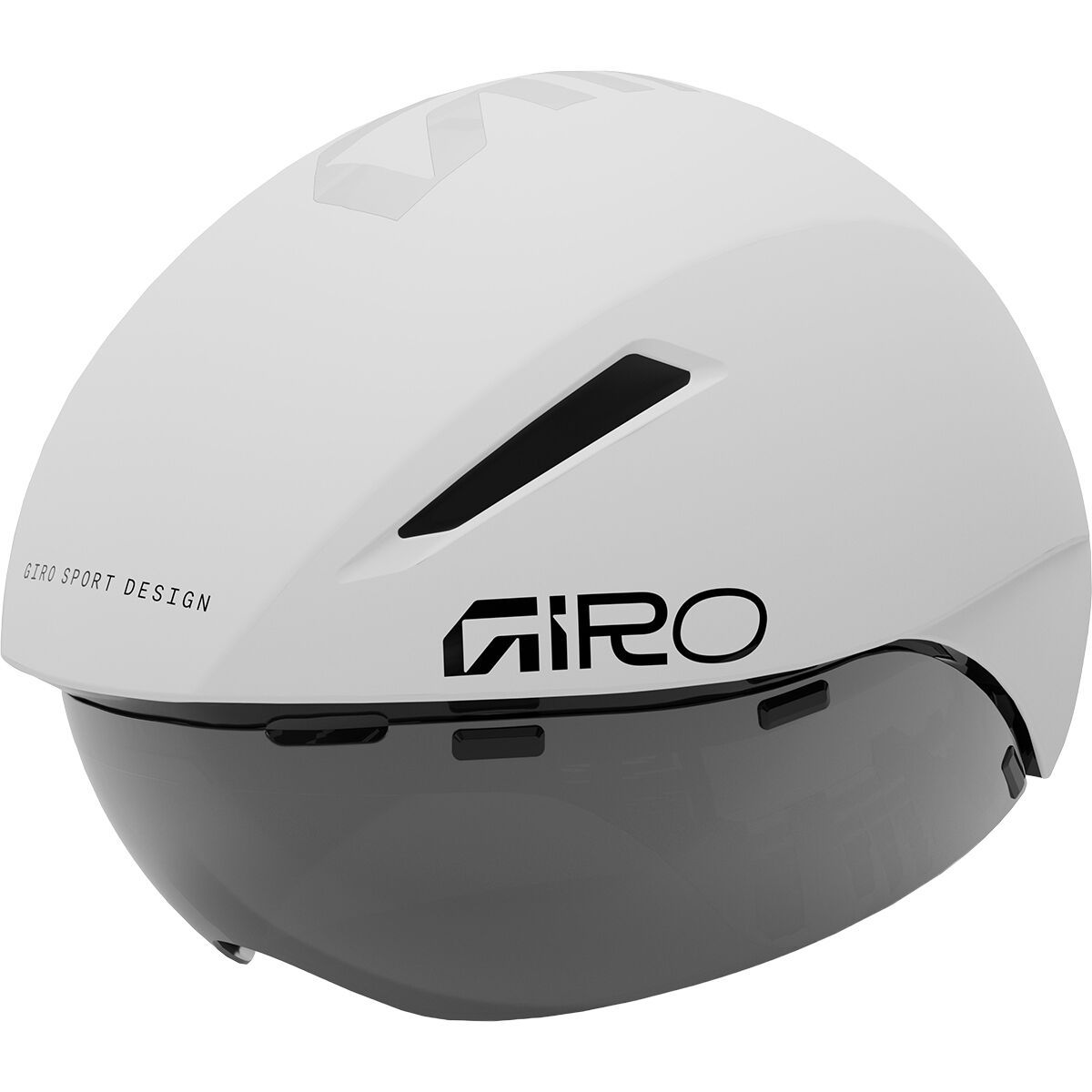
Giro Aerohead Mips Helmet (Original)
The original Aerohead Mips — the TT helmet that made aero accessible at this price point. Still a very solid choice if you're tri-curious and don't need the latest wind-tunnel-tested MIPS II refinements.
- ✓ TT/Triathlon shape
- ✓ Integrated shield
- ✓ MIPS rotational protection
- ✓ Teardrop aero tail
- ✓ Solid entry-level TT
Frequently Asked Questions
How many watts does an aero helmet actually save?
At 25 mph on flat ground, 8-15 watts vs. a vented climbing helmet. At 35 mph (TT), the gap widens to 15-30 watts between a true TT helmet and a vented road helmet. On a flat 40K TT, that's 2-5 minutes. For climbing, aero saves ~3-4 watts but loses cooling efficiency, so don't wear an aero helmet on a hot 3-hour climb day.
Do MIPS and rotational protection systems actually work?
Laboratory tests show MIPS, Mips SL, and Mips Air Node reduce rotational force transmission by 15-25%. Real-world crash data is less clear but trending positive. Is it worth $50-100 premium? If you crash, yes. If you won't, probably not.
Aero helmet or time-trial helmet for my tri?
For a 70.3 or Ironman, a semi-aero road helmet (Evade 3, Wasabi, Ventral Tempus) is better than a full TT helmet — you breathe better on 4-8 hour rides, and the aero difference is marginal. For a sprint or Olympic-distance tri under 90 minutes, go TT (Aerohead II). TT helmets cost you ventilation; short races don't penalize that.
What's the fit difference between brands?
POC runs narrower (good for narrow heads), Kask is medium and oval, Specialized is rounder, Giro is oval with adjustable straps. All have interchangeable pad thicknesses — you can tune fit after purchase. Try before you buy if possible.
Replace helmet after a crash, or cosmetic only?
Always replace after any real crash impact (you fell, even at 10 mph). The EPS liner compresses on impact and loses protection. Cosmetic scuffs from dropping the helmet from a handlebar = safe to keep. Replace 3-5 years regardless — UV and sweat degrade the foam.
Related 2026 Gear Guides
- Best Cycling Helmets 2026 — Non-aero road picks
- Best Cycling Sunglasses 2026 — Pair with your helmet
- Best Triathlon Bikes 2026 — TT bike to match the helmet
- Best Road Bikes 2026 — What to pair with aero helmet
- Best Power Meters 2026 — Measure your aero savings