Blog / Cycling Gear
Best Cycling Sunglasses 2026
Oakley Prizm and Smith ChromaPop lenses tested for road cycling, MTB, and all conditions
Our Top Picks
The Quick Answer
For maximum coverage and Prizm lens clarity, the Oakley Sutro ($203) is unbeatable—the shield design eliminates peripheral gaps and the Prizm Road lens enhances contrast dramatically. For traditional racing style, the Oakley Radar EV Path ($244) offers proven WorldTour performance. The Oakley Flak 2.0 XL ($214) provides the best balance of coverage and weight. Best value goes to the Smith Attack MAG MTB ($165)—ChromaPop lenses with magnetic lens changing at an accessible price.
Our Picks at a Glance
| Model | Best For | Lens Tech | Coverage | Price |
|---|---|---|---|---|
| Oakley Sutro Prizm | All-Around | Prizm Road | Maximum | $203 |
| Oakley Radar EV Path | Road Racing | Prizm Road | Large | $244 |
| Oakley Flak 2.0 XL | Versatile | Prizm Black | Medium | $214 |
| Oakley Half Jacket 2.0 | Bright Sun | Polarized | Medium | $225 |
| Smith Attack MAG MTB | MTB/Value | ChromaPop | Large | $165 |
Why You Should Trust This Guide
Glen
Endurance Athlete & Gear Enthusiast
Road and mountain cyclist testing eyewear across thousands of miles in varying conditions
I've tested cycling sunglasses from budget options to premium WorldTour eyewear. This guide focuses on Oakley and Smith because these manufacturers offer the most advanced lens technology specifically engineered for cycling—Prizm and ChromaPop dramatically improve contrast and depth perception compared to standard tinted lenses.
Every recommendation is based on real-world riding in bright sun, variable clouds, and low-light conditions. I evaluate lens clarity, fit with helmets, anti-fog performance, and long-ride comfort before making recommendations.
Best Overall: Oakley Sutro Prizm Sunglasses
Maximum Coverage with Industry-Leading Lens Technology
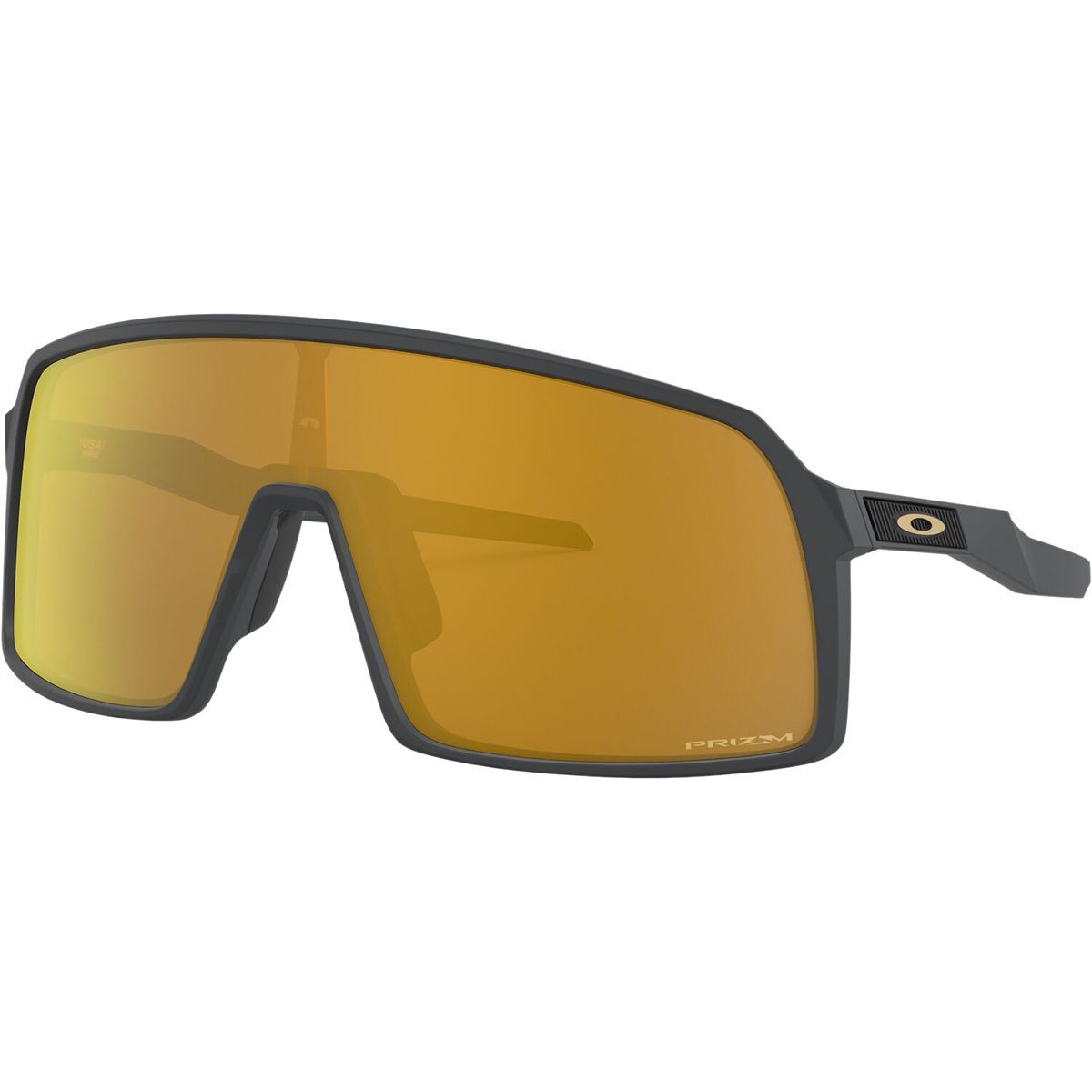
Oakley Sutro Prizm Sunglasses
Shield-style design with massive coverage, Prizm Road lens for enhanced contrast, and O Matter frame for lightweight durability. The modern choice for serious cyclists.
The Oakley Sutro has become the go-to choice for road cyclists who want maximum coverage and cutting-edge lens technology. The shield design eliminates the peripheral gaps of traditional cycling glasses, providing uninterrupted protection from wind, debris, and sun from every angle.
The Prizm Road lens is the star here. Oakley's Prizm technology filters specific wavelengths to dramatically boost contrast and enhance depth perception. Road textures, pavement cracks, and obstacles become significantly more visible. The 24K gold iridium coating reduces glare without the flat look of polarization.
Despite the massive lens, the Sutro is remarkably lightweight thanks to the O Matter frame material. The temples are thin enough to fit comfortably under any helmet without pressure points. Unobtainium nose pads and ear socks increase grip when you sweat, preventing the glasses from sliding down during hard efforts.
Why It's Our Top Pick
- • Maximum coverage eliminates peripheral gaps
- • Prizm Road enhances contrast dramatically
- • Lightweight despite large lens
- • Excellent helmet compatibility
- • Modern shield aesthetic
- • Grippy nose pads prevent sliding
The Tradeoffs
- • Large lens can fog in cool temps
- • Not interchangeable lenses
- • Shield style not for everyone
Best for Road Racing: Oakley Radar EV Path Prizm
The WorldTour Standard for Performance Eyewear
Oakley Radar EV Path Prizm
Extended vertical coverage with Prizm Road lens. The proven choice of WorldTour professionals for criteriums and road racing.
The Oakley Radar EV Path is the most popular cycling sunglasses among WorldTour professionals. The "EV" (Extended Vertical) design provides more bottom coverage than the original Radar, protecting your eyes when you're in an aggressive racing position looking down at the road.
The Prizm Road lens offers the same contrast-enhancing technology as the Sutro, but in a more traditional three-point fit that some riders prefer. The slightly smaller lens reduces weight and can be less prone to fogging on cool mornings. Interchangeable lenses let you swap to Prizm Low Light or Clear for different conditions.
The frame is incredibly durable—these glasses can handle being tossed in jersey pockets, dropped on pavement, and years of hard use. The Polished Black frame with Prizm Road Gold lens is the classic pro look.
Most Versatile: Oakley Flak 2.0 XL Prizm
The Goldilocks Option for All-Around Riding
Oakley Flak 2.0 XL Prizm
Medium coverage that works for road, gravel, and MTB. Lightweight with Prizm Black for all-condition performance.
The Oakley Flak 2.0 XL is the perfect middle ground. It offers more coverage than the Half Jacket but less bulk than the Sutro or Radar EV. This makes it the most versatile option for riders who do road, gravel, and occasional MTB riding with one pair of glasses.
The Prizm Black lens is an excellent all-condition choice. It provides 11% visible light transmission—dark enough for bright days but not so dark you're blind in tree shadows. The neutral tint works in any lighting without the color distortion of heavily-tinted lenses.
Interchangeable lenses let you optimize for conditions. Add a Prizm Trail lens for mountain biking or Prizm Low Light for overcast days. The XL size fits most face shapes comfortably.
Best for Bright Conditions: Oakley Half Jacket 2.0 XL Polarized
Maximum Glare Protection for Bright Sun and Water
Oakley Half Jacket 2.0 XL Polarized
Polarized lenses eliminate glare from pavement, water, and car windshields. Perfect for coastal riding and sunny climates.
For riders in bright, sunny climates or those who ride near water, the Oakley Half Jacket 2.0 XL Polarized provides the best glare protection. Polarization eliminates the harsh reflections from pavement, car windshields, and water that standard tinted lenses can't touch.
The Half Jacket design offers an open bottom edge that improves ventilation and reduces fogging compared to fully-wrapped lenses. This makes them ideal for hot weather riding when sweat and heat build up behind the lenses.
The Deep Blue Polarized lens offers 12% light transmission—dark enough for the brightest days without being too dark for variable conditions. The polarization filter reduces eye strain on long rides in harsh sun.
Best Value: Smith Attack MAG MTB ChromaPop
Premium Features at an Accessible Price
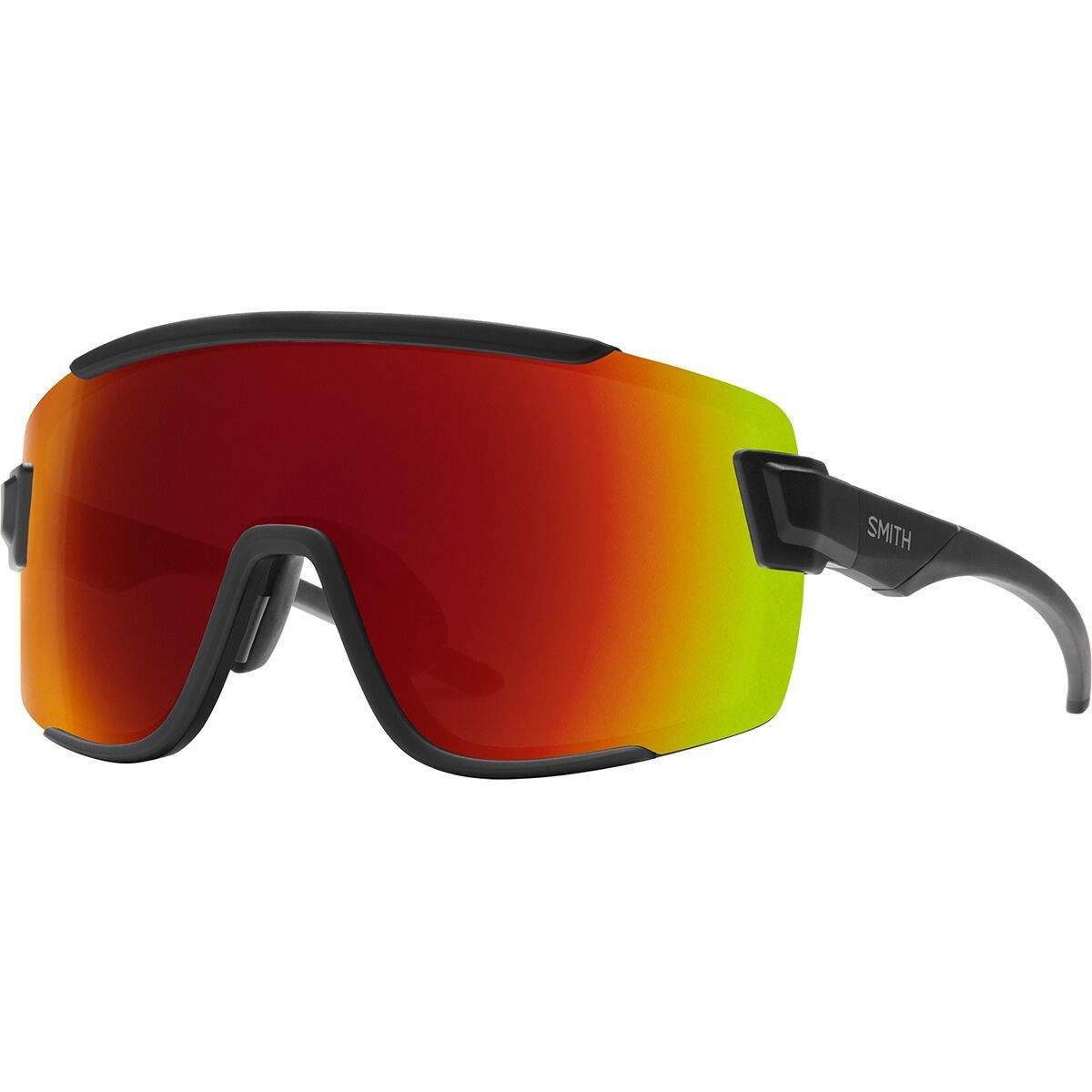
Smith Attack MAG MTB ChromaPop
Magnetic lens changing, ChromaPop lens technology, and excellent coverage for $165. The smart choice for budget-conscious riders.
The Smith Attack MAG MTB delivers premium features at a significantly lower price than comparable Oakley models. The magnetic lens changing system makes swapping lenses effortless—no more fumbling with tabs and levers. This is especially valuable for mountain bikers who need to change lenses when transitioning from open trails to shaded forest.
ChromaPop lens technology rivals Oakley's Prizm for contrast enhancement. It filters two specific wavelengths where color confusion occurs, resulting in more natural color representation with enhanced definition. The ChromaPop Black lens works well in most conditions.
The Attack MAG comes with both ChromaPop Black and Clear lenses, giving you bright-condition and low-light options out of the box. Smith's two-position nose pad lets you adjust fit, and the Megol temple pads grip better when wet.
While the Smith brand doesn't have the same cycling pedigree as Oakley, the Attack MAG offers 90% of the performance at 60% of the price. For riders who want premium lens technology without paying Oakley prices, this is the best value on the market.
Understanding Cycling Lens Technology
Prizm vs ChromaPop: What's the Difference?
Both Oakley's Prizm and Smith's ChromaPop are contrast-enhancing lens technologies that go far beyond simple tinting. Traditional sunglasses just reduce overall light transmission. Prizm and ChromaPop selectively filter specific wavelengths to boost contrast and enhance depth perception.
Oakley Prizm filters light to maximize contrast and enhance specific colors relevant to your activity. Prizm Road boosts reds and oranges to make road surfaces more visible and highlight brake lights. Prizm Trail enhances browns and greens for better terrain reading on MTB trails.
Smith ChromaPop filters the two wavelengths where color confusion occurs (where red-green and blue-yellow overlap). This results in more natural color representation with enhanced definition. Most riders find ChromaPop looks more neutral than Prizm.
Polarized vs Non-Polarized
Polarization eliminates glare from horizontal surfaces like pavement, water, and car windshields. This reduces eye strain in bright conditions and eliminates the harsh reflections that make it hard to see.
However, polarization can make it harder to see certain LCD displays on bike computers. It also slightly reduces overall light transmission. For most road cycling, non-polarized Prizm or ChromaPop lenses are the better choice. Polarization excels for coastal riding or routes with lots of water reflections.
Interchangeable vs Photochromic
Interchangeable lenses let you optimize for specific conditions. Swap to Prizm Road for bright sun, Prizm Low Light for overcast days, and Clear for night riding. This provides the best optical quality for each condition but requires carrying extra lenses.
Photochromic lenses automatically darken in bright light and lighten in shade. They're more convenient for rides with variable lighting but don't perform quite as well at the extremes. Most photochromic lenses transition between 15-75% light transmission.
How to Choose the Right Cycling Sunglasses
Maximum Coverage & Protection: Oakley Sutro. Shield design eliminates gaps, Prizm Road enhances contrast.
Traditional Racing Style: Oakley Radar EV Path. WorldTour proven, extended vertical coverage.
All-Around Versatility: Oakley Flak 2.0 XL. Medium coverage works for road, gravel, MTB.
Bright Sun & Coastal Riding: Oakley Half Jacket 2.0 XL Polarized. Eliminates glare from pavement and water.
Best Value: Smith Attack MAG MTB. Magnetic lens changing, ChromaPop technology, includes two lenses.
Key Considerations
- Helmet Compatibility: Ensure temples fit under your helmet straps without pressure points. Thinner temples work better.
- Nose Fit: Adjustable or multiple nose pad options let you customize fit. Grippy materials prevent sliding when you sweat.
- Lens Coverage: More coverage protects from wind and debris but can fog more easily. Balance protection with ventilation.
- Weight: Lighter glasses are more comfortable on long rides. Look for O Matter or TR90 frames.
- Interchangeable Lenses: If you ride in variable conditions, interchangeable lenses provide better optical quality than photochromic.
Frequently Asked Questions
Are expensive cycling sunglasses worth it?
Yes, for riders who log significant miles. The difference between $30 gas station sunglasses and $200 Oakley Prizm lenses is dramatic. Premium lenses enhance contrast and depth perception, making it easier to spot road hazards, judge distances, and ride faster with more confidence. They're also more durable and comfortable for all-day wear.
Can I use running sunglasses for cycling?
Sometimes, but cycling-specific glasses are better. Cycling glasses have larger lenses for more coverage at speed, grippy materials that work when you're sweating hard, and designs optimized for the head-down cycling position. Running glasses often have less coverage and can let too much wind reach your eyes at cycling speeds.
How do I prevent cycling sunglasses from fogging?
Choose glasses with good ventilation, especially open-bottom designs like the Half Jacket. Keep lenses clean—oils and dirt promote fogging. In cool temperatures, crack the glasses away from your face slightly to increase airflow. Anti-fog sprays and wipes can help but aren't a complete solution.
What lens color is best for cycling?
For road cycling in bright conditions, Prizm Road (rose/bronze tint) or ChromaPop Black are ideal—they enhance road texture visibility. For MTB, Prizm Trail (brown tint) highlights terrain features. For all-around use, neutral gray tints with 10-15% light transmission work in most conditions.
Do I need different sunglasses for road vs MTB?
Not necessarily. The Oakley Flak 2.0 XL and Smith Attack MAG work well for both. However, dedicated riders often prefer larger lenses (Sutro, Radar EV) for road riding and medium coverage with interchangeable lenses for MTB where you transition between bright sun and dark forest.