Blog / Cycling Gear
Best Cycling Power Meters 2026
Cycling power meters researched for accuracy, battery life, and value. Pedal-based, crank-based, and spider picks across every budget.
Best Cycling Power Meters for 2026
 BEST VALUE
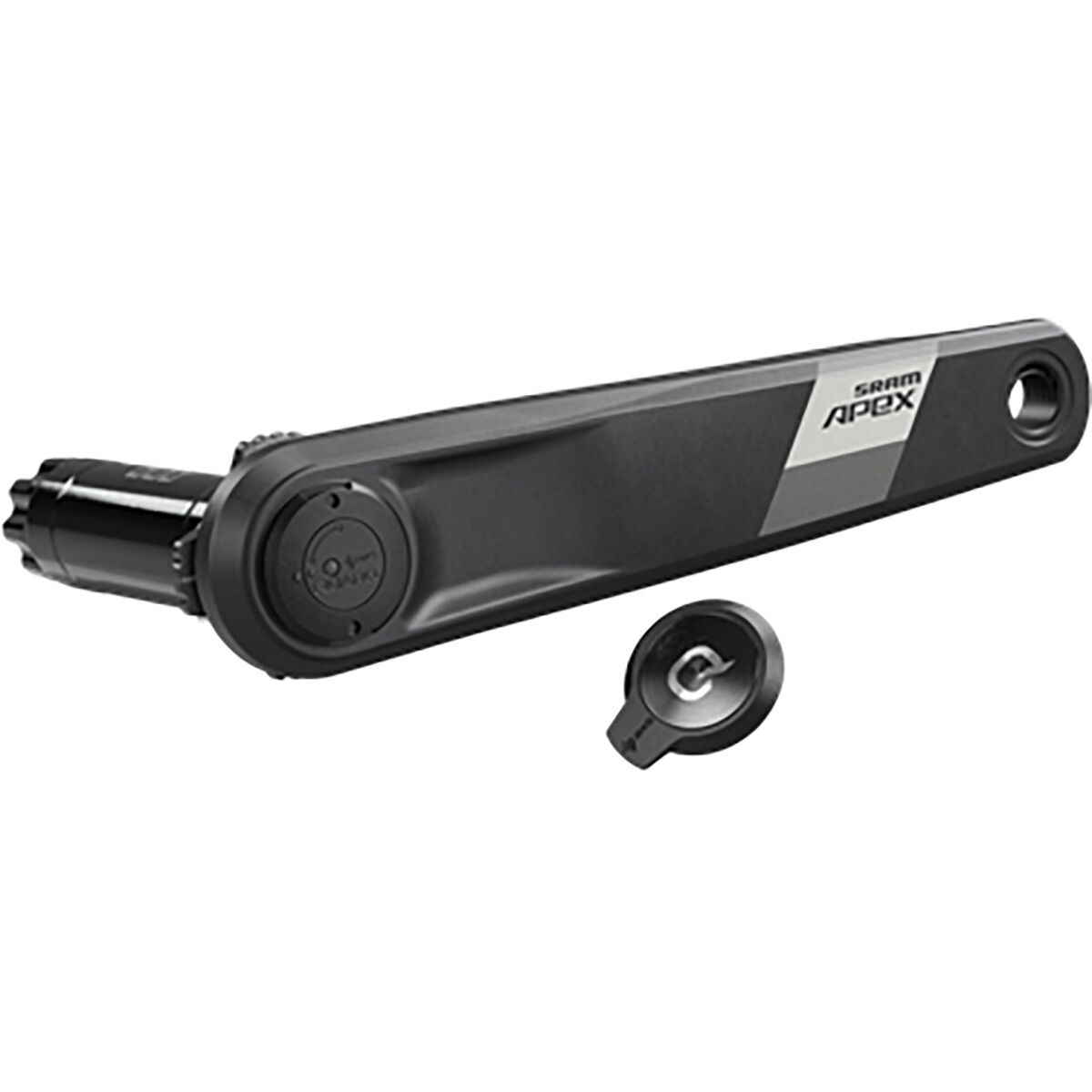
SRAM Apex DUB Left Crank Arm and Power Meter
$209
 TOP PICK
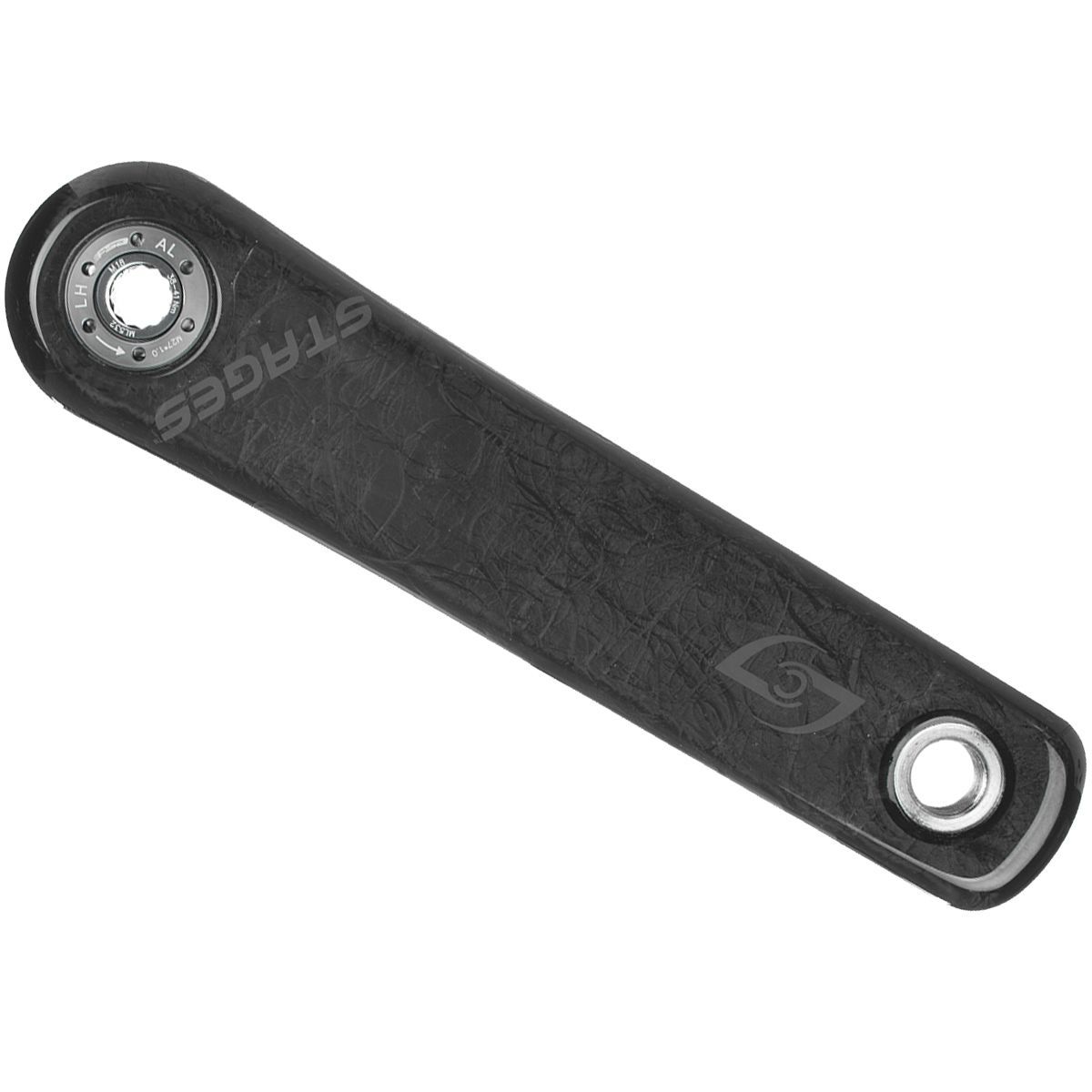
Stages Cycling
$388
 GREAT OPTION
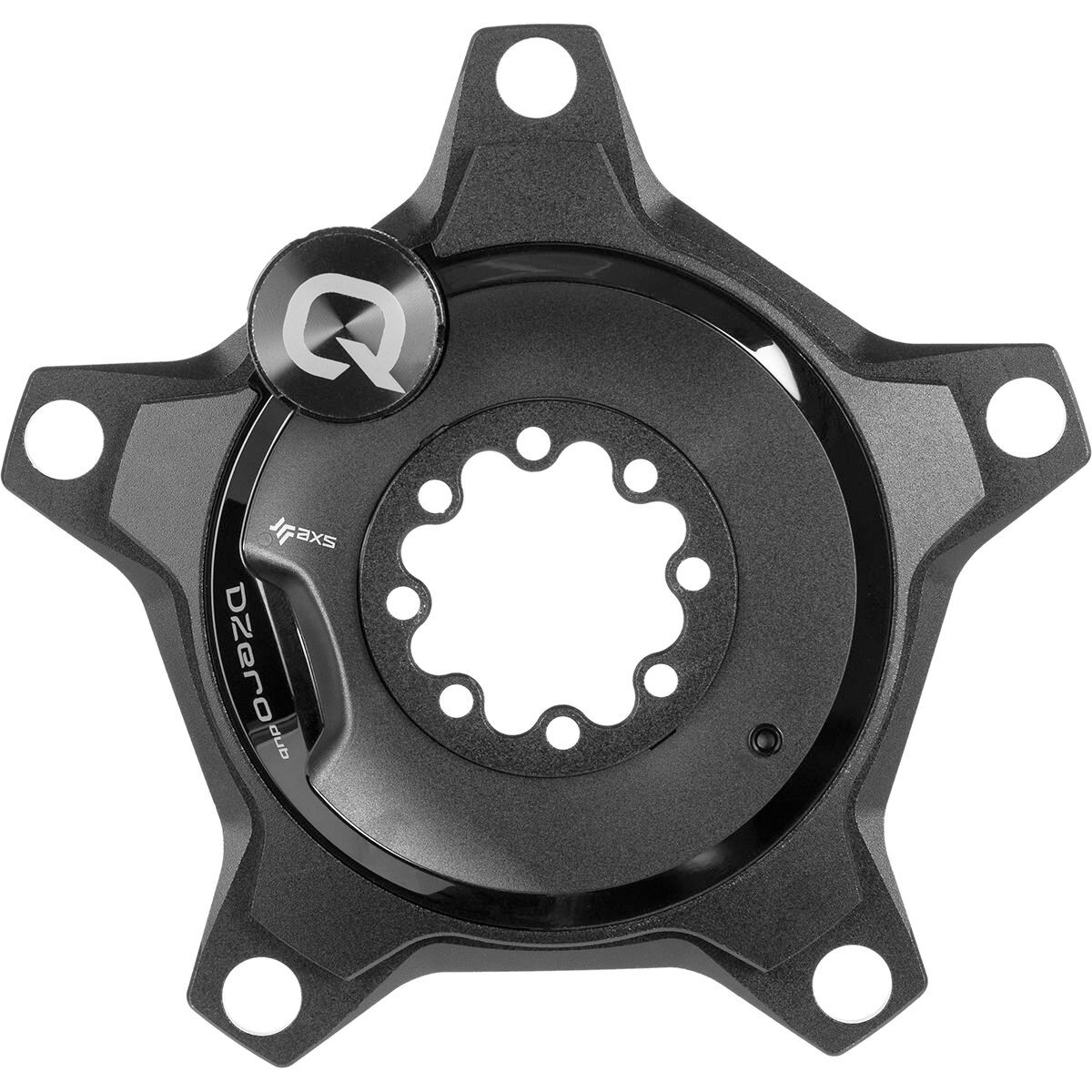
Quarq DZero DUB Power Meter Spider
$408
 PERFORMANCE PICK
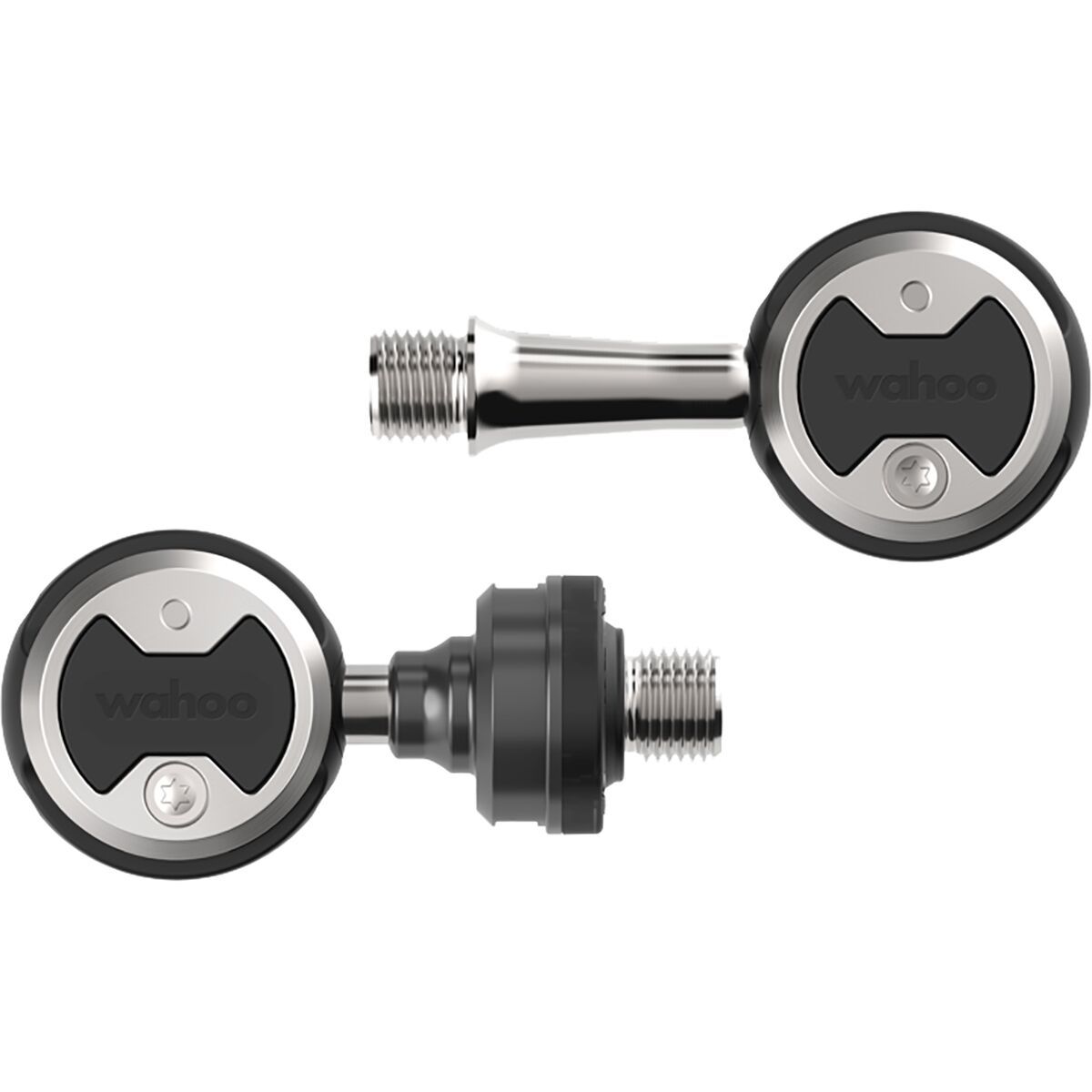
Wahoo Fitness POWRLINK ZERO Single-Sided Power Meter Pedals
$565
 BEST UPGRADE
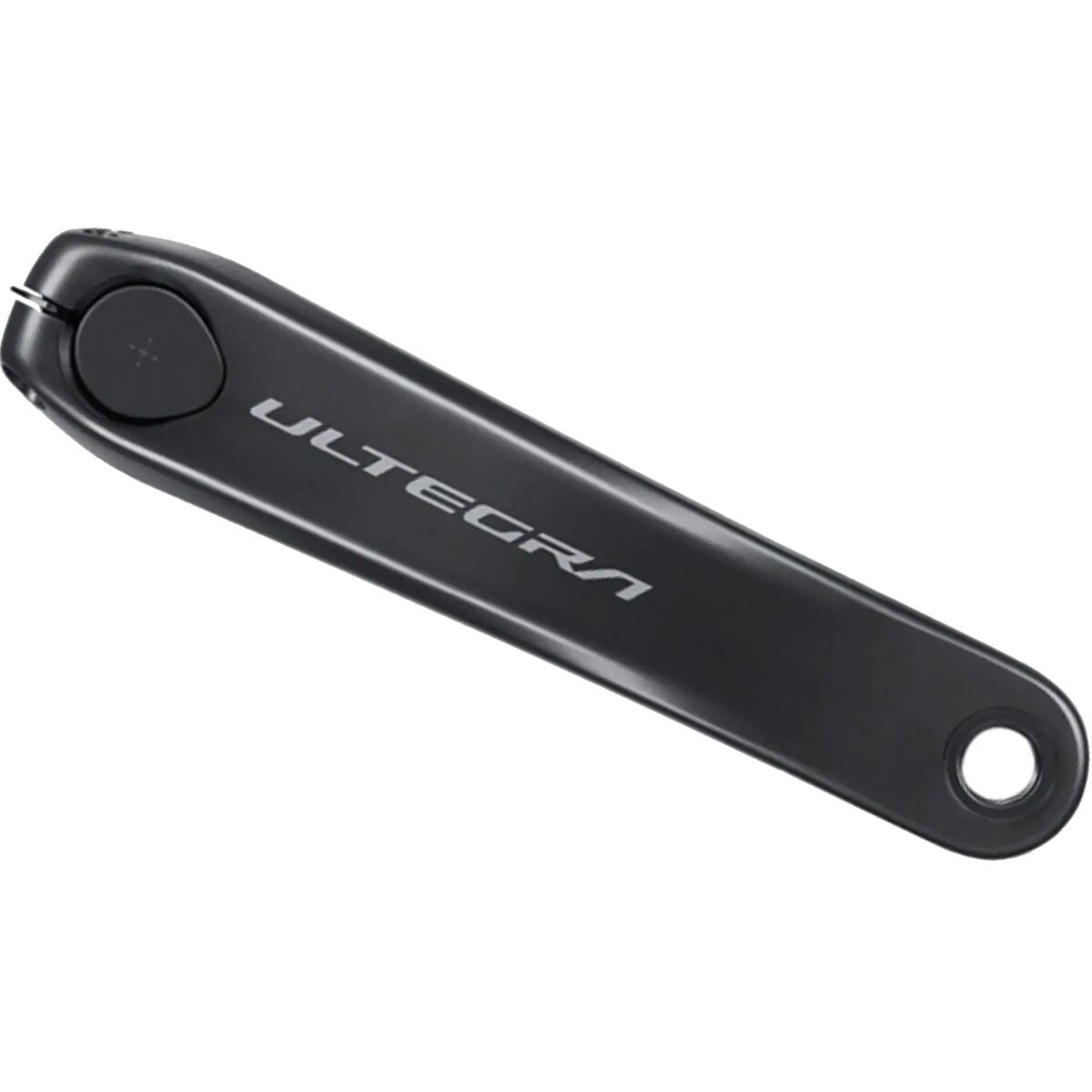
Shimano Ultegra FC-R8100-P Power Meter Crank Arms
$984
 PREMIUM PICK
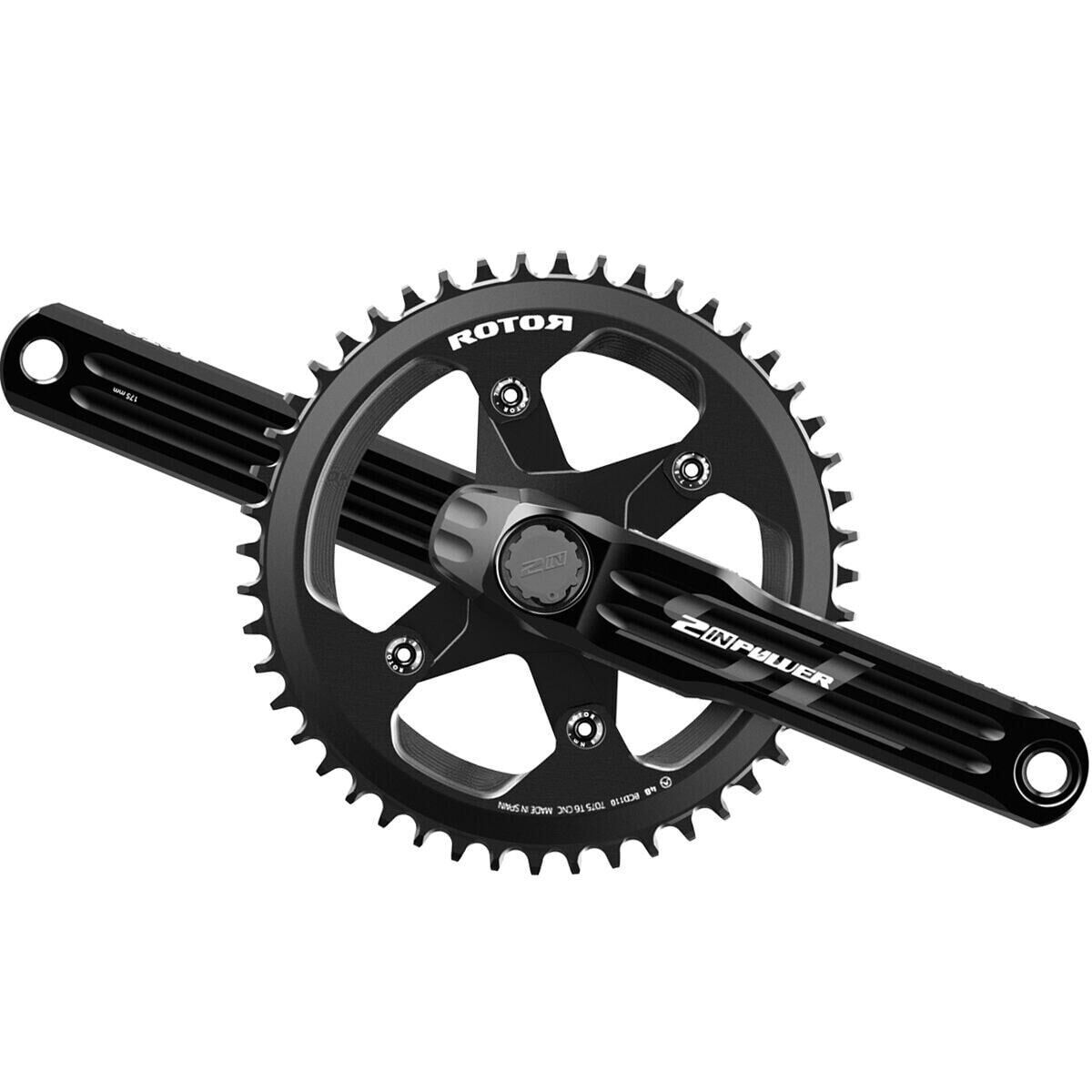
Rotor 2INpower SL Dual Sided Gravel 1x Power Meter Crankset
$998
Power meters ranked on accuracy, battery life, and value — all available at Backcountry.
SRAM Apex DUB Left Crank Arm and Power Meter
The SRAM Apex DUB Left Crank Arm and Power Meter is a DUB-PWR spindle-based left-side power meter that provides accurate wattage to help our road cycling performance. This 12-speed crank delivers +/- 1.
- ✓ Best for: Entry training
- ✓ SRAM
- ✓ In stock at Backcountry
Stages Cycling
It's hard to argue the benefits of training with a power meter if you're looking to get fit. Having quantifiable data from a response while on the bike is so much more specific than perceived exertion and heart…
- ✓ Best for: Everyday data
- ✓ Stages
- ✓ In stock at Backcountry
Quarq DZero DUB Power Meter Spider
Quarq's DZero platform has proven to be one of the most accurate and reliable power meters on the market, offering independent measurement of right and left side power with +/- 1. 5% accuracy.
- ✓ Best for: Reliable accuracy
- ✓ Quarq
- ✓ In stock at Backcountry
Wahoo Fitness POWRLINK ZERO Single-Sided Power Meter Pedals
Wahoo's POWRLINK Single-Sided Power Meter Pedals are designed to get a feel of what it's like to experience true performance.
- ✓ Best for: Dual-sided power
- ✓ Wahoo
- ✓ In stock at Backcountry
Shimano Ultegra FC-R8100-P Power Meter Crank Arms
When we're finding ourselves lagging behind the competition the next logical step is the Shimano Ultegra FC-R8100-P Power Meter Crank Arms for targeted training.
- ✓ Best for: Race precision
- ✓ Shimano
- ✓ In stock at Backcountry
Rotor 2INpower SL Dual Sided Gravel 1x Power Meter Crankset
The 2INpower SL will allow you to get accurate power data from each leg independently, to comprehensively analyze all your data.
- ✓ Best for: Premium watts
- ✓ Rotor
- ✓ In stock at Backcountry
Quick Comparison Table
| Product | Best For | Price | Buy |
|---|---|---|---|
| SRAM Apex DUB Left Crank Arm and Power Meter | Entry training | $209 | Backcountry → |
| Stages Cycling | Everyday data | $388 | Backcountry → |
| Quarq DZero DUB Power Meter Spider | Reliable accuracy | $408 | Backcountry → |
| Wahoo Fitness POWRLINK ZERO Single-Sided Power Meter Pedals | Dual-sided power | $565 | Backcountry → |
| Shimano Ultegra FC-R8100-P Power Meter Crank Arms | Race precision | $984 | Backcountry → |
| Rotor 2INpower SL Dual Sided Gravel 1x Power Meter Crankset | Premium watts | $998 | Backcountry → |
Frequently Asked Questions
Pedal-based vs crank-based power meters?
Pedal-based (Rally, Assioma) — swap between bikes in seconds, $700-1100, may require adapter for some frames. Crank-based (Stages, 4iiii) — bike-specific installation, longer battery, $450-1200, cleaner look. For multi-bike owners, pedals. For dedicated single-bike setups, cranks.
Single-sided vs dual-sided?
Single-sided measures left leg, doubles for total power. Fine for training, less accurate for racing (most riders have 45/55 L/R imbalance, so doubling left underestimates ~10%). Dual-sided measures both legs — better accuracy for racing, costs 2x. For most non-racers, single-sided is plenty.
Do I need a power meter for Zwift/TrainerRoad?
No — smart trainers report power directly. A power meter adds value for outdoor training and racing where you're not on the trainer. Many riders have both: smart trainer indoors, power meter outdoors.
Is a power meter worth the money?
For cyclists who race or follow structured training plans (TrainingPeaks, TrainerRoad), yes — power-based training is dramatically more effective than heart-rate or RPE-based. For casual riders, a power meter is a luxury — you won't use the data enough to justify $700+.
Related Cycling Gear Guides
- Best Bike Computers 2026 — Pair with power meter
- Best Smart Trainers 2026 — Indoor power training
- Best Cycling Pedals 2026 — Non-power pedal options
- FTP Calculator — Set your training zones
Featured at Backcountry — 15% off first order
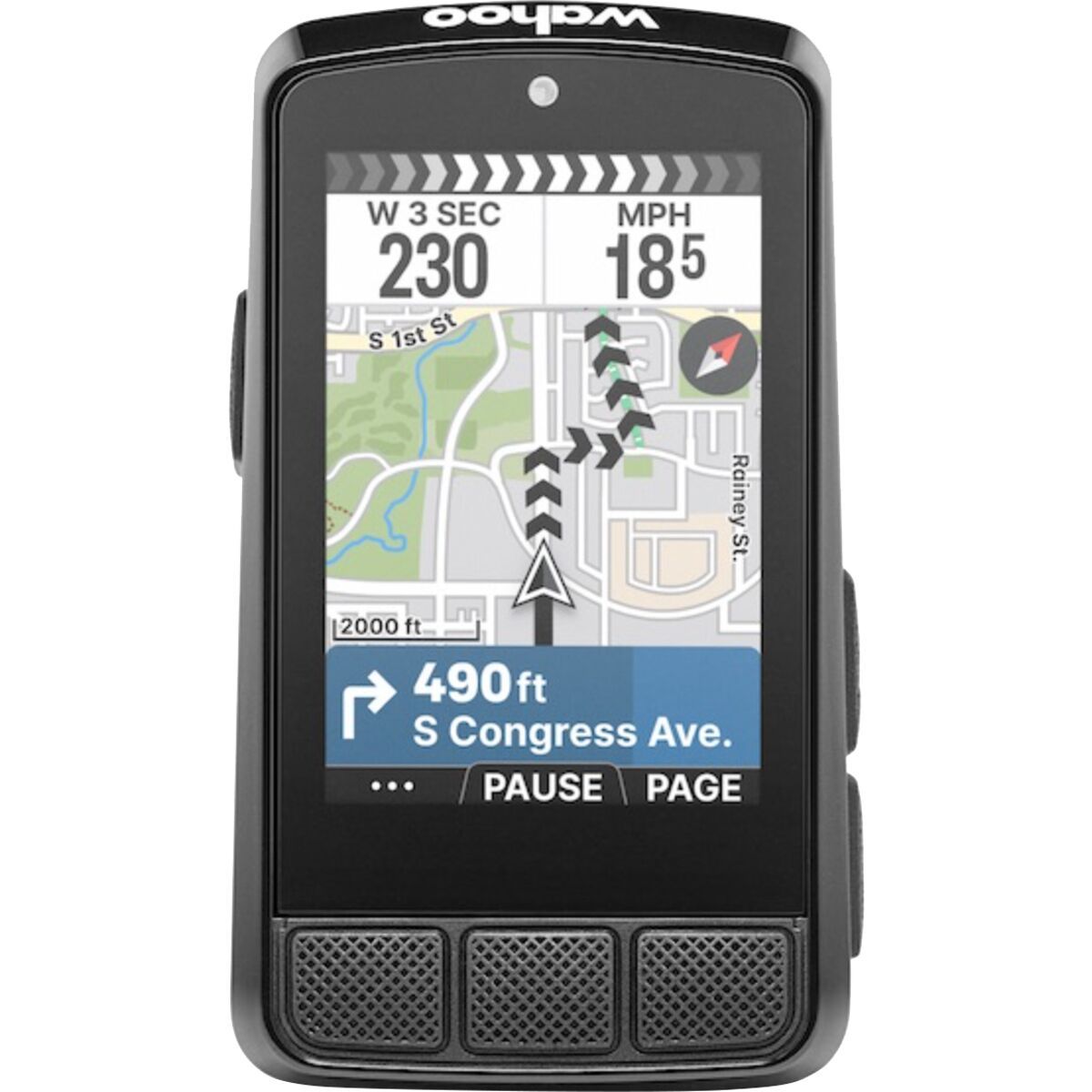
Wahoo ELEMNT BOLT 3
Display real-time watts from any power meter on Wahoo's premium head unit.
Gift idea: The Favero Assioma Duo and Garmin Rally RS210 is one of the picks in our Gifts for Cyclists guide. See also Gifts for Runners, gifts under $50 and the gift finder.
We review them on their own too, in full detail: the Favero Assioma Duo and the Garmin Rally RS210.