Blog / Cycling Gear
Best Cycling Helmets 2026
MIPS-equipped helmets tested for aero performance, ventilation, and safety
Our Top Picks
The Quick Answer
For aerodynamics and race performance, the Giro Helios Spherical MIPS ($279.95) leads with wind-tunnel-optimized ventilation and next-gen Spherical MIPS technology. Hot climate riders should choose the POC Octal MIPS ($230)—its massive vents provide unmatched cooling. The Smith Altus MIPS ($215) balances everything beautifully with Koroyd impact zones. Budget-conscious? The Giro Caden II ($39.98) delivers solid protection at an unbeatable price.
Our Picks at a Glance
| Helmet | Best For | MIPS Type | Weight | Price |
|---|---|---|---|---|
| Giro Helios Spherical | Aero Racing | Spherical MIPS | 270g | $279.95 |
| POC Octal MIPS | Max Ventilation | MIPS | 225g | $230 |
| Smith Altus MIPS | All-Around | MIPS + Koroyd | 280g | $215 |
| Giro Quarter MIPS | Urban/Commute | MIPS | 340g | $74.95 |
| Giro Caden II | Budget | None | 390g | $39.98 |
Why You Should Trust This Guide
Glen
Endurance Athlete & Gear Enthusiast
Road cyclist who has tested helmets across racing, training, and commuting
I've worn dozens of helmets over thousands of training and racing miles. This guide focuses on helmets with proven safety technologies—specifically MIPS and Spherical MIPS—that reduce rotational forces in crashes.
Every recommendation considers real-world comfort, ventilation in hot conditions, aerodynamic efficiency, and fit system quality. I test helmets on climbs, descents, sprints, and endurance rides before recommending them.
Understanding MIPS Technology
Why MIPS Matters for Cycling Safety
MIPS (Multi-directional Impact Protection System) is a low-friction liner inside the helmet that allows 10-15mm of rotation on impact. Most cycling crashes involve angled impacts that create rotational forces—forces that traditional foam-only helmets don't address.
Research shows MIPS can reduce rotational acceleration by up to 40% compared to non-MIPS helmets. The technology adds minimal weight (typically 25-45g) and minimal cost, making it a worthwhile upgrade for any serious cyclist.
Spherical MIPS vs Traditional MIPS
Traditional MIPS: Yellow plastic liner between foam and padding. Proven, cost-effective, used in most helmets.
Spherical MIPS: Two separate foam liners that rotate independently. Eliminates contact with the head, theoretically reducing friction and improving comfort. Used in premium helmets like the Giro Helios.
Best Aero Helmet: Giro Helios Spherical MIPS
Race-Proven Aerodynamics with Next-Gen MIPS
Giro Helios Spherical MIPS
Wind-tunnel-optimized ventilation, Spherical MIPS technology, and race-proven profile. The choice of WorldTour teams.
The Giro Helios Spherical MIPS represents the pinnacle of aero helmet design. Giro spent countless hours in their wind tunnel optimizing every vent shape and surface curve to minimize drag while maintaining excellent cooling airflow.
The Spherical MIPS system eliminates the plastic slip plane used in traditional MIPS, instead using two separate foam liners that rotate independently. This creates a more comfortable fit without pressure points while still providing industry-leading rotational impact protection.
At 270g (size medium), the Helios is light enough for long climbs yet aerodynamic enough for flat time trials. The Roc Loc 5 Air fit system provides excellent adjustability with a secure feel that inspires confidence on high-speed descents.
Why It's Our Aero Pick
- • Best-in-class aerodynamics
- • Spherical MIPS technology
- • Excellent ventilation for aero design
- • WorldTour race proven
- • Lightweight at 270g
- • Premium Roc Loc 5 Air fit system
The Tradeoffs
- • Premium price point
- • Less ventilation than POC Octal
- • Narrow fit may not suit all heads
Best Ventilation: POC Octal MIPS
Maximum Cooling for Hot Weather Riding
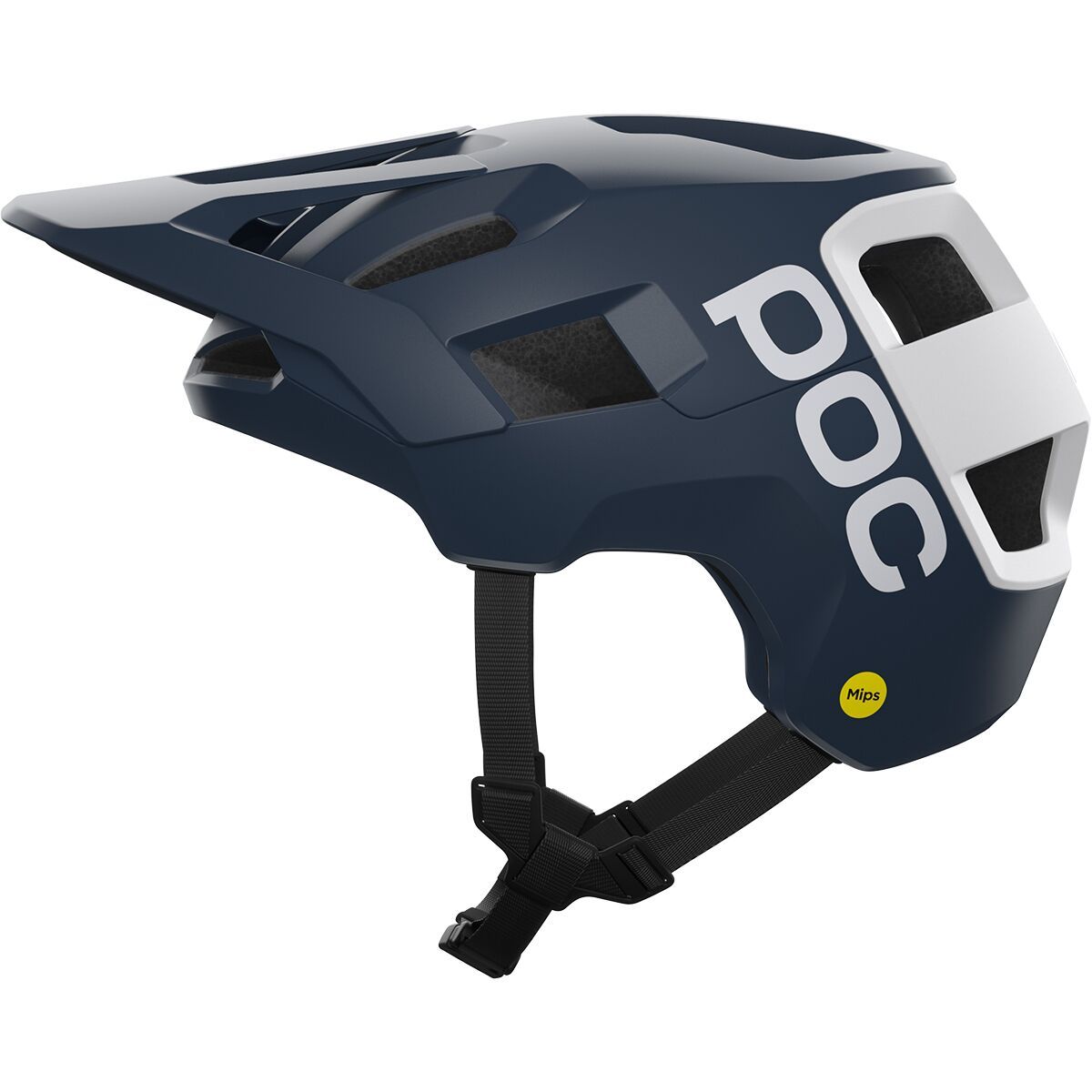
POC Octal MIPS
Massive ventilation ports for exceptional cooling. Ultra-lightweight at 225g with proven MIPS protection.
The POC Octal MIPS is the ventilation champion in this lineup. POC's distinctive large vent openings aren't just for looks—they channel massive amounts of cooling air across your head on hot climbs and sultry summer rides.
At just 225g, the Octal is the lightest helmet in this guide. POC achieved this through strategic EPS foam placement and their optimized structural skeleton. Despite the aggressive ventilation, the helmet still provides excellent protection with traditional MIPS and POC's aramid bridge reinforcement.
The Octal fits rounder head shapes better than the narrower Giro Helios. POC's adjustment system is simple but effective, and the distinctive Scandinavian design makes it instantly recognizable on group rides.
Why It's Our Ventilation Pick
- • Exceptional airflow and cooling
- • Lightest helmet at 225g
- • Traditional MIPS protection
- • Fits rounder heads well
- • Distinctive premium design
- • Aramid bridge reinforcement
The Tradeoffs
- • Not as aero as Giro Helios
- • Large vents can let in rain
- • Basic retention system
Best All-Around: Smith Altus MIPS
Perfect Balance of Everything
Smith Altus MIPS
Koroyd impact zones plus MIPS. Balanced ventilation, aerodynamics, and all-day comfort.
The Smith Altus MIPS is the goldilocks helmet—not the most aero, not the most ventilated, but absolutely nailing the balance that most riders need. Smith's integration of Koroyd material in strategic impact zones provides additional energy absorption beyond traditional EPS foam.
Koroyd is a unique honeycomb-like material that crumples on impact to absorb energy. Combined with MIPS, the Altus offers dual-layer protection: Koroyd handles linear impacts while MIPS manages rotational forces. The result is one of the safest helmets on the market.
At 280g, it's slightly heavier than the Octal but lighter than many competitors. The VaporFit adjustment system is excellent—comfortable, secure, and easy to adjust on the fly. Ventilation is good enough for most conditions without sacrificing aerodynamics.
Why It's Our All-Around Pick
- • Koroyd + MIPS dual protection
- • Balanced aero and ventilation
- • Excellent VaporFit system
- • Great value at $215
- • Fits wide range of head shapes
- • Premium materials and finish
The Tradeoffs
- • Not the most aero or ventilated
- • Slightly heavier at 280g
- • Less race-focused than Helios
Best Urban/Commuter: Giro Quarter MIPS
Giro Quarter MIPS
Skate-style protection with MIPS. Perfect for urban riding and casual cycling.
The Giro Quarter MIPS brings road-helmet safety technology to urban and casual cycling. Its skate-style design looks less aggressive than traditional road helmets, making it perfect for commuters who want protection without the full lycra aesthetic.
At $74.95, the Quarter MIPS is the most affordable MIPS-equipped helmet in this guide. It provides 14 vents for decent airflow, a simple fit system, and the peace of mind that comes with MIPS rotational protection for city riding where falls often happen at lower speeds but on harder surfaces.
Best Budget: Giro Caden II
Giro Caden II
Essential protection at an unbeatable price. No MIPS, but solid construction for casual riders.
The Giro Caden II proves you don't need to spend hundreds for solid head protection. At $39.98, this is the most affordable helmet in our guide, making it perfect for casual riders, backup helmets, or riders just getting into cycling.
It lacks MIPS and advanced features, but the EPS foam construction still provides effective protection for linear impacts. With 15 vents and integrated LED mounting, the Caden II covers the basics well. At 390g, it's noticeably heavier than premium options, but for short commutes and casual rides, the weight difference isn't a dealbreaker.
How to Choose the Right Helmet
Racing/Time Trials: Giro Helios Spherical MIPS. Maximum aerodynamics with excellent ventilation.
Hot Weather/Climbing: POC Octal MIPS. Unmatched cooling and ultralight weight.
All-Around Road Riding: Smith Altus MIPS. Best balance of protection, comfort, and performance.
Urban/Commuting (MIPS): Giro Quarter MIPS. Casual style with rotational protection.
Budget/Casual Riding: Giro Caden II. Solid protection at breakthrough price.
Fit is Everything
The best helmet is the one that fits properly. When trying helmets:
- • The helmet should sit level, covering your forehead about 1 inch above eyebrows
- • Side straps should form a "V" under your earlobes
- • Chin strap should be snug but comfortable—two fingers should fit between strap and chin
- • With straps fastened, the helmet shouldn't rock forward or backward
- • No pressure points after 15 minutes of wear
Frequently Asked Questions
Is MIPS really necessary?
While no helmet can prevent all injuries, MIPS addresses rotational forces that traditional helmets don't. Research shows up to 40% reduction in rotational acceleration. For the small weight and cost premium, MIPS is highly recommended for any serious rider.
How long do helmets last?
Replace helmets every 3-5 years even without crashes. UV exposure and sweat degrade the foam over time. Replace immediately after any impact—even if there's no visible damage, the foam compresses and won't protect as well in subsequent crashes.
Do aero helmets really make a difference?
Yes, especially at higher speeds. A quality aero helmet like the Giro Helios can save 30-60 seconds over a 40km time trial compared to a standard road helmet. For racing and fast group rides, the aero advantage is measurable. For casual riding, ventilation and comfort matter more.
Should I get a larger or smaller size if I'm between sizes?
Go with the smaller size. The retention system can expand to accommodate slight size differences, but a too-large helmet can't be tightened enough to fit securely. That said, never compromise on comfort—if the smaller size causes pressure points, go larger.