Blog / Running Gear
Best Running Gait Analysis Tools 2026
Running gait analysis tools researched for form feedback. Cadence, ground contact time, vertical oscillation, and running power metrics.
Our Top Running Gait Tools for 2026

Stryd Running Power Meter
Under $250
Garmin HRM 600
Under $250
Garmin Running Dynamics Pod
Under $100
Polar Verity Sense
Under $250
Kinovea (Free)
Free
TL;DR: Our Verdict
For serious runners, Stryd Running Power Meter is the best gait tool in 2026, running power + full gait metrics. For Garmin users: Garmin HRM 600 (includes running dynamics). Budget: Garmin Running Dynamics Pod.
Gait analysis tools give you running form data beyond basic pace + heart rate: cadence, ground contact time, vertical oscillation, running power, stride length. Useful for identifying inefficiencies, injury patterns, and measuring form improvements over time.
Stryd Running Power Meter
Stryd's shoe-mounted running power meter. Measures running watts (like cycling power), plus cadence, ground contact, vertical oscillation, leg spring stiffness. 20+ hour battery, syncs to all major GPS watches.
- ✓ Running power in watts
- ✓ Cadence + ground contact time
- ✓ Vertical oscillation + leg spring stiffness
- ✓ 20+ hour battery
- ✓ Works with all major watches
Garmin HRM 600
Garmin's chest strap with built-in running dynamics. Adds cadence, ground contact, vertical oscillation to any Garmin watch. Swim-capable, rechargeable battery. The easiest way to add gait metrics to a Garmin setup.
- ✓ Running dynamics (cadence, GCT, VO)
- ✓ Dual Bluetooth + ANT+
- ✓ Stores runs offline
- ✓ Swim-compatible
- ✓ Rechargeable battery
Garmin Running Dynamics Pod
Garmin's waistband pod for running dynamics. Clips to running shorts, adds gait metrics without needing a chest strap. Lower cost than HRM 600 but requires separate HR monitor.
- ✓ Waistband mount
- ✓ Running dynamics only (no HR)
- ✓ 1-year coin battery
- ✓ Works with Garmin watches
- ✓ Small + lightweight
Polar Verity Sense
Polar's optical arm-band HR monitor with running metrics. Arm placement is more comfortable than chest straps, nearly as accurate. Swim-capable, 30-hour battery.
- ✓ Optical arm-band sensor
- ✓ 30-hour battery
- ✓ Swim-compatible
- ✓ ANT+ + Bluetooth
- ✓ Polar Flow integration
Kinovea (Free)
Free video analysis software for gait analysis. Frame-by-frame analysis, angle measurements, motion tracking. For runners who want detailed biomechanical analysis: requires filming yourself or using a coach.
- ✓ Free desktop software
- ✓ Frame-by-frame analysis
- ✓ Angle + distance tools
- ✓ Motion tracking
- ✓ Windows/Mac
COROS POD 2
COROS's running dynamics pod. Pairs with COROS watches to add cadence, stride length, ground contact balance, and vertical oscillation. Waistband or shoe-mounted.
- ✓ Running dynamics metrics
- ✓ Waist or shoe mount
- ✓ 1-year battery
- ✓ COROS watch integration
- ✓ ANT+ compatible
Quick Comparison Table
At under $250, the Stryd Running Power Meter serves data-driven training, and this table matches each gait analysis tool to the runner it suits and its price.
| Product | Best For | Budget | Buy |
|---|---|---|---|
| Stryd Running Power Meter | Serious runners, data-driven training | Under $250 | Amazon → |
| Garmin HRM 600 | Garmin watch users | Under $250 | Amazon → |
| Garmin Running Dynamics Pod | Budget + waistband-mounted | Under $100 | Amazon → |
| Polar Verity Sense | Arm-based HR + metrics | Under $250 | Amazon → |
| Kinovea (Free) | Video-based gait analysis | $Free | Free download |
| COROS POD 2 | COROS watch users | Under $100 | Amazon → |
Frequently Asked Questions
What does running gait analysis actually tell me?
Cadence: steps per minute (target 170-180 for most runners). Ground contact time: less is better (faster runners <220ms). Vertical oscillation: bouncing up/down (less is more efficient). Running power: total effort in watts. These metrics together identify form issues (overstriding, bouncing, poor cadence).
Do I need running power (Stryd)?
If you follow structured power-based training (like TrainingPeaks prescribes power zones), yes. If you train by heart rate or pace, you can skip Stryd. Running power's advantage over HR: immediate response (no lag), independent of terrain and weather. Similar to cycling power meters.
Stryd vs Garmin HRM 600?
Stryd: running power (unique), mounts on shoe, under $250. Garmin HRM 600: gait metrics + HR, chest strap, under $250. For Garmin users: HRM 600 covers most needs. Add Stryd if you specifically want power. For non-Garmin users: Stryd is the clear pick.
Can I analyze running gait from video?
Yes: record yourself running from the side, use Kinovea or Dartfish to analyze. Look for: overstriding (foot landing well ahead of knee), vertical bounce, arm crossing body, rear-foot striking. Paid coach-led analysis ($150-300) adds expertise.
Related Running Gear Guides
- Best Running Watches 2026: Pair with gait sensors
- Best Running Shoes 2026: Improve your running form
- Best Heart Rate Monitors: Complete training kit
- Running Pace Calculator: Pace + cadence calculator
Featured at Backcountry: 15% off first order
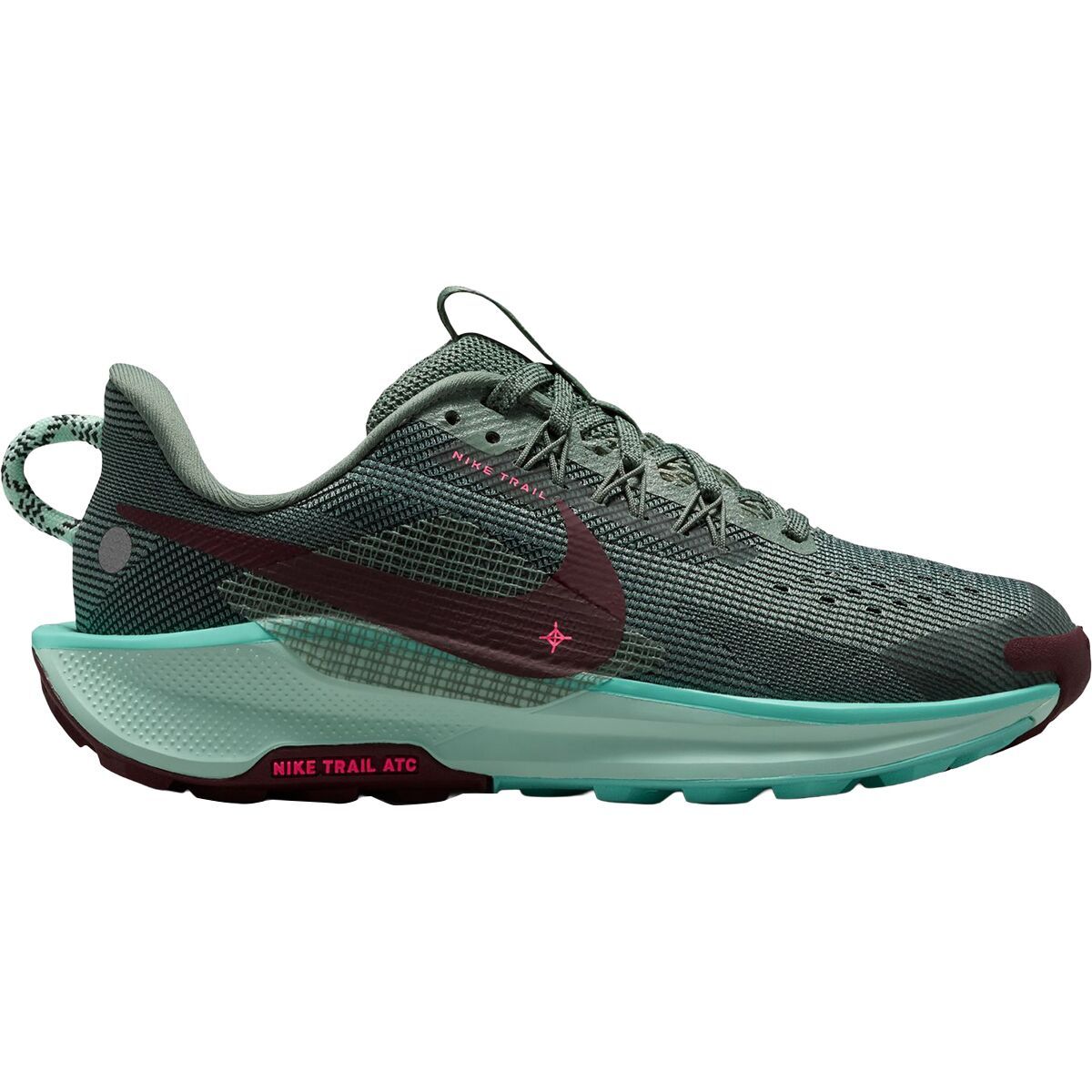
Nike Pegasus Trail 5
A popular trail-capable training shoe. React foam + sticky outsole.
More questions answered
Do I need running power (Stryd)?
If you follow structured power-based training (like TrainingPeaks prescribes power zones), yes. If you train by heart rate or pace, you can skip Stryd. Running power's advantage over HR: immediate response (no lag), independent of terrain and weather. Similar to cycling power meters.