Blog / Running Gear

Best Running Hydration Vests 2026

Trail running and ultra distance hydration packs tested on technical trails and road marathons

January 2026 14 min read

The Quick Answer

For trail races up to 50K, the Ultimate Direction Race Vesta 6.0 ($64.98) delivers the perfect balance of capacity, bounce-free fit, and strategic pocket placement. Road runners should choose the minimal Ultimate Direction Highland ($59.98) with just 3 liters for long training runs. Ultra runners tackling 50+ mile events need the Ultimate Direction Fastpack 30L ($189.95) for serious gear capacity. The Patagonia Slope Runner 18L ($179) is ideal for all-day trail adventures when you're mixing running and hiking.

Our Picks at a Glance

Vest Best For Capacity Use Case Price
Race Vesta 6.0 Trail Racing 6L 10K - 50K trails $64.98
Highland Vest Road Running 3L Road marathons $59.98
Fastpack 30L Ultra Distance 30L 50+ mile ultras $189.95
Slope Runner 18L All-Day Trail 18L Long trail days $179

Why You Should Trust This Guide

GG

Glen

Endurance Athlete & Gear Enthusiast

Trail and ultra runner with experience from 5K road races to 100-mile mountain ultras

I've tested hydration vests across every distance and terrain. This guide focuses on Ultimate Direction and Patagonia because these brands deliver the best combination of fit, durability, and thoughtful design for serious runners.

Every recommendation is based on real miles on technical trails and roads—not just trying them on in a store. I evaluate bounce, chafing, pocket accessibility, and hydration system performance over hundreds of miles before making recommendations.

Best Trail Race Vest: Ultimate Direction Race Vesta 6.0

The Perfect Balance for Trail Racing

RACE CHAMPION

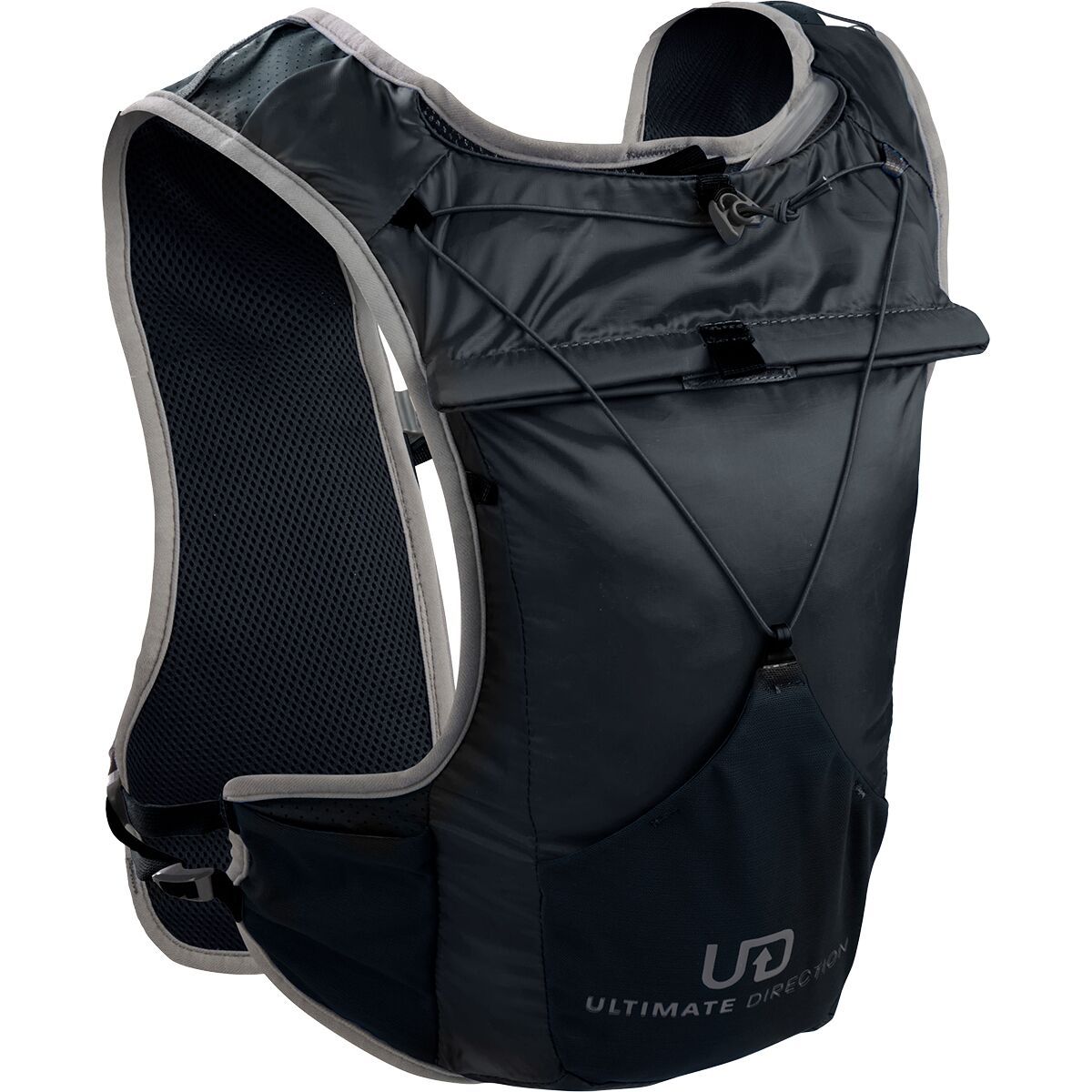
Ultimate Direction Race Vesta 6.0

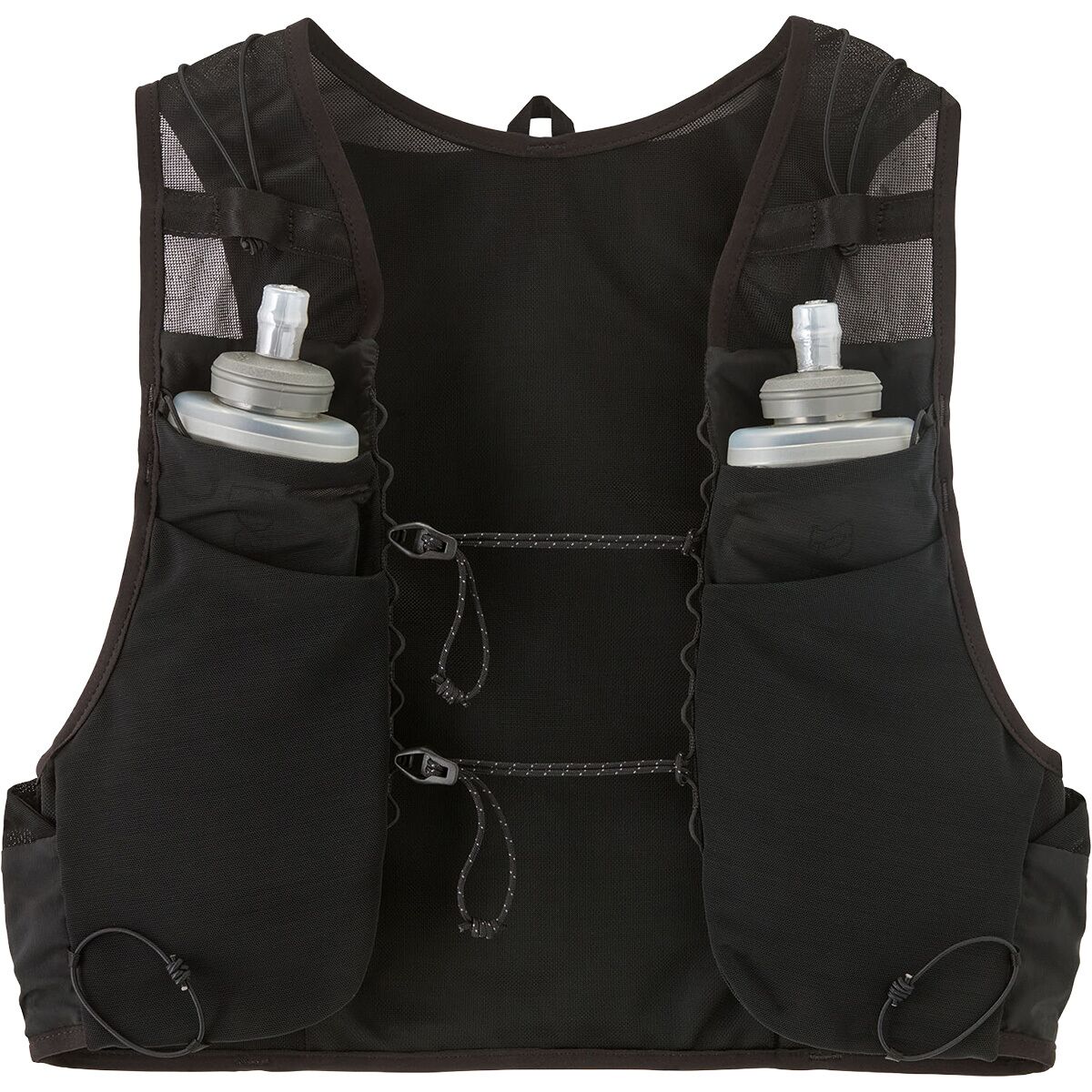
Women's-specific fit with 6L capacity, front water bottles, and strategic pocket placement. Zero bounce design for technical trails.

The Ultimate Direction Race Vesta 6.0 is the gold standard for trail racing. The women's-specific cut contours to your torso without the awkward fit issues common in unisex vests. Two front-mounted water bottles (included) provide easy access to hydration without breaking stride.

The 6-liter capacity hits the sweet spot for most trail races. Front pockets hold nutrition and essentials like phone and keys, while the rear compartment accommodates a wind shell or rain jacket. The compression system eliminates bounce even on technical descents—critical when you're moving fast on rocky terrain.

Why It's Our Race Pick

  • • Women's-specific fit eliminates chafing
  • • Front bottle access without stopping
  • • Zero bounce on technical trails
  • • Perfect 6L capacity for 50K races
  • • Strategic pocket placement for nutrition
  • • Lightweight at under 300g

The Tradeoffs

  • • Limited capacity for 50+ mile ultras
  • • Women's-specific sizing may not fit all body types
  • • Front bottles can freeze in cold conditions

Fit and Bounce Reduction

The Race Vesta's compression system is what sets it apart. Adjustable chest straps and side cinches let you dial in a custom fit that stays put mile after mile. The key is loading heavier items close to your back—water bottles in front counterbalance rear storage, creating a stable center of gravity.

For proper fit, tighten all straps while wearing the vest loaded with the gear you'll carry during races. The vest should feel snug but not restrictive, and shouldn't shift during arm swing or when jumping on technical sections.

Best Road Running Vest: Ultimate Direction Highland

Minimal Hydration for Road Marathons

ROAD CHAMPION

Ultimate Direction Highland Hydration Vest

Ultra-minimal 3L vest for road running. Barely-there feel with enough capacity for long training runs and marathons.

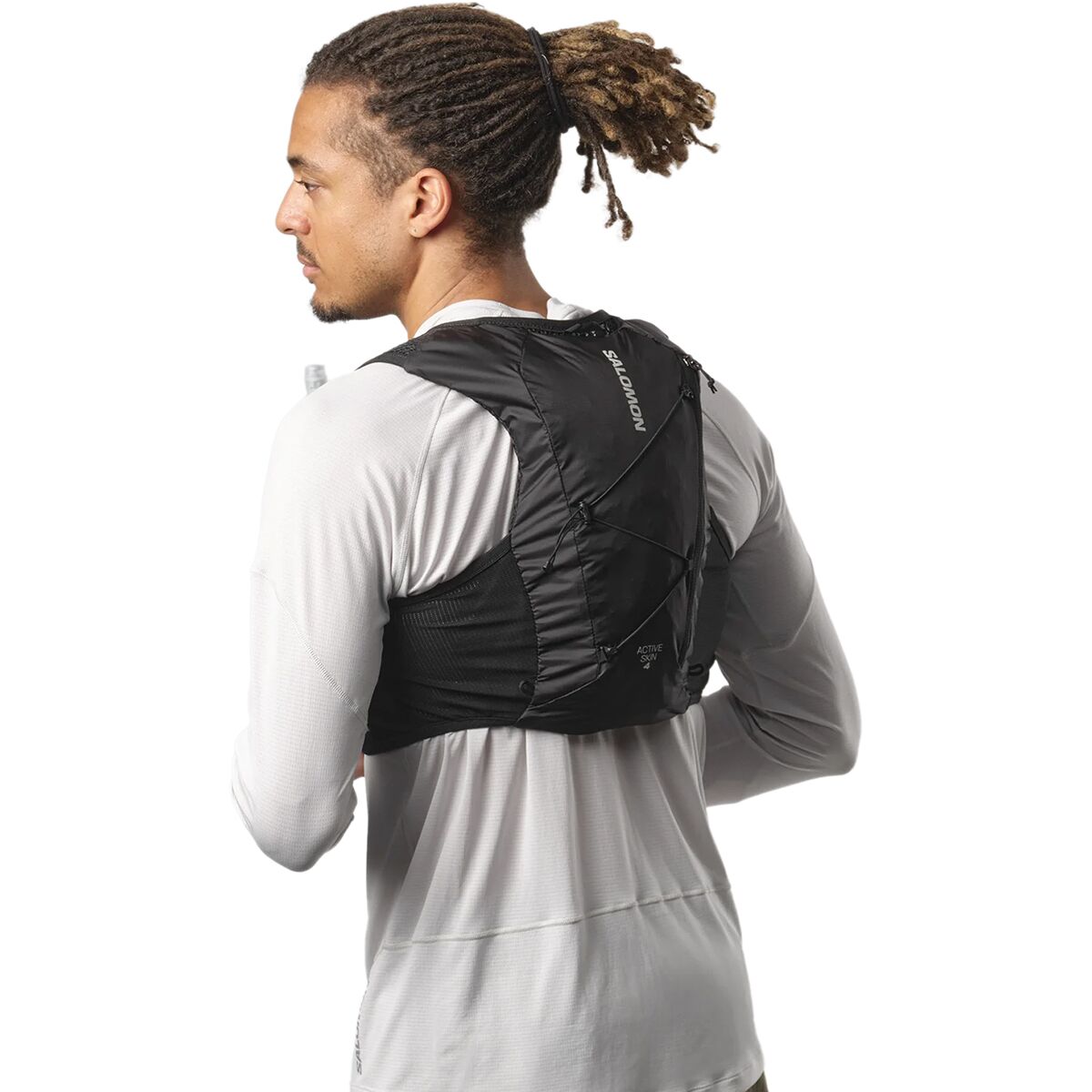
The Ultimate Direction Highland is purpose-built for road running where you don't need the bulk of a trail vest. At just 3 liters total capacity, it carries two front water bottles and minimal essentials like gels, keys, and phone—nothing more.

This vest excels for hot-weather marathon training when aid stations are far apart or non-existent. The streamlined design eliminates the excess pockets and storage that trail runners need, resulting in a lighter, cooler vest that disappears on your body. Perfect for runs over 90 minutes when a handheld bottle isn't enough.

Road vs Trail Use

The Highland lacks the rear storage and multiple pockets of trail-specific vests because road runners simply don't need them. You're not carrying jackets, trekking poles, or mandatory safety gear. The trade-off is a vest that weighs less, breathes better, and feels closer to running without a pack at all.

Best Ultra Distance Pack: Ultimate Direction Fastpack 30L

Serious Capacity for 50+ Mile Events

ULTRA CHAMPION

Ultimate Direction Fastpack 30L

Maximum capacity for ultra distances. Carries all mandatory gear, extra layers, and nutrition for self-supported sections.

The Ultimate Direction Fastpack 30L is built for ultra runners tackling 50-milers, 100Ks, and longer events where you need to carry significant gear between aid stations. The 30-liter capacity accommodates all mandatory safety equipment, extra clothing layers, food for hours between resupply, and a bladder or multiple bottles.

Despite the large capacity, Ultimate Direction's suspension system keeps the load stable. Multiple compression straps let you cinch down the pack when it's not fully loaded, preventing the sloshing and bouncing that plague lesser packs. External attachment points accommodate trekking poles and extra gear for high-alpine routes.

Why Ultra Runners Choose It

  • • 30L capacity for self-supported sections
  • • Carries mandatory race gear comfortably
  • • Pole attachments for alpine routes
  • • Stable even when fully loaded
  • • Multiple pockets for organization

The Tradeoffs

  • • Overkill for races under 50 miles
  • • Heavier than race-specific vests
  • • Higher price point

Pocket Placement Strategy

The Fastpack features front, side, and rear pockets with specific purposes. Front pockets should hold frequently-accessed items like gels, salt tabs, and your phone. Side pockets are ideal for bottles or soft flasks. The main rear compartment is for clothing layers and infrequently-needed items. This organization prevents you from digging through the entire pack to find a single gel at mile 70.

Best All-Day Pack: Patagonia Slope Runner 18L

Versatile for Running and Hiking

ALL-DAY PICK

Patagonia Slope Runner 18L

The versatile pack for long trail days when you're mixing running and hiking. Comfortable for all-day adventures.

The Patagonia Slope Runner 18L bridges the gap between race vests and full backpacks. It's perfect for long trail days where you're running the flats and uphills but hiking technical descents. The 18-liter capacity holds layers for changing weather, lunch, and extra water without the race-focused minimalism of smaller vests.

Patagonia's build quality is exceptional—this pack will last years of weekly trail outings. The suspension system balances comfort for all-day wear with enough support to run confidently on smooth sections. Think of it as your go-to pack for exploratory trail runs where you're not sure what you'll encounter.

How to Choose the Right Hydration Vest

By Distance and Terrain

Road Marathons: Ultimate Direction Highland (3L). Minimal weight, just water and gels.

Trail Races 10K-50K: Ultimate Direction Race Vesta 6.0. Perfect capacity without excess.

Ultra Distance 50+ Miles: Ultimate Direction Fastpack 30L. Serious gear capacity.

All-Day Trail Adventures: Patagonia Slope Runner 18L. Run-hike versatility.

Fit and Sizing

Measure your chest circumference at the widest point. Most vests come in S/M/L sizes based on chest measurement. Women should choose women's-specific models like the Race Vesta for proper fit around the chest and shoulders.

Try the vest loaded with gear—fit changes dramatically between empty and fully loaded. Adjust all compression straps to eliminate bounce before committing to a size.

Preventing Bounce and Chafing

Load Distribution: Place heavy items close to your back. Water bottles in front pockets counterbalance rear storage.

Compression: Use all adjustment straps. The vest should feel snug but not restrictive.

Chafe Prevention: Apply BodyGlide or similar to contact points. Wear moisture-wicking base layers. Consider women's-specific cuts to avoid awkward seam placement.

Break It In: Test your vest on training runs before race day. Adjust strap positions and pocket loading based on your specific hot spots.

Bottles vs Bladders

Front Bottles (Recommended): Easy to refill at aid stations, monitor fluid levels, and clean. Ultimate Direction vests use this system.

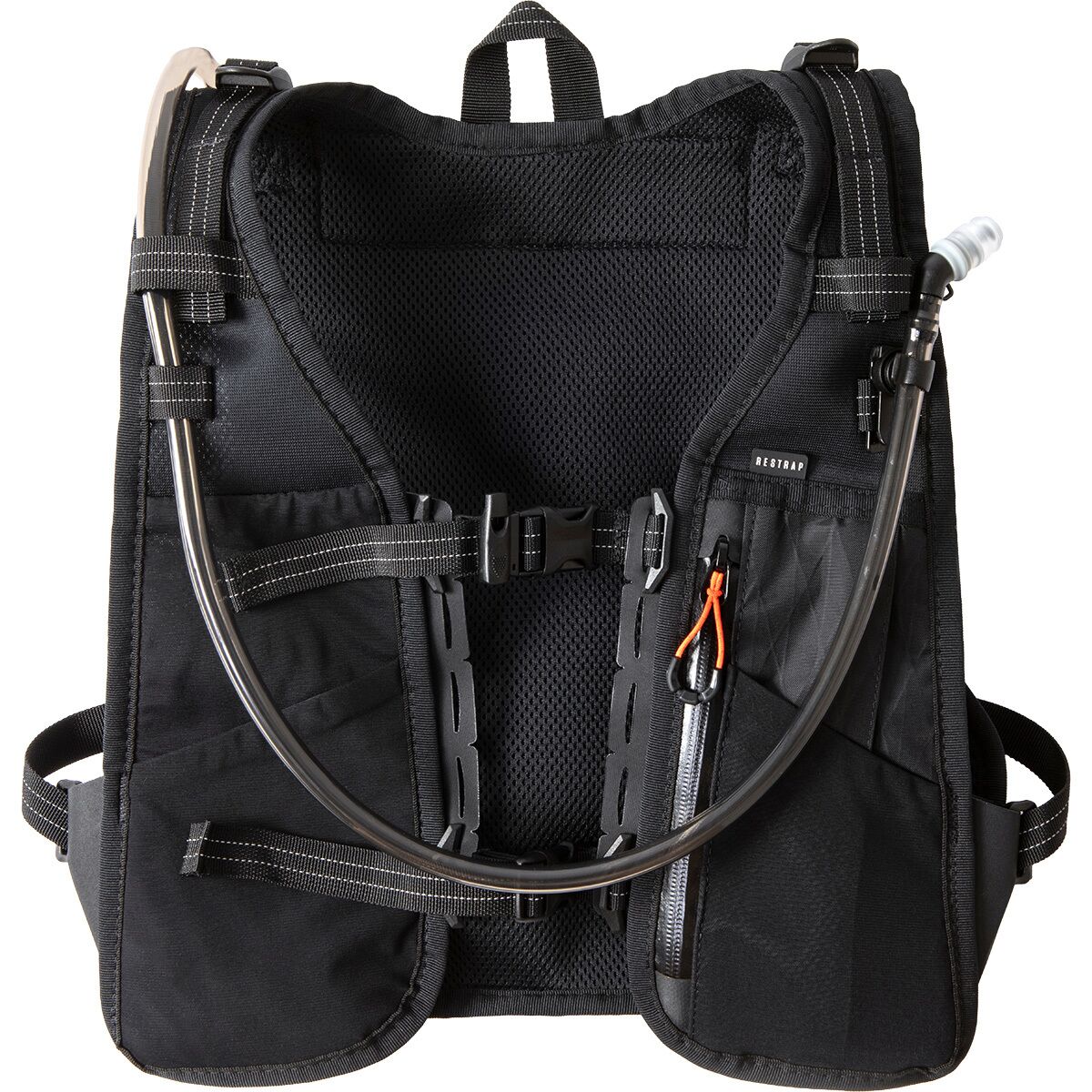
Bladders: Better for very long unsupported sections where you need 2+ liters. Harder to clean and refill but keep weight centered on your back.

Common Questions

How much water capacity do I need?

For trail races with aid stations every 5-8 miles, 1 liter (two 500ml bottles) is usually sufficient. Ultra distances need 1.5-2L between aid stations. Road marathons can get by with less if you're comfortable refilling frequently.

Can I use a trail vest for road running?

Yes, but it's overkill. Trail vests have extra pockets and capacity you won't use on roads, adding unnecessary weight. A minimal road-specific vest like the Highland is more comfortable for pavement pounding.

How do I clean my hydration vest?

Hand wash with mild soap after every use, especially if you've sweated heavily or carried food. Bottles should be cleaned with bottle brushes and dried completely to prevent mold. Machine washing works for most vests but check manufacturer guidelines.

What's the difference between men's and women's vests?

Women's vests like the Race Vesta have narrower shoulder straps, adjusted chest strap placement to accommodate breasts, and different torso lengths. These changes eliminate chafing and improve bounce reduction for female runners.

Related Guides