Blog / Gear Guides

Best Hydration Vests and Packs 2026: Complete Buying Guide

Everything you need to know about choosing the right hydration vest for running, trail running, and cycling - from 5K training to 100-mile ultras

January 2026 | 25 min read

The Quick Answer

For most trail runners, the Salomon Active Skin 8L ($114.95) is the best all-around hydration vest. It includes soft flasks, offers enough capacity for marathon to 50K distances, and Salomon's Sensifit construction delivers a bounce-free fit that feels like a second skin. Women should consider the Ultimate Direction Race Vesta 6.0 ($64.98) for its women's-specific cut. For ultra distances over 50 miles, the Osprey Duro 15L ($123.75) provides the storage and hydration capacity you need. Budget-conscious runners should look at the Ultimate Direction Trail Vest ($49.98) which delivers excellent value.

All Picks at a Glance

Vest Best For Capacity Hydration Price
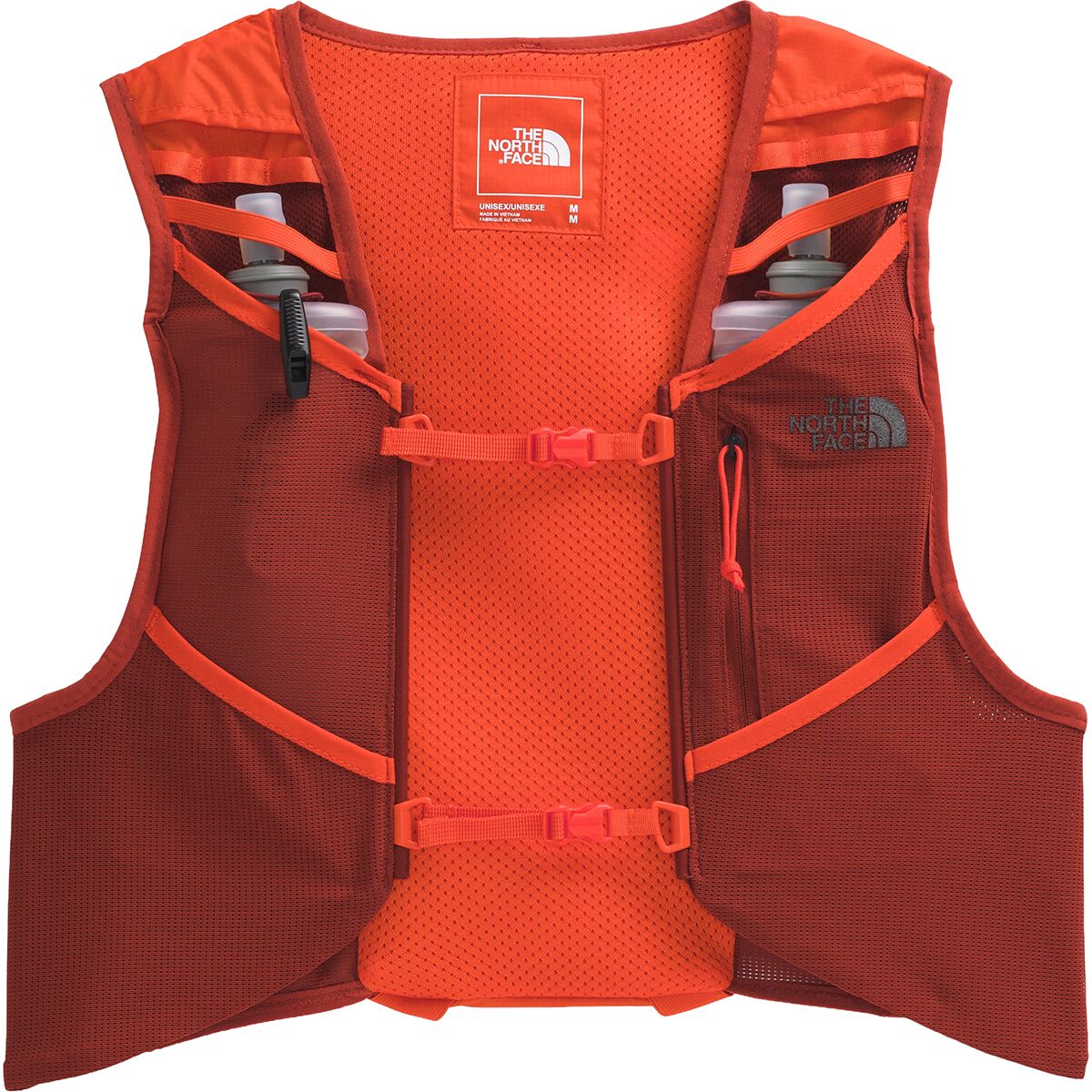
Salomon Active Skin 8L Best Overall 8L 2x 500ml flasks $114.95
UD Race Vesta 6.0 Women's Women's Racing 6L Soft flasks $64.98
CamelBak Trail Run 34oz Trail Running 6L 2x Quick Stow flasks $109.95
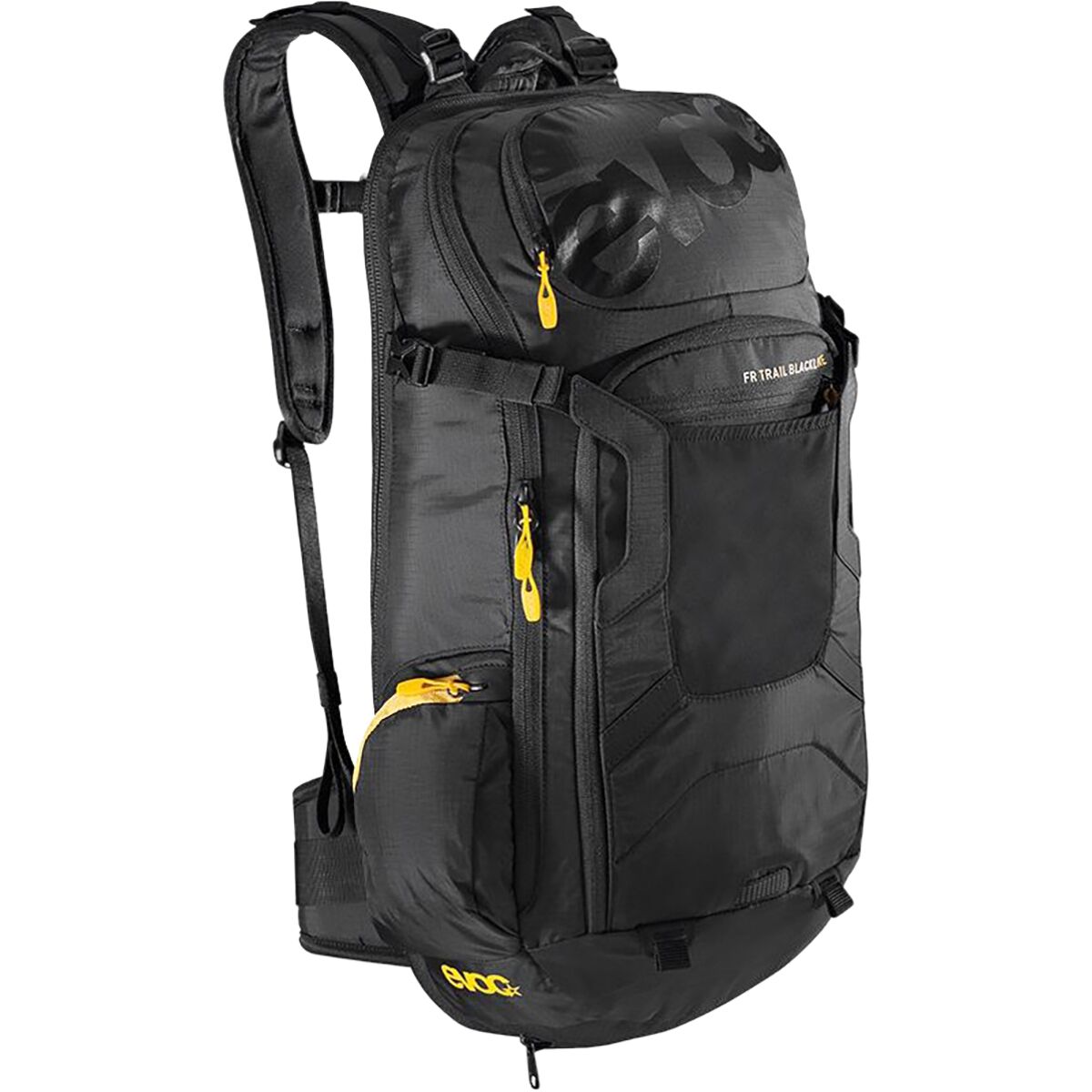
Osprey Duro 15L Ultra Distance 15L 2.5L bladder $123.75
UD Adventure Vest 17L 100-Mile Ultras 17L Flask + 2L reservoir $116.97
Salomon Active Skin 4L Speed/Short Distance 4L 2x 500ml flasks $99.95
CamelBak Zephyr Pro Women's Premium Women's 6L 2x Quick Stow flasks $175.95
Osprey Dyna 6L Women's Women's Trail 6L 1.5L reservoir $97.50
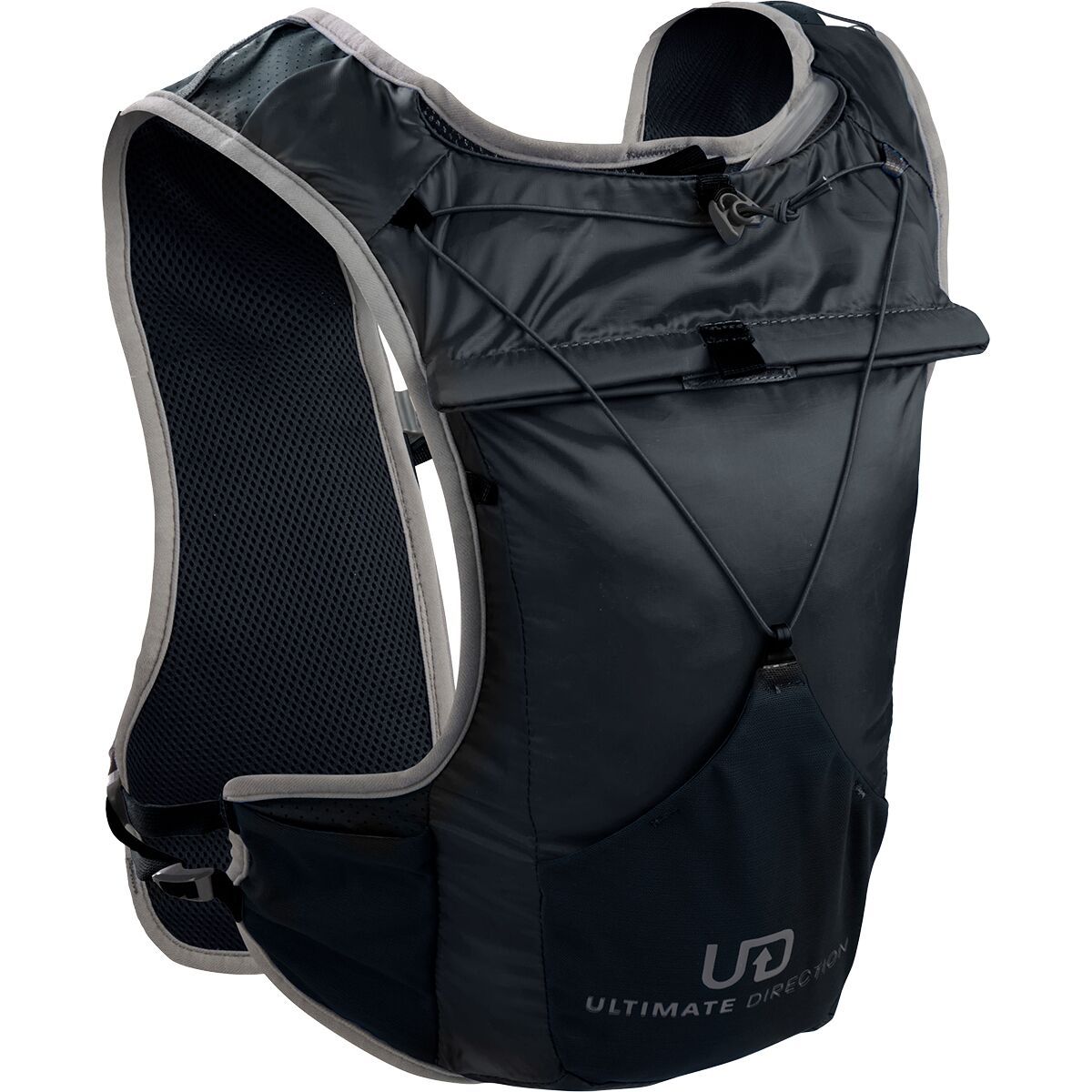
UD Trail Hydration Vest Budget Pick 5L Soft flasks $49.98
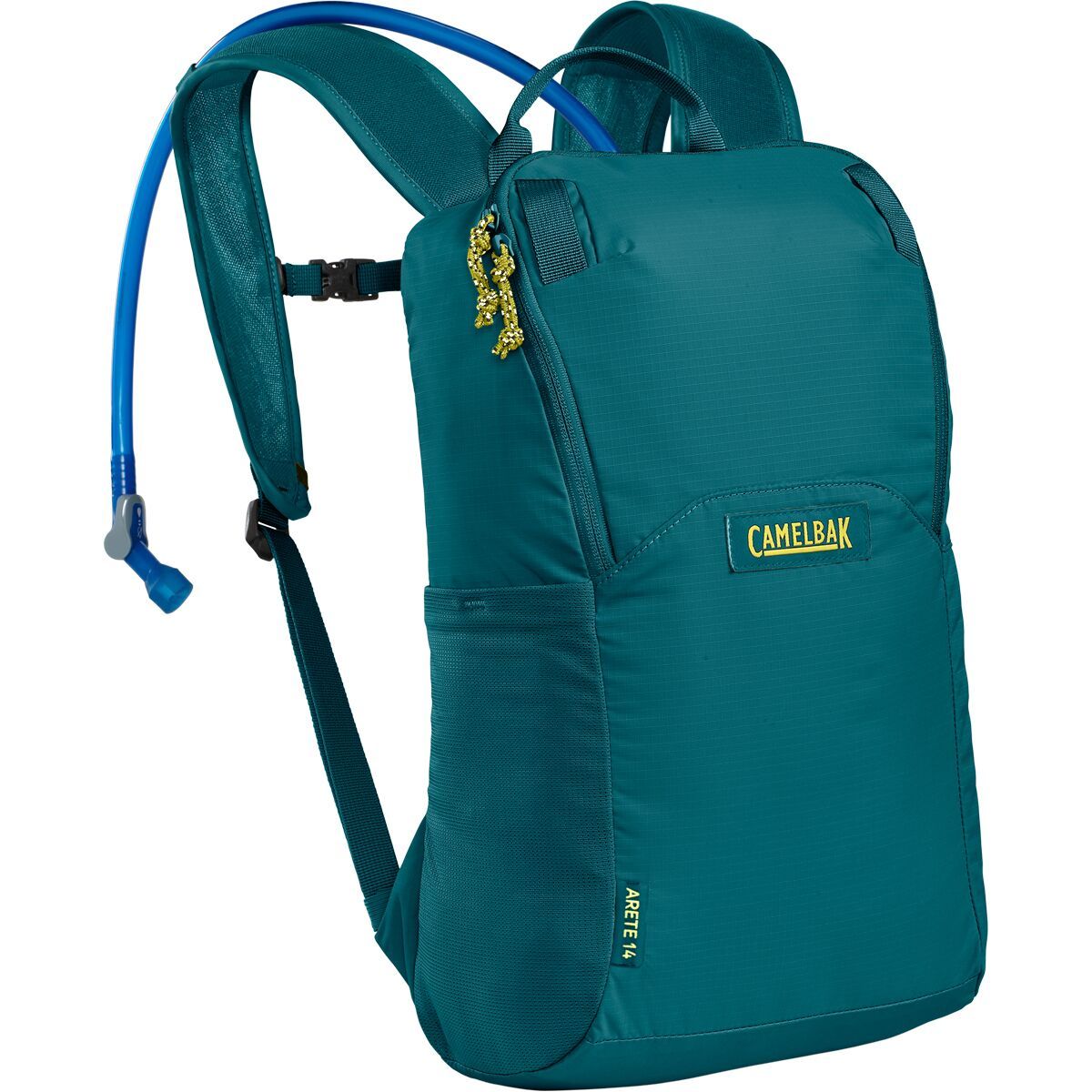
CamelBak Mule 12L Mountain Biking 12L 3L Crux reservoir $141.95

Why Trust This Guide

GG

Glen

Endurance Athlete and Gear Enthusiast

Trail and ultra runner with experience from 5K road races to 100-mile mountain ultras. Testing hydration systems across thousands of miles in diverse conditions.

This guide is based on hands-on testing of hydration vests across every distance and terrain type. I evaluate each vest for fit, bounce, breathability, pocket accessibility, and overall value before making recommendations. Every product link goes to Backcountry.com where you can see detailed specs and user reviews.

I focus on the brands that consistently deliver: Salomon, Ultimate Direction, CamelBak, and Osprey. These manufacturers understand the demands of endurance athletes and design vests that perform when it matters most.

Top 10 Hydration Vest Recommendations

BEST OVERALL

1. Salomon Active Skin 8L Hydration Vest Set

The perfect balance of capacity and weight for marathon to 50K distances. Salomon's Sensifit construction uses self-adjusting fabrics that conform to your body, delivering a breathable, bounce-free fit that truly feels like a second skin. Includes two 500ml soft flasks.

Strengths

  • Self-adjusting Sensifit construction
  • Includes 2x 500ml soft flasks
  • Cinch straps for load stabilization
  • Reservoir sleeve for longer distances
  • 3D mesh harness prevents chafing

Considerations

  • May be too large for 5K/10K races
  • Premium price point
  • Limited color options
BEST FOR WOMEN

2. Ultimate Direction Race Hydration Vesta 6.0 - Women's

Purpose-built for women with a cut that contours to the female torso without awkward fit issues. The rear quick-cinch fit system lets you adjust on the fly, while all pockets, trekking pole carry, and bungee storage are accessible without dropping pace.

Strengths

  • Women's-specific cut and fit
  • Quick-cinch rear adjustment
  • Excellent price-to-value ratio
  • Trekking pole carry included
  • Zero bounce on technical terrain

Considerations

  • Women's only sizing
  • Limited capacity for 50+ miles
  • Flasks sold separately
BEST ORGANIZATION

3. CamelBak Trail Run 34oz Hydration Vest

Designed to empower long-distance runners with 13 strategically placed pockets for unparalleled organization. The updated 3D micro-mesh maximizes airflow and cushioning. Includes two Quick Stow flasks and accommodates an additional 1.5L reservoir.

Strengths

  • 13 pockets for organization
  • 3D micro-mesh for breathability
  • Trekking pole carry
  • Reflective accents
  • Removable safety whistle

Considerations

  • One-size-fits-most design
  • Mid-range price point
  • May run warm in extreme heat
BEST FOR ULTRAS

4. Osprey Duro 15L Hydration Backpack

Built for ultra runners facing long stretches between aid stations. With a 2.5-liter bladder and designated spaces for gels, bars, layers, headlamp, and more, this vest-style harness pulls in your load for a stable, distraction-free carry across technical terrain.

Strengths

  • 2.5L bladder included
  • 15L gear capacity
  • Stretch mesh construction
  • Adjustable vest-style harness
  • Dedicated organization pockets

Considerations

  • Bladder harder to refill than flasks
  • Overkill for sub-marathon distances
  • Heavier than minimal vests
100-MILE ULTRAS

5. Ultimate Direction Adventure Vest 6.0 17L

From ultramarathons to backcountry missions, this is the ultimate companion for carrying serious gear. With 17-liter capacity, weather-resistant main compartment, expandable rear storage, and a deployable rain fly, it handles everything from 100-milers to multi-day FKT attempts.

Strengths

  • 17L capacity for big adventures
  • Weather-resistant construction
  • Deployable rain fly
  • 500ml flask + 2L reservoir compatible
  • GPS and trekking pole pockets

Considerations

  • Too much capacity for shorter races
  • Heavier than race-specific vests
  • Complex pocket organization
$116.97 $179.95 Check Price on Backcountry
SPEED WORKOUTS

6. Salomon Active Skin 4L Running Hydration Vest + Flasks

A performance-focused companion for runs over shorter distances where minimal weight is key. With its small size and stretchy, breathable fabrics, this vest keeps your on-trail needs locked in without weighing you down. Includes two compatible soft flasks.

PREMIUM WOMEN'S

7. CamelBak Zephyr Pro 34oz Hydration Vest - Women's

When the trail stretches ahead and every step matters, the Zephyr Pro ensures you stay focused on the run. Designed with breathable engineering knit mesh that cools where it counts, dual adjustable chest straps for custom fit, and ultralight materials that disappear as you tackle mile after mile.

WOMEN'S TRAIL

8. Osprey Dyna 6L Hydration Backpack - Women's

Equipped with its own 1.5L reservoir, the Dyna delivers a minimalist fit without compromising hydration and storage for long trail or road runs. A combination of zippered and drop-in pockets keep snacks, gels, and valuables organized.

BEST BUDGET

9. Ultimate Direction Trail Hydration Vest

Long runs require more than just lacing up. Fill all the pockets with gels, bars, salt tabs, rain layer, and water. The soft, stretchy build keeps bounce and chafe to a minimum for maximum comfort mile after mile as you stride deep into the forest.

BEST FOR CYCLING

10. CamelBak Mule 12L Hydration Backpack

A trail-riding essential designed for bike adventures. Featuring a 3L Crux reservoir with Quicklink system, Air Support Back Panel for maximum ventilation, and integrated carry pockets for tools. Magnetic Tube Trap keeps hydration tube secure and accessible.

Hydration Vest Capacity Guide: From 5K to 100 Miles

Choosing the right capacity is the most important decision when buying a hydration vest. Too small and you'll run out of water or nutrition space. Too large and you're carrying unnecessary weight that slows you down and increases bounce.

5K and 10K Races

Recommended Capacity: 0-4 liters

Most runners don't need a vest for these distances unless conditions are extremely hot or aid stations are scarce. If you prefer to carry water, a handheld bottle or minimal vest like the Salomon Active Skin 4L works well.

Best Pick: Salomon Active Skin 4L ($99.95) or handheld bottle

Half Marathon

Recommended Capacity: 4-6 liters

For training runs over 90 minutes or hot conditions, a 4-6L vest provides enough capacity for 1L of water plus nutrition. Race day usually doesn't require a vest if aid stations are available.

Best Pick: Salomon Active Skin 4L ($99.95)

Marathon Training

Recommended Capacity: 6-8 liters

Long training runs of 2-4+ hours benefit from a 6-8L vest that carries 1-1.5L of water plus gels, phone, and a light layer. This is the sweet spot for most marathon training plans.

Best Pick: Salomon Active Skin 8L ($114.95)

50K Trail Races

Recommended Capacity: 6-12 liters

With aid stations typically every 5-8 miles, a 6-12L vest provides space for mandatory gear, nutrition, and enough water between refills. Consider vest choice based on aid station frequency and terrain.

Best Pick: CamelBak Trail Run ($109.95) or UD Race Vesta ($64.98)

50-Mile to 100K Races

Recommended Capacity: 12-17 liters

Longer sections between aid stations require more water capacity (1.5-2L+), mandatory safety gear, extra nutrition, headlamp, and spare layers. Consider weather and terrain when sizing up.

Best Pick: Osprey Duro 15L ($123.75)

100-Mile Ultras

Recommended Capacity: 15-20+ liters

The longest races require extensive mandatory gear lists, crew access changes throughout the race, and the ability to be self-sufficient for extended periods. Prioritize organization and comfort over minimal weight.

Best Pick: UD Adventure Vest 17L ($116.97)

Pro Tip: Water Capacity vs Total Capacity

A 12L vest doesn't mean 12 liters of water. Total capacity includes gear storage. Typically, water capacity is 1-3L depending on whether you use soft flasks (500ml-1L) or a bladder (1.5-3L). The remaining capacity is for gear, nutrition, and layers.

Running Vests vs Cycling Hydration Packs

Running vests and cycling hydration packs are designed for very different body positions and movement patterns. Using the wrong type leads to bounce, chafing, and accessibility issues.

Feature Running Vests Cycling Packs
Fit Style Wraps around torso like a vest Sits on back with shoulder straps
Hydration System Front soft flasks in chest pockets Rear bladder with drinking tube
Primary Storage Front and side pockets Main rear compartment
Bounce Control Compression straps, close-to-body fit Hip belt, sternum strap
Ventilation Mesh panels throughout Back panel ventilation
Body Position Upright running/hiking Forward-leaning cycling
Special Features Pole attachments, quick-access pockets Helmet carry, tool storage

When to Choose a Running Vest

  • Trail and ultra running - Designed for vertical movement and arm swing
  • Road marathon training - Minimal, low-profile designs
  • Fast hiking/run-hiking - Quick access to nutrition and water
  • Races with mandatory gear - Multiple pockets for organization

Top Pick: Salomon Active Skin 8L ($114.95)

When to Choose a Cycling Pack

  • Mountain biking - Larger water capacity, tool storage
  • Gravel riding - Long rides without support vehicles
  • Bikepacking - Gear storage for multi-day rides
  • Commuting - Laptop/work gear compatibility

Top Pick: CamelBak Mule 12L ($141.95)

Soft Flask vs Bladder: Which Hydration System is Better?

The debate between soft flasks and bladders comes down to accessibility, capacity, and ease of use. Modern running vests have largely shifted to soft flasks, while cycling packs typically use bladders.

Soft Flasks

Pros:

  • Easy to monitor water levels
  • Quick refills at aid stations
  • Simple to clean
  • Collapse as you drink (reduced sloshing)
  • Can mix different fluids in each flask
  • Cheaper to replace

Cons:

  • Lower total capacity (typically 500ml-1L)
  • Can freeze in cold conditions
  • Must reach for flask to drink

Best For: Trail racing, ultras with aid stations, hot conditions

Bladders (Reservoirs)

Pros:

  • Higher capacity (1.5-3L)
  • Hands-free drinking via tube
  • Weight centered on back
  • Better for long unsupported sections
  • Less likely to freeze (insulated options)

Cons:

  • Harder to monitor water levels
  • Difficult to refill at aid stations
  • Complex to clean thoroughly
  • Tube management required
  • More expensive to replace

Best For: Cycling, hiking, self-supported adventures

Our Recommendation

For most running applications, soft flasks are the better choice. They're easier to use at aid stations, simpler to clean, and the front pocket position makes monitoring and accessing hydration effortless. The only exception is very long unsupported sections (10+ miles) where the larger capacity of a bladder outweighs its drawbacks. Many modern vests like the Osprey Duro 15L and Salomon Active Skin 12L support both systems, letting you choose based on the specific adventure.

Hydration Vest Fit and Sizing Guide

A properly fitted hydration vest should feel like a second skin - snug enough to prevent bounce but not so tight that it restricts breathing or causes chafing. Here's how to find your perfect fit.

How to Measure for a Hydration Vest

  1. 1. Measure chest circumference - Wrap a tape measure around the widest part of your chest (typically at nipple line) while standing upright with arms at your sides.
  2. 2. Note your torso length - Measure from the base of your neck (C7 vertebra) to your waist. This matters more for larger packs.
  3. 3. Check manufacturer sizing charts - Each brand sizes differently. Salomon, Ultimate Direction, CamelBak, and Osprey all have different size ranges.
  4. 4. When between sizes - Size down if you prioritize minimal bounce for racing; size up if you want room for layers.
Brand XS/S S/M M/L L/XL
Salomon 32-35" 35-38" 38-41" 41-44"
Ultimate Direction 30-34" 34-38" 38-42" 42-46"
CamelBak One-size adjustable (28-42" typical range)
Osprey 30-35" 35-40" 40-45" 45-50"

Signs of a Good Fit

  • Vest stays in place during arm swing
  • No bounce when hopping in place
  • Can take a deep breath comfortably
  • Front pockets accessible without looking
  • Chest straps sit above breast tissue (women)
  • No gap between vest and lower back

Signs of a Poor Fit

  • Vest rides up when running
  • Shoulder straps dig into neck
  • Chafing under arms or around chest
  • Bottles feel unstable in pockets
  • Difficulty breathing when cinched down
  • Excessive movement of rear storage

Women's-Specific Fit Considerations

Women's hydration vests like the Ultimate Direction Race Vesta 6.0 and Osprey Dyna feature adjusted chest strap placement, narrower shoulder straps, different torso lengths, and contoured shapes that accommodate breasts without causing compression or chafing.

Key tip: If unisex vests consistently cause chest strap issues or shoulder chafing, switching to a women's-specific model often solves the problem entirely.

Storage and Pocket Features Guide

The best hydration vests balance accessibility with organization. Here's what to look for in pocket design and storage features.

Front Pockets

Primary storage for soft flasks, phone, gels, and frequently-accessed items. Look for stretch mesh that expands to accommodate different items while keeping them secure.

Side Pockets

Additional storage for larger items like gloves, beanie, or extra nutrition. Some vests feature zippered side pockets for valuables.

Rear Compartment

Main storage for layers, mandatory gear, and bladder if used. Look for easy-access zippers or drawstring closures.

Bungee Cord System

External attachment for stashing layers without opening the pack. Essential for temperature-variable conditions.

Pole Attachments

Loops or quivers for trekking pole storage. Critical for ultra races with significant climbing where poles provide efficiency gains.

Security Pocket

Zippered pocket for keys, ID, credit card, and other items that must not be lost. Usually located on chest or inside rear panel.

Pocket Organization Strategy

Develop a consistent pocket organization system and stick to it. Knowing exactly where each item lives prevents fumbling during races:

  • Left chest: Primary soft flask
  • Right chest: Phone and backup flask
  • Left side pockets: Gels and nutrition
  • Right side pockets: Salt tabs, lip balm, emergency items
  • Rear main: Layers, rain jacket, mandatory gear
  • Rear bottom: Heavier items close to body

Brand Comparison: Salomon vs CamelBak vs Ultimate Direction vs Osprey

Salomon

The industry leader in trail running vests. Salomon's Active Skin series pioneered the "second skin" approach with self-adjusting Sensifit fabrics. Known for exceptional fit, minimal bounce, and a wide range of capacities from 4L to 12L.

Best For: Trail runners who prioritize fit and comfort | Price Range: $99-$135

CamelBak

The original hydration pack company, now with excellent running vests and the industry's best cycling packs. CamelBak's Crux reservoir system is considered the gold standard for bladders. Their Trail Run and Zephyr Pro vests offer exceptional pocket organization.

Best For: Cyclists and runners who want maximum organization | Price Range: $66-$176

Ultimate Direction

Founded by ultra runner Peter Bakwin, Ultimate Direction builds vests specifically for the demands of ultramarathon racing. Known for innovative features, women's-specific designs, and the best value in the market. Their Highland and Trail vests offer exceptional bang for the buck.

Best For: Ultra runners and value-conscious buyers | Price Range: $50-$190

Osprey

The hiking pack experts entered the running market with the Duro (men's) and Dyna (women's) lines. Osprey brings legendary durability and their Hydraulics reservoir system to running. Best for runners who cross over into hiking and fastpacking.

Best For: Trail runners who also hike/fastpack | Price Range: $71-$165

Frequently Asked Questions

What size hydration vest do I need for a 5K or 10K?

For 5K and 10K distances, most runners don't need a hydration vest unless conditions are extremely hot or there are no water stations. If you prefer to carry water, a minimal vest like the Salomon Active Skin 4L ($99.95) or a simple handheld bottle is sufficient.

What capacity hydration vest is best for marathon training?

For marathon training runs over 90 minutes, choose a 4-8 liter vest like the Salomon Active Skin 8L ($114.95) or Ultimate Direction Highland ($59.98). These provide enough capacity for 1-1.5 liters of water plus nutrition without excess bulk.

What's the difference between soft flasks and hydration bladders?

Soft flasks sit in front chest pockets for easy access and monitoring. They're quick to refill and simple to clean. Bladders hold more water (1.5-3L) in a back compartment, accessed via a drinking tube. Most running vests use soft flasks; bladders are more common for cycling.

Should I choose a running vest or cycling hydration pack?

Running vests wrap around your torso, use soft flasks, and are designed for minimal bounce while running. Cycling packs sit on your back, use bladders with drinking tubes, and include features like helmet attachment. Running vests work poorly for cycling, and vice versa.

How do I prevent my hydration vest from bouncing?

Choose the correct size based on chest measurement. Tighten all compression straps. Place heavier items close to your back. Use front bottle pockets to counterbalance rear storage. Women should consider women's-specific cuts for better fit.

How do I size a hydration vest correctly?

Measure your chest circumference at the widest point. Check manufacturer size charts as sizing varies between brands. Try the vest loaded with gear since fit changes dramatically between empty and full. Women should choose women's-specific models.

How do I clean my hydration vest and soft flasks?

Hand wash the vest with mild soap after sweaty runs. Clean soft flasks immediately after use with warm soapy water. Use baking soda for deep cleaning. Dry flasks completely with caps off to prevent mold. Check manufacturer guidelines for machine washing.

What features should I look for in a trail running hydration vest?

Essential features include: front soft flask pockets, stretchy mesh construction, adjustable chest straps, rear storage for layers, pole attachment loops, and reflective elements. For ultras, look for a whistle, multiple organization pockets, and bungee cord storage.

Can I use a running hydration vest for hiking?

Yes, running vests work well for fast hiking. Larger capacity vests like the Osprey Duro 15L or Ultimate Direction Adventure Vest 17L bridge the gap between running vests and hiking packs. For heavy loads or multi-day hikes, a traditional hiking pack is better.

What's the best budget hydration vest for beginners?

The Ultimate Direction Trail Hydration Vest at $49.98 offers excellent value. It includes essential features like front pockets, stretchy mesh construction, and adequate storage without premium pricing. The Ultimate Direction Highland at $59.98 is another budget-friendly option.

Do hydration vests work in cold weather?

Yes, but soft flasks in front pockets can freeze in extreme cold. Solutions include: keeping flasks inside your jacket, using insulated flasks, drinking frequently to keep water moving, or switching to a bladder with an insulated tube for very cold conditions.

How often should I replace my hydration vest?

Quality hydration vests last 500-1000+ miles depending on use and care. Replace when elastic loses its stretch, mesh develops holes, zippers fail, or straps no longer hold adjustment. Soft flasks should be replaced annually or when they develop odors despite cleaning.

Final Recommendations

Quick Decision Guide

Best Overall: Salomon Active Skin 8L ($114.95) - Perfect balance of capacity and fit

Best for Women: Ultimate Direction Race Vesta 6.0 ($64.98) - Women's-specific cut

Best for Ultras: Osprey Duro 15L ($123.75) - Maximum capacity and organization

Best Budget: Ultimate Direction Trail Vest ($49.98) - Excellent value for beginners

Best for Cycling: CamelBak Mule 12L ($141.95) - Purpose-built for mountain biking

Related Guides