Blog / Running Gear
Best Trail Running Shoes 2026
Trail running shoes tested on singletrack, rocky alpine terrain, mud, and wet roots. Our picks for every trail type and runner profile.
Our Top Trail Running Shoes for 2026
TL;DR: Our Verdict
For most trail runners, the HOKA Speedgoat 6 is the best all-around trail shoe in 2026 — Vibram Megagrip, PEBA cushion, protective enough for technical terrain but fast enough for tempo trail runs. For mud: Salomon Speedcross 6. For zero-drop / wide toe box: Altra Lone Peak 9.
Trail running shoes need to do three things road shoes don't: grip loose or wet terrain, protect your foot from rocks, and stay put on technical descents. A trail shoe that fails at any of those will leave you walking — or limping — back to the car.
This guide covers six picks we actually run in across different trail conditions. For related gear, see our running watches guide (GPS accuracy matters more on trails), hydration vests for long trail runs, and trail socks for blister prevention.
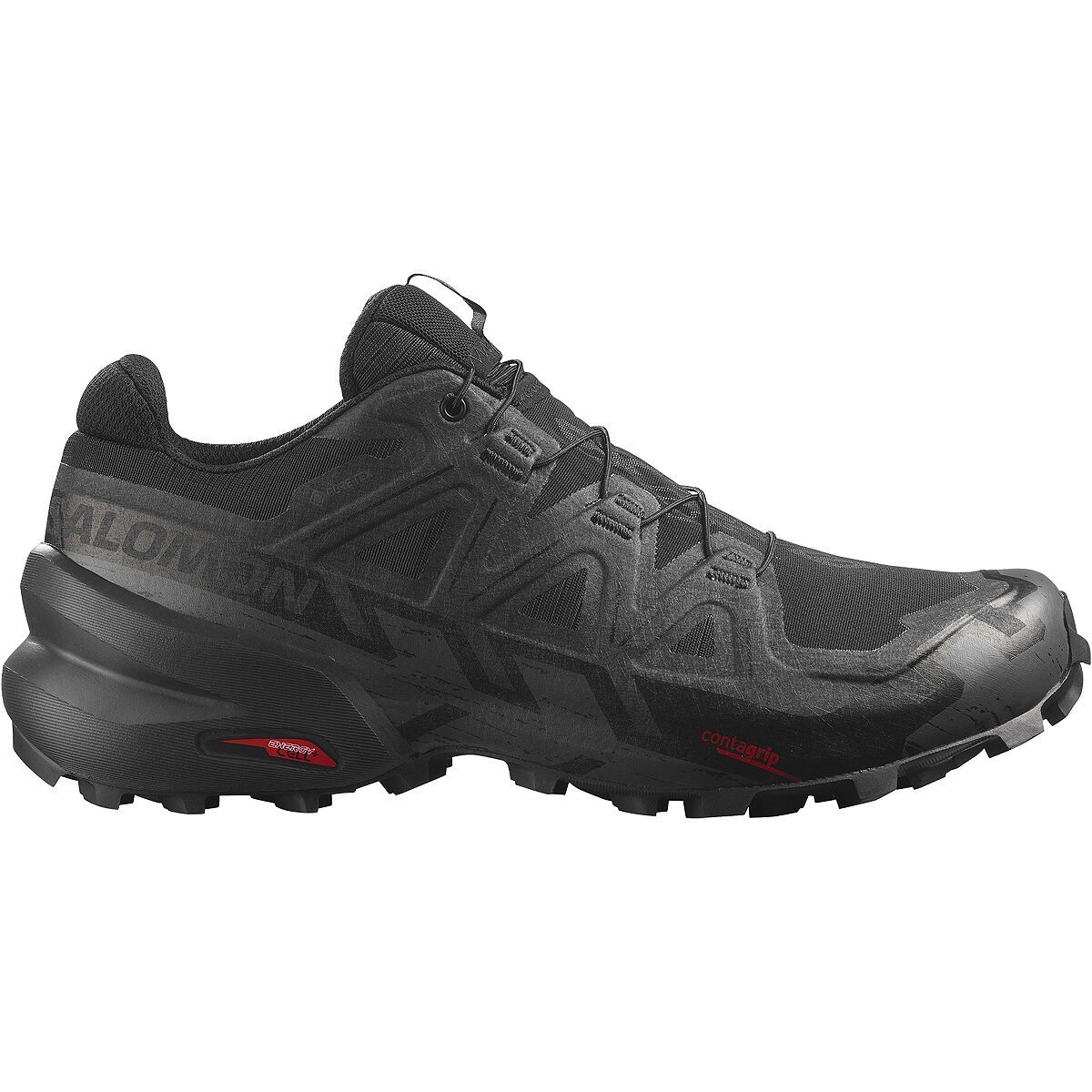
Salomon Speedcross 6 GTX
The legendary mud shoe. Deep chevron-shaped lugs bite into mud, wet grass, and loose dirt like nothing else. GTX version is fully waterproof — worth it if you run in wet conditions regularly.
- ✓ Deep chevron lugs for mud grip
- ✓ Gore-Tex waterproof upper
- ✓ Quicklace system
- ✓ Reinforced toe cap
- ✓ Weight: 10.6 oz (men's 9)
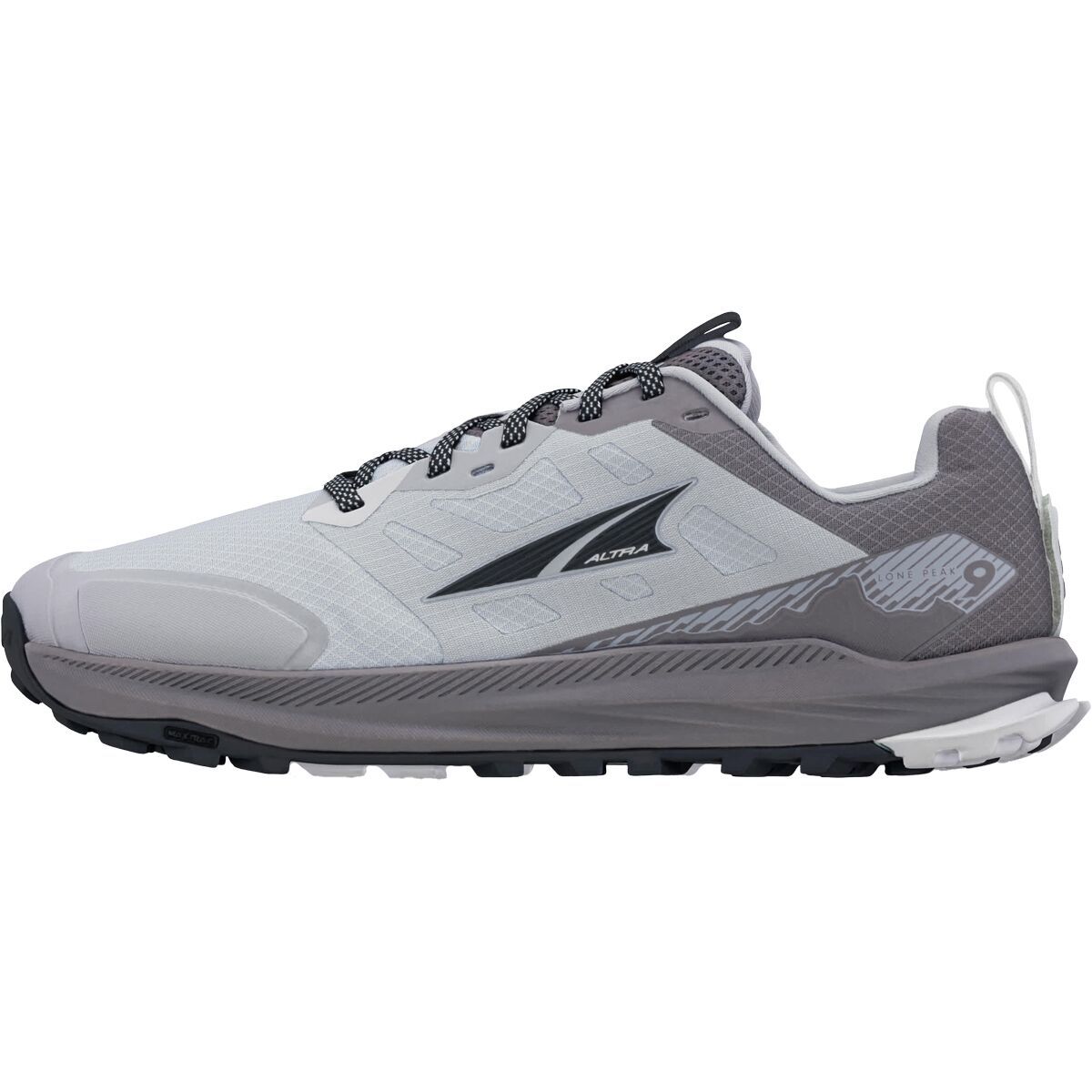
Altra Lone Peak 9
The thru-hiker's favorite trail shoe, also excellent for trail running. Zero heel-toe drop, wide toe box, and MaxTrac outsole that holds up on long miles. If your other trail shoes feel cramped, try Altra.
- ✓ Zero-drop geometry
- ✓ Foot-shaped wide toe box
- ✓ MaxTrac rubber outsole
- ✓ StoneGuard rock protection
- ✓ Moderate cushion — not max
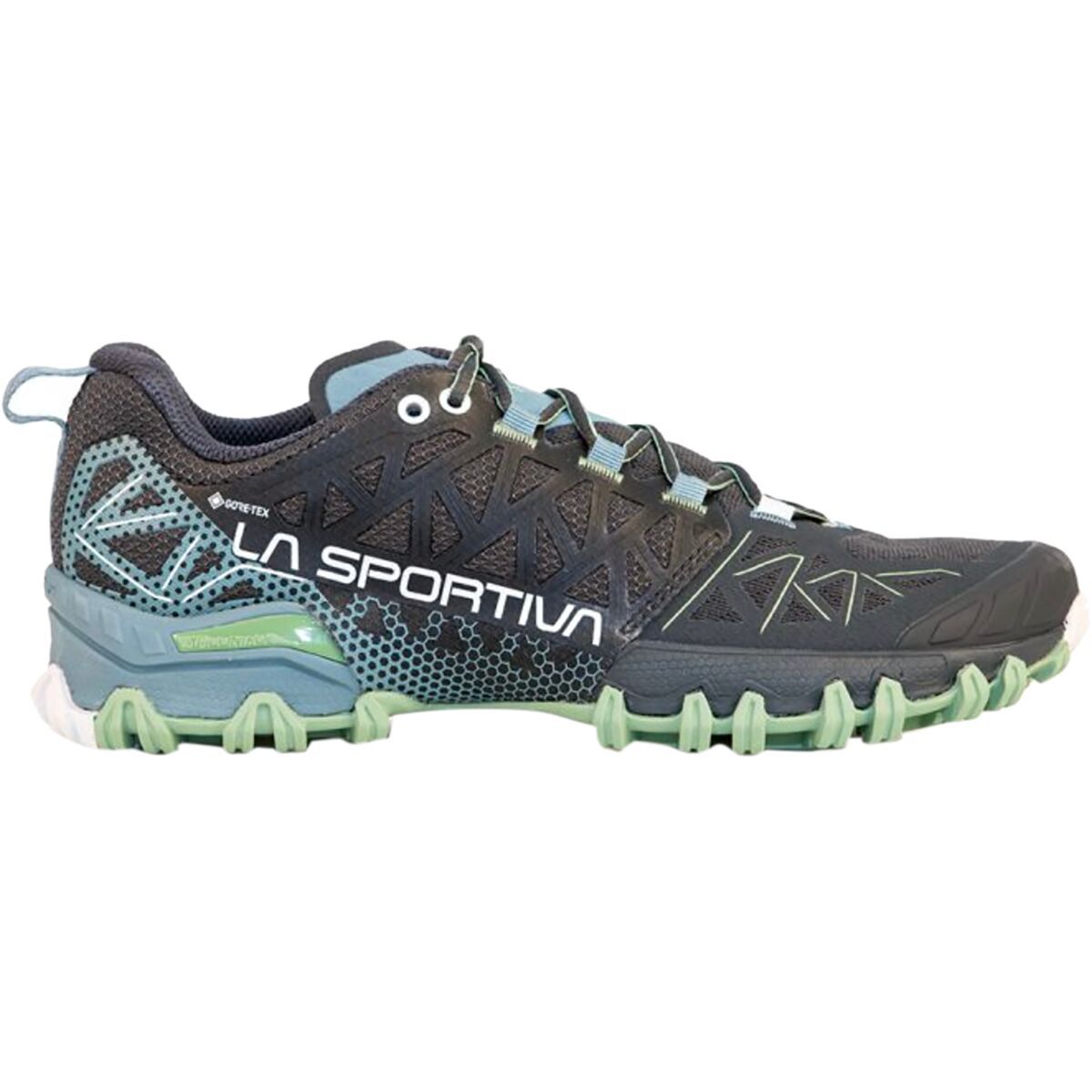
La Sportiva Bushido II GTX
Precision-fit shoe for technical trails — narrow Italian last, aggressive Frixion outsole, and a TPU shank that adds torsional rigidity. The pick for technical alpine running and steep mountain descents.
- ✓ Frixion Red outsole
- ✓ TPU shank for torsional rigidity
- ✓ Italian precision fit (narrow)
- ✓ Gore-Tex waterproof
- ✓ Lower stack height for ground feel
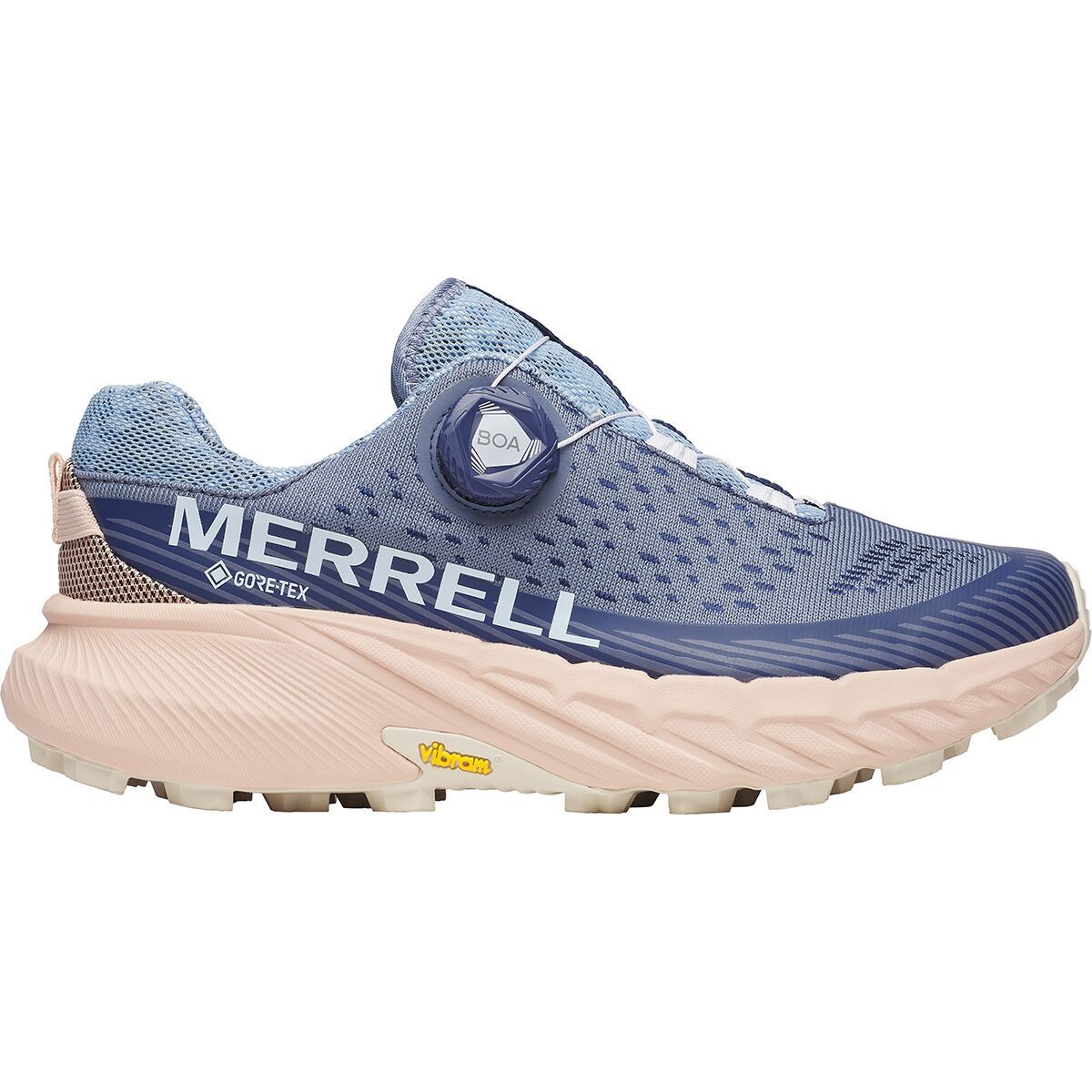
Merrell Agility Peak 5
Merrell's top trail runner at $140. Vibram Megagrip, FloatPro Foam midsole, and protective rock plate. Less refined than Speedgoat but 80% of the performance at a noticeably lower price.
- ✓ Vibram Megagrip outsole
- ✓ FloatPro Foam midsole
- ✓ Rock plate
- ✓ BOA lacing (on select versions)
- ✓ 6mm heel-toe drop
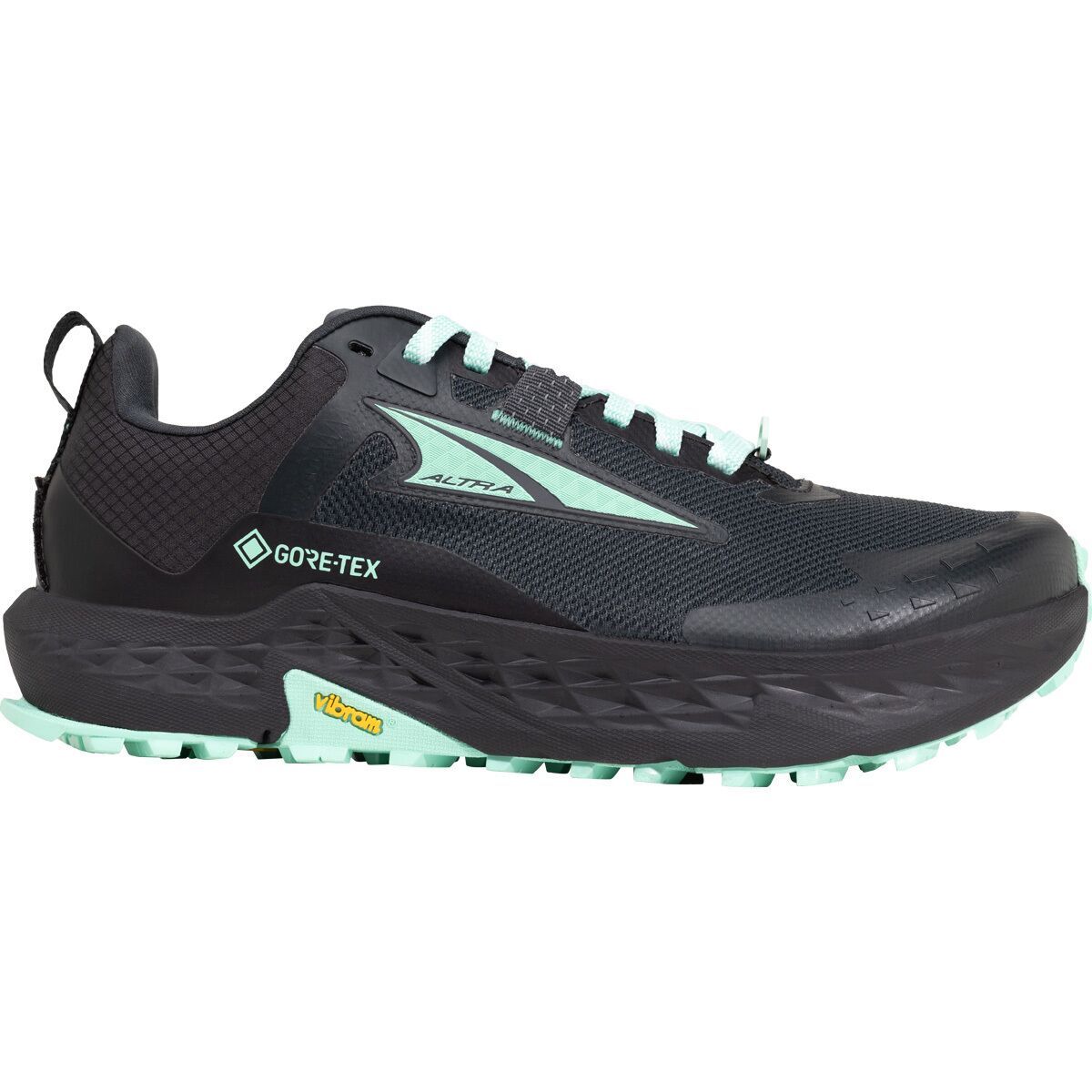
Altra Timp 5
Max-cushion zero-drop shoe for ultra distance. Altra's EGO MAX foam gives enough cushion for 100-milers while keeping the zero-drop foot-shaped toe box that Altra fans love.
- ✓ EGO MAX midsole foam
- ✓ Zero-drop geometry
- ✓ Wide foot-shaped toe box
- ✓ Vibram Megagrip outsole
- ✓ Durable 400+ mile outsole
Quick Comparison Table
| Product | Best For | Price | Buy |
|---|---|---|---|
| Salomon Speedcross 6 GTX | Soft terrain, mud, wet conditions | $170 | Shop → |
| Altra Lone Peak 9 | Wide feet, zero-drop preference | $145 | Shop → |
| La Sportiva Bushido II GTX | Technical alpine terrain | $111 | Shop → |
| Merrell Agility Peak 5 | Budget trail runners | $110 | Shop → |
| Altra Timp 5 | Ultra distance, max cushion zero-drop | ~$115 | Shop → |
How to Choose a Trail Running Shoe
Three factors cover most of the decision:
- Terrain. Smooth dirt paths → moderate lugs (Speedgoat, Timp). Mud/wet → deep lugs (Speedcross). Technical rock → precision fit + rock plate (Bushido, Agility Peak).
- Distance. Sub-2hr runs → lower stack, more ground feel (Bushido, Agility Peak). Marathon+ → max cushion (Speedgoat, Timp).
- Foot shape. Wide feet → Altra (foot-shaped last). Narrow feet → La Sportiva (Italian last). Medium feet → everything else.
Waterproof vs non-waterproof: waterproof keeps water OUT but also traps sweat. Good for cold/wet runs, bad for summer. If you run in heat, skip GTX versions.
Frequently Asked Questions
How often should I replace trail running shoes?
Trail shoes typically last 300-500 miles depending on terrain. Replace when you see worn lugs (less grip), compressed midsole (harsh ride), or feel new aches. Technical rocky terrain wears shoes faster than smooth singletrack.
Do I need waterproof trail shoes?
Only if you regularly run in wet conditions (rain, stream crossings, snow). Waterproof shoes trap heat and sweat, which matters on warm days. Non-waterproof dries faster after creek crossings. For most runners in most conditions, non-waterproof wins.
HOKA Speedgoat vs Salomon Speedcross — which is better?
Speedgoat for most conditions (better all-around grip, more cushion, faster on hardpack). Speedcross for true mud and soft soil (deeper, sharper lugs). If you can only own one trail shoe, pick Speedgoat.
Can I wear road running shoes on trails?
Fine for smooth packed dirt paths. Not fine for anything technical — road shoes lack grip, rock protection, and foot lockdown. You'll slip on descents and bruise your feet on rocks.
Related Running Gear Guides
- Best Running Shoes 2026 — Road shoes for the paved miles
- Best Running Hydration Vests — Essential for long trail runs
- Best Running Watches 2026 — GPS accuracy matters on trails
- Best Trail Running Socks 2026 — Blister prevention on long trails