Blog / Running Gear
Best Running Jackets 2026
Lightweight, waterproof, and cold weather options tested in Colorado conditions
Our Top Picks
The Quick Answer
For ultralight packability and versatile protection, the Patagonia Houdini Jacket ($86.99) is unbeatable at just 3 ounces. When serious rain hits, the Granite Crest ($279) delivers full H2No waterproof protection with breathability. Trail runners crushing technical terrain need the Dirt Roamer Storm ($319) with stretch panels and reinforced durability. For cold morning starts below 40°F, layer the Micro D Fleece ($99) under a shell for adaptable warmth.
Our Picks at a Glance
| Jacket | Best For | Protection | Weight | Price |
|---|---|---|---|---|
| Patagonia Houdini | Ultralight All-Around | Wind/Light Rain | 3oz | $86.99 |
| Granite Crest | Heavy Rain | Waterproof 3-Layer | 12oz | $279 |
| Dirt Roamer Storm | Technical Trail | Waterproof Stretch | 13oz | $319 |
| Dirt Roamer | Shoulder Season | Wind Block | 7.1oz | $149.40 |
| Micro D Fleece | Cold Weather Layer | Insulation | 8oz | $99 |
Why You Should Trust This Guide
Glen
Colorado Native & Endurance Runner
Tested running jackets through Colorado's mountain weather extremes—from summer thunderstorms to winter trail runs
I've logged thousands of training miles in Colorado conditions where weather changes in minutes. A running jacket isn't just gear—it's your insurance policy against hypothermia on exposed ridgelines and mountain passes.
Every jacket recommendation reflects real testing across temperature ranges, precipitation types, and intensity levels. I evaluate breathability during tempo runs, packability for long trail days, and durability through seasons of abuse.
Understanding Running Jacket Types
Choosing the Right Protection Level
Running jackets fall into three categories based on protection level and weight. Understanding these differences helps match gear to conditions.
Ultralight Shells
Weight: 2-5oz. Wind blocking with DWR coating for light rain. Packs into pocket. Best for: Variable weather, tempo runs, trail running with changing conditions.
Waterproof Shells
Weight: 10-15oz. 2.5 or 3-layer waterproof breathable membranes. Full rain protection. Best for: Sustained rain, winter training, mountain running.
Insulated/Fleece
Weight: 8-12oz. Synthetic insulation or fleece for warmth. Worn as layer or standalone. Best for: Below 40°F, easy runs, recovery days.
Best Overall: Patagonia Houdini Jacket
The Pack-and-Go Essential That Disappears Until You Need It
Patagonia Houdini Jacket
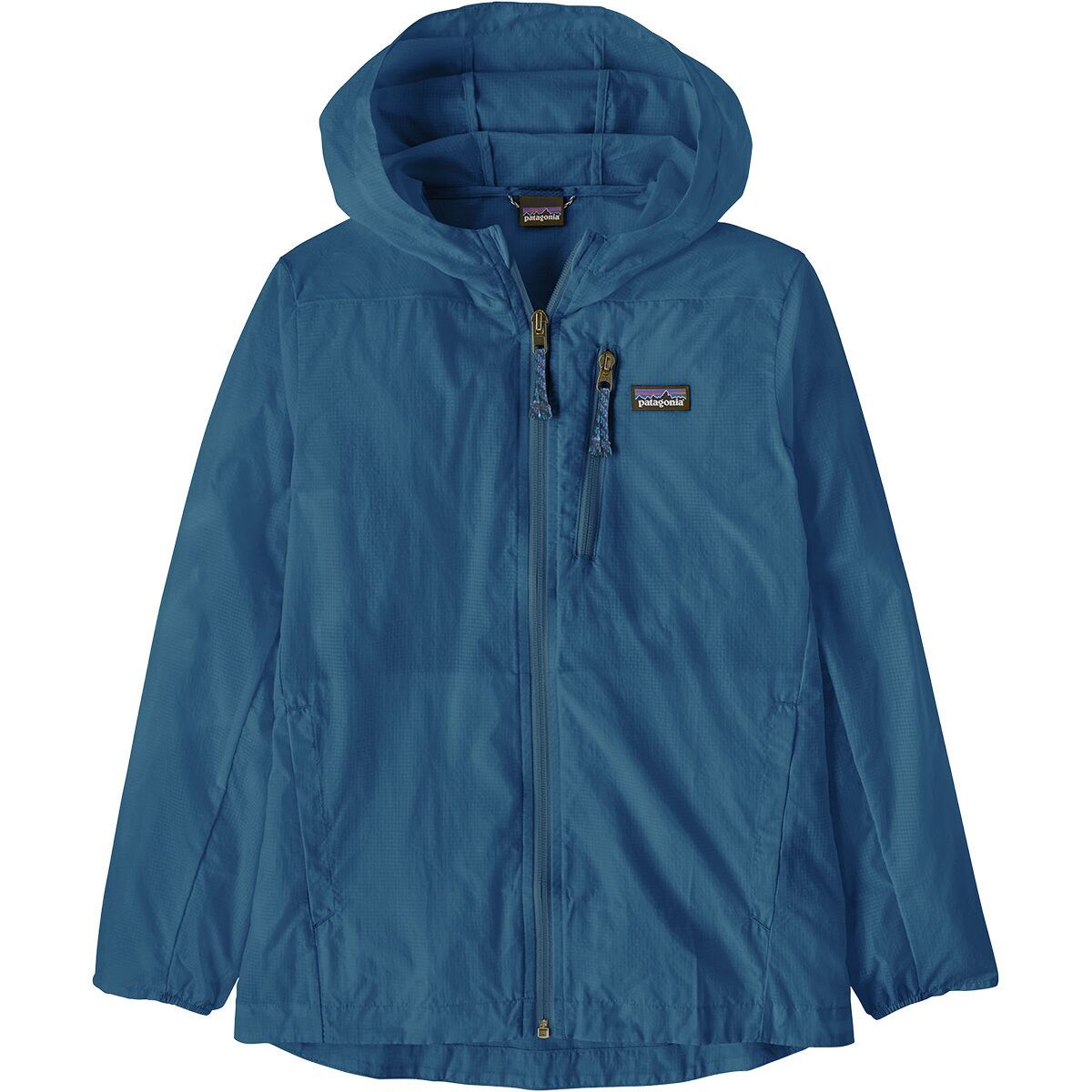
At just 3 ounces, this ultralight shell packs into its own chest pocket and blocks wind while shedding light rain. The ultimate just-in-case layer for runners.
The Patagonia Houdini has earned legendary status among runners for one simple reason: it's there when you need it and invisible when you don't. Weighing just 3 ounces, this ultralight shell stuffs into its own chest pocket—smaller than a gel flask—making it the easiest insurance policy you'll ever carry.
I've tested the Houdini through Colorado's notorious summer thunderstorms and shoulder-season temperature swings. The 100% recycled nylon ripstop with DWR finish blocks wind completely while shedding light rain for 20-30 minutes before saturation. That's enough protection to get you through surprise weather or bridge the gap until heavier rain hits.
The streamlined fit moves with your body without excess fabric flapping. Half-elastic cuffs seal without pressure points, and the drop-tail hem provides coverage during stride. The one-pull adjustable hood fits over most running caps and stays put during fast downhills.
Why It's Our Overall Pick
- • Ultralight at 3oz—you forget it's there
- • Packs into chest pocket (smaller than phone)
- • Excellent wind blocking for high-pace efforts
- • DWR coating handles light rain and drizzle
- • Breathable enough for tempo runs
- • Reflective logo for low-light visibility
- • Fair Trade Certified factory
The Tradeoffs
- • Not waterproof—sustained rain soaks through
- • Minimal pockets (chest pocket only)
- • No insulation—purely a shell layer
- • Delicate fabric needs care with pack straps
Best Waterproof: Patagonia Granite Crest Jacket
Full H2No Protection When Rain Means Business
Patagonia Granite Crest Jacket
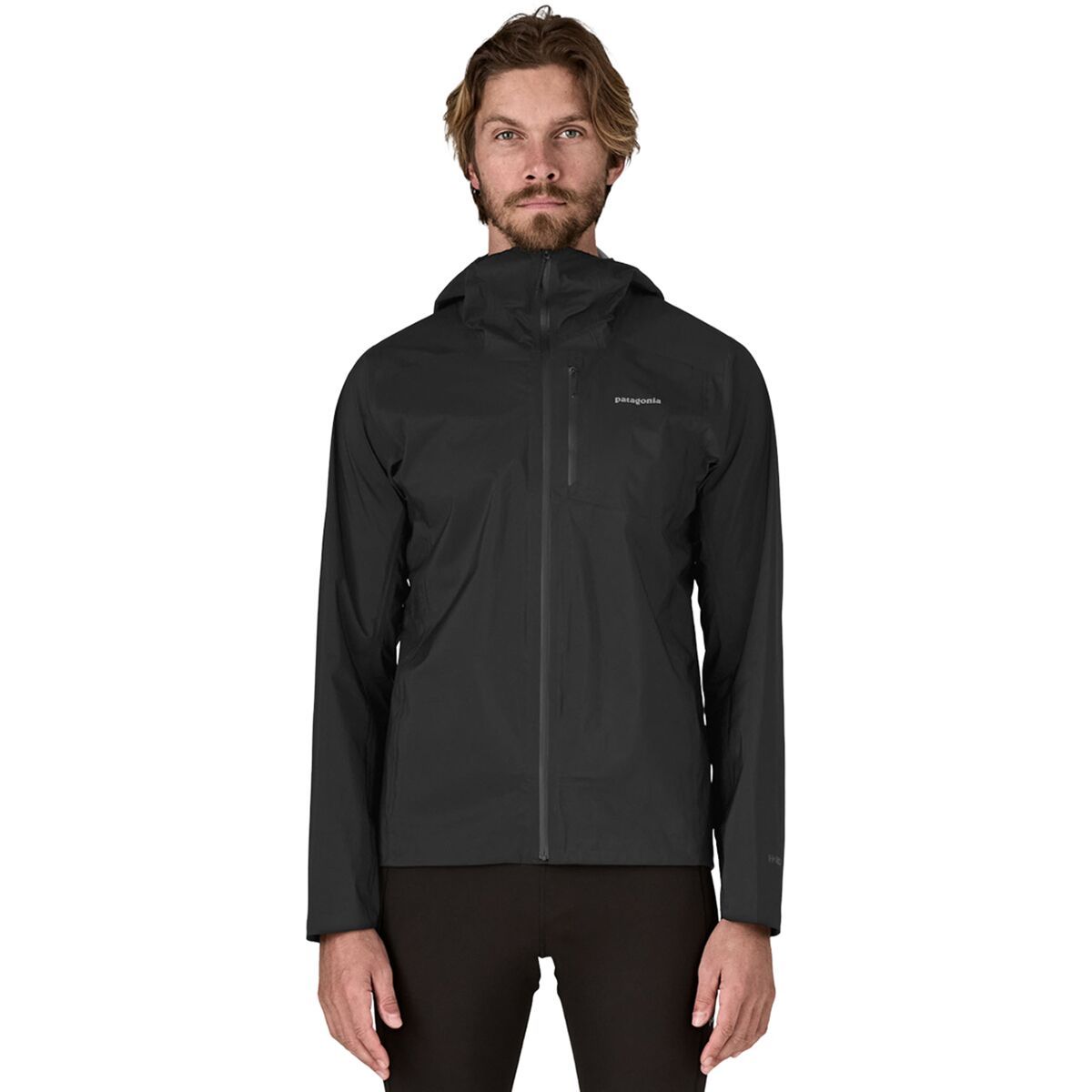
H2No 3-layer waterproof shell with jersey backer stays breathable during hard efforts. Pit zips and packable design for year-round training.
When Colorado's afternoon thunderstorms stack over mountain passes, I reach for the Granite Crest. This H2No Performance 3-layer shell provides full waterproof protection while maintaining breathability that actually works during tempo efforts and long climbs.
The jersey backer against skin prevents the clammy feeling common in cheaper rain shells. Two-way underarm vents dump heat on steep grades without letting rain in. The fixed hood adjusts with one hand and fits over running caps while staying stable at speed.
Made with NetPlus material from recycled fishing nets, the Granite Crest balances environmental responsibility with serious durability. At 12 ounces, it's light enough to pack on questionable weather days. The self-stowing pocket design means it disappears into your pack when skies clear.
Why It's Our Waterproof Pick
- • True waterproof 3-layer construction
- • Jersey backer prevents clamminess
- • Breathable enough for high-output running
- • Two-way pit zips for heat management
- • Packs into own pocket
- • Made from recycled fishing nets
- • Durable for season after season
The Tradeoffs
- • Heavier than ultralight shells (12oz)
- • Premium price point at $279
- • Overkill for light drizzle days
- • Hip-length cut may feel long for some
Best for Trail Running: Patagonia Dirt Roamer Storm Jacket
Technical Stretch for Demanding Terrain
Patagonia Dirt Roamer Storm Jacket
Waterproof shell with four-way stretch and reinforced panels. Built for technical terrain and long mountain missions.
The Dirt Roamer Storm represents Patagonia's answer to trail runners who demand more than basic protection. This waterproof shell stretches in four directions, moving with your body during steep climbs, technical descents, and scramble sections that require full range of motion.
I've tested this jacket on exposed ridgeline runs where weather changes by the minute. The waterproof shell keeps rain out during sustained downpours while the stretch panels prevent that restricted feeling common in traditional hard shells. Reinforced shoulders and sleeves handle trail spray, branch contact, and pack strap abrasion.
Strategic venting keeps breathability high during hard efforts. The athletic fit stays close to the body without restricting movement, and the running-specific pocket placement keeps nutrition and essentials accessible without bounce. At 13 ounces, it's packable enough for alpine starts where conditions are uncertain.
Why It's Our Trail Pick
- • Four-way stretch for technical movement
- • Waterproof with excellent breathability
- • Reinforced panels for durability
- • Running-specific pocket placement
- • Athletic fit eliminates excess fabric
- • Packs small for alpine missions
- • Quiet fabric doesn't rustle
The Tradeoffs
- • Premium price at $319
- • Overkill for road running
- • Not as ultralight as Houdini
Best Value: Patagonia Dirt Roamer Jacket
Patagonia Dirt Roamer Jacket
Lightweight wind-blocking layer at 7.1oz. Perfect for shoulder season and variable conditions without waterproof price tag.
The non-Storm version of the Dirt Roamer offers wind and light rain protection at a more accessible price. At 7.1 ounces, it's light enough to pack on questionable weather days while providing more protection than ultralight shells.
This jacket excels during shoulder season—those spring and fall months where mornings start cold but afternoons warm up. The adjustable hood stows when not needed, and cycling-specific pockets (equally useful for running) keep essentials secure without bounce.
Best Cold Weather Layer: Patagonia Micro D Fleece Jacket
Patagonia Micro D Fleece Jacket
Lightweight microfleece for layering or standalone wear. Warm without bulk for cold morning starts and recovery runs.
When temperatures drop below 40°F, the Micro D Fleece provides warmth without the bulk of traditional fleece jackets. Made from recycled polyester, this lightweight layer works as standalone piece for easy runs or as insulation under a shell when conditions turn serious.
The microfleece fabric wicks moisture during movement while providing gentle warmth for cold morning starts. The full-length zipper allows quick temperature regulation, and zippered pockets hold essentials. At 8 ounces, it's light enough to pack if you expect to warm up mid-run.
How to Choose the Right Running Jacket
Variable Weather/Ultralight Needs: Patagonia Houdini. Packs tiny, blocks wind, handles light rain. The ultimate just-in-case layer.
Regular Rain Running: Granite Crest. Full waterproof protection with breathability that works during tempo efforts.
Technical Trail Running: Dirt Roamer Storm. Stretch panels and reinforcement for demanding terrain.
Shoulder Season Value: Dirt Roamer (non-Storm). Wind blocking without waterproof price tag.
Cold Weather (Below 40°F): Micro D Fleece. Layer under shell or wear standalone for easy runs.
Fit and Sizing Considerations
Running jackets should fit closer than casual outerwear:
- • Arms should extend without fabric bunching at shoulders
- • Hem should cover hips but not restrict stride
- • Room for one light layer underneath (baselayer or light fleece)
- • Athletic fit reduces wind resistance and fabric flapping
- • Sleeves shouldn't ride up during arm swing
- • Try running motions in fitting room—reaching, arm circles, high knees
Temperature Guidelines
Match jacket type to temperature and conditions:
- • 55-65°F: Ultralight shell over tech shirt
- • 45-55°F: Shell over long sleeve baselayer
- • 35-45°F: Fleece layer + shell, or waterproof jacket
- • 25-35°F: Fleece + waterproof shell + baselayer
- • Below 25°F: Add insulated layer between fleece and shell
- • Remember: Dress 15-20°F warmer than actual temperature
Frequently Asked Questions
Can I use a hiking jacket for running?
Hiking jackets work but aren't optimal. They're typically heavier, have excess fabric that flaps during stride, and lack athletic cuts for arm movement. Running jackets provide better breathability during high-output efforts. If you already own a hiking shell, it works for easy runs and recovery days.
How do I wash a DWR-treated jacket?
Wash with technical wash (Nikwax Tech Wash or similar), not regular detergent. Tumble dry low heat to reactivate DWR coating. When water stops beading, retreat with DWR spray (Nikwax TX.Direct). Never use fabric softener—it destroys DWR permanently.
Do I need pit zips for running?
Pit zips help with waterproof shells during hard efforts. Ultralight shells like the Houdini don't need them—the fabric breathes well enough. For serious rain jackets used during tempo runs and long efforts, pit zips make a significant difference in preventing overheating.
What's the difference between water-resistant and waterproof?
Water-resistant (DWR coating) sheds light rain for 20-30 minutes before soaking through. Waterproof (membrane construction) keeps you dry in sustained downpours indefinitely. Ultralight shells are water-resistant. True waterproof requires heavier construction like H2No or Gore-Tex.