What is the Cooper Test?
The Cooper Test is a 12-minute run test developed by Dr. Kenneth Cooper in 1968 to estimate VO2 max (maximal oxygen uptake). You simply run as far as possible in 12 minutes, and your distance covered correlates with your aerobic fitness level.
Cooper Test Formula
Example: 2500m run = (2500 - 504.9) / 44.73 = 44.6 ml/kg/min
Cooper Test Results: Men by Age
| Age | Excellent | Good | Average | Below Avg | Poor |
|---|---|---|---|---|---|
| 13-14 | >2700m | 2400-2700m | 2200-2399m | 2100-2199m | <2100m |
| 15-16 | >2800m | 2500-2800m | 2300-2499m | 2200-2299m | <2200m |
| 17-19 | >3000m | 2700-3000m | 2500-2699m | 2300-2499m | <2300m |
| 20-29 | >2800m | 2400-2800m | 2200-2399m | 1600-2199m | <1600m |
| 30-39 | >2700m | 2300-2700m | 1900-2299m | 1500-1899m | <1500m |
| 40-49 | >2500m | 2100-2500m | 1700-2099m | 1400-1699m | <1400m |
| 50-59 | >2400m | 2000-2400m | 1600-1999m | 1300-1599m | <1300m |
| 60+ | >2200m | 1800-2200m | 1400-1799m | 1100-1399m | <1100m |
Cooper Test Results: Women by Age
| Age | Excellent | Good | Average | Below Avg | Poor |
|---|---|---|---|---|---|
| 13-14 | >2000m | 1900-2000m | 1600-1899m | 1500-1599m | <1500m |
| 15-16 | >2100m | 2000-2100m | 1700-1999m | 1600-1699m | <1600m |
| 17-19 | >2300m | 2100-2300m | 1800-2099m | 1700-1799m | <1700m |
| 20-29 | >2300m | 2000-2300m | 1800-1999m | 1500-1799m | <1500m |
| 30-39 | >2200m | 1900-2200m | 1700-1899m | 1400-1699m | <1400m |
| 40-49 | >2100m | 1800-2100m | 1500-1799m | 1200-1499m | <1200m |
| 50-59 | >1900m | 1600-1900m | 1400-1599m | 1100-1399m | <1100m |
| 60+ | >1700m | 1400-1700m | 1200-1399m | 900-1199m | <900m |
Measure your 12 minutes accurately
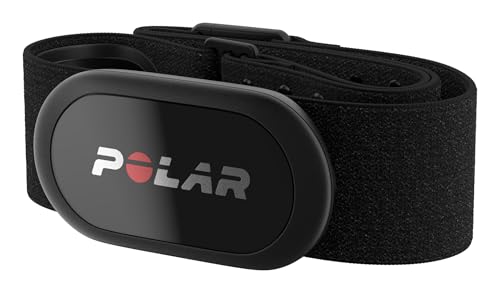
Your Cooper Test score is only as good as your distance measurement. A GPS watch logs the exact distance covered, and a chest strap shows how hard you actually worked during the test.
As an Amazon Associate we earn from qualifying purchases. Prices are approximate and change often.

VO2 Max Classification by Age
Men - VO2 Max (ml/kg/min)
| Age | Poor | Fair | Good | Excellent |
|---|---|---|---|---|
| 20-29 | <38 | 38-41 | 42-46 | >46 |
| 30-39 | <35 | 35-38 | 39-43 | >43 |
| 40-49 | <32 | 32-35 | 36-40 | >40 |
| 50-59 | <29 | 29-32 | 33-37 | >37 |
| 60+ | <26 | 26-29 | 30-34 | >34 |
Women - VO2 Max (ml/kg/min)
| Age | Poor | Fair | Good | Excellent |
|---|---|---|---|---|
| 20-29 | <29 | 29-32 | 33-37 | >37 |
| 30-39 | <27 | 27-30 | 31-35 | >35 |
| 40-49 | <24 | 24-27 | 28-32 | >32 |
| 50-59 | <21 | 21-24 | 25-29 | >29 |
| 60+ | <18 | 18-21 | 22-26 | >26 |
Distance to VO2 Max Quick Reference
Common Distances
Elite Standards
Note: Elite distance runners typically have VO2 max values of 70-85 ml/kg/min. The world record Cooper Test distance is approximately 4,000m+.
Calculate Your VO2 Max Instantly
Enter your Cooper Test distance and get your VO2 max with fitness classification and training recommendations.
Open Cooper Test CalculatorHow to Improve Your Cooper Test Score
1. Build Aerobic Base
Run 3-4 easy runs per week at conversational pace. Aim for 30-45 minutes each. This builds the foundation for all other training.
2. Add Tempo Runs
Once weekly, run 20-30 minutes at "comfortably hard" pace. This improves lactate threshold and running economy.
3. Include Intervals
Weekly session of 6-8 × 800m at goal Cooper Test pace with 90-second jog recovery. Teaches your body to sustain faster speeds.
4. Practice Pacing
Do test simulations. Learn to start at sustainable pace rather than sprinting. Even splits or slight negative splits work best.
Expected Improvement: With consistent training, most people can improve their Cooper Test score by 200-400 meters (3-6 ml/kg/min VO2 max) in 6-8 weeks.