Proper hydration can make or break your ride. Lose just 2% of your body weight through sweat and your power output drops, heart rate rises, and perceived effort increases. Lose more and you risk serious performance decrements, cramping, and even heat illness.
But hydration isn't just about drinking water. It's about replacing the sodium and electrolytes you lose in sweat, timing your fluid intake properly, and adapting your strategy for conditions. This guide covers everything you need to stay optimally hydrated from casual rides to multi-hour races.
The Performance Impact
Research shows that dehydration of just 2% body weight reduces endurance performance by 10-20%. At 3-4% dehydration, cognitive function declines and core temperature rises. Staying on top of hydration is one of the simplest ways to maintain performance.
How Much Should You Drink?
General Guidelines
| Conditions | Fluid per Hour | Notes |
|---|---|---|
| Cool (<15°C/60°F) | 400-600ml (13-20 oz) | Lower intensity may need less |
| Moderate (15-25°C/60-77°F) | 500-750ml (16-24 oz) | Standard conditions |
| Hot (25-32°C/77-90°F) | 750-1000ml (24-34 oz) | High electrolyte need |
| Very Hot (>32°C/90°F) | 1000-1200ml+ (34-40+ oz) | May need 2+ bottles/hour |
Individual Variation
These are starting points. Some riders lose 0.5 liters of sweat per hour; others lose 2+ liters. Genetics, fitness, heat acclimation, and body size all affect sweat rate. Calculate your personal sweat rate (see below) for precise guidance.
Timing Your Intake
- Start hydrated: Drink 400-600ml in the 2-3 hours before your ride
- Drink early and often: Start drinking in the first 15-20 minutes, don't wait until thirsty
- Small, frequent sips: 150-250ml every 15-20 minutes is better than large gulps
- Use a schedule: Set a watch reminder or drink at specific landmarks
- Post-ride: Replace 150% of fluid lost (1.5 liters per kg lost)
Electrolyte Requirements
Sweat contains more than just water. You lose significant amounts of sodium, and smaller amounts of potassium, magnesium, and calcium. Replacing these electrolytes, especially sodium, is crucial for long rides and hot conditions.
Sodium: The Key Electrolyte
Why sodium matters:
- • Sweat contains 500-2000mg sodium per liter (highly individual)
- • Sodium helps your body absorb and retain water
- • Low sodium (hyponatremia) causes cramping, nausea, confusion
- • Plain water dilutes blood sodium - replace what you lose
How Much Sodium Do You Need?
| Ride Duration/Intensity | Sodium Target |
|---|---|
| <60 min, easy/moderate | Usually not needed |
| 60-90 min, moderate | 300-500mg per hour |
| 90+ min or intense | 500-1000mg per hour |
| Hot conditions, heavy sweater | 750-1500mg per hour |
Other Electrolytes
Potassium
Important for muscle function. Easily replaced through normal diet - bananas, potatoes, coconut water.
Magnesium
Involved in muscle contraction. Some riders supplement; others get enough from food.
Calcium
Lost in small amounts. Normal dairy intake usually sufficient for replacement.
Calculating Your Sweat Rate
Knowing your personal sweat rate takes the guesswork out of hydration. It's simple to calculate and gives you a precise fluid target.
Sweat Rate Test Protocol
- Weigh yourself naked before your ride (in kg)
- Ride for 1 hour at your typical intensity
- Track all fluid intake during the ride (in liters)
- Don't urinate during the test if possible
- Weigh yourself naked immediately after
- Calculate: Pre-weight - Post-weight + Fluid consumed = Sweat loss
Example Calculation
Pre-ride weight: 75.0 kg
Post-ride weight: 74.2 kg
Fluid consumed: 0.5 liters
Sweat loss: 75.0 - 74.2 + 0.5 = 1.3 liters/hour
This rider should aim to drink 1.0-1.3 liters per hour in similar conditions.
Test in Different Conditions
Your sweat rate changes dramatically with temperature and intensity. Test in both cool and hot conditions, and at different effort levels, to build a complete picture.
Hot Weather Hydration Strategy
Heat dramatically increases fluid and electrolyte needs. A well-executed hydration strategy is essential for performance and safety in hot conditions.
Pre-Ride Preparation
- • Hyperhydrate: 500-750ml with sodium 2-3 hours before
- • Pre-cool: Cold drinks, ice vest, cold towels
- • Start early: Ride in cooler morning hours if possible
- • Plan bottle refills: Know where you can get water
During Hot Rides
- • Increase sodium: 750-1500mg per hour
- • Drink more frequently: Every 10-15 minutes
- • Use cold bottles: Ice or insulated bottles stay colder
- • Pour water over yourself: External cooling helps
- • Monitor for warning signs: Confusion, goosebumps, stopped sweating
Heat Illness Warning Signs
Stop immediately if you experience: confusion, goosebumps despite heat, cessation of sweating, extreme fatigue, or coordination problems. Move to shade, apply cold water, and seek medical help if symptoms don't improve quickly.
Hydration Products Compared
Sports Drinks (Gatorade, Skratch, Tailwind)
Combines hydration + carbs + electrolytes in one product.
Pros: Convenient, proven formulas, good absorption
Cons: May not match individual carb/sodium needs, can be too sweet
Electrolyte Tablets (Nuun, Precision Hydration, SiS)
Adds electrolytes without significant calories.
Pros: Separate hydration from fueling, portable, customizable
Cons: No energy, some have artificial sweeteners
Salt Capsules (SaltStick, Precision Hydration)
Pure sodium/electrolyte supplementation in pill form.
Pros: Precise dosing, portable, no taste issues
Cons: Easy to forget, doesn't help with fluid intake
Plain Water + Food
Hydrate with water, get sodium from salty foods.
Pros: Natural, cheap, works fine for shorter rides
Cons: Harder to dial in during long/hot rides
Race Day Hydration Strategy
The Day Before
- • Drink to thirst plus a little extra - don't overdo it
- • Include some sodium with meals
- • Urine should be pale yellow (not clear, not dark)
- • Avoid alcohol
Race Morning
- • 500-750ml with sodium, 2-3 hours before start
- • Stop large fluid intake 30-60 min before for bathroom break
- • Small sips until start if needed
During the Race
- • Start drinking early - first 15-20 minutes
- • Hit your calculated fluid/sodium targets
- • Know feed zone locations and what's available
- • Carry backup electrolytes in case aid stations run low
- • Adjust based on conditions - hot races need more
Frequently Asked Questions
How much water should I drink while cycling?
A general guideline is 500-750ml (16-24 oz) per hour in moderate conditions. In hot weather, increase to 750-1000ml per hour. Individual sweat rates vary significantly - weigh yourself before and after rides to calculate your personal fluid needs. Each kg lost equals approximately 1 liter of fluid deficit.
Do I need electrolytes or is water enough?
For rides under 60-90 minutes in moderate conditions, water is usually sufficient. For longer rides, hot weather, or heavy sweaters, you need sodium and other electrolytes. Aim for 500-1000mg sodium per liter of fluid. Sports drinks, electrolyte tablets, or salt capsules all work.
What are signs of dehydration while cycling?
Early signs include thirst, decreased power output, elevated heart rate for the same effort, headache, and dark urine. More serious symptoms include dizziness, confusion, muscle cramps, and stopping sweating. If you're thirsty, you're already mildly dehydrated - drink proactively before thirst sets in.
Should I use sports drink or plain water?
Use both strategically. Sports drinks provide carbs and electrolytes - good for fueling and hydration together. Plain water with separate food works too. In hot weather, prioritize electrolyte-containing fluids. Avoid sugary drinks that are too concentrated (>8% carbs) as they slow absorption.
Can you drink too much water while cycling?
Yes - overhydration (hyponatremia) is dangerous, especially in longer events. It occurs when you drink excessive plain water, diluting blood sodium levels. Symptoms include confusion, nausea, and swelling. Prevent it by including sodium in fluids and not forcing fluids beyond thirst during cooler conditions or low-intensity efforts.
Related Articles
📊 Power Up Your Cycling
Use our free calculators to optimize performance:
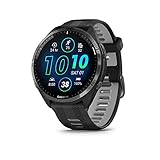 Garmin Forerunner 965
 COROS APEX 2 Series GPS Watch
 Favero Assioma Uno Power Meter Pedal