Table of Contents
Your body can store about 2,000 calories of glycogen—enough for roughly 90-120 minutes of running. After that, without refueling, you'll hit the dreaded "wall." Proper fueling during long runs keeps your energy levels stable, maintains pace, and helps you finish strong.
This guide covers the science and practice of fueling during runs: when to start, how much to take, what products work best, and how to avoid the stomach issues that plague many runners.
The gear these numbers assume
Every pace, zone and power figure on this page assumes something is measuring it. These are the three that cover running, cycling and the threshold work in between.
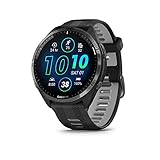 Garmin Forerunner 965
Multisport with the training-load and threshold metrics most of these calculations assume you can actually see day to day.
Check Backcountry → Check price on Amazon → COROS APEX 2 Series GPS Watch
Sapphire titanium and the longest battery in its class, which is the deciding feature once sessions run past a few hours.
Check Backcountry → Check price on Amazon → Favero Assioma Uno Power Meter Pedal
Single-sided pedal power, the cheapest honest way to start training with watts instead of estimating from heart rate.
Check Backcountry → Check price on Amazon →As an Amazon Associate we earn from qualifying purchases, at no extra cost to you. Prices change, so check before buying.
1. Why Fueling Matters
Your Body's Fuel Tank
Glycogen Stores
- • Muscles: ~300-400g (1,200-1,600 cal)
- • Liver: ~80-100g (320-400 cal)
- • Blood glucose: ~20g (80 cal)
- • Total: ~2,000 calories
Burn Rate
- • Easy running: ~600-800 cal/hour
- • Moderate pace: ~800-1,000 cal/hour
- • Race pace: ~1,000-1,200 cal/hour
- • Depletion: 90-150 minutes
What Happens When You Bonk
When glycogen depletes, your body shifts to burning fat exclusively. Fat can't fuel high-intensity effort, so:
- • Pace drops dramatically (sometimes by 2+ min/mile)
- • Mental fog, irritability, poor decision-making
- • Heavy legs, extreme fatigue
- • The wall is psychological AND physiological
The Solution: Exogenous Carbs
By consuming carbohydrates during your run, you supplement your limited glycogen stores with external fuel. This delays depletion, maintains blood sugar, and allows you to sustain pace longer. Your gut can absorb about 60-90g of carbs per hour—not enough to fully replace what you burn, but enough to significantly extend your range.
2. When to Start Fueling
The Timing Rule
Minutes into your run
Take first fuel
Minutes between fueling
For subsequent fuel
Why Start Early?
It takes 10-15 minutes for consumed carbs to reach your bloodstream. If you wait until you feel depleted, you're already behind. Starting at 45 minutes ensures fuel is available when you need it most.
Fueling by Run Duration
| Run Duration | Fueling Needed? | Recommendation |
|---|---|---|
| <60 minutes | No | Water only (unless fasted/depleted) |
| 60-90 minutes | Optional | One gel at 45-60 min if hard effort |
| 90-120 minutes | Recommended | 1-2 gels total, starting at 45 min |
| 2-3 hours | Essential | 3-4 gels, regular intervals every 20 min |
| 3+ hours | Critical | Consistent fueling from 45 min onward, 60-90g/hr |
3. How Much to Consume
Carbohydrate Guidelines
Per hour for most runners
Trained gut, multiple carb sources
Elite athletes, highly trained guts
What This Means in Practice
- • Most gels: 20-25g carbs → 2-3 gels per hour
- • Chews/blocks: 4-6g per piece → 5-10 pieces per hour
- • Sports drink: 30-60g per liter → sip throughout
- • Combination: Mix sources for variety
The Two-Transporter Advantage
Your gut has limited transporters for each sugar type. Using multiple carb sources (glucose + fructose) allows greater absorption than a single source:
Single Source (Glucose only)
Max absorption: ~60g/hour
Dual Source (Glucose + Fructose)
Max absorption: ~90g/hour (2:1 ratio optimal)
Look for products listing maltodextrin (glucose) + fructose, or mix different products.
Start Conservative, Build Up
Your gut is trainable. If you're new to fueling during runs, start with 30g/hour and gradually increase over weeks. Trying 90g/hour without training often leads to GI disaster. Practice fueling on training runs at the pace you'll race.
4. Types of Running Fuel
Energy Gels
Concentrated carbs in a semi-liquid form. Fast to consume, easy to digest at race pace.
- ✓ 20-25g carbs per gel
- ✓ Portable, lightweight
- ✓ Quick energy delivery
- ✗ Texture can be off-putting
- ✗ Need water with most gels
Popular options: GU, Maurten, SiS, Huma, Spring Energy
Energy Chews/Gummies
Gummy-like squares or blocks. Some prefer the chewing action and texture over gels.
- ✓ 4-8g carbs per piece
- ✓ More "food-like" experience
- ✓ Easy to take smaller amounts
- ✗ Requires chewing at pace
- ✗ Can stick to teeth/packaging
Popular options: Clif Bloks, GU Chews, Skratch Chews
Sports Drinks
Combines hydration with fuel. Good for hot weather or those who struggle with gels.
- ✓ Hydration + carbs together
- ✓ Easy to consume at pace
- ✓ Often includes electrolytes
- ✗ Need to carry/access fluid
- ✗ Lower carb concentration
Popular options: Maurten, Skratch, Tailwind, Gatorade Endurance
Real Food
Works for slower paces (ultras, easy long runs) where you can digest more complex foods.
- ✓ Variety, less "sports nutrition" fatigue
- ✓ Can be more palatable over long efforts
- ✓ Cheaper than commercial products
- ✗ Harder to digest at faster paces
- ✗ Less convenient packaging
Options: Dates, banana, white bread + honey, boiled potatoes, rice balls
5. Avoiding GI Distress
Common Causes of Runner's Gut
Nutrition-Related
- • Too much fuel at once
- • High fiber/fat/protein in fuel
- • Very concentrated sugars without water
- • New/untested products
- • Fructose intolerance
Running-Related
- • Dehydration (slows gut function)
- • Running too fast (blood diverts from gut)
- • Jostling/mechanical stress
- • Heat stress
- • Pre-run meal too close/too large
Prevention Strategies
Small Amounts, More Frequently
Instead of one gel every 45 minutes, try half a gel every 20 minutes. Smaller doses are easier to absorb.
Train Your Gut
Practice fueling on every long run. Your gut adapts to processing food while running. Start with lower amounts and build up over weeks.
Stay Hydrated
A dehydrated gut doesn't function well. Drink water with gels and maintain steady hydration throughout.
Avoid High FODMAP Foods Pre-Run
Reduce fiber, lactose, and fermentable carbs in the 24 hours before long runs and races.
Nothing New on Race Day
Only use products you've tested multiple times in training at race pace. This is non-negotiable.
6. Race Day Fueling Strategy
Example Marathon Fueling Plan
| Mile | Approx Time | Action | Total Carbs |
|---|---|---|---|
| Start | 0:00 | Water only, settle into pace | 0g |
| 5-6 | ~0:45 | First gel + water | 25g |
| 9-10 | ~1:15 | Second gel + water | 50g |
| 13-14 | ~1:50 | Third gel + water | 75g |
| 17-18 | ~2:20 | Fourth gel + water | 100g |
| 21-22 | ~2:50 | Fifth gel (optional) + water | 125g |
| 24-26 | ~3:10+ | Final push—fuel in system | — |
Adjust timing based on your pace and aid station locations. Many runners align gel intake with water stations.
Race Day Tips
- • Carry your own gels: Don't rely on course-provided nutrition unless you've tested that exact product
- • Practice opening packages: Sticky fingers at mile 18 make gel packets frustrating
- • Set watch reminders: In race focus, it's easy to forget to fuel
- • Walk through aid stations: It's easier to drink and fuel while walking briefly
7. Frequently Asked Questions
When should I start fueling during a long run?
Start fueling around 45-60 minutes into your run. Don't wait until you feel depleted—by then it's too late to catch up. For runs under 60-75 minutes, you generally don't need fuel (water is sufficient). For longer runs, aim to take your first gel or fuel source before the one-hour mark.
How many grams of carbs should I consume per hour?
Aim for 30-60 grams of carbohydrates per hour for runs over 90 minutes. Most gels contain 20-25g of carbs, so that's 1-2 gels per hour. For very long efforts (3+ hours), trained athletes can absorb up to 90g/hour using multiple carb sources (glucose + fructose). Start conservative and build up as your gut adapts.
Why do I get stomach issues when fueling during runs?
GI distress during running is common and often caused by: taking too much fuel at once, high fiber/fat/protein in fuel, dehydration (slows digestion), running too fast (blood diverts from gut), or using unfamiliar products. Solutions: take smaller amounts more frequently, choose simple sugars, stay hydrated, practice fueling at race pace, and always test products in training.
What's better: gels, chews, or real food?
All can work—it depends on preference and intensity. Gels are fastest to consume and digest, ideal for racing. Chews/gummies require more chewing but some prefer the texture. Real food (dates, banana, rice balls) works for slower-paced ultras where you can digest it. For marathon pace, gels and chews are usually best. Always train with what you'll race with.
Should I drink water with my gel?
Yes, a few sips of water helps dilute the gel's concentrated sugars and improves absorption. Taking a gel without water can cause stomach distress and slow absorption. Time your gel intake with water stations in races, or carry a small handheld bottle on training runs. Exception: some newer "isotonic" gels are designed to be taken without water.
Related Articles
Related Calculators
Use our free calculators to optimize your nutrition and training: