Cycling Nutrition Complete Guide 2026: Pre-Ride, During, Recovery & Race Day
Master every aspect of cycling nutrition - from what to eat before you clip in, to fueling strategies that prevent bonking, to recovery nutrition that rebuilds stronger. Science-backed protocols for training rides, sportives, and races.
Quick Reference: Carbs Per Hour by Ride Duration
Table of Contents
Nutrition can make or break your cycling performance. You can have the best bike, perfect fitness, and ideal weather - but without proper fueling, you'll hit the wall, lose power, and potentially ruin months of training on race day.
This guide covers everything you need to know about cycling nutrition: the science of carbohydrate absorption, practical fueling strategies, product recommendations, and protocols for every type of ride from easy spins to multi-day events.
Key Insight: Your body stores about 400-500g of glycogen - enough for roughly 90 minutes of moderate cycling. After that, you need external fuel or you'll bonk. The good news? With proper nutrition, you can ride for hours at high power.
1. Pre-Ride Nutrition (1-4 Hours Before)
What you eat before riding sets the stage for performance. The goal is to top off glycogen stores, ensure adequate hydration, and avoid GI distress during the ride.
3-4 Hours Before: The Main Pre-Ride Meal
This is your opportunity to take in substantial fuel without digestive issues during the ride.
Pre-Ride Meal Guidelines
- Carbohydrates: 2-4g per kg body weight (140-280g for 70kg rider)
- Protein: 15-25g (supports satiety, won't impair performance)
- Fat: Keep moderate - delays gastric emptying
- Fiber: Keep low - reduces GI distress risk
- Hydration: 500-750ml water with electrolytes
Best Pre-Ride Meal Options
Oatmeal Bowl
1 cup oats + banana + honey + splash of milk. ~80g carbs, easy to digest, sustained energy.
Toast & Eggs
2-3 slices toast + 2 eggs + jam. ~60g carbs, good protein, familiar and reliable.
Rice & Protein
1.5 cups white rice + chicken or eggs. ~70g carbs, low fiber, pro favorite.
Bagel with PB
Large bagel + peanut butter + banana. ~90g carbs, satisfying, quick to prepare.
1-2 Hours Before: Top-Up Snack
If your main meal was 3-4 hours ago, a small carb-focused snack helps maintain blood sugar and tops off glycogen.
Top-Up Snack Options (30-50g carbs)
- - Energy bar (Clif, KIND, homemade)
- - Banana with small amount of nut butter
- - White bread with honey or jam
- - Sports drink (500ml)
- - Rice cake with syrup
- - Small bowl of cereal with milk
30-60 Minutes Before: Final Preparation
Keep it simple and easily digestible. Some athletes skip this entirely if their earlier meals were adequate.
- Optional: 1 gel or small piece of fruit (20-30g carbs)
- Sip water or electrolyte drink (200-300ml)
- Avoid anything heavy, high-fat, or high-fiber
- Mental prep: visualize your nutrition strategy
Avoid Pre-Ride: High-fiber foods (beans, bran), high-fat foods (fried foods, creamy sauces), excessive caffeine on empty stomach, alcohol (dehydrating), anything new or untested.
2. During-Ride Fueling Strategies
On-bike nutrition is where most cyclists either succeed or fail. The key principle: start early, stay consistent, and never wait until you're hungry.
The Science of Carbohydrate Absorption
Your intestines have different transporters for different sugars. Understanding this unlocks higher fueling rates:
| Carb Source | Transporter | Max Absorption | Notes |
|---|---|---|---|
| Glucose/Maltodextrin | SGLT1 | ~60g/hour | Primary energy source |
| Fructose | GLUT5 | ~30g/hour | Separate pathway |
| Combined (2:1 or 1:0.8) | Both | 90-120g/hour | Optimal for racing |
Fueling by Ride Duration
Under 60 Minutes
Carb Target: 0-30g total
Hydration: 400-600ml water
Strategy: Water only is fine for most. High-intensity sessions may benefit from a carb drink or single gel.
Example: 45-minute interval session
- - 1 bottle water (500ml)
- - Optional: 1 gel if fasted or racing hard
1-2 Hours
Carb Target: 30-60g per hour
Hydration: 500-750ml per hour
Strategy: Start fueling at 30-45 minutes. One gel or half a bar per 30 minutes works well.
Example: 90-minute tempo ride
- - 1 bottle electrolyte drink (40g carbs)
- - 1 gel at 45 min (25g carbs)
- - Total: ~65g carbs
2-3 Hours
Carb Target: 60-90g per hour
Hydration: 500-750ml per hour + electrolytes
Strategy: Fueling becomes critical. Set a timer every 20 minutes to eat/drink. Mix gels, bars, and drink mix.
Example: 2.5-hour endurance ride
- - 2 bottles carb drink (80g carbs)
- - 1 bar at 45 min (40g carbs)
- - 2 gels at 90 & 120 min (50g carbs)
- - Total: ~170g carbs (~68g/hour)
3+ Hours (Endurance/Racing)
Carb Target: 80-120g per hour (gut-trained)
Hydration: 750-1000ml per hour
Strategy: Maximum fueling. Use high-carb drink mixes, multiple gels per hour, and real food when intensity allows.
Example: 4-hour gran fondo
- - 4 bottles high-carb drink (320g)
- - 4 gels (100g carbs)
- - 1 bar + rice cake (60g carbs)
- - Total: ~480g carbs (~120g/hour)
Practical Fueling Tips
Timing Strategies
- - Set a timer every 15-20 minutes
- - Eat BEFORE climbs, not during
- - Use descents and easy sections to fuel
- - Front-load calories in first half of ride
- - Switch to liquid calories when fatigued
Carrying Fuel
- - Jersey pockets: bars, gels, rice cakes
- - Bento box: easy access on top tube
- - Bottle cages: 2 bottles minimum for long rides
- - Frame bag: extra supplies for ultra events
- - Pre-open gel wrappers for easy access
3. Post-Ride Recovery Nutrition
Recovery nutrition is where adaptation happens. What you eat after riding determines how quickly you replenish glycogen, repair muscle damage, and prepare for your next session.
The 30-60 Minute Window
While the "anabolic window" isn't as narrow as once believed, eating within 30-60 minutes post-ride optimizes glycogen resynthesis - especially important if you're training again within 24 hours.
Recovery Nutrition Targets
Best Recovery Foods & Drinks
Quick Recovery Options (Within 30 min)
- Chocolate milk: 500ml = 50g carbs, 16g protein. The OG recovery drink.
- Recovery shake: Protein powder + banana + oats + milk. Customize to your needs.
- Greek yogurt + granola + fruit: ~60g carbs, 20g protein.
- Commercial recovery drink: SIS REGO, Skratch Recovery, etc.
Full Recovery Meals (Within 2 hours)
- Rice bowl: Rice + chicken + vegetables + soy sauce.
- Pasta: Pasta + lean meat sauce + salad.
- Burrito bowl: Rice, beans, chicken, salsa, cheese.
- Sandwich: Whole grain bread + turkey + cheese + fruit.
Recovery by Training Load
| Ride Type | Recovery Priority | Timing | Focus |
|---|---|---|---|
| Easy recovery ride | Low | Normal meals OK | Hydration, light snack |
| Moderate endurance | Medium | Within 60 min | Carbs + protein |
| Hard intervals/race | High | Within 30 min | Fast carbs + protein + electrolytes |
| Multi-day event | Critical | Immediately | Aggressive refueling all day |
Pro Tip: If you can't eat solid food immediately after hard efforts, start with a recovery drink, then eat a full meal 1-2 hours later when appetite returns.
4. Hydration & Electrolytes
Dehydration reduces blood volume, impairs cooling, and tanks performance. Even 2% dehydration can reduce power output by 5-10%. But hydration isn't just about water - electrolyte replacement is equally critical.
Fluid Intake Guidelines
| Conditions | Fluid/Hour | Sodium/Hour | Notes |
|---|---|---|---|
| Cool, low intensity | 400-600ml | 300-500mg | Plain water often OK |
| Moderate conditions | 500-750ml | 500-700mg | Add electrolytes 60+ min |
| Hot, high intensity | 750-1000ml | 700-1000mg | Electrolytes essential |
| Extreme heat | 1000ml+ | 1000-1500mg | Plan water stops, ice |
Understanding Electrolytes
What You Lose in Sweat (Per Liter)
- Sodium: 500-2000mg (primary concern)
- Potassium: 100-200mg
- Magnesium: 10-30mg
- Calcium: 20-40mg
Individual sweat rates vary from 0.5-2.5 liters per hour depending on intensity, heat, humidity, and genetics.
Signs of Electrolyte Depletion
- - Muscle cramps (especially calves, quads)
- - White salt residue on kit/helmet
- - Headache despite drinking water
- - Nausea or bloating
- - Unusual fatigue
- - Craving salty foods
Electrolyte Products Comparison
| Product | Sodium | Carbs | Best For |
|---|---|---|---|
| LMNT | 1000mg | 0g | High sodium needs, keto |
| Precision Hydration 1500 | 1500mg | 0g | Heavy/salty sweaters |
| Skratch Labs | 380mg | 20g | Hydration + fuel combo |
| Nuun Sport | 300mg | 1g | Budget, light sweaters |
| SIS GO Electrolyte | 360mg | 36g | Hydration + moderate fuel |
Hydration Strategy: Carry one bottle with electrolytes/carbs and one with plain water. This gives you flexibility to adjust based on conditions and how you're feeling.
5. Race Day Nutrition Strategy
Race day is where all your nutrition training pays off. The stakes are higher, intensity is maximal, and there's no room for GI issues or bonking.
The Night Before
Pre-Race Dinner Guidelines
- Timing: 12-15 hours before race start
- Focus: Carbohydrate-rich, familiar foods
- Good options: Pasta with tomato sauce, rice with chicken, pizza (yes, really)
- Avoid: High fiber, spicy food, excessive fat, alcohol, anything new
- Portion: Normal to slightly larger - don't stuff yourself
- Hydration: Continue normal fluid intake, don't overhydrate
Race Morning Timeline
Main Pre-Race Meal
2-4g carbs/kg body weight. Familiar foods only. Examples: oatmeal + banana + honey, toast + peanut butter + jam, rice + eggs.
Top-Up Snack (Optional)
30-50g carbs if needed. Energy bar, banana, or sports drink. Continue hydrating.
Final Preparation
Sip electrolyte drink. Bathroom visit. Avoid eating to prevent GI issues at start.
Pre-Start Gel (Optional)
Some athletes take a gel 10-15 minutes before start. Test this in training first.
During the Race
Race Fueling Protocol
Start Early: First fuel at 20-30 minutes
Target: 90-120g carbs/hour (if gut-trained)
Consistency: Eat every 15-20 minutes
Hydration: Drink to thirst, monitor bottles
High intensity: Gels and drinks only
Moderate sections: Can include bars
Feed zones: Grab everything you need
Final hour: Maintain fueling, caffeine gel if needed
Sample Race Day Nutrition Plan: 4-Hour Road Race
Pre-Race
- - 6:00 AM: Large bowl oatmeal + banana + honey (~100g carbs)
- - 6:00-8:00 AM: Sip 750ml water with electrolytes
- - 8:30 AM: Energy bar (~40g carbs)
- - 9:45 AM: Final bathroom, gel in pocket
During Race (10 AM start)
- - 10:20: First gel (25g)
- - 10:40: Start bottle 1 - high carb drink
- - Every 20 min: Alternate gel/drink
- - Hour 2-3: Add bar when intensity allows
- - Final hour: Gels + caffeine gel for finish
Total during race: ~400-480g carbs (100-120g/hour)
6. Bonking Prevention
The "bonk" or "hitting the wall" is every cyclist's nightmare - that devastating moment when glycogen stores run out and your body revolts. Understanding why it happens is key to preventing it.
What Causes Bonking?
The Physiology of the Bonk
When muscle and liver glycogen deplete, blood glucose drops. Your brain, which relies almost entirely on glucose, starts to shut down non-essential functions. The result:
- Physical symptoms: Sudden weakness, heavy legs, inability to maintain pace, shaking
- Mental symptoms: Confusion, inability to focus, emotional volatility, poor decision-making
- Severe cases: Dizziness, vision changes, loss of coordination
The 7 Rules of Bonk Prevention
1. Start with Full Glycogen Stores
Eat a carb-rich meal 3-4 hours before. Top up with a snack 1-2 hours before. Never start a long ride fasted.
2. Start Fueling Early
Begin eating at 30-45 minutes, not when you feel hungry. By the time you're hungry, you're already behind.
3. Fuel Consistently
Set a timer for every 15-20 minutes. Small, frequent intake beats large, sporadic eating.
4. Match Intake to Intensity
Higher intensity = higher carb burn = more fuel needed. Racing requires 90-120g/hour.
5. Don't Skip Feed Zones
In races and sportives, grab supplies at every feed zone. You can always carry extra.
6. Carry Emergency Fuel
Always have more food than you think you need. Weather, mechanicals, and wrong turns happen.
7. Train Your Gut
Practice high-carb intake in training. An untrained gut can't absorb enough fuel when you need it most.
What To Do If You Bonk
Emergency Bonk Protocol
- 1. Stop or slow dramatically. Continuing at pace makes it worse.
- 2. Consume fast-acting carbs immediately. Gels, sugary drinks, candy - anything with simple sugars.
- 3. Wait 10-15 minutes. It takes time for blood sugar to rise.
- 4. Continue eating. You need to replace depleted glycogen, not just restore blood sugar.
- 5. Reduce intensity. Ride at recovery pace until you feel better.
- 6. Accept the day is compromised. Full recovery takes hours, not minutes.
7. Product Comparison: Maurten vs SIS vs Skratch
The sports nutrition market is crowded. Here's an honest comparison of the major brands used by professional and amateur cyclists alike.
Hydrogel Technology Pioneer
Maurten's patented hydrogel technology encapsulates carbohydrates, allowing high-concentration delivery with minimal GI distress. Used by Kipchoge, Pogacar, and most World Tour teams.
Gel 100
25g carbs, hydrogel
~$3.50/gel
Drink Mix 320
80g carbs per 500ml
~$4.00/serving
Solid 225
45g carbs, oat-based bar
~$4.00/bar
Pros
- + Excellent GI tolerance at high carb rates
- + Science-backed hydrogel technology
- + No artificial flavors or colors
- + Proven at elite level
Cons
- - Very expensive
- - Limited flavors (neutral taste)
- - Gels require water to consume
- - Overkill for training rides
Best for: Racing, high-intensity events, athletes with sensitive stomachs, those targeting 90-120g carbs/hour.
Trusted British Brand
SIS has been fueling pro cycling for decades. Their isotonic gels don't require water, and they offer a complete range from hydration to recovery. Great balance of quality and price.
GO Isotonic Gel
22g carbs, no water needed
~$1.50/gel
Beta Fuel
80g carbs, 1:0.8 ratio
~$3.00/serving
GO Electrolyte
36g carbs + electrolytes
~$1.20/serving
Pros
- + Isotonic gels don't need water
- + Good flavor variety
- + More affordable than Maurten
- + Complete product range
Cons
- - Some find gels too sweet
- - Beta Fuel can cause GI issues
- - Artificial ingredients in some products
- - Gel texture not for everyone
Best for: Everyday training, budget-conscious athletes, those who want variety, athletes who struggle to drink while riding.
Real Food Philosophy
Founded by a sports scientist who worked with pro cycling teams, Skratch focuses on simple, real ingredients. Their drink mixes taste like actual fruit and are gentle on the stomach.
Sport Hydration
20g carbs + electrolytes
~$1.00/serving
Super High-Carb
100g carbs per serving
~$2.50/serving
Energy Chews
17g carbs per pack
~$2.00/pack
Pros
- + Real food ingredients
- + Excellent natural flavors
- + Very gentle on stomach
- + Great for everyday use
Cons
- - Lower sodium than some competitors
- - Standard mix only 20g carbs
- - No isotonic gels
- - May need supplements for heavy sweaters
Best for: Athletes who prefer natural products, those with sensitive stomachs, everyday training, combining with real food strategy.
Head-to-Head Comparison
| Factor | Maurten | SIS | Skratch |
|---|---|---|---|
| GI Tolerance | Excellent | Good | Excellent |
| Max Carbs/Hour | 120g+ | 100g+ | 100g |
| Price | $$$ | $$ | $$ |
| Flavor Variety | Limited | Excellent | Excellent |
| Natural Ingredients | Yes | Mixed | Yes |
| Best Use | Racing | All-around | Training |
Smart Strategy: Many athletes use Maurten for races and key workouts, SIS or Skratch for everyday training, and homemade rice cakes for long endurance rides. Don't feel locked into one brand.
8. Nutrition for Different Ride Types
Not all rides are created equal, and neither should your nutrition be. Here's how to adjust fueling for different training sessions and events.
Endurance / Zone 2 Rides
Characteristics
- - 2-6+ hours at conversational pace
- - Fat oxidation is high
- - Digestion is easier at low intensity
- - Goal: Build aerobic base
Nutrition Approach
- - 40-60g carbs/hour (can go lower)
- - Mix of solid food and gels
- - Real food works well: rice cakes, sandwiches
- - Focus on hydration and electrolytes
Interval / High-Intensity Training
Characteristics
- - 1-2 hours with hard efforts
- - High glycogen demand
- - GI stress during efforts
- - Goal: Build power, threshold
Nutrition Approach
- - 60-90g carbs/hour
- - Fast-digesting carbs only
- - Gels and drinks preferred
- - Fuel before and between intervals
Racing / Sportives / Gran Fondos
Characteristics
- - Variable intensity, often high
- - Maximal glycogen demand
- - Adrenaline affects digestion
- - Goal: Best performance possible
Nutrition Approach
- - 90-120g carbs/hour (gut-trained)
- - Primarily gels and high-carb drinks
- - Start early, fuel consistently
- - Use products tested in training
Fasted / Low-Carb Training
When Appropriate
- - Easy Zone 2 only
- - Under 90 minutes
- - Not when glycogen depleted
- - Goal: Improve fat oxidation
Important Cautions
- - Always carry emergency fuel
- - Never do hard efforts fasted
- - Refuel properly afterward
- - Most benefits come from fueled training
Multi-Day Events / Stage Races
Characteristics
- - Cumulative fatigue
- - Glycogen never fully replenishes
- - Appetite may decrease
- - Recovery is performance
Nutrition Approach
- - Aggressive during-ride fueling (90-120g/hr)
- - Immediate post-ride recovery nutrition
- - Large evening meal with carbs + protein
- - Substantial breakfast before each stage
9. Frequently Asked Questions
How many carbs should I eat per hour while cycling?
For rides under 60 minutes, you typically don't need additional carbs. For 1-2 hour rides, aim for 30-60g per hour. For 2-3 hour rides, target 60-90g per hour. For rides over 3 hours or racing, trained athletes can consume 90-120g per hour using multiple transportable carbohydrates (glucose + fructose combination). Start conservative and increase as your gut adapts.
What should I eat 2-4 hours before a long ride?
Eat a carbohydrate-rich meal with 1-4g of carbs per kg of body weight. Good options include oatmeal with banana and honey, toast with peanut butter and jam, rice with eggs, or a bagel with cream cheese. Keep fat and fiber moderate to aid digestion. Drink 500-750ml of water with electrolytes. Stick to familiar foods - never try anything new before an important ride.
What causes bonking in cycling and how do I prevent it?
Bonking occurs when glycogen stores are depleted and blood sugar drops, causing sudden fatigue, weakness, confusion, and mental fog. Prevent it by: eating a carb-rich pre-ride meal, starting fueling within 30-45 minutes of long rides, consuming 60-90g+ carbs per hour consistently, never waiting until you feel hungry to eat, and carrying emergency fuel. If you bonk, stop immediately, consume fast carbs, wait 10-15 minutes, then continue at low intensity.
How much water should I drink while cycling?
Aim for 500-750ml (16-24oz) per hour in moderate conditions. In hot weather or high intensity, increase to 750-1000ml per hour. Add electrolytes for rides over 60 minutes. Don't wait until thirsty - drink every 15-20 minutes. Monitor urine color afterward (pale yellow is ideal) and weigh yourself before/after rides to calculate your sweat rate for personalized targets.
What's the best recovery nutrition after a hard ride?
Within 30-60 minutes post-ride, consume 1-1.2g of carbs per kg body weight (70-84g for a 70kg rider) plus 20-40g of protein. The optimal carb-to-protein ratio is 3:1 or 4:1. Quick options include chocolate milk (500ml = 50g carbs, 16g protein), a recovery shake with banana and protein powder, or Greek yogurt with granola. Follow with a full meal within 2 hours. Continue hydrating with electrolytes.
Is Maurten worth the price compared to other sports nutrition?
Maurten's hydrogel technology genuinely allows high carb delivery (up to 100g per serving) with minimal GI distress, making it excellent for racing and high-intensity events where maximum fueling matters. However, at $3-4 per gel, it's expensive for everyday training. Many athletes use Maurten for races and key workouts while using more affordable options like Skratch, SIS, or homemade rice cakes for regular training. The technology is real, but whether the premium is worth it depends on your budget and goals.
Should I eat differently for interval training vs endurance rides?
Yes. For high-intensity interval sessions, prioritize easily digestible carbs that won't cause GI issues during hard efforts - gels, sports drinks, and simple sugars work best. Fuel between intervals, not during. For long endurance rides at lower intensity, you can include more solid foods like bars, rice cakes, sandwiches, and fruit since digestion is easier at moderate efforts. The rule: higher intensity = simpler carbs.
How do I train my gut to handle more carbs?
Gut training is a real physiological adaptation. Start with 40-50g carbs per hour and gradually increase by 10g per week over 6-8 weeks. Practice high-carb intake during training rides, not just races. Use the specific products you plan to race with. Combine glucose and fructose sources (2:1 or 1:0.8 ratio) to maximize absorption via different intestinal transporters. Some athletes can eventually tolerate 120g+ per hour with consistent training.
What electrolytes do cyclists need and how much?
Sodium is the primary electrolyte lost through sweat (500-1500mg per hour for most cyclists). Also important are potassium (100-200mg/hour), magnesium (10-30mg/hour), and calcium. Heavy or salty sweaters (identified by white salt residue on kit) need more sodium - potentially up to 1500mg per hour in extreme conditions. Products like LMNT (1000mg sodium), Precision Hydration (up to 1500mg), and Skratch (380mg) provide varying levels depending on your needs.
What should I eat the night before a big race or sportive?
Eat a familiar, carb-rich dinner 12-15 hours before the event start. Good choices include pasta with tomato sauce (not cream), rice with lean protein, or even pizza (the combination of carbs from dough and moderate fat works well for many athletes). Avoid high-fiber foods, excessive fat, alcohol, spicy foods, and anything new. Keep portions normal to slightly larger - you don't need to stuff yourself. Focus on familiar comfort foods.
Can I do fasted training rides?
Fasted rides can improve fat oxidation for easy Zone 2 training under 90 minutes. However, they're not appropriate for hard efforts, long rides, or when already glycogen-depleted from previous training. Never race fasted. If doing fasted training, keep intensity strictly low, always carry emergency fuel, and refuel properly afterward. Research shows most performance benefits come from well-fueled training sessions - fasted training is a minor tool, not a primary strategy.
How do I fuel for a multi-day cycling event or stage race?
Recovery nutrition becomes absolutely critical - start refueling immediately after each stage with carbs and protein. Eat a substantial dinner focused on carbs and continue grazing through the evening. Have a large pre-ride breakfast (3-4 hours before). During stages, fuel aggressively at 90-120g carbs/hour. Stay on top of hydration throughout the entire day, not just during riding. Consider carb-loading protocols before key stages. Sleep quality matters as much as nutrition for multi-day recovery.
Power Your Cycling Performance
Use our free calculators to optimize your training and nutrition:
Related Articles
Best Electrolytes 2026: Complete Guide
Compare LMNT, Precision Hydration, Nuun, and more for optimal hydration.
Carb Loading: Science-Backed Guide
Master pre-race nutrition with proven carb loading protocols.
Cycling Hydration Complete Guide
Everything you need to know about staying hydrated on the bike.
Best Carbs for Endurance Athletes
Gels, chews, and drink mixes for 90-120g/hr fueling.
Featured at Backcountry — 15% off first order
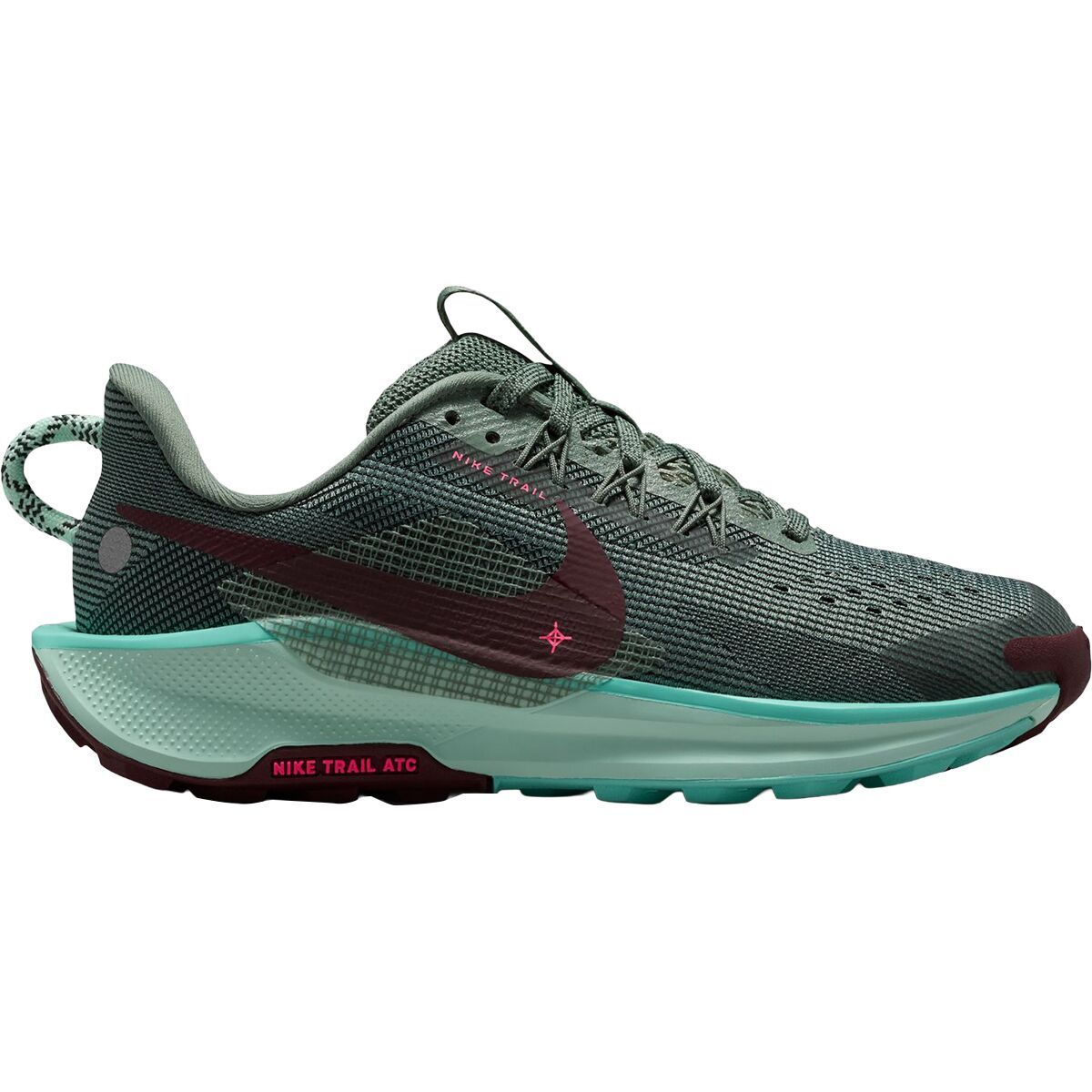
Nike Pegasus Trail 5
Good nutrition + good shoes = longer training sessions. Our pick for mixed-surface running.