Table of Contents
What you eat before training directly impacts how well you perform. Eat too much or the wrong foods, and you'll feel sluggish or sick. Eat too little, and you'll bonk halfway through. Get it right, and you'll have the energy to push hard and get the most from every session.
This guide covers the science of pre-workout nutrition for runners and cyclists—timing, food choices, and strategies for every workout type from easy runs to race day.
The gear these numbers assume
Every pace, zone and power figure on this page assumes something is measuring it. These are the three that cover running, cycling and the threshold work in between.
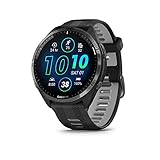 Garmin Forerunner 965
Multisport with the training-load and threshold metrics most of these calculations assume you can actually see day to day.
Check Backcountry → Check price on Amazon → COROS APEX 2 Series GPS Watch
Sapphire titanium and the longest battery in its class, which is the deciding feature once sessions run past a few hours.
Check Backcountry → Check price on Amazon → Favero Assioma Uno Power Meter Pedal
Single-sided pedal power, the cheapest honest way to start training with watts instead of estimating from heart rate.
Check Backcountry → Check price on Amazon →As an Amazon Associate we earn from qualifying purchases, at no extra cost to you. Prices change, so check before buying.
1. Why Pre-Workout Nutrition Matters
Your Body's Fuel Systems
During exercise, your body primarily uses two fuel sources: stored carbohydrates (glycogen) and fat. The harder you work, the more you rely on glycogen. Pre-workout nutrition ensures your glycogen stores are topped up and blood sugar is stable.
Carbohydrates (Glycogen)
- • Primary fuel for moderate-to-hard exercise
- • Stored in muscles (~300-400g) and liver (~100g)
- • Depleted after 60-90 minutes of hard effort
- • Must be replenished through diet
Fat
- • Primary fuel for easy/moderate exercise
- • Nearly unlimited stores (even lean athletes)
- • Can't fuel high-intensity work alone
- • Requires glycogen to burn efficiently
What Happens When You Bonk
"Bonking" or "hitting the wall" occurs when glycogen is depleted. Your body shifts entirely to fat oxidation, which can't support high-intensity work. Symptoms include sudden fatigue, mental fog, irritability, and the inability to maintain pace. Proper pre-workout nutrition helps prevent this.
Benefits of Proper Pre-Workout Nutrition
Better Performance
Higher power output and faster paces
Delayed Fatigue
Longer time to exhaustion
Better Focus
Stable blood sugar = clear thinking
Improved Recovery
Less muscle breakdown during training
2. Timing Your Pre-Workout Meal
The Timing Spectrum
How much you can eat depends on how much time you have to digest. Here's the general framework:
3-4 Hours Before
Full MealA complete meal with carbs, protein, and moderate fat. Time to fully digest.
Example: Oatmeal with banana, toast, eggs, and juice
2-3 Hours Before
Medium MealCarb-focused with some protein. Lower in fat and fiber.
Example: Bagel with peanut butter, banana
1-2 Hours Before
Light SnackSimple carbs, easy to digest. Minimal fat, fiber, protein.
Example: Toast with honey, sports drink, small banana
30-60 Minutes Before
Quick FuelPure fast-acting carbs only. Liquids often tolerated better.
Example: Energy gel, few swigs of sports drink, handful of gummy bears
Individual Variation
These are guidelines, not rules. Some athletes can eat a big meal an hour before running with no issues; others need 4+ hours. GI tolerance is highly individual. Test different approaches in training to find what works for you. Never experiment on race day.
3. What to Eat Before Training
The Ideal Pre-Workout Macros
Carbohydrates
Primary Focus
1-4g per kg body weight depending on timing
Protein
Moderate
15-25g with meals; less closer to workout
Fat
Minimal
Slows digestion; avoid closer to workout
Best Pre-Workout Foods
Recommended
- ✓ Oatmeal: Sustained energy, easy to digest
- ✓ Bananas: Quick carbs, potassium
- ✓ Toast/Bagels: Simple carbs, low fiber
- ✓ Rice: Easy to digest, versatile
- ✓ Energy bars: Convenient, predictable
- ✓ Pasta: Classic carb loading
Avoid
- ✗ High fiber: Beans, bran, raw veggies
- ✗ High fat: Fried foods, creamy sauces
- ✗ Spicy foods: Can cause GI distress
- ✗ Large protein portions: Slow to digest
- ✗ Unfamiliar foods: Test in training first
- ✗ Excess caffeine: Can cause GI issues
Sample Pre-Workout Meals
| Timing | Meal Option 1 | Meal Option 2 |
|---|---|---|
| 3-4 hours | Oatmeal + banana + toast + eggs | Pasta with marinara + bread + fruit |
| 2-3 hours | Bagel + peanut butter + banana | Rice bowl + small portion chicken |
| 1-2 hours | Toast with honey + sports drink | Energy bar + banana |
| 30-60 min | Energy gel + water | Few bites of banana + sports drink |
4. Fueling for Different Workout Types
Match Nutrition to Workout Demands
Not every workout needs the same fueling strategy. A 30-minute easy jog doesn't require the same preparation as a 3-hour long run or an intense interval session.
Easy/Recovery Runs (30-60 min)
Fueling need: Low
Can train fasted or with minimal food. Body has enough stored fuel for easy efforts.
Recommendation:
If eating, light snack 30-60 min before is fine. Water is often enough.
Tempo/Threshold Workouts
Fueling need: Moderate
Higher intensity burns more glycogen. Need carbs available.
Recommendation:
Light meal 2-3 hours before or snack 1-2 hours before.
Interval/Speed Sessions
Fueling need: Moderate-High
Very high intensity work demands glycogen. But GI tolerance matters—can't run hard on a full stomach.
Recommendation:
Meal 3+ hours before or very light snack 1-2 hours before. Stomach must be settled.
Long Runs/Rides (90+ min)
Fueling need: High
Will deplete glycogen. Need to start with full stores and fuel during.
Recommendation:
Full meal 3-4 hours before. Top up with snack 1 hour before. Plan to fuel during (30-60g carbs/hour).
5. Early Morning Workout Nutrition
The Morning Dilemma
Many athletes train early morning before work. The challenge: liver glycogen is depleted overnight, but there's no time for a full meal. Here's how to handle it:
Option 1: Fasted Training
Train without eating. Works for:
- • Easy runs under 60-75 minutes
- • Low-intensity cycling under 90 minutes
- • Athletes who feel nauseous eating early
Benefit: May improve fat oxidation over time
Drawback: Can't sustain high intensity
Option 2: Quick Fuel
Small, fast-digesting carbs. Works for:
- • Any workout over 60 minutes
- • Hard/quality workouts
- • Athletes who feel weak training fasted
Options: Banana, toast with honey, energy gel, sports drink, a few dates
Timing: Even 15-30 minutes before helps
The Night-Before Strategy
For important morning workouts, fuel the night before. A carb-rich dinner (pasta, rice, potatoes) tops up muscle glycogen, which isn't affected much by overnight fasting. Pair with adequate hydration. This reduces how much you need to eat in the morning.
Quick Morning Fueling Ideas
Banana
~25g carbs, potassium, easy to eat
Toast + Honey
~30g carbs, simple and quick
Energy Gel
~25g carbs, no digestion needed
Sports Drink
~30g carbs + hydration
Dates (3-4)
~30g carbs, natural sugars
Honey Packet
~20g carbs, instant fuel
6. Carb Loading for Races
What Is Carb Loading?
Carb loading is a strategy to maximize muscle glycogen stores before an endurance event. Done correctly, it can increase glycogen by 20-40% and improve performance in events lasting 90+ minutes.
Who Benefits From Carb Loading
- • Marathon and ultra runners
- • Cyclists racing 3+ hours
- • Triathletes (Olympic distance and longer)
- • Any endurance event 90+ minutes
For shorter events, normal eating with a good pre-race meal is sufficient.
Modern Carb Loading Protocol
| Timing | Carb Intake | Notes |
|---|---|---|
| 3 days before | 4-5g per lb body weight | Begin increasing carbs; reduce training |
| 2 days before | 4-5g per lb body weight | Maintain high carbs; very light training |
| Day before | 4-5g per lb body weight | Rest day; familiar, low-fiber carbs |
| Race morning | 1-2g per lb, 3-4 hrs before | Top off glycogen; familiar foods only |
Carb Loading Math
Example for 150 lb runner:
150 lbs × 4.5g = 675g carbs per day
That's roughly 2,700 calories from carbs alone
This is a lot of food. The key is to shift macros toward carbs while keeping total calories reasonable (slightly higher than normal, not a free-for-all). Replace fat and some protein with carbs.
Good Carb Loading Foods
- • White rice, pasta, bread
- • Potatoes (without heavy toppings)
- • Pancakes, waffles
- • Bananas, applesauce
- • Low-fiber cereals
- • Sports drinks, juice
- • Pretzels, crackers
- • Energy bars
Common Carb Loading Mistakes
- • Too much fiber: Causes GI issues on race day. Choose white/refined over whole grain during carb loading.
- • Overeating fat: "Carb loading" pasta in cream sauce defeats the purpose. Keep fat low.
- • New foods: Stick to familiar foods. Not the time to experiment.
- • Too many calories: You'll feel heavy and sluggish. Replace, don't add.
- • Starting too late: One big dinner won't fill glycogen stores. Need 2-3 days.
7. Caffeine as a Performance Enhancer
The Science of Caffeine
Caffeine is one of the most researched and proven legal performance enhancers. It works by blocking adenosine receptors (reducing perceived fatigue), increasing adrenaline, and potentially improving fat oxidation.
Typical performance improvement
Optimal dose
Before exercise for peak effect
Caffeine Dosing Guide
| Body Weight | Low Dose (3mg/kg) | High Dose (6mg/kg) |
|---|---|---|
| 130 lbs (59 kg) | 175 mg | 350 mg |
| 150 lbs (68 kg) | 200 mg | 400 mg |
| 170 lbs (77 kg) | 230 mg | 460 mg |
| 190 lbs (86 kg) | 260 mg | 520 mg |
Reference: 1 cup coffee ≈ 80-100mg; espresso shot ≈ 65mg; caffeine pill = 100 or 200mg typically
Caffeine Strategies
Coffee vs. Pills vs. Gels
- • Coffee: Familiar, enjoyable, variable caffeine content
- • Pills: Precise dosing, portable, no GI issues
- • Caffeinated gels: Combines fuel + caffeine, use later in race
Tolerance Considerations
- • Regular users may need higher doses
- • Some reduce caffeine before big races to increase sensitivity
- • Non-users should start with low doses
Caffeine Cautions
- • GI effects: Caffeine can stimulate bowels and cause urgency. Test in training.
- • Anxiety/jitters: High doses can cause anxiety in sensitive individuals.
- • Sleep: Half-life is 5-6 hours. Afternoon races may affect sleep.
- • Heart conditions: Consult a doctor if you have cardiac issues.
8. Frequently Asked Questions
How long before a workout should I eat?
For a full meal, eat 3-4 hours before exercise. A smaller snack (200-300 calories) works well 1-2 hours before. If you only have 30-60 minutes, stick to easily digestible carbs like a banana or energy gel. For early morning workouts, even a small snack 15-30 minutes before can help, or you can train fasted for easy efforts.
Should I eat before morning runs?
It depends on the workout. For easy runs under an hour, fasted training is fine and may improve fat metabolism. For hard workouts, long runs, or races, eating something—even small—improves performance. Try a banana, toast with honey, or a few swigs of sports drink. Experiment to find what your stomach tolerates.
What should I avoid eating before a workout?
Avoid high-fiber foods (beans, raw vegetables, bran), high-fat foods (fried foods, creamy sauces), spicy foods, and unfamiliar foods before important workouts. These slow digestion and can cause GI distress. Also avoid excessive protein, which is harder to digest and provides minimal exercise fuel. Stick to familiar, easily digestible carbs.
Do I need to carb load before a marathon?
Carb loading (increasing carb intake while tapering) can boost glycogen stores by 20-40% and improve marathon performance by 2-3%. Start 2-3 days before the race, aiming for 4-5g carbs per pound of body weight daily. Focus on familiar, low-fiber carbs. This isn't "eating everything in sight"—just shift your macros toward more carbs while maintaining normal calories.
Is coffee a good pre-workout?
Caffeine is one of the most proven performance enhancers. 3-6mg per kg of body weight (roughly 200-400mg for most adults) taken 30-60 minutes before exercise can improve endurance performance by 2-4%. Coffee works fine, though caffeine pills offer more precise dosing. If you're caffeine-sensitive, start with smaller amounts. Always test in training, never on race day.
Related Articles
Related Calculators
Use our free calculators to optimize your nutrition and training: