Race day can be stressful enough without wondering if you forgot your timing chip or nutrition. Whether you're running your first 5K or lining up for an Ironman, having a comprehensive checklist eliminates last-minute panic and lets you focus entirely on performance.
This guide provides everything you need: week-by-week preparation timelines, complete gear lists for running and cycling events, race morning routines, and strategies to avoid the common mistakes that derail even experienced athletes. Print these checklists, customize them for your needs, and arrive at every race with confidence.
The Golden Rule
Nothing new on race day. Every piece of gear, every food item, every aspect of your routine should be tested and proven in training. Race day is about executing a plan, not experimenting.
Week Before: Setting Up for Success
The week before your race is when preparation truly begins. Most physical adaptations are complete - now it's about logistics, rest, and mental preparation.
7 Days Before
- Review race logistics: start time, location, parking, packet pickup
- Map your route to the venue and identify backup options
- Check weather forecasts and plan gear accordingly
- Confirm all race-day gear is in working condition
- Begin carb-loading if doing a marathon or Ironman
- Reduce training intensity (taper)
3-4 Days Before
- Pick up race packet if available (avoid race morning lines)
- Lay out all gear and do a complete inventory check
- Charge all electronics: GPS watch, bike computer, headphones
- Write your race-day nutrition and pacing plan
- Prioritize sleep - the night TWO before matters most
- Prepare drop bags if the race offers them
2 Days Before
- Complete final shakeout run or spin (easy, 20-30 min max)
- Get 8+ hours of sleep (this night matters most)
- Eat normal carb-rich meals - don't overeat
- Limit alcohol completely
- Verify transportation to race (parking, Uber, spectator drop-off)
Night Before: Final Preparation
The night before your race should be calm and organized. Complete all preparation so race morning requires minimal thinking.
Night Before Checklist
- Pin race bib to your shirt/jersey
- Attach timing chip to shoes (if applicable)
- Set out ALL race gear in one visible location
- Pack your race bag (use checklist below)
- Set multiple alarms with plenty of buffer time
- Prepare breakfast items for morning
- Charge phone, GPS watch, bike computer to 100%
- Eat dinner by 6-7 PM (carb-focused, familiar foods)
- Hydrate well but taper fluids after 8 PM
- Visualize your race: start, middle, finish
- Aim for bed by 9-10 PM
Don't Worry About Pre-Race Sleep
Many athletes sleep poorly the night before a race due to nerves. This is normal and won't significantly impact performance. Your body has already banked the rest it needs. Stay calm, stay in bed even if you can't sleep, and trust your training.
Complete Running Race Checklist
Essential Gear
- Race bib (pinned to shirt)
- Timing chip
- Running shoes (broken in)
- Running socks
- Shorts or running tights
- Shirt/singlet
- Sports bra (if applicable)
- GPS watch (charged)
- Body Glide/anti-chafe
Weather-Dependent
- Hat or visor (sun/rain)
- Sunglasses
- Arm warmers/sleeves
- Light gloves
- Throwaway jacket (for start line)
- Rain jacket (if severe weather)
- Sunscreen
Nutrition
- Pre-race breakfast items
- Energy gels/chews (if needed)
- Water bottle (for pre-race)
- Sports drink (for pre-race)
- Post-race recovery snack
- Coffee/caffeine (if part of routine)
Post-Race & Comfort
- Dry change of clothes
- Flip flops or sandals
- Warm jacket/sweatshirt
- Phone (for photos/tracking)
- ID and cash/card
- Car keys
- Foam roller (optional)
Marathon/Ultra Additions
- Extra gels (6-10 for marathon)
- Salt tabs/electrolytes
- Race belt or vest
- Special needs bag items
- Pace band or wristband
- Nipple guards/tape
Complete Cycling Race Checklist
Essential Gear
- Bike (clean, tuned, inspected)
- Helmet (mandatory, inspected)
- Cycling shoes
- Cycling kit (jersey + bibs)
- Gloves
- Sunglasses
- Bike computer (charged)
- Heart rate monitor
- Race number + pins
Bike Essentials
- Spare tubes (2)
- CO2 cartridges + inflator
- Mini pump (backup)
- Tire levers
- Multi-tool
- Saddle bag or jersey storage
- Water bottles (2)
- Chain lube (for pre-race)
Nutrition
- Energy gels (3-4 per hour)
- Energy bars
- Electrolyte mix
- Caffeine gels (if used)
- Pre-race breakfast
- Post-race recovery food
Weather Gear
- Arm warmers
- Leg warmers
- Vest
- Rain jacket
- Shoe covers
- Sunscreen
- Chamois cream
Pre-Race Bike Check
- Tire pressure correct
- Brakes working properly
- Shifting smooth
- Chain clean and lubed
- Quick releases tight
- Bolts torqued (stem, bars, saddle)
- Wheels true and seated
- Cleats secure
Race Morning Timeline
A structured race morning routine reduces stress and ensures you're physically and mentally ready at the start line. Customize these times based on your race start.
3-4 Hours Before Start
Wake up. This gives time for digestion and morning bathroom visits.
2.5-3 Hours Before
Eat pre-race breakfast. Choose familiar, easily digestible carbs: oatmeal, toast, banana, bagel with peanut butter.
2 Hours Before
Final gear check. Get dressed. Apply sunscreen, Body Glide, chamois cream. Start sipping water/electrolytes.
90 Minutes Before
Depart for venue. Build in extra time for traffic, parking, unexpected issues.
60-75 Minutes Before
Arrive at venue. Use restrooms (expect lines). Do final bike check if cycling.
30-45 Minutes Before
Begin warm-up. Easy jogging, dynamic stretches, a few strides or sprints to activate muscles.
15-20 Minutes Before
Final bathroom visit. Take caffeine gel if using. Drop off gear bag.
10 Minutes Before
Move to starting corral. Find your pace group. Stay calm, visualize success.
Race Day Nutrition Timeline
| Timing | What to Consume | Amount |
|---|---|---|
| Night Before | Carb-rich dinner (pasta, rice, bread) | Normal portion, don't overeat |
| 3 Hours Before | Breakfast: toast, oatmeal, banana | 300-500 calories |
| 2 Hours Before | Water, light electrolytes | 16-20 oz |
| 15-30 Min Before | Caffeine gel (optional) | 100mg caffeine |
| During (60+ min events) | Gels, sports drink, water | 30-60g carbs/hour |
| Post-Race (within 30 min) | Protein + carbs | 20g protein, 40-60g carbs |
Hydration Note
Stop drinking large volumes 30-60 minutes before race start. This prevents needing bathroom stops early in the race. Sip small amounts only until the gun goes off.
Common Race Day Mistakes (And How to Avoid Them)
1. Starting Too Fast
The Problem: Adrenaline and crowds lead to running 30-60 seconds per mile faster than goal pace in mile 1.
The Fix: Actively hold back. Check your watch at every quarter mile. Let the crowds pass. Your second half should feel stronger than your first.
2. Trying Something New
The Problem: New shoes, untested nutrition, unfamiliar pre-race breakfast leading to blisters, GI issues, or energy crashes.
The Fix: Every single element of race day should be tested in training. If you haven't used it at least 3 times in training, don't use it in the race.
3. Poor Pacing Strategy
The Problem: No plan for hills, wind, or different course sections leads to blown energy reserves.
The Fix: Study the course. Know where the hills are. Plan to run by effort, not pace, on challenging sections. Have a clear strategy written down.
4. Inadequate Fueling
The Problem: For events over 60-90 minutes, skipping or delaying nutrition leads to bonking.
The Fix: Start fueling early (around 30-45 minutes in) and stay consistent. Set watch reminders. Carry your own gels rather than relying on aid stations.
The gear these numbers assume
Every pace, zone and power figure on this page assumes something is measuring it. These are the three that cover running, cycling and the threshold work in between.
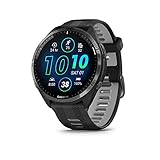 Garmin Forerunner 965
Multisport with the training-load and threshold metrics most of these calculations assume you can actually see day to day.
Check Backcountry → Check price on Amazon → COROS APEX 2 Series GPS Watch
Sapphire titanium and the longest battery in its class, which is the deciding feature once sessions run past a few hours.
Check Backcountry → Check price on Amazon → Favero Assioma Uno Power Meter Pedal
Single-sided pedal power, the cheapest honest way to start training with watts instead of estimating from heart rate.
Check Backcountry → Check price on Amazon →As an Amazon Associate we earn from qualifying purchases, at no extra cost to you. Prices change, so check before buying.
5. Arriving Late
The Problem: Rushing to the start line stressed, no time for bathroom, no warm-up, anxiety through the roof.
The Fix: Always plan to arrive 90+ minutes early. Account for traffic, parking, and unexpected delays. Being early is never a mistake.
6. Overloading on Carbs
The Problem: Eating huge pasta dinners or excessive race morning food leads to GI distress and sluggishness.
The Fix: Increase carbs slightly, but don't gorge. Your body can only store so much glycogen. Eat normal portions of carb-rich foods.
Post-Race Recovery Checklist
Immediately After Finishing
- Keep moving - walk for 10-15 minutes
- Collect finisher medal and post-race bag
- Begin rehydrating with water and electrolytes
- Eat recovery food within 30-60 minutes
- Put on dry, warm clothes
- Light stretching (if it feels good)
- Take finish line photos
- Thank your support crew
Days Following the Race
- Active recovery: walking, easy spinning, swimming
- Continue hydrating and eating nutritious foods
- Get extra sleep
- Foam rolling and light stretching
- Review race data and analyze performance
- Write down lessons learned while fresh
- Celebrate your achievement!
Frequently Asked Questions
How early should I arrive on race day?
Plan to arrive at least 90 minutes before race start for smaller races, and 2-3 hours early for major events like marathons. This gives you time to park, pick up your bib (if not collected the day before), use restrooms, warm up properly, and get to the starting corral without stress.
What should I eat the morning of a race?
Eat your pre-race meal 2-4 hours before the start. Choose easily digestible carbohydrates you've practiced in training: oatmeal, toast with peanut butter, bananas, or bagels work well. Avoid high fiber, high fat, and unfamiliar foods. Stay hydrated but stop drinking large amounts 30-60 minutes before start to allow bathroom visits.
Should I do anything different the night before a race?
Prepare everything the night before: lay out all gear, pin your bib to your shirt, charge your watch, and plan your route to the venue. Eat a carb-rich dinner by 7 PM, limit alcohol, and aim for 8 hours of sleep. The night before the race matters less than two nights before for sleep quality.
What's the biggest mistake people make on race day?
Starting too fast is the most common mistake. Adrenaline and crowds lead athletes to run their first mile 30-60 seconds faster than planned. This leads to premature fatigue and painful late-race slowdowns. Use your watch to hold back in mile one, even if you feel great.
Should I try anything new on race day?
Never. Nothing new on race day is the golden rule. Don't wear new shoes, try new gels, use unfamiliar equipment, or change your pre-race routine. Everything should be tested multiple times in training. Race day is for executing what you've already practiced.
Related Articles
📊 Plan Your Performance
Use our free calculators to optimize your race day: