Running is one of the most effective exercises for weight loss. It burns significant calories, builds lean muscle, boosts metabolism, and can be done anywhere without equipment. This comprehensive guide reveals exactly how to use running to achieve your weight loss goals.
How Running Burns Fat
Understanding the science behind fat burning helps you optimize your running for maximum weight loss. Your body uses different fuel sources depending on exercise intensity and duration.
The Fat-Burning Process
When you run, your body converts stored energy (glycogen and fat) into fuel. The process works like this:
The Science of Fat Oxidation
- Low intensity (60-70% max HR): Body uses ~60% fat, 40% carbs
- Moderate intensity (70-80% max HR): Uses ~50% fat, 50% carbs
- High intensity (80%+ max HR): Shifts to primarily carbohydrates
- EPOC (afterburn): High-intensity running burns extra calories for hours after
Why Running Excels for Weight Loss
High Calorie Burn
Running burns 80-140 calories per mile, more than most exercises. A 30-minute run can burn 300-500 calories depending on pace and weight.
Builds Lean Muscle
Running develops leg, core, and stabilizer muscles. Muscle tissue burns more calories at rest, boosting your metabolic rate.
EPOC Effect
Intense running creates "afterburn" - elevated calorie burn for 24-48 hours post-workout as your body recovers.
Appetite Regulation
Running can suppress appetite hormones temporarily and improve your body's hunger signals over time.
Calories Burned Running
Calorie burn depends on your weight, pace, and running efficiency. Use this table to estimate your burn:
Calories Burned Per Mile by Body Weight
| Body Weight | Cal/Mile (Easy) | Cal/Mile (Moderate) | Cal/Mile (Hard) |
|---|---|---|---|
| 120 lbs (54 kg) | 72 | 80 | 91 |
| 140 lbs (64 kg) | 84 | 93 | 106 |
| 160 lbs (73 kg) | 96 | 107 | 121 |
| 180 lbs (82 kg) | 108 | 120 | 137 |
| 200 lbs (91 kg) | 120 | 133 | 152 |
| 220 lbs (100 kg) | 132 | 147 | 167 |
30-Minute Run Calorie Burn
| Pace | 150 lb Person | 180 lb Person | 200 lb Person |
|---|---|---|---|
| 12:00/mile (slow jog) | 225 cal | 270 cal | 300 cal |
| 10:00/mile (easy run) | 285 cal | 342 cal | 380 cal |
| 8:00/mile (moderate) | 375 cal | 450 cal | 500 cal |
| 7:00/mile (tempo) | 430 cal | 516 cal | 573 cal |
Important: Don't Trust Fitness Trackers
Most fitness trackers and treadmills overestimate calorie burn by 20-40%. Use these numbers as rough guides and focus on consistency rather than obsessing over exact calories.
Best Running Strategy for Weight Loss
The optimal approach combines different types of running to maximize fat burning while maintaining motivation and preventing injury.
The 80/20 Approach
Research shows the most effective weight loss running follows the 80/20 rule:
Easy Running (Zone 2)
Conversational pace, builds aerobic base, burns fat directly, sustainable long-term
Hard Running (Intervals/Tempo)
Creates EPOC afterburn, builds fitness, prevents plateaus, time-efficient
Weekly Running Structure for Weight Loss
| Day | Workout | Purpose |
|---|---|---|
| Monday | Easy Run 30-40 min | Base building, fat burning |
| Tuesday | Rest or Cross-train | Recovery |
| Wednesday | Interval Training 25-30 min | EPOC, metabolism boost |
| Thursday | Easy Run 30-40 min | Recovery run, fat burning |
| Friday | Rest | Full recovery |
| Saturday | Long Run 45-60+ min | Maximum fat burning |
| Sunday | Rest or Easy Walk | Active recovery |
Zone 2 Running: The Fat-Burning Sweet Spot
Zone 2 running (60-70% max heart rate) is where fat burning is most efficient. At this intensity, your body can easily supply oxygen to muscles and preferentially burns fat for fuel.
Benefits of Zone 2 Running
- Highest percentage of calories from fat: ~60% fat oxidation
- Sustainable for long durations: Run longer, burn more total calories
- Builds mitochondria: More fat-burning machinery in muscles
- Low injury risk: Easy pace protects joints and muscles
- Improves recovery: Less stress means faster adaptation
How to Find Your Zone 2
The Talk Test: You should be able to speak in complete sentences without gasping. If you can only say a few words, slow down. If you can sing, speed up slightly.
Heart Rate Formula: Zone 2 = (220 - age) × 0.60 to 0.70
Example: 35-year-old → (220-35) × 0.60-0.70 = 111-130 bpm
Zone 2 Running Tips
Slow Down More Than You Think
Most runners go too fast. True Zone 2 often feels embarrassingly slow. That's okay - it works.
Use a Heart Rate Monitor
Perceived effort is unreliable. A chest strap or watch helps you stay in zone.
Walk When Needed
On hills or hot days, walk to keep heart rate in Zone 2. Walking still burns fat.
Extend Duration Over Time
Start with 30 minutes, build to 60+ minutes. Longer runs = more total fat burned.
HIIT Running for Maximum Fat Loss
High-Intensity Interval Training (HIIT) complements Zone 2 running by creating powerful metabolic effects that continue burning calories long after your workout.
Why HIIT Works for Weight Loss
- EPOC (Excess Post-Exercise Oxygen Consumption): Burns 15-25% more calories over 24-48 hours
- Time efficient: 20-25 minutes delivers similar calorie burn to 45+ minutes steady
- Preserves muscle: Short bursts protect lean mass during weight loss
- Improves insulin sensitivity: Better nutrient partitioning, less fat storage
HIIT Running Workouts for Weight Loss
Beginner: 30/60 Intervals
5 min warm-up → 8 rounds of (30 sec hard / 60 sec walk) → 5 min cool-down
Total: 22 minutes | Effort: 7-8/10 on hard intervals
Intermediate: 60/60 Intervals
5 min warm-up → 10 rounds of (60 sec hard / 60 sec jog) → 5 min cool-down
Total: 30 minutes | Effort: 8/10 on hard intervals
Advanced: Tabata Sprints
10 min warm-up → 4-8 rounds of (20 sec ALL-OUT / 10 sec rest) → 10 min cool-down
Total: 24-28 minutes | Effort: 10/10 on sprints
HIIT Warning
Limit HIIT to 2 sessions per week maximum. More isn't better - it leads to overtraining, injury, and elevated cortisol which can actually promote fat storage. Quality over quantity.
Beginner 8-Week Running for Weight Loss Plan
This progressive plan builds running fitness while maximizing fat burning. Start from wherever you are - walking is perfectly fine.
| Week | Mon | Wed | Sat | Weekly Total |
|---|---|---|---|---|
| 1 | Walk 20 min | Walk/jog 20 min | Walk 25 min | 65 min |
| 2 | Walk/jog 20 min | Walk/jog 25 min | Walk 30 min | 75 min |
| 3 | Jog 20 min | Walk/jog 25 min | Walk/jog 35 min | 80 min |
| 4 | Jog 25 min | Intervals 20 min | Jog 35 min | 80 min |
| 5 | Jog 30 min | Intervals 22 min | Jog 40 min | 92 min |
| 6 | Jog 30 min | Intervals 25 min | Long run 45 min | 100 min |
| 7 | Run 35 min | Intervals 25 min | Long run 50 min | 110 min |
| 8 | Run 35 min | Intervals 30 min | Long run 55 min | 120 min |
Plan Notes
- Add a 4th day (easy jog/walk) when ready
- Walk whenever you need to - no shame
- Skip a day if injured or exhausted
- Combine with 500-calorie daily deficit for ~1 lb/week loss
Nutrition for Running Weight Loss
Running creates the calorie burn, but nutrition controls the deficit. You can't outrun a bad diet - but smart eating amplifies running's effects.
The Calorie Deficit Equation
Weight Loss Math
1 pound of fat = ~3,500 calories
To lose 1 lb/week: Create 500 calorie daily deficit
- Running 3 miles = ~300 calories burned
- Eat 200 fewer calories = combined 500 deficit
Result: ~1 lb weight loss per week
Nutrition Guidelines for Running Weight Loss
1. Prioritize Protein
Aim for 1.6-2.2g per kg body weight daily. Protein preserves muscle during weight loss, keeps you full, and has the highest thermic effect (burns calories during digestion).
2. Time Carbs Around Runs
Eat most carbohydrates before and after runs when your body uses them for fuel and recovery. Reduce carbs on rest days if calories are limited.
3. Don't Starve Yourself
Extreme deficits backfire - you'll lose muscle, feel terrible, and quit. Aim for 300-500 calorie deficit maximum. Slow and steady wins.
4. Manage "Runger"
Running increases appetite. Combat it with high-volume, low-calorie foods: vegetables, lean proteins, high-fiber carbs. Stay hydrated - thirst mimics hunger.
Sample Daily Eating Plan
| Meal | Run Day (~1,800 cal) | Rest Day (~1,500 cal) |
|---|---|---|
| Breakfast | Oatmeal with protein + banana (400 cal) | Greek yogurt + berries (300 cal) |
| Lunch | Grilled chicken salad + quinoa (500 cal) | Large salad + lean protein (450 cal) |
| Snack | Apple + almond butter (200 cal) | Vegetables + hummus (100 cal) |
| Dinner | Salmon + sweet potato + vegetables (600 cal) | Lean protein + large vegetable serving (550 cal) |
| Post-run | Protein shake (100-150 cal) | N/A |
Common Weight Loss Running Mistakes
Avoid these frequent errors that sabotage running weight loss efforts:
1. Running Too Hard, Too Often
Running all-out every day leads to overtraining, injury, and elevated cortisol (which promotes fat storage). Follow the 80/20 rule - most runs should feel easy.
2. Eating Back All Calories Burned
"I ran 5 miles so I can have pizza" thinking. Running burns 400-500 calories; one meal can be 1,500+. Don't reward runs with food - reward them with results.
3. Only Focusing on Scale Weight
Running builds muscle while burning fat. The scale might not move while your body composition improves dramatically. Track measurements and photos too.
4. Neglecting Strength Training
Running alone can lead to muscle loss during weight loss. Add 2 strength sessions per week to maintain metabolism-boosting lean mass.
5. Expecting Immediate Results
Sustainable weight loss takes time. Expect 0.5-1 kg (1-2 lbs) per week with consistent running and nutrition. Faster loss usually means muscle loss and rebound.
Breaking Weight Loss Plateaus
Weight loss plateaus are normal and expected. Your body adapts to running and reduced calories. Here's how to break through:
Change Your Runs
- Add hill sprints
- Try new routes/terrain
- Increase long run duration
- Add a 4th running day
Adjust Nutrition
- Recalculate calorie needs (you weigh less now)
- Track calories accurately for 1 week
- Increase protein intake
- Try a diet break (eat at maintenance for 1-2 weeks)
Add Other Activities
- Strength training 2x/week
- Swimming or cycling for variety
- Daily walking (10,000 steps)
- Active hobbies
Optimize Recovery
- Sleep 7-9 hours
- Manage stress (cortisol promotes fat storage)
- Take a deload week
- Check hydration
Frequently Asked Questions
How much should I run to lose weight?
For weight loss, aim for 150-300 minutes of moderate running per week (about 3-5 sessions). Beginners should start with 20-30 minutes 3 times per week, adding 10% weekly. Combined with a modest calorie deficit, this can produce 1-2 pounds of weight loss per week.
Is running or walking better for weight loss?
Running burns more calories per minute than walking (roughly 2-3x more), making it more time-efficient for weight loss. However, walking is more sustainable for beginners and causes less injury risk. The best exercise is one you'll do consistently - many people find success alternating between running and walking.
Why am I not losing weight even though I run every day?
Common reasons include: eating more calories to compensate for running ('runger'), overestimating calories burned, not creating enough calorie deficit, building muscle while losing fat (scale stays same but body composition improves), or workout intensity being too low. Track calories accurately and ensure you're in a genuine deficit.
Should I run on an empty stomach to burn more fat?
Fasted running may slightly increase fat oxidation during the run, but total daily calorie balance matters more for weight loss. If fasted running reduces your workout quality or leaves you ravenous afterward, it may backfire. Do what allows you to run consistently and control overall calorie intake.
The gear these numbers assume
Every pace, zone and power figure on this page assumes something is measuring it. These are the three that cover running, cycling and the threshold work in between.
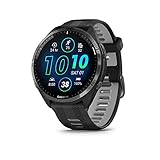 Garmin Forerunner 965
Multisport with the training-load and threshold metrics most of these calculations assume you can actually see day to day.
Check Backcountry → Check price on Amazon → COROS APEX 2 Series GPS Watch
Sapphire titanium and the longest battery in its class, which is the deciding feature once sessions run past a few hours.
Check Backcountry → Check price on Amazon → Favero Assioma Uno Power Meter Pedal
Single-sided pedal power, the cheapest honest way to start training with watts instead of estimating from heart rate.
Check Backcountry → Check price on Amazon →As an Amazon Associate we earn from qualifying purchases, at no extra cost to you. Prices change, so check before buying.
How long does it take to see weight loss results from running?
With consistent running and moderate calorie deficit, expect to see scale changes within 2-4 weeks. Visual changes typically appear around 4-8 weeks. Sustainable weight loss averages 0.5-1 kg (1-2 lbs) per week. Patience is crucial - rapid weight loss often leads to rebound weight gain.
Related Articles
📊 Calculate Your Weight Loss
Use our free calculators to track calories burned and plan your training: