The days of owning a single pair of running shoes are over. Modern runners understand that different shoes serve different purposes, and rotating between multiple pairs isn't just a luxury - it's a science-backed strategy for staying healthy and running faster.
Research shows that runners who rotate between at least two different shoe models have significantly lower injury rates than those who use just one pair. Beyond injury prevention, a thoughtful shoe rotation optimizes each workout: cushy shoes for recovery, responsive shoes for speed work, and specialized shoes for racing.
The Research Says
A landmark 2015 study found that runners using multiple shoe models had a 39% lower risk of running-related injuries compared to single-shoe runners. The theory: different shoes stress different tissues, preventing repetitive overload.
Why Rotate Running Shoes?
Injury Prevention
- • Different heel-toe drops stress tissues differently
- • Varied cushioning prevents repetitive strain
- • Changes muscle recruitment patterns
- • Reduces cumulative stress on specific structures
Performance Optimization
- • Right shoe for right workout
- • Speed shoes for speed work
- • Cushioned shoes for recovery
- • Racing shoes for race day PRs
Shoe Longevity
- • Midsole foam needs 24-48 hours to decompress
- • Rotating extends each shoe's lifespan
- • Better value per mile over time
- • Shoes maintain performance longer
Strength Development
- • Lower drop shoes strengthen feet/calves
- • Minimal shoes build proprioception
- • Varied geometry challenges stabilizers
- • Develops more complete runner
Running Shoe Categories Explained
Daily Trainers
The workhorse of any rotation. Versatile shoes that handle most of your mileage - easy runs, moderate efforts, and general training. Durable, well-cushioned, and comfortable for various paces.
Examples: Nike Pegasus, Brooks Ghost, ASICS Nimbus, New Balance 1080, Saucony Ride
Use for: 50-70% of your runs
Speed/Tempo Trainers
Lighter and more responsive than daily trainers. Designed for faster workouts: tempo runs, cruise intervals, fartlek, and race-pace training. Often feature bouncy foams and moderate cushioning.
Examples: Nike Vomero, Saucony Kinvara, Brooks Hyperion, ASICS NovaBlast, New Balance FuelCell Rebel
Use for: Tempo runs, faster workouts, tune-up races
Carbon Racing Shoes
Maximum performance shoes with carbon fiber plates for propulsion. Highly responsive, lightweight, but less durable. Reserved for races and key workouts where seconds matter.
Examples: Nike Vaporfly/Alphafly, Saucony Endorphin Pro, ASICS Metaspeed, Adidas Adios Pro, New Balance SC Elite
Use for: Races, race-pace intervals, goal-pace long runs
Recovery/Max Cushion Shoes
Maximum cushioning for easy days and recovery runs. Prioritize comfort over speed. Great for the day after hard workouts or long runs when your legs need protection.
Examples: HOKA Bondi, Brooks Glycerin, ASICS Gel-Nimbus, New Balance Fresh Foam More, Saucony Triumph
Use for: Recovery runs, easy days, high mileage weeks
Trail Shoes
Aggressive outsoles for traction on dirt, rocks, and technical terrain. Often feature rock plates for protection and reinforced uppers. Essential if you run trails regularly.
Examples: Salomon Speedcross, HOKA Speedgoat, Brooks Cascadia, Nike Pegasus Trail, Altra Lone Peak
Use for: All trail running, muddy/technical conditions
Minimal/Low Drop Shoes
Lower heel-to-toe drop (0-6mm) that encourages midfoot striking and strengthens feet. Use sparingly to build foot strength without overloading unprepared tissues.
Examples: Altra Escalante, Merrell Vapor Glove, Nike Free, Saucony Kinvara, New Balance Minimus
Use for: Short easy runs, drills, foot strengthening (10-20% of mileage max)
Building Your Shoe Rotation
Starter Rotation (2 Shoes)
Perfect for newer runners or those on a budget:
- 1. Daily Trainer A - Your primary shoe for most runs
- 2. Daily Trainer B (different model) - Alternate days with Trainer A
Choose two different models to vary the stress on your body. Even two different versions of the same shoe line works.
Standard Rotation (3-4 Shoes)
Ideal for regular runners doing structured training:
- 1. Daily Trainer - Easy runs, general training (50-60%)
- 2. Speed Trainer - Tempo runs, intervals, faster workouts (20-30%)
- 3. Recovery Shoe - Easy recovery days, post-long run (10-20%)
- 4. Racing Shoe (optional) - Races and key workouts (5-10%)
Complete Rotation (5-6 Shoes)
For serious runners with varied training:
- 1. Daily Trainer - Bread and butter runs
- 2. Speed Trainer - Tempo and threshold work
- 3. Carbon Racer - Races and race-specific workouts
- 4. Max Cushion - Recovery and high mileage protection
- 5. Trail Shoe - Off-road adventures
- 6. Minimal Shoe - Foot strengthening, strides, drills
Matching Shoes to Workouts
| Workout Type | Best Shoe Category | Why |
|---|---|---|
| Easy Runs | Daily Trainer | Comfort and durability for moderate pace |
| Recovery Runs | Max Cushion | Extra protection for tired legs |
| Long Runs | Daily Trainer or Max Cushion | Cushioning for extended time on feet |
| Tempo Runs | Speed Trainer | Responsive for sustained faster effort |
| Track Intervals | Speed Trainer or Racing Flat | Light and fast for short reps |
| Race-Pace Long Run | Carbon Racer | Practice in race shoes |
| Race Day | Carbon Racer | Maximum performance when it counts |
| Trail Runs | Trail Shoes | Traction and protection |
| Strides/Drills | Minimal or Speed Trainer | Develop foot strength and turnover |
Shoe Lifespan & When to Replace
| Shoe Type | Typical Lifespan | Signs of Wear |
|---|---|---|
| Daily Trainer | 400-500 miles | Midsole compression, worn outsole |
| Max Cushion | 350-450 miles | Foam feels flat, visible creasing |
| Speed Trainer | 300-400 miles | Less bounce, upper breakdown |
| Carbon Racer | 150-250 miles | Foam degradation, less pop |
| Trail Shoes | 300-500 miles | Worn lugs, reduced traction |
| Minimal Shoes | 300-400 miles | Outsole wear, upper holes |
Track Your Mileage
Log shoe mileage in Strava, Garmin Connect, or a spreadsheet. Most running apps let you assign shoes to activities and will notify you when shoes approach retirement. Don't rely on the calendar - miles matter more than months.
Budget-Friendly Rotation Tips
Buy Last Year's Model
When a new version releases, the previous model often drops 30-50% in price. Performance differences between versions are usually minimal. The Nike Pegasus 40 runs just as well as the Pegasus 41.
Stock Up During Sales
Black Friday, end-of-season sales, and running store clearances offer deep discounts. If you find your shoe at a good price, buy two pairs to have a backup ready.
Use Carbon Shoes Sparingly
At $200-275, carbon racers are expensive with short lifespans. Reserve them for races and 2-3 key workouts. The performance benefit on easy runs doesn't justify the cost.
Consider Non-Carbon Speed Shoes
Shoes like the Saucony Kinvara, Brooks Launch, or Nike Pegasus offer great speed at $100-130 with longer lifespans than carbon plates. Perfect for workouts when you don't need race-day performance.
Start with Two Shoes
Don't build a 6-shoe rotation overnight. Start with two daily trainers in different models. Add specialty shoes as your training demands and budget allow.
Sample Shoe Rotations by Runner Type
Beginner (20-30 miles/week)
- Shoe 1: Brooks Ghost (daily trainer) - 70% of runs
- Shoe 2: ASICS Nimbus (cushioned trainer) - 30% of runs
Focus on comfort and injury prevention. Add speed shoes when incorporating structured workouts.
Intermediate Marathoner (40-50 miles/week)
- Shoe 1: Nike Pegasus (daily trainer) - Easy runs, 50%
- Shoe 2: New Balance FuelCell Rebel (speed trainer) - Tempo/intervals, 25%
- Shoe 3: HOKA Bondi (max cushion) - Recovery, long runs, 20%
- Shoe 4: Saucony Endorphin Pro (carbon racer) - Races, 5%
Competitive Runner (60+ miles/week)
- Shoe 1: ASICS Novablast (daily trainer) - Easy runs, 40%
- Shoe 2: Brooks Hyperion (speed trainer) - Workouts, 25%
- Shoe 3: Nike Vaporfly (carbon racer) - Races/key sessions, 10%
- Shoe 4: HOKA Clifton (max cushion) - Recovery, 15%
- Shoe 5: Altra Escalante (minimal) - Strides/drills, 10%
Trail/Ultra Runner
- Shoe 1: Brooks Ghost (road daily trainer) - Road easy runs, 30%
- Shoe 2: HOKA Speedgoat (trail) - Technical trails, 35%
- Shoe 3: Salomon Ultra Glide (trail cushion) - Long trail runs, 25%
- Shoe 4: Nike Pegasus Trail (hybrid) - Light trails, 10%
Frequently Asked Questions
How many running shoes should I have in rotation?
Most runners benefit from 2-4 pairs in rotation. A basic rotation includes a daily trainer and a faster shoe for workouts/races. More serious runners add trail shoes, recovery shoes, and dedicated racing flats. Research shows rotating between shoes reduces injury risk by 39%.
Does rotating running shoes really prevent injuries?
Yes. A 2015 study in the Scandinavian Journal of Medicine & Science in Sports found that runners who rotated between multiple shoe models had a 39% lower injury risk. Different shoes stress tissues differently, preventing overuse of the same structures.
When should I use carbon plate racing shoes?
Reserve carbon plate shoes for races and key workouts like tempo runs, race-pace intervals, and tune-up races. Using them for easy runs provides minimal benefit and accelerates wear. Most carbon shoes last 150-250 miles, so save them for when the performance boost matters.
How do I know when to retire a running shoe?
Most shoes last 300-500 miles depending on your weight, running style, and the shoe construction. Signs of wear include visible midsole compression, worn outsole lugs, new aches/pains, and the shoe feeling flat or dead. Track mileage in Strava or your running app.
Should beginners rotate running shoes?
Even beginners benefit from having at least two pairs. Start with two daily trainers in different models. This allows shoes to decompress between runs and exposes your body to slightly different movement patterns. Add specialty shoes as your training evolves.
Related Articles
📊 Optimize Your Training
Use our free calculators to plan your runs:
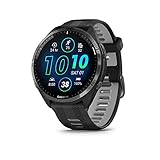 Garmin Forerunner 965
 COROS APEX 2 Series GPS Watch
 Favero Assioma Uno Power Meter Pedal