Your running shoes are the most important piece of equipment you'll buy as a runner. The right shoes can enhance performance, prevent injury, and make every run more enjoyable. The wrong shoes can lead to blisters, pain, and frustration. With hundreds of options on the market—from minimalist racers to maximalist cushioned trainers—choosing wisely requires understanding what actually matters.
Beyond selecting a single shoe, smart runners build a rotation of shoes for different purposes. Research shows that runners who rotate between multiple pairs have 39% fewer injuries than single-shoe runners. This guide covers everything from understanding your foot type to building a complete shoe rotation that keeps you healthy and fast.
Key insight: The best running shoe isn't the most expensive or the most popular—it's the one that fits your foot, matches your gait, and suits your training needs. Personal fit trumps all other considerations.
Understanding Shoe Anatomy
Understanding shoe terminology helps you evaluate options and communicate with running store staff. Here are the key components that determine a shoe's performance characteristics.
Upper
The fabric portion that wraps your foot. Modern uppers use engineered mesh for breathability, support zones for lockdown, and minimal seams to reduce friction.
Midsole
The foam layer providing cushioning and energy return. EVA, TPU, and nitrogen-infused foams (like Nike ZoomX or Adidas Lightstrike) are common materials.
Outsole
The rubber bottom providing traction and durability. Carbon rubber lasts longer; blown rubber is lighter. Trail shoes have aggressive lugs.
Heel Counter
The rigid cup around your heel providing stability and preventing slippage. Should hold heel securely without causing pressure points.
Key Measurements
- Stack Height: Total foam thickness under your foot. Low (<25mm), medium (25-35mm), high (>35mm). Higher = more cushioning but potentially less ground feel.
- Heel-to-Toe Drop: The difference in height between heel and forefoot. Ranges from 0mm (zero drop) to 12mm+. Lower drop encourages midfoot strike but requires adaptation.
- Weight: Lighter shoes (under 8oz/227g) feel faster but may sacrifice cushioning and durability. Daily trainers typically weigh 9-11oz.
- Toe Box Width: Space for toe splay. Some brands (Altra, Topo) offer anatomical wide toe boxes; others run narrow (Nike, Saucony).
Understanding Pronation
Pronation is the natural inward roll of your foot after landing. It's a normal shock-absorption mechanism. However, excessive pronation (overpronation) or insufficient pronation (supination) may warrant specific shoe types.
Neutral
Foot rolls inward 5-15° after landing. Most common pattern (~60% of runners).
Shoe: Neutral cushioned
Overpronation
Foot rolls inward excessively (>15°). Common with flat feet or weak arches.
Shoe: Stability or motion control
Supination
Foot rolls outward or doesn't pronate enough. Less common (~5% of runners).
Shoe: Neutral with extra cushion
How to Determine Your Pronation
- 1. Wear pattern test: Check the soles of old shoes. Overpronators wear the inside edge; supinators wear the outside edge.
- 2. Wet foot test: Wet your foot and step on paper. Flat print suggests low arches/overpronation; curved high-arch print suggests supination.
- 3. Gait analysis: Many running stores offer free video gait analysis to assess your running pattern.
- 4. Physical therapist: For detailed biomechanical assessment, especially if you have injury history.
Modern Perspective on Pronation
Recent research questions whether pronation control shoes actually prevent injury. Many experts now recommend choosing shoes based on comfort rather than prescribed motion control. If you've run injury-free in neutral shoes, there's no reason to switch to stability shoes based on pronation analysis alone.
Running Shoe Categories
Running shoes are designed for specific purposes. Understanding categories helps you match shoes to workouts.
Daily Trainers
Versatile shoes for most of your running. Balanced cushioning, durability, and responsiveness. Should handle easy runs, long runs, and moderate workouts.
Examples: Nike Pegasus, Brooks Ghost, ASICS Gel-Nimbus, New Balance 1080
Lightweight/Uptempo Trainers
Faster shoes for tempo runs, intervals, and race day. Less cushioning but more responsive. Bridge the gap between trainers and racers.
Examples: Saucony Kinvara, Nike Vomero, ASICS Novablast, Brooks Hyperion
Racing Shoes
Maximum performance for races and key workouts. Often include carbon plates, super-responsive foam, and minimal weight. Less durable (150-250 miles).
Examples: Nike Vaporfly, Saucony Endorphin Pro, ASICS Metaspeed, Adidas Adios Pro
Recovery/Easy Day Shoes
Maximum cushioning for recovery runs and easy days. Often maximalist designs with high stack heights. Protect legs when fatigue is high.
Examples: HOKA Bondi, New Balance Fresh Foam More, Brooks Glycerin, Nike Invincible
Trail Shoes
Aggressive outsoles for traction on dirt, rocks, and technical terrain. Often include rock plates, reinforced uppers, and waterproof options.
Examples: Salomon Speedcross, HOKA Speedgoat, Brooks Cascadia, Nike Pegasus Trail
Carbon Plate Shoes
Carbon fiber plates embedded in midsoles have revolutionized distance running since Nike's Vaporfly debuted. They work by stiffening the forefoot and acting as a lever to propel you forward, combined with super-responsive foam.
How Carbon Plates Help
- Energy return: Plate acts as a spring, returning energy on toe-off
- Reduced energy loss: Stiffer forefoot minimizes flex at the metatarsals
- Running economy: Studies show 2-4% improvement in economy at race paces
- Tuned geometry: Rocker profiles encourage efficient forward roll
Should You Get Carbon Plate Shoes?
Yes, If:
- • You race regularly (5K-marathon)
- • You run at sub-8:00/mile paces
- • Budget allows racing-only shoes
- • You want maximum performance
Maybe Not, If:
- • You only run casually
- • Budget is tight
- • You prefer ground feel
- • You need durable daily shoes
Top Carbon Plate Racing Shoes
Nike Vaporfly 4
The original super shoe, now in its third generation. ZoomX foam with carbon plate.
View Product →Saucony Endorphin Pro 4
PWRRUN PB foam with carbon plate. Great alternative to Vaporfly at lower price.
View Product →How to Properly Fit Running Shoes
Proper fit prevents blisters, black toenails, and discomfort. Running shoe fit differs from casual shoe fit—you need more room.
Fitting Checklist
- Thumb's width: Leave a thumb's width (about 1/2") between longest toe and shoe end
- Toe splay: Toes should spread naturally without hitting sides
- Heel lockdown: Heel should feel secure without slipping or rubbing
- Midfoot: Snug but not tight—no pressure points or pinching
- Try late in day: Feet swell throughout the day; afternoon fitting is best
- Run in them: Walk and jog around the store before deciding
Common Fit Problems
| Problem | Cause | Solution |
|---|---|---|
| Black toenails | Toe box too short | Go up 1/2 size |
| Heel blisters | Heel slippage | Try heel lock lacing |
| Top of foot pain | Laced too tight | Loosen midfoot laces |
| Bunion pain | Toe box too narrow | Try wide version or different brand |
Building a Shoe Rotation
Research from Luxembourg found that runners who rotate between multiple pairs have 39% lower injury rates than those using a single pair. Rotation varies stress patterns, allows foam to recover, and matches shoes to workout demands.
Recommended Rotation by Training Level
Beginner (20-30 miles/week): 2 Shoes
- 1. Daily Trainer: Use for 80% of runs (easy runs, long runs)
- 2. Uptempo Shoe: Use for faster workouts and races
Intermediate (30-50 miles/week): 3 Shoes
- 1. Daily Trainer: Easy runs, moderate long runs
- 2. Uptempo/Workout Shoe: Tempo runs, intervals, threshold work
- 3. Race Shoe: Races and key workouts
Advanced (50+ miles/week): 4+ Shoes
- 1. Daily Trainer A: Primary easy/long run shoe
- 2. Daily Trainer B: Alternate trainer for variety
- 3. Uptempo Shoe: Fast workouts, tempo runs
- 4. Race Shoe: Carbon plated for races and tune-up workouts
- 5. Recovery Shoe (optional): Max-cushion for easy recovery days
Sample 3-Shoe Rotation
Nike Pegasus 41
Versatile daily trainer for easy and long runs. Great durability and cushioning.
View Product →Saucony Kinvara 15
Lightweight uptempo trainer for workouts. Low drop, responsive feel.
View Product →ASICS Metaspeed Sky+
Carbon plate racer for PRs. FF Blast Turbo foam with excellent energy return.
View Product →Shoe Lifespan: When to Replace
Running in worn-out shoes increases injury risk. Midsole foam loses cushioning before visible wear shows. Track your mileage and watch for warning signs.
Expected Mileage by Category
| Shoe Type | Expected Lifespan |
|---|---|
| Daily Trainers | 400-500 miles |
| Lightweight Trainers | 300-400 miles |
| Racing Flats (non-carbon) | 200-300 miles |
| Carbon Plate Racers | 150-250 miles |
| Max-Cushion Shoes | 350-450 miles |
| Trail Shoes | 400-600 miles |
Signs It's Time to Replace
- ! New aches or pains after runs (knees, shins, feet)
- ! Visible midsole compression or creasing
- ! Outsole worn through to midsole
- ! Heel counter broken down or unsupportive
- ! Shoe feels "dead" or flat compared to new
Pro Tip: Track Your Mileage
Use Strava, Garmin Connect, or a simple spreadsheet to log miles on each pair. Most apps let you assign shoes to runs and will alert you when approaching replacement threshold.
Top Running Shoe Picks 2026
Best Daily Trainers
Brooks Ghost 16
Smooth DNA LOFT cushioning, versatile for all run types. Great for beginners.
View Product →New Balance Fresh Foam 1080v14
Plush cushioning with stability. Wide toe box fits many foot shapes.
View Product →Best Stability Shoes
Frequently Asked Questions
How many miles do running shoes last?
Most running shoes last 300-500 miles, though this varies by shoe construction, runner weight, running surface, and running form. Lightweight racing shoes may only last 150-250 miles, while durable trainers can exceed 500 miles. Track cushioning degradation, midsole compression, and outsole wear to know when to replace.
Should I rotate running shoes?
Yes, rotating between 2-3 pairs of running shoes reduces injury risk by 39% according to research. Rotation allows foam to fully recover between runs, varies the stress patterns on your body, and lets you match shoes to specific workout types. Most coaches recommend having at least one daily trainer, one uptempo/race shoe, and optionally a recovery shoe.
How do I know my pronation type?
Check your old shoes' wear patterns: wear on the inside edge suggests overpronation, wear on the outside edge suggests supination (underpronation), and even wear suggests neutral pronation. A wet foot test or gait analysis at a running store can also help. Most runners (about 70%) are neutral or mild overpronators and do well in neutral shoes.
Are carbon plate running shoes worth it?
Carbon plate shoes can improve running economy by 2-4% at race paces, translating to significant time savings over marathon distance. However, they're expensive ($200-275), less durable (150-250 miles), and the benefits diminish at slower paces. They're most valuable for racing and fast workouts, less so for easy running.
What stack height is best for running?
Stack height preference varies by runner. Low stack (under 25mm) offers ground feel and proprioception but less cushioning. Medium stack (25-35mm) balances protection and feel for most runners. High stack (35mm+) maximizes cushioning for long distances but may reduce stability. Start with medium stack if unsure.
Finding Your Perfect Fit
The right running shoes can make the difference between enjoying every mile and dreading each step. Take time to understand your feet, try multiple options, and don't be afraid to return shoes that don't work—most running stores offer generous return policies.
Remember that shoe technology is a tool, not a magic solution. The best shoe is one that fits well, feels comfortable, and suits your training needs. Build a smart rotation, track your mileage, and replace shoes before they wear out.
Your feet carry you through every run—treat them well with shoes that support your goals and keep you healthy for years of running to come.
Related Articles
📊 Optimize Your Training
Use our free calculators to plan your runs:
Featured at Backcountry — 15% off first order
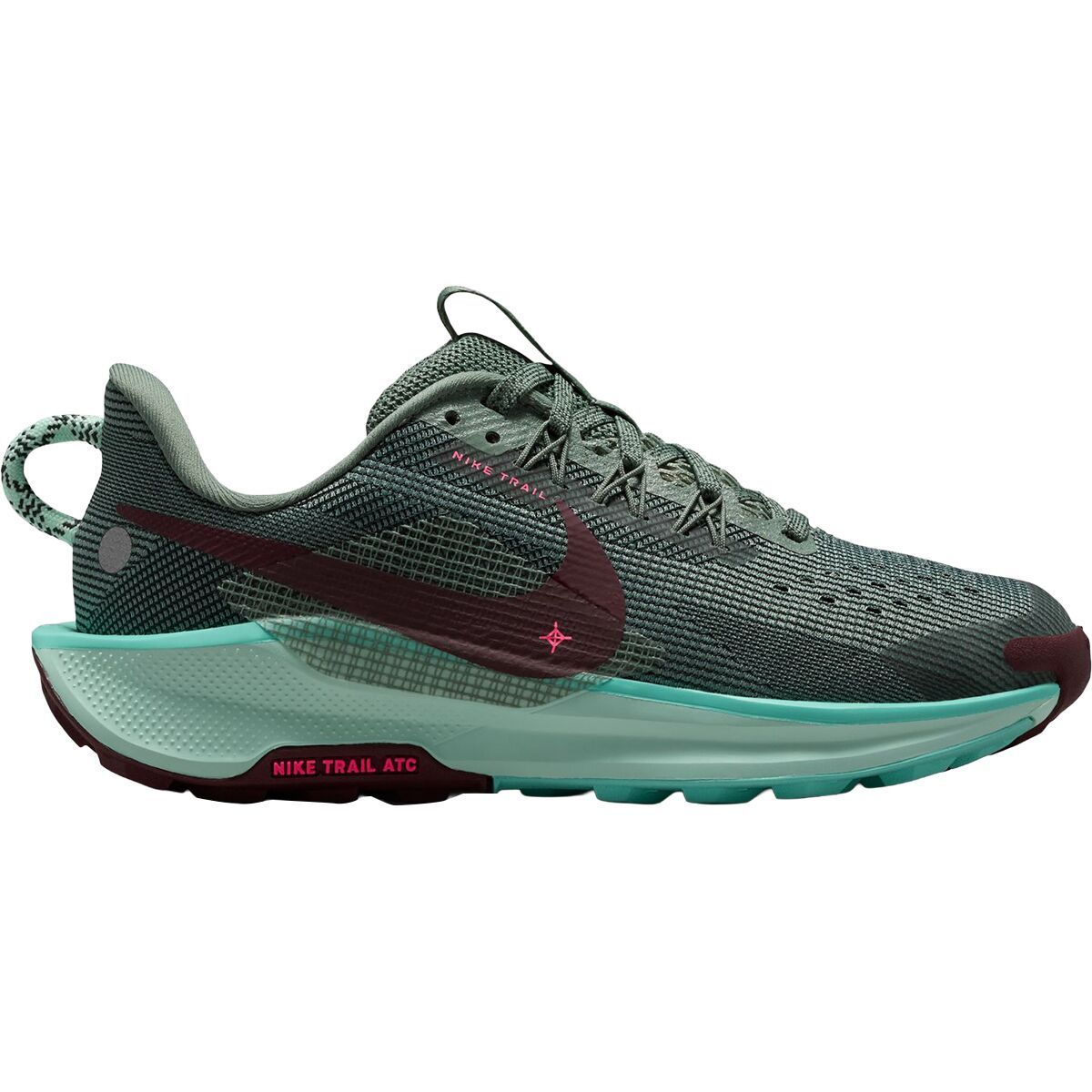
Nike Pegasus Trail 5
Nike's trail-focused Pegasus with React foam and sticky outsole. Perfect for mixed-surface running.