For many triathletes, the swim is the most intimidating discipline. Unlike running and cycling, swimming technique can't be brute-forced with fitness—efficiency matters enormously. The good news? With focused training, any triathlete can become a competent, confident swimmer.
This guide covers everything triathletes need to know about swim training: from fundamental technique to open water skills, from pool workouts to race day execution. Whether you're a beginner looking to survive the swim or an experienced athlete seeking marginal gains, you'll find actionable strategies here.
Key Insight
The swim is the shortest segment of most triathlons (10-15% of total time) but causes the most anxiety. Improved swim technique and open water confidence have an outsized impact on overall race experience and performance.
Triathlon vs Pool Swimming
Triathlon swimming differs fundamentally from pool swimming. Understanding these differences helps you train more effectively.
Pool Swimming
- • Controlled environment
- • Lane lines and walls for guidance
- • Clear water, flat surface
- • Push-off walls every 25-50m
- • Consistent temperature
- • Solo swimming (own lane)
Open Water/Triathlon
- • Unpredictable conditions
- • Must sight to navigate
- • Murky water, waves, chop
- • Continuous swimming, no walls
- • Variable temperature
- • Mass start, contact, drafting
Implications for Training
- Practice sighting: Integrate head-up swimming into pool workouts
- Bilateral breathing: Ability to breathe both sides adapts to waves and positioning
- Higher stroke rate: Open water often requires quicker turnover
- Continuous swimming: Train longer sets without stopping
- Drafting practice: Learn to swim on feet and hips of others
- Wetsuit comfort: Regular wetsuit swims before racing
Freestyle Stroke Technique for Triathlon
Efficient technique is the foundation of fast, sustainable swimming. Focus on these key elements:
Body Position
- Horizontal alignment: Body should be as flat as possible, hips and legs near the surface
- Head position: Neutral spine, looking down and slightly forward, water line at crown of head
- Core engagement: Tight core prevents snaking and maintains streamline
- Body rotation: 45-60 degrees rotation around the long axis, driven by hips
The Catch and Pull
Entry and Extension
Hand enters fingertips first, shoulder-width apart, and extends forward before beginning the catch. Don't rush—maximize distance per stroke.
High Elbow Catch
Fingertips point down while elbow stays high, creating an "anchor" to pull your body past. This is the hardest skill to master but the most impactful.
The Pull
Pull through with forearm and hand as a paddle, pushing water toward your feet. Hand exits past the hip for full stroke length.
Recovery
For triathlon, a slightly straighter arm recovery (versus high elbow pool recovery) helps clear waves and chop. Lead with the elbow, relaxed hand, and re-enter cleanly.
Kick
Triathlon Kick Strategy
Use a two-beat kick (one kick per arm stroke) for most triathlon swimming. This conserves leg energy for the bike and run while maintaining body position. Save a six-beat kick for the final sprint to T1.
Breathing
- Bilateral ability: Practice breathing every 3 strokes to develop both sides
- Race breathing: Breathe every 2 strokes on your preferred side for more oxygen
- Rotation breathing: Turn head with body rotation, don't lift
- Exhale underwater: Continuous exhale through nose/mouth, quick inhale
- Goggle tip: One goggle should stay in the water when breathing
Essential Swim Drills
Drills isolate and reinforce specific technique elements. Include 20-30% drill work in every workout.
Catch-Up Drill
One arm remains extended forward while the other completes a full stroke. Arms "catch up" at the front before alternating. Emphasizes full extension and patience.
Focus: Extension, timing, body rotation
Fingertip Drag
Drag fingertips along the water surface during recovery, keeping elbow high. Encourages relaxed recovery and proper elbow position.
Focus: High elbow recovery, relaxation
Fist Drill
Swim with closed fists, forcing you to feel the water with forearms. When you open hands again, the catch feels much stronger.
Focus: High elbow catch, forearm awareness
Side Kick Drill
Kick on your side, bottom arm extended, top arm at hip. Rotate to breathe and switch sides. Builds rotation and balance.
Focus: Body rotation, balance, core stability
6-3-6 Drill
Six kicks on right side, three strokes, six kicks on left side. Exaggerates rotation and builds awareness of body position.
Focus: Rotation timing, stroke integration
Tarzan Drill (Head-Up Freestyle)
Swim freestyle with head up, eyes forward. Essential for triathlon sighting. Use sparingly—high neck strain.
Focus: Sighting, open water preparation
Swim Training Structure
Effective swim training balances technique work, aerobic development, and race-specific preparation.
Weekly Structure
3 Sessions Per Week (Recommended Minimum)
- Session 1: Technique focus (drills, form work, moderate distance)
- Session 2: Threshold/speed work (intervals, race pace)
- Session 3: Endurance (continuous swimming, open water if possible)
Workout Structure
- Warm-up (10-15%): Easy swimming, gradually increasing intensity
- Drill/Technique (20-30%): Focused drill work or technique-focused swimming
- Main Set (40-50%): Intervals, threshold work, or continuous effort
- Cool-down (10-15%): Easy swimming, stroke count focus
Sample Workouts
Technique Session (2,000m)
- Warm-up: 300m easy swim
- Drill: 4 x 50m (catch-up, fingertip drag, fist, 6-3-6)
- Main: 8 x 100m at moderate effort, focus on stroke count (15s rest)
- Skill: 4 x 50m bilateral breathing (every 3 strokes)
- Cool-down: 200m easy
Threshold Session (2,400m)
- Warm-up: 400m (100 swim, 100 drill, 100 swim, 100 kick)
- Pre-main: 4 x 50m build to fast (10s rest)
- Main: 5 x 200m at threshold pace (20s rest)
- Speed: 6 x 50m fast with 30s rest
- Cool-down: 200m easy
Race Simulation Session (2,500m)
- Warm-up: 300m easy
- Drill: 4 x 50m Tarzan (head-up sighting practice)
- Main: 1,500m continuous at race pace (sight every 8-10 strokes)
- Finish: 4 x 25m sprint (simulate finish to T1)
- Cool-down: 300m easy
Open Water Skills
Open water swimming requires skills beyond pool technique. Practice these regularly before racing.
Sighting
Sighting keeps you on course without wasting energy. Perfect this technique:
- As one hand enters the water, lift eyes just above the surface (crocodile eyes)
- Spot your target (buoy, landmark) in a quick glance
- Immediately turn head to breathe normally on the next stroke
- Sight every 6-10 strokes in calm water, more often in rough conditions
Drafting
Swimming in someone's draft can save 10-25% energy. Two drafting positions:
On the Feet
Swim directly behind, toes near their feet. Best draft but requires attention to avoid contact.
On the Hip
Swim beside them at hip level. Slightly less draft but easier to maintain and sight.
Dealing with Contact
- Expect it: Mass starts mean inevitable contact—stay calm
- Protect yourself: Keep arms slightly wider, hands in fists if needed
- Stay relaxed: Tension wastes energy and increases panic
- Recover quickly: If hit, take 2-3 breaststroke strokes to reset
- Start position: Beginners should start to the side/back to avoid worst contact
Turning Buoys
- • Approach wide, then cut in close to the buoy
- • Use breaststroke or backstroke to navigate tight turns
- • Expect congestion—patience prevents wasted energy
- • Sight the next buoy immediately after turning
Wetsuit Swimming
Wetsuits are legal in most triathlons when water temperature is below 24-25°C and provide significant advantages.
Benefits of Wetsuit Swimming
- Buoyancy: Lifts hips and legs for better body position
- Speed: 5-10% improvement from reduced drag
- Warmth: Maintains body temperature in cold water
- Confidence: Security of additional flotation
Wetsuit Selection
- Fit: Snug but not restrictive—should feel like a second skin
- Triathlon-specific: More flexible shoulders than surf wetsuits
- Thickness: 3-5mm typical, more buoyancy with thicker
- Full vs sleeveless: Full for cold water, sleeveless for flexibility/warm water
Wetsuit Swimming Tips
- Practice in your wetsuit at least 4-6 times before racing
- Adjust stroke—the buoyancy may change your catch timing
- Use lubricant (Body Glide) on neck, wrists, and ankles
- Practice removal before race day (unzip while running, roll down to waist)
- Enter water early to let water flush in and settle
Recommended: Triathlon Wetsuit
A quality triathlon wetsuit with flexible shoulders, 3-5mm neoprene, and quick-release design makes a significant difference in both speed and comfort.
View ProductRace Day Swim Strategy
Proper race execution prevents the swim from compromising your bike and run.
Pre-Race Preparation
- • Warm up: 200-400m easy swim if conditions allow
- • Course check: Know buoy positions and landmarks for sighting
- • Wetsuit: On 15-20 minutes before start, water flushed in
- • Goggles: Anti-fog treated, properly adjusted, spare pair available
- • Mental rehearsal: Visualize a calm, controlled start
Start Strategy
Front/Fast Swimmers
Start at the front to avoid slower swimmers. Sprint the first 200m to establish position and find clean water.
Middle Pack
Start middle-side. Controlled start, then settle into rhythm. Find feet to draft within first 100-200m.
Back/Beginners
Start at the back or side. Wait 5-10 seconds after start. Avoid contact and swim your own race.
Pacing
- First 200-300m: Slightly faster to find position, but controlled
- Middle: Settle into sustainable rhythm, draft when possible
- Final 100-200m: Increase effort, prepare for T1
- Exit: Stand when hands touch bottom, run through shallows
Exiting the Water
- Begin pulling wetsuit zipper cord while still swimming (last 10 strokes)
- Stand when hands touch bottom—don't try to swim too shallow
- Run through shallows, high knees for stability
- Pull wetsuit to waist while running to T1
- Remove goggles and cap, stuff in wetsuit or hold
Common Triathlon Swim Mistakes
Going Out Too Fast
Adrenaline causes many triathletes to start too hard, leading to early fatigue and panic. Practice controlled starts.
Poor Sighting
Swimming 10-20% extra distance from poor navigation is common. Practice sighting in every pool workout.
No Wetsuit Practice
Racing in a wetsuit for the first time causes technique changes and potential panic. Practice 4-6+ times before racing.
Ignoring Technique
Swimming more doesn't help if technique is flawed. Prioritize drill work and consider video analysis or coaching.
Pool-Only Training
Pool fitness doesn't fully transfer to open water. Get at least 4-6 open water sessions before an important race.
Essential Swim Equipment
Training Goggles
Clear or light tint for indoor training. Comfortable seal, anti-fog coating, easy adjustment.
View ProductRace Goggles (Mirrored)
Dark or mirrored for outdoor/race. Low profile, secure fit for open water conditions.
View ProductPull Buoy
Isolates upper body for catch and pull work. Essential training tool for technique development.
View ProductSwim Paddles
Build strength and improve catch. Start small to protect shoulders. Use with pull buoy for best results.
View ProductSwim Snorkel
Removes breathing from technique work, allowing full focus on stroke mechanics and body position.
View ProductFins
Short training fins for kick work and drill reinforcement. Helps maintain speed while focusing on technique.
View ProductFrequently Asked Questions
How many times per week should triathletes swim?
Most triathletes benefit from 2-4 swim sessions per week. Beginners should aim for 3 sessions to build technique and consistency. Experienced swimmers may maintain fitness with 2 quality sessions while focusing on their limiters. Those prioritizing swim improvement should do 4 sessions. Quality matters more than quantity—three focused sessions beat five unfocused ones.
How can I improve my triathlon swim time?
Focus on technique first—proper body position and streamlining matter more than fitness for most triathletes. Work with a coach or use video analysis to identify stroke flaws. Practice bilateral breathing and sighting for open water. Include drill work in every session (25-30% of workout). Once technique is solid, add threshold sets and race-pace intervals. Finally, practice in your wetsuit and do open water swims before race day.
What is the best stroke technique for triathlon swimming?
Triathlon swimming favors a modified freestyle stroke optimized for open water: slightly higher stroke rate than pool swimming (for chop and drafting), head-up sighting integrated every 6-8 strokes, bilateral breathing ability, and a straighter arm recovery that clears waves. Body rotation should be 45-60 degrees, with a high elbow catch and strong core engagement. The goal is efficiency and adaptability rather than pure speed.
How do I prepare for open water swimming in a triathlon?
Practice sighting while swimming—lift eyes just above water to spot buoys every 6-10 strokes. Train in your wetsuit at least 4-6 times before racing. Practice mass starts with training partners to manage contact and anxiety. Swim in open water conditions when possible to adapt to temperature, waves, and lack of lane lines. Develop a pre-race routine for managing nerves, and always do a warm-up swim on race morning if allowed.
Should triathletes use a wetsuit for swimming?
Yes, when legal and conditions permit. Wetsuits provide 5-10% speed improvement through added buoyancy and reduced drag. They're particularly beneficial for less experienced swimmers as they improve body position. Use a triathlon-specific wetsuit (more flexible in shoulders) and practice swimming in it multiple times before racing. Note that wetsuits are typically not allowed when water temperature exceeds 24-25°C (76-78°F) depending on race rules.
Becoming a Confident Triathlon Swimmer
The swim doesn't have to be the source of anxiety in your triathlon journey. With consistent, focused training that emphasizes technique, open water skills, and race-specific preparation, you can transform from surviving the swim to actually enjoying it.
Remember that the swim is just the first chapter of your race—the goal isn't to win here, but to exit the water fresh enough to ride and run your best. Build your confidence through preparation, trust your training, and you'll find the swim becomes just another fun part of the triathlon experience.
Your Next Step
This week, add 15 minutes of drill work to each swim session and practice sighting during your main set. These two habits will pay dividends come race day.
Related Articles
📊 Triathlon Training Tools
Use our free calculators for all three disciplines:
Featured at Backcountry — 15% off first order
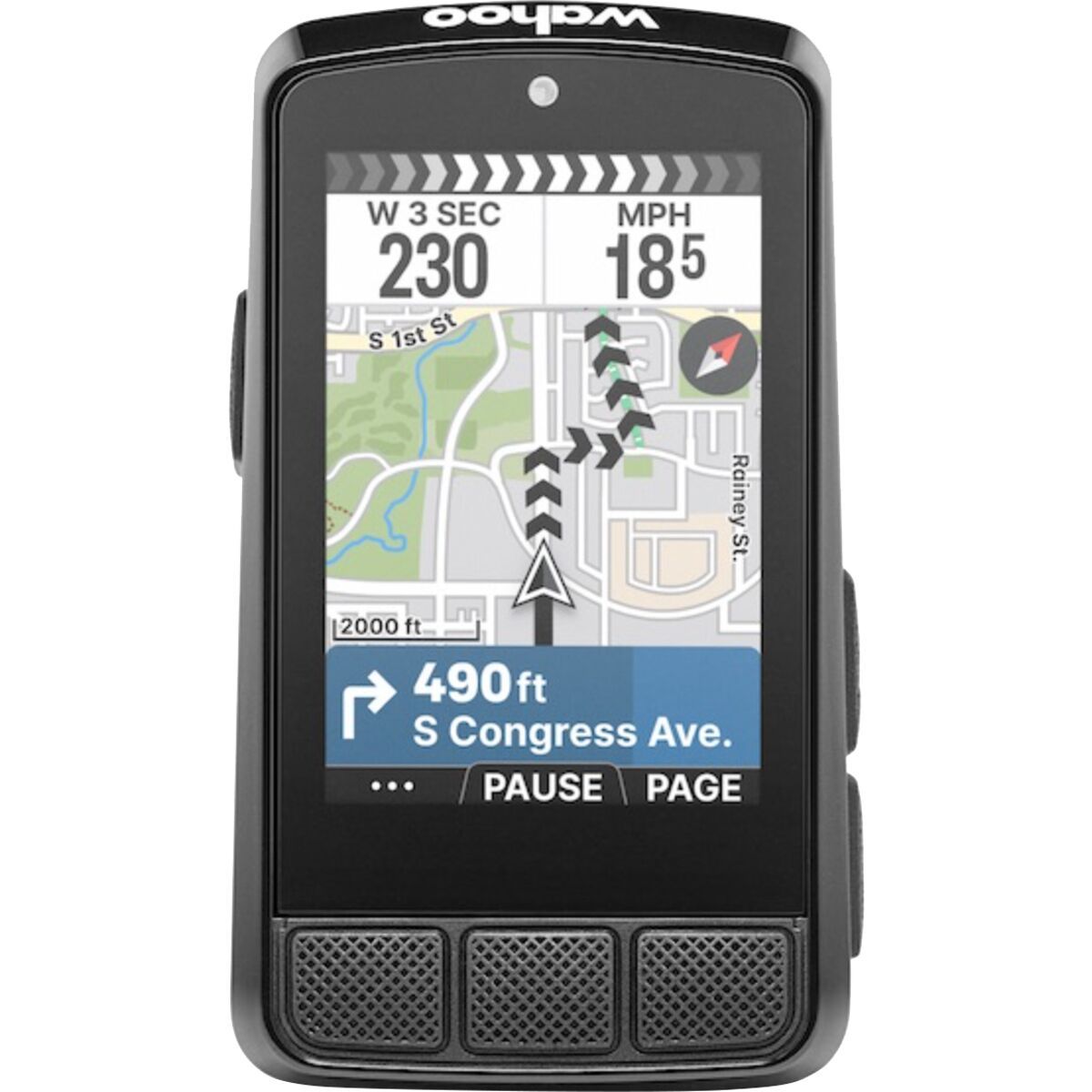
Wahoo ELEMNT BOLT 3
Track your rides with Wahoo's compact GPS — the bike computer we use daily.