VO2 Max Quick Reference
Below Average
High improvement potential
Average to Good
Most recreational athletes
Excellent to Elite
Competitive endurance athletes
Values in ml/kg/min. Actual classifications vary by age and gender - see detailed tables below.
VO2 max - maximum oxygen uptake - is considered the gold standard measure of cardiovascular fitness. Whether you've received a score from a lab test, your fitness watch, or an online calculator, understanding what that number means requires context. A score of 42 might be excellent for one person and below average for another, depending on age, gender, and training background.
Estimate Your VO2 Max
Our VO2 Max Calculator estimates your score using validated methods including the Cooper test, race times, and heart rate data.
What VO2 Max Actually Measures
VO2 max represents the maximum volume of oxygen your body can utilize during intense exercise, measured in milliliters of oxygen per kilogram of body weight per minute (ml/kg/min). It reflects the combined efficiency of:
Heart Output
How much blood your heart pumps per beat and per minute (cardiac output)
Oxygen Delivery
Hemoglobin levels and blood vessel density delivering oxygen to muscles
Muscle Utilization
Mitochondrial density and enzyme activity using oxygen for energy
VO2 Max Classifications by Age - Men
| Age | Poor | Fair | Good | Excellent | Superior |
|---|---|---|---|---|---|
| 20-29 | <38 | 38-42 | 43-48 | 49-54 | >54 |
| 30-39 | <35 | 35-40 | 41-45 | 46-52 | >52 |
| 40-49 | <33 | 33-38 | 39-43 | 44-50 | >50 |
| 50-59 | <30 | 30-35 | 36-40 | 41-47 | >47 |
| 60+ | <26 | 26-31 | 32-36 | 37-43 | >43 |
Values in ml/kg/min. Based on ACSM guidelines and population studies.
VO2 Max Classifications by Age - Women
| Age | Poor | Fair | Good | Excellent | Superior |
|---|---|---|---|---|---|
| 20-29 | <32 | 32-36 | 37-41 | 42-48 | >48 |
| 30-39 | <29 | 29-33 | 34-38 | 39-45 | >45 |
| 40-49 | <27 | 27-31 | 32-36 | 37-43 | >43 |
| 50-59 | <24 | 24-28 | 29-33 | 34-40 | >40 |
| 60+ | <21 | 21-25 | 26-30 | 31-37 | >37 |
Values in ml/kg/min. Women typically have lower VO2 max due to differences in body composition and hemoglobin levels.
Elite Athlete VO2 Max Values
World-Class Endurance Athletes
Men:
- Elite marathon runners: 70-85 ml/kg/min
- Professional cyclists: 75-90 ml/kg/min
- Cross-country skiers: 80-95 ml/kg/min
- Record holder (Bjorn Daehlie): 96 ml/kg/min
Women:
- Elite marathon runners: 60-75 ml/kg/min
- Professional cyclists: 60-72 ml/kg/min
- Cross-country skiers: 65-78 ml/kg/min
- Record holder (Joan Benoit): 78 ml/kg/min
VO2 Max and Health Outcomes
Research consistently shows VO2 max is one of the strongest predictors of all-cause mortality - stronger than smoking, diabetes, or hypertension alone.
Above Average VO2 Max
- 40-50% lower cardiovascular disease risk
- Reduced risk of Type 2 diabetes
- Better cognitive function with aging
- Improved quality of life markers
Below Average VO2 Max
- 2-3x higher all-cause mortality risk
- Increased metabolic syndrome risk
- Higher chronic disease prevalence
- Accelerated functional decline
Key finding: Moving from "poor" to "fair" category produces the largest reduction in mortality risk - you don't need elite fitness for significant health benefits.
Improvement Potential by Starting Point
| Starting Fitness | Typical Improvement | Timeline |
|---|---|---|
| Sedentary | 15-30% | 3-6 months |
| Recreationally Active | 10-20% | 4-8 months |
| Regular Exerciser | 5-15% | 6-12 months |
| Trained Athlete | 3-8% | 12-24 months |
Improvements require consistent aerobic training 3-5 days per week. Genetics determine your ultimate ceiling but rarely limit recreational improvement.
Factors That Influence Your Score
Uncontrollable Factors
- Genetics: Accounts for 40-50% of variation
- Age: Declines ~1% per year after 30
- Sex: Women average 15-25% lower
- Body size: Larger people have higher absolute VO2
Controllable Factors
- Training: Consistent endurance exercise
- Body composition: Lower fat = higher ml/kg
- Altitude: Training at elevation increases capacity
- Recovery: Adequate sleep and nutrition
How Wearables Estimate VO2 Max
Understanding Watch Estimates
Fitness watches estimate VO2 max using algorithms that analyze heart rate response during exercise, particularly the relationship between heart rate and pace/speed.
- Accuracy: Within 3-5 ml/kg/min of lab values for most users
- Best use: Tracking trends over time, not absolute values
- Limitations: Can be fooled by cardiac drift, dehydration, or inefficient running form
- Improvement: More accurate with consistent use and regular outdoor runs
Frequently Asked Questions
Why does my VO2 max fluctuate on my watch?
Watch estimates vary based on recent workout intensity, recovery status, environmental conditions, and algorithm limitations. Day-to-day fluctuations of 1-3 points are normal. Focus on monthly averages rather than individual readings.
Is high VO2 max necessary for recreational athletes?
No. Most recreational goals - finishing a marathon, completing a triathlon, general fitness - don't require elite VO2 max. A "good" score for your age provides sufficient capacity for most endurance activities. Other factors like efficiency and pacing matter more.
Can I train too hard trying to improve VO2 max?
Yes. Ironically, training exclusively at high intensity can limit VO2 max improvements. Research shows 80% of training should be low-intensity aerobic work, with only 20% at threshold or above. Use our Heart Rate Zone Calculator to ensure proper training distribution.
Calculate Your VO2 Max
Estimate your VO2 max using race times, field tests, or heart rate data with our free calculator.
The gear these numbers assume
Every pace, zone and power figure on this page assumes something is measuring it. These are the three that cover running, cycling and the threshold work in between.
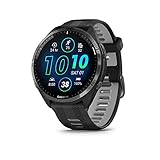 Garmin Forerunner 965
Multisport with the training-load and threshold metrics most of these calculations assume you can actually see day to day.
Check Backcountry → Check price on Amazon → COROS APEX 2 Series GPS Watch
Sapphire titanium and the longest battery in its class, which is the deciding feature once sessions run past a few hours.
Check Backcountry → Check price on Amazon → Favero Assioma Uno Power Meter Pedal
Single-sided pedal power, the cheapest honest way to start training with watts instead of estimating from heart rate.
Check Backcountry → Check price on Amazon →As an Amazon Associate we earn from qualifying purchases, at no extra cost to you. Prices change, so check before buying.