1. The Urban Cycling Mindset
Urban cycling requires a different mental approach than riding on quiet roads or trails. The key is defensive awareness - assuming every driver might not see you while maintaining confidence in your right to the road.
Core Safety Principles
- Be predictable: Ride in straight lines, signal intentions, follow traffic rules
- Be visible: Position where drivers look, use lights, wear visible clothing
- Be assertive: Take space when needed, don't hug the gutter
- Be aware: Constant scanning, anticipate driver behavior
- Be prepared: Always have an escape route in mind
Assume You're Invisible
This paradox is central to urban cycling safety:
Ride as if no driver sees you, while positioning yourself where they can see you. This means:
- Never assume a driver at an intersection will yield
- Make eye contact before proceeding
- Cover your brakes when approaching conflict zones
- Have an escape plan for every situation
- Expect doors to open, cars to turn, pedestrians to step out
Your Rights on the Road
In most jurisdictions, cyclists have the same rights and responsibilities as motorists:
You Have the Right To
- Use the full lane when necessary
- Ride at your own pace
- Be treated as a vehicle
- Safe passing distance (3+ feet)
- Change lanes for turns
You Must
- Obey traffic signals and signs
- Use hand signals
- Have lights after dark
- Yield to pedestrians
- Ride with traffic flow
2. Visibility & Being Seen
Most urban cycling crashes involve drivers who "didn't see" the cyclist. Your first line of defense is making yourself impossible to miss.
Daytime Running Lights
Studies show daytime lights reduce collisions by 19-33%. Use them always:
- Front: Bright white, flashing mode (200+ lumens)
- Rear: Red, flashing or pulse mode (50+ lumens)
- Side visibility: Wheel lights or reflective sidewalls
- Battery: Keep charged, carry backup
Clothing & Gear Visibility
| Visibility Level | Day | Night |
|---|---|---|
| High-Vis Yellow | Excellent | Poor (without lights) |
| Reflective Materials | Moderate | Excellent |
| Moving Reflectors (pedals/shoes) | Moderate | Excellent (movement catches eye) |
| Dark Colors | Poor | Invisible |
Positioning for Visibility
Being visible isn't just about what you wear - it's where you ride:
- Take space: Riding in the center of the lane is more visible than hugging the curb
- Avoid blind spots: Don't ride alongside trucks, buses, or cars at intersections
- Be where drivers look: Position in their line of sight, not peripheral vision
- Lead the lane: At traffic lights, move to the front (if legal/safe)
3. Road Positioning
Where you position yourself in the lane determines your safety, visibility, and control over traffic interactions.
The Primary Position (Taking the Lane)
Riding in the center of the lane. Use when:
- Lane is too narrow for safe passing
- Approaching intersections
- Passing parked cars (door zone)
- Lane has hazards on the right
- Preventing dangerous squeezes
Secondary Position
Riding 1 meter (3 feet) from the curb. Use when:
Safe for Secondary
- Wide lanes (14+ feet)
- No parked cars
- Good road surface
- Low traffic volume
- No upcoming hazards
Take Primary Instead
- Narrow lanes
- Parked cars (door zone)
- Approaching junctions
- Debris or hazards
- Fast or heavy traffic
The Door Zone
The door zone extends 4-5 feet from parked cars. Getting "doored" can cause serious injury or throw you into traffic. Never ride in this zone, even if it means taking the lane.
- Look through rear windows for occupants
- Watch for brake lights or movement
- If you must pass close, slow down significantly
- If the bike lane is in the door zone, ride on its left edge
4. Intersection Safety
Intersections are where most urban cycling crashes occur. Mastering intersection technique dramatically reduces your risk.
Right Hook Prevention
The "right hook" - a car turning right across your path - is the most common urban crash type:
Prevention Strategies
- Take the lane: Move to center before intersections
- Watch for signals: Driver looking right, wheels turning
- Cover brakes: Be ready to stop
- Never pass on the right: At intersections, stay behind turning cars
- Make eye contact: Ensure the driver sees you
Left Turn Techniques
Vehicular Left Turn
- Check behind for traffic
- Signal intention clearly
- Merge into left turn lane
- Take center of lane
- Turn like a car
Best for: Confident riders, slower traffic
Box Turn (Two-Stage)
- Ride straight through intersection
- Stop at far corner
- Reposition to face new direction
- Proceed with next green light
Best for: Fast traffic, multiple lanes, nervous riders
Traffic Light Positioning
- At the front: Move to front of queue where drivers can see you
- Bike boxes: Use designated cyclist waiting areas
- Avoid alongside: Never wait next to large vehicles
- Quick start: Clip in early to move promptly on green
- Look before going: Check for red-light runners
5. Common Hazards
Urban environments present unique hazards. Learning to identify and avoid them prevents crashes and keeps you riding safely.
Road Surface Hazards
High Risk
- Metal grates (parallel to travel)
- Wet painted lines/markings
- Trolley/tram tracks
- Manhole covers when wet
- Diesel spills
Moderate Risk
- Potholes
- Loose gravel
- Wet leaves
- Uneven pavement
- Construction plates
Dealing with Large Vehicles
Trucks, Buses, and Delivery Vehicles
- Never ride alongside: They can't see you and may turn into you
- Stay back: If they're ahead, let them clear the intersection first
- Wide turns: Large vehicles need extra space to turn
- Mirrors: If you can't see their mirrors, they can't see you
- Pass quickly: If you must pass, do it decisively and move ahead
Pedestrian Interactions
Pedestrians are unpredictable. Expect them to step into bike lanes without looking:
- Slow near crosswalks and bus stops
- Watch for people looking at phones
- Use bell or voice warning (not aggressive)
- Give way to pedestrians in crosswalks
- Assume children and dogs will be erratic
6. Using Bike Infrastructure
Bike lanes, paths, and protected infrastructure can increase safety - but they require specific techniques and awareness.
Types of Bike Infrastructure
Protected Bike Lanes (Best)
Physically separated from traffic by curb, posts, or parked cars. Safest option but watch for pedestrians and conflicts at driveways/intersections.
Painted Bike Lanes
Marked lane on road surface. Offers no physical protection. Check for door zone position - ride on left edge if too close to parked cars.
Shared Paths
Mixed with pedestrians. Slow down, use bell, pass carefully. Not ideal for fast commuting but good for relaxed riding.
Sharrows (Shared Lane)
Painted symbols indicating bikes share lane with cars. Minimal safety benefit - ride as you would without markings.
When to Leave the Bike Lane
Bike lanes are not mandatory in most places. Leave them when:
- Blocked by parked cars, debris, or construction
- In the door zone of parked cars
- Preparing for a left turn
- Lane is too narrow or dangerous
- Avoiding a hazard
- Passing a slower cyclist
7. Defensive Riding Techniques
Defensive riding means anticipating problems before they happen and always having an escape plan.
The SIPDE Method
A systematic approach to hazard awareness:
- Scan: Continuously check ahead, behind, and sides
- Identify: Spot potential hazards early
- Predict: Anticipate what could happen
- Decide: Choose your response
- Execute: Take action smoothly and decisively
Situational Awareness
Develop habits of constant scanning:
Eyes Always Moving
- 12 seconds ahead for hazards
- Check mirrors/glance behind regularly
- Scan side streets and driveways
- Watch parked cars for movement
Predict Driver Behavior
- Wheels turning = about to move
- Driver looking away = doesn't see you
- Gap in traffic = someone may dart through
- Slowing cars = about to turn or park
Emergency Maneuvers
Practice These Skills Regularly:
- Emergency stop: Maximum braking without flipping - shift weight back, use both brakes
- Quick turn: Sharp avoidance turn, counter-steer for speed
- Rock dodge: Quick swerve around obstacle
- Track stand: Balancing at stops for quick starts
- Looking back: Check behind without swerving
8. Commuting Strategies
Daily bike commuting has unique considerations. Smart route selection and timing can dramatically improve your experience.
Route Selection
The Best Route Isn't Always the Shortest
- Parallel streets: Often quieter than main roads
- Bike infrastructure: Even if longer, often faster due to flow
- Avoid: Multi-lane roads, highway on/off ramps, industrial areas
- Test options: Try different routes on low-traffic days
- Apps: Use cycling-specific routing (Google Maps bike layer, Komoot)
Timing Your Commute
Best Times
- Before 7 AM (pre-rush)
- 9:30-11:30 AM (post-rush)
- Early afternoon
- After 7 PM (post-evening rush)
Highest Risk Times
- 7:30-9:00 AM (morning rush)
- 4:30-6:30 PM (evening rush)
- School start/end times
- Friday evenings
Weather Preparedness
- Rain: Fenders, rain jacket, extra braking distance, avoid painted lines
- Cold: Layers, gloves, cover extremities, longer warm-up
- Heat: Light clothing, hydration, change of clothes at work
- Dark: Lights (always), reflective gear, reduce speed
- Ice: Consider not riding, or studded tires, very cautious cornering
9. Frequently Asked Questions
Is it legal to take the full lane?
In most jurisdictions, yes - especially when the lane is too narrow for safe passing, at intersections, or when avoiding hazards. Check your local laws, but generally cyclists have the right to use the lane like any other vehicle.
The gear these numbers assume
Every pace, zone and power figure on this page assumes something is measuring it. These are the three that cover running, cycling and the threshold work in between.
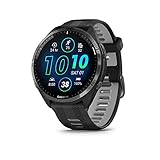 Garmin Forerunner 965
Multisport with the training-load and threshold metrics most of these calculations assume you can actually see day to day.
Check Backcountry → Check price on Amazon → COROS APEX 2 Series GPS Watch
Sapphire titanium and the longest battery in its class, which is the deciding feature once sessions run past a few hours.
Check Backcountry → Check price on Amazon → Favero Assioma Uno Power Meter Pedal
Single-sided pedal power, the cheapest honest way to start training with watts instead of estimating from heart rate.
Check Backcountry → Check price on Amazon →As an Amazon Associate we earn from qualifying purchases, at no extra cost to you. Prices change, so check before buying.
What should I do after a close call or crash?
For close calls: Note details (license plate, description) and consider reporting. For crashes: Check for injury, call police for any contact, exchange information, document everything with photos, seek medical attention even if you feel okay. Adrenaline can mask injuries.
Should I wear a helmet for urban cycling?
While helmet laws vary, they're always recommended for urban cycling. Choose a well-fitting helmet that meets safety standards. Some cities require helmets; others don't. Beyond legality, a helmet is cheap insurance against head injury in a fall or collision.
How do I deal with road rage directed at me?
Stay calm and don't engage. Avoid eye contact if the driver is aggressive. Let them pass. Don't yell or gesture, even if you're in the right. If threatened, note the plate and report to police. Your safety matters more than making a point.
Are earbuds/headphones safe while cycling?
It's illegal in some places and reduces situational awareness everywhere. If you want audio, use bone conduction headphones that leave ears open, or a single earbud at low volume. Being able to hear traffic, horns, and approaching vehicles is important for safety.
📊 Power Up Your Cycling
Use our free calculators to optimize performance: