Winter doesn't have to mean a treadmill sentence. With proper preparation, cold weather running can be invigorating, safe, and even performance-enhancing. The crisp air, empty trails, and unique beauty of winter landscapes reward those willing to embrace the elements.
Research shows that cool temperatures (40-50°F) are actually optimal for running performance—your body doesn't have to work as hard to cool itself. Even below freezing, running outdoors is safe for most healthy individuals with appropriate gear and precautions. This guide covers everything you need to become a confident cold-weather runner, from layering strategies to safety protocols.
Key insight: The golden rule of cold weather running is to dress as if it's 15-20°F warmer than the actual temperature. Your body generates significant heat during exercise, and you'll warm up within 10 minutes of starting.
Temperature-Based Dressing Guide
Use this chart as a starting point, adjusting based on your personal cold tolerance, wind conditions, and workout intensity. High-intensity workouts generate more heat and require lighter clothing.
| Temperature | Upper Body | Lower Body | Accessories |
|---|---|---|---|
| 50-60°F (10-16°C) |
T-shirt or long sleeve | Shorts | None needed |
| 40-50°F (4-10°C) |
Long sleeve tech shirt | Shorts or capris | Light gloves optional |
| 30-40°F (0-4°C) |
Base layer + long sleeve | Running tights | Light gloves, ear band |
| 20-30°F (-6 to 0°C) |
Base + mid layer | Fleece-lined tights | Gloves, beanie, buff |
| 10-20°F (-12 to -6°C) |
Base + mid + shell | Double layer tights | Heavy gloves, balaclava |
| 0-10°F (-18 to -12°C) |
Full 3-layer system | Insulated tights + wind layer | Mittens, face cover, ski goggles |
| Below 0°F (Below -18°C) |
Maximum layering | Maximum layering | All skin covered, limit duration |
Wind Chill Matters
Always check wind chill, not just temperature. A 20°F day with 15mph winds has a wind chill of 6°F. Dress for the wind chill temperature, and plan your route to have the wind at your back on the return when you're sweaty and more vulnerable to cooling.
The 3-Layer System for Winter Running
Proper layering manages moisture, insulation, and wind protection. Each layer serves a specific function, and the system only works when all layers work together.
Layer 1: Base Layer (Moisture Management)
The base layer sits against your skin and must wick sweat away to keep you dry. Wet fabric against skin dramatically increases heat loss through evaporation and conduction.
- • Best materials: Merino wool, synthetic polyester blends
- • Avoid: Cotton (retains moisture, loses insulation when wet)
- • Fit: Snug but not restrictive—air gaps reduce wicking
- • Weight: Lightweight (150g) for most runs, midweight (200g) for extreme cold
Layer 2: Mid Layer (Insulation)
The insulating layer traps body heat while still allowing moisture to escape to the outer layer. Only needed below ~30°F or in windy conditions.
- • Best materials: Fleece, lightweight down, synthetic insulation
- • Options: Quarter-zip fleece, running vest, lightweight puffy
- • Fit: Slightly relaxed to trap air but not baggy
- • Consider: A vest provides core warmth with arm freedom
Layer 3: Outer Layer (Weather Protection)
The shell protects against wind, rain, and snow while allowing internal moisture vapor to escape. Breathability is crucial—non-breathable shells trap sweat and make you cold.
- • Best materials: Gore-Tex, eVent, or breathable softshell
- • Features: Pit zips, adjustable cuffs, reflective elements
- • Types: Hardshell for rain/wet snow, softshell for dry cold
- • Fit: Relaxed enough to layer underneath with full range of motion
Layering Tips
- • Start slightly cold—you'll warm up within 10 minutes
- • Avoid overdressing (sweating soaks your layers and leads to chilling)
- • Choose pieces with ventilation options (zippers) for temperature regulation
- • Test your gear on shorter runs before long efforts
Essential Cold Weather Running Gear
Beyond layering, specific gear items make winter running comfortable and safe. Invest in quality pieces that will last multiple seasons.
Running Tights
Fleece-lined tights for temperatures below 40°F. Wind-resistant front panels add warmth without bulk.
View Product →Merino Base Layer
Natural temperature regulation, odor resistance, and superior moisture wicking. Worth the investment.
View Product →Running Gloves
Touchscreen-compatible for GPS watches and phones. Convertible mitten/glove styles offer versatility.
View Product →Buff/Neck Gaiter
Versatile—wear as neck warmer, headband, face cover, or balaclava. Essential multi-use piece.
View Product →Additional Gear Considerations
- Reflective gear: Winter means more dark runs—visibility is critical
- Headlamp: Rechargeable with red rear blinker for visibility
- Trail shoes: Better grip on snow and slush than road shoes
- Hand/toe warmers: Chemical warmers for extreme cold as backup
Protecting Your Extremities
Your body prioritizes keeping your core warm, which means reduced blood flow to extremities in cold conditions. Hands, feet, ears, and nose are most vulnerable to cold injury.
Hands
Hands lose heat rapidly due to high surface area and distance from your core. Layer with liner gloves under insulated gloves in extreme cold. Mittens are warmer than gloves because fingers share warmth.
- • 30-40°F: Light running gloves
- • 20-30°F: Insulated gloves or convertible mittens
- • Below 20°F: Liner + heavy mittens or lobster-claw gloves
Head and Ears
You lose significant heat through your head. At minimum, cover ears with a headband; in colder temps, use a beanie or balaclava.
- Ear band/headband: 30-40°F, protects ears while venting heat from head
- Thin beanie: 20-30°F, full head coverage
- Fleece beanie: 10-20°F, added insulation
- Balaclava: Below 10°F, covers face and neck
Feet
Cold feet can ruin a run. Merino wool socks provide warmth even when damp. Consider slightly larger winter running shoes to accommodate thicker socks without restricting blood flow.
- • Avoid cotton socks—they hold moisture and conduct heat away
- • Use thin liner socks under heavier socks to reduce friction
- • Gaiters prevent snow from entering shoes
- • Toe warmers between sock layers for extreme cold
Safety Considerations
Cold weather running carries specific risks. Understanding these and taking precautions allows safe training throughout winter.
Frostbite Prevention
Frostbite occurs when tissue freezes—typically affecting fingers, toes, ears, nose, and cheeks first. Risk increases significantly with wind chill and wet conditions.
Warning Signs of Frostbite
- • Frostnip (mild): Red, cold, tingling skin—reversible with warming
- • Superficial: White/grayish skin, feels waxy, numbness
- • Deep: Hard, pale skin, complete numbness—seek medical attention
Hypothermia Awareness
Hypothermia (dangerously low core temperature) can occur even in moderate cold if you're wet from sweat or precipitation. It's most dangerous after your run when you stop generating heat.
- • Plan routes that return you to shelter before you're exhausted
- • Carry a phone and tell someone your route
- • Know the symptoms: shivering, confusion, slurred speech, drowsiness
- • Get inside and change into dry clothes immediately after running
Respiratory Considerations
Cold air is dry and can irritate airways, causing coughing, wheezing, or burning sensations. While not harmful to healthy lungs, it's uncomfortable and can be problematic for those with asthma.
Cold Air Breathing Tips
- • Use a buff or balaclava over mouth/nose to warm and humidify air
- • Breathe through your nose when possible at easy paces
- • Start with a slower warm-up to let airways adapt
- • Asthmatics: use inhaler 15 minutes before running, carry rescue inhaler
Running on Ice and Snow
Slippery surfaces require adjusted technique, appropriate footwear, and sometimes traction devices. Learning to run confidently on snow and ice expands your winter running options.
Traction Devices
Yaktrax Run
Coil-based traction for packed snow and light ice. Lightweight and easy to put on.
View Product →Kahtoola NANOspikes
Tungsten carbide studs for serious ice. More aggressive than Yaktrax.
View Product →Screw Shoes (DIY)
Sheet metal screws in old shoe soles. Cheap and effective for ice running.
Trail Shoes
Aggressive lugs provide better grip on snow than road shoes.
Running Technique Modifications
- • Shorten your stride: Quick, short steps reduce slip potential
- • Land flat-footed: Avoid heel striking on ice
- • Slow down: Accept 15-30% slower pace on snow/ice
- • Stay relaxed: Tense muscles make falls worse
- • Look ahead: Scan for black ice and slick patches
Black Ice Warning
Black ice is nearly invisible—watch for shiny or wet-looking pavement in temperatures near or below freezing. It commonly forms on bridges, shaded areas, and near water. If conditions suggest black ice, traction devices are essential.
Winter Training Adaptations
Winter conditions may require modifying your training approach. The goal is maintaining fitness while respecting the challenges of cold weather.
Workout Modifications
- Easy runs: Focus on time rather than pace—slower is expected
- Tempo runs: Run by effort (heart rate) rather than pace
- Intervals: Consider longer recoveries; do intervals indoors if icy
- Long runs: Plan routes with bailout options and shelters
- Recovery: May need extra recovery—cold is an additional stressor
Indoor/Outdoor Balance
Strategic use of treadmill running preserves outdoor running for the most beneficial sessions while avoiding dangerous conditions.
Move Indoors When:
- • Wind chill below -20°F
- • Freezing rain or ice storm
- • Speed work on icy surfaces
- • First week of a cold snap (adaptation)
Prioritize Outdoors For:
- • Easy aerobic runs
- • Long runs on cleared paths
- • Mental health and mood
- • Maintaining cold tolerance
Warm-Up and Cool-Down in Cold Weather
Cold muscles are stiffer and more injury-prone. Winter requires extended warm-ups and careful post-run protocols.
Pre-Run Warm-Up
- 1 Indoor activation (5-10 min): Jumping jacks, high knees, leg swings, bodyweight squats
- 2 Dynamic stretching: Leg swings, walking lunges, hip circles while still inside
- 3 Start slowly: First 10-15 minutes at very easy pace to complete warm-up
Post-Run Protocol
- Get inside quickly: You cool rapidly when you stop moving
- Change immediately: Remove sweaty layers before they chill you
- Stretch indoors: Do your post-run stretching in warmth
- Warm shower: Helps restore core temperature, but not too hot
Don't Stretch Cold Muscles Outside
Static stretching in the cold is counterproductive and increases injury risk. Complete your stretching routine indoors where muscles stay warm and pliable.
Hydration and Nutrition in Cold Weather
Cold weather suppresses thirst despite significant fluid loss through respiration and sweat. Dehydration is as much a risk in winter as in summer.
Cold Weather Hydration
- • Drink before you're thirsty: Cold blunts thirst perception
- • Pre-hydrate: 16-20oz of water 2 hours before running
- • Carry fluids for runs over 60 minutes: Use insulated bottles
- • Room temperature fluids: Easier to drink than cold water
- • Monitor urine color: Pale yellow indicates proper hydration
Nutrition Considerations
Your body burns more calories in cold weather to maintain core temperature. This is especially true during longer runs or in extreme cold.
- Increase calorie intake: 10-40% more depending on conditions and duration
- Pre-run meal: Include more carbs and fat for sustained energy
- During long runs: Bring gels/chews—keep them warm against your body
- Post-run: Warm foods and drinks aid recovery and warming
Hot Drink Strategy
For very long runs in extreme cold, some runners bring thermoses with warm tea or broth. The psychological and physical boost of warm liquids can be significant. Insulated soft flasks maintain temperature well.
Frequently Asked Questions
How cold is too cold to run outside?
Most healthy runners can safely run in temperatures down to -20°F (-29°C) with proper gear and precautions. Below this, frostbite risk increases significantly even with exposed skin covered. Consider wind chill—a 10°F day with 20mph winds feels like -9°F. When wind chill drops below -20°F, indoor alternatives become safer choices.
What should I wear running in 30-40°F weather?
At 30-40°F (0-4°C), most runners do well with a moisture-wicking base layer, light running tights or pants, a long-sleeve shirt, light gloves, and an ear-covering headband. Dress as if it's 15-20 degrees warmer than actual temperature since your body heats up quickly while running.
Is running in cold weather bad for your lungs?
Cold air is not harmful to healthy lungs but can cause discomfort and temporary symptoms like coughing, wheezing, or burning sensations. These occur because cold, dry air irritates airways. Using a balaclava or neck gaiter to warm and humidify air before breathing can help. People with asthma should take extra precautions and may need to adjust medications.
How do I prevent my phone from dying in cold weather?
Cold temperatures drain batteries quickly. Keep your phone close to your body—inside a base layer pocket against your chest—to maintain warmth. Use an insulated phone case, start with a fully charged battery, and consider using airplane mode to conserve power. Some runners carry hand warmers near their phone.
Should I change my pace in cold weather?
Cold weather generally improves running performance because your body doesn't have to work as hard to cool itself. Many runners set PRs in 40-50°F weather. However, running on ice, snow, or in extreme cold may slow you down due to footing concerns and the metabolic cost of cold exposure. Expect 10-15% slower paces in snow or on icy surfaces.
Embrace the Cold
Winter running isn't about enduring the cold—it's about thriving in it. With proper preparation, cold weather running becomes one of the most rewarding forms of the sport. The quiet snow-covered trails, the crisp air, and the mental toughness built through winter miles pay dividends when spring arrives.
Start with the fundamentals: layer properly, protect your extremities, stay hydrated, and respect dangerous conditions. As you build experience and tolerance, you'll find yourself looking forward to winter runs rather than dreading them.
Remember that every runner's cold tolerance is different. Listen to your body, err on the side of caution in extreme conditions, and gradually build your winter running confidence over time.
Related Articles
🥶 Cold Weather Running Tools
Use our free calculators to plan your winter runs safely:
Featured at Backcountry — 15% off first order
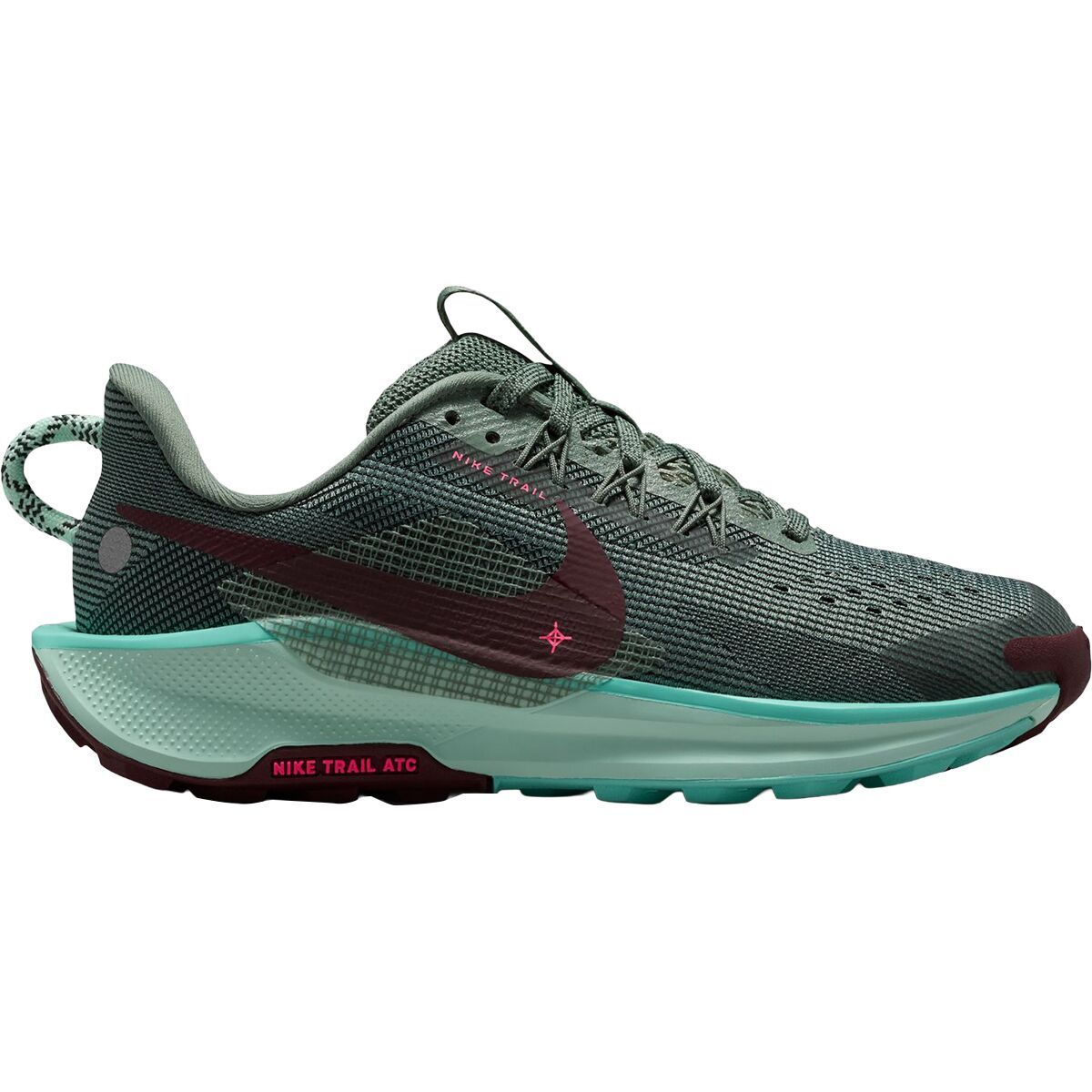
Nike Pegasus Trail 5
Our go-to trail-capable training shoe. React foam + sticky outsole.