Quick Answer: Frame size (cm) = inseam (cm) x 0.70 for road bikes, x 0.57 for mountain bikes. An 80 cm inseam = 56 cm road frame or a 46 cm (18 inch) mountain bike.
Bike Frame Size Calculator
Road bike frame size chart by height, from the calculator's sizing table. Brands differ, so check each maker's geometry chart and stack and reach.
| Frame size | Rider height | Height (cm) |
|---|---|---|
| 47-49 cm (XXS) | 4'10" - 5'1" | 147-155 |
| 49-51 cm (XS) | 5'1" - 5'3" | 155-160 |
| 51-53 cm (S) | 5'3" - 5'6" | 160-168 |
| 54-55 cm (M) | 5'6" - 5'9" | 168-175 |
| 56-58 cm (L) | 5'9" - 6'0" | 175-183 |
| 58-61 cm (XL) | 6'0" - 6'3" | 183-191 |
| 61-63 cm (XXL) | 6'3" - 6'6" | 191-198 |
Find the perfect bike frame size for your body. Enter your height and inseam to get frame size recommendations for road, mountain, hybrid, and gravel bikes, plus standover height and stem length suggestions. Deciding between frame types? See whether you need a tri bike or clip-on aero bars.
Calculate Your Bike Frame Size
Your Recommended Frame Size
Your Size Across All Bike Types
Road Bike Size Chart
Use this road bike size chart as a general guide. Inseam-based calculations (above) are more accurate than height alone.
| Rider Height | Rider Height (cm) | Frame Size (cm) | Size Label |
|---|---|---|---|
| 4'10" - 5'1" | 147 - 155 cm | 47 - 49 cm | XXS |
| 5'1" - 5'3" | 155 - 160 cm | 49 - 51 cm | XS |
| 5'3" - 5'6" | 160 - 168 cm | 51 - 53 cm | S |
| 5'6" - 5'9" | 168 - 175 cm | 54 - 55 cm | M |
| 5'9" - 6'0" | 175 - 183 cm | 56 - 58 cm | M/L |
| 6'0" - 6'3" | 183 - 191 cm | 58 - 61 cm | L |
| 6'3" - 6'6" | 191 - 198 cm | 61 - 63 cm | XL |
| 6'6"+ | 198+ cm | 63+ cm | XXL |
Mountain Bike Size Chart
Mountain bikes use S/M/L sizing. Frame sizes are smaller than road bikes because MTB geometry prioritizes standover clearance and maneuverability.
| Rider Height | Rider Height (cm) | Frame Size (cm) | Frame Size (in) | Size Label |
|---|---|---|---|---|
| 4'10" - 5'3" | 148 - 160 cm | 33 - 37 cm | 13" - 14" | XS |
| 5'3" - 5'7" | 160 - 170 cm | 38 - 42 cm | 15" - 16" | S |
| 5'7" - 5'11" | 170 - 180 cm | 43 - 47 cm | 17" - 18" | M |
| 5'11" - 6'2" | 180 - 188 cm | 48 - 52 cm | 19" - 20" | L |
| 6'2" - 6'6" | 188 - 198 cm | 53 - 57 cm | 21" - 22" | XL |
| 6'6"+ | 198+ cm | 58+ cm | 23"+ | XXL |
How to Measure Your Inseam for Bike Sizing
Your cycling inseam is the single most important measurement for bike sizing. Here is how to measure it accurately in five steps.
-
1
Stand barefoot against a wall
Remove your shoes and socks. Stand with your back flat against a wall, feet shoulder-width apart on a hard floor (not carpet).
-
2
Place a book between your legs
Take a hardcover book and place it between your legs, spine facing up, pulled snugly into your crotch. This simulates sitting on a bike saddle.
-
3
Keep the book level
Make sure the book is perfectly horizontal and pressed firmly upward. It helps to have someone assist you from the side.
-
4
Mark and measure
Have a helper mark the wall at the top edge of the book. Then measure from the floor straight up to the mark with a tape measure. This distance is your cycling inseam.
-
5
Measure twice
Repeat the process two or three times and take the average. Small variations are normal; consistency matters. Record in both centimeters and inches for reference.
Tip: Your cycling inseam is typically 1-2 cm shorter than your pants inseam because the book simulates saddle pressure more accurately than trouser measurements.
What If I'm Between Sizes?
It is common to fall between two frame sizes. Here is how to decide which way to go:
Choose the Smaller Frame If You:
- ▼ Prefer a sportier, more aggressive riding position
- ▼ Have a shorter torso relative to your legs
- ▼ Prioritize nimble handling and quick steering
- ▼ Plan to ride off-road or gravel (more clearance)
- ▼ Are still growing or want room for a longer stem later
Choose the Larger Frame If You:
- ▲ Prefer a more upright, comfort-oriented position
- ▲ Have a longer torso relative to your legs
- ▲ Prioritize stability at higher speeds
- ▲ Ride primarily on paved roads and long distances
- ▲ Have longer arms and prefer a stretched-out reach
Pro Tip: When in doubt, size down. It is easier to make a small frame fit with a longer stem and raised seatpost than to make a too-large frame feel comfortable. A stem change of 10-20 mm is normal; needing more than 30 mm usually means the frame is the wrong size.
Shop Bikes in Your Size
Ready to buy? Here are our top-rated bikes for 2026 across every category.
Road Bikes
Top-rated road bikes for racing, century rides, and fitness cycling. Carbon and aluminum frames in all sizes.
Mountain Bikes
Trail, enduro, and cross-country mountain bikes. Full suspension and hardtail options.
Gravel Bikes
Adventure-ready gravel bikes for mixed terrain. Drop bars, wide tires, and all-day comfort.
Affiliate Disclosure: Product links may earn us a commission at no additional cost to you. This helps support our free calculators.
Related Guides
Best Road Bikes 2026
Top-rated road bikes at every price point, researched and reviewed.
Best Mountain Bikes 2026
Trail, enduro, and XC mountain bikes: our top picks for every budget.
Best Gravel Bikes 2026
Adventure-ready gravel bikes for mixed surfaces and bikepacking.
Complete Bike Fit & Positioning Guide
Saddle height, reach, stack: dial in every measurement for maximum comfort and power.
Featured at Backcountry: 15% off first order
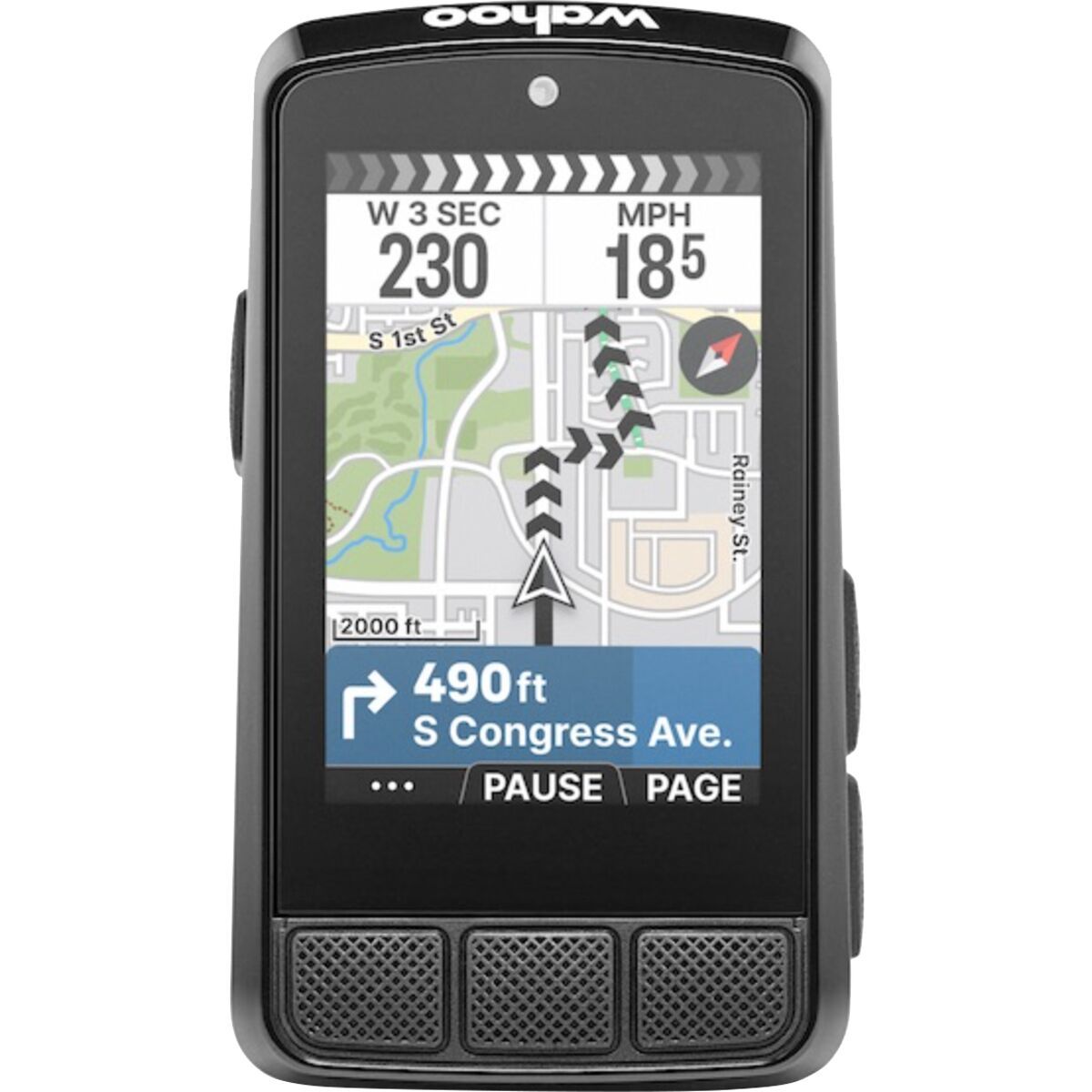
Wahoo ELEMNT BOLT 3
Track your rides with Wahoo's compact GPS bike computer, a favorite in owner reviews for its simple setup.
More questions answered
How do I measure my inseam for bike sizing?
Stand barefoot against a wall with feet shoulder-width apart. Place a hardcover book between your legs snug against your crotch, spine facing up. Have someone measure from the top of the book straight down to the floor. This measurement in centimeters is your cycling inseam.
What if I'm between two bike frame sizes?
If you're between sizes, choose the smaller frame if you prefer a sportier, more aggressive position, or the larger frame if you want a more upright, comfort-oriented ride. Shorter torso and arms also favor the smaller size, while longer torso and arms favor the larger.
Is bike frame size measured differently for road and mountain bikes?
Yes. Road bike frames are measured in centimeters along the seat tube and run larger (typically 48-62 cm). Mountain bike frames use S/M/L sizing and have shorter seat tubes for more standover clearance. A rider on a 56 cm road bike might ride a Medium or Large mountain bike.
What is standover height and why does it matter?
Standover height is the distance from the ground to the top tube when straddling the bike. You need at least 2-5 cm of clearance for road bikes and 5-10 cm for mountain bikes. Insufficient standover clearance is a safety issue when stopping quickly.
How do I know if a bike is too big or too small?
A bike is too big if you can't comfortably straddle the top tube, your arms are fully extended to reach the bars, or you can't reach the ground with your toes while seated. A bike is too small if you feel cramped, your knees hit the handlebars, or your back is excessively hunched.
Does stem length affect bike fit?
Yes, stem length fine-tunes your reach to the handlebars. A standard stem is 90-110 mm for road bikes. If you need a stem shorter than 80 mm or longer than 130 mm to feel comfortable, the frame is likely the wrong size. Stems between 90-110 mm give the best handling.
Should I size up or down for a gravel bike?
For gravel bikes, many riders size down for better off-road handling and maneuverability. A slightly smaller frame gives more standover clearance on rough terrain and lets you move the bike around more easily. However, if you prioritize long-distance comfort, your standard road size works too.
What height is a 54 cm bike frame for?
A 54 cm road frame usually fits riders about 5'6" to 5'9" (168 to 175 cm), with an inseam near 78 to 81 cm. Riders with long legs for their height can go up a size.
What height is a 56 cm bike frame for?
A 56 cm road frame usually fits riders about 5'9" to 6'0" (175 to 183 cm). It is the most common size for men of average height.
What height is a 51 cm bike frame for?
A 51 cm road frame suits riders about 5'2" to 5'5" (157 to 165 cm), sitting between XS and S in most brands' charts.
Sources
- Road frame sizes by height: this site's calculator sizing table, cross-checked against published size charts from Trek, Specialized and Giant
- Inseam multipliers (0.665 road, 0.66 cm seat tube): common bike-fit rules of thumb; a professional fit is more precise
Researched from published specs and standards, not professional medical or coaching advice. Updated 2026.