The Three Zone 2 Calculation Methodologies
This calculator implements three scientifically-validated methods for determining Zone 2 heart rate, then averages them for the most accurate result. Each method has distinct advantages and historical significance in sports science.
1. Basic Formula Method (Fox-Haskell, 1970)
Formula: Zone 2 = 60-70% of (220 - Age)
History: Developed by Fox and Haskell in 1970, this became the foundational heart rate formula used worldwide. Originally derived from a small study of young men, it remains the most recognized despite limitations.
Best For: General population, fitness beginners, quick estimates
Limitations: ±10-12 bpm accuracy, doesn't account for individual fitness differences
2. Karvonen Method (Heart Rate Reserve, 1957)
Formula: Zone 2 = 60-70% of (Max HR - Resting HR) + Resting HR
History: Created by Finnish physiologist Martti Karvonen in 1957. This method considers individual cardiovascular fitness by incorporating resting heart rate, making it more personalized than basic formulas.
Best For: Trained athletes, individuals with known resting HR, personalized training
Advantages: More accurate for individuals, accounts for fitness level differences
3. MAF Method (Maximum Aerobic Function, 1980s)
Formula: Zone 2 = 180 - Age (with adjustments)
History: Developed by Dr. Phil Maffetone in the 1980s for aerobic base building. Based on the principle that 180 minus age represents the maximum aerobic heart rate where fat burning is optimized without anaerobic contribution.
Best For: Endurance athletes, fat adaptation training, aerobic base building
Philosophy: Focuses on pure aerobic development and metabolic efficiency
Why Average All Three Methods?
Each method captures different physiological aspects of aerobic training. By averaging all three, we get a more robust estimate that accounts for:
- Individual variation (Karvonen adjustment)
- Population norms (Basic formula baseline)
- Metabolic efficiency (MAF focus on fat burning)
The Science Behind Zone 2 Training
Zone 2 represents the highest intensity where aerobic metabolism predominates without significant lactate accumulation. At this intensity:
- Mitochondrial Biogenesis: Stimulates creation of new mitochondria
- Fat Oxidation: Maximizes fat burning capacity
- Capillarization: Improves oxygen delivery to muscles
- Metabolic Flexibility: Enhances ability to switch between fuel sources
Historical Development of Heart Rate Training
The evolution of heart rate training zones reflects our growing understanding of exercise physiology:
- 1957: Karvonen introduces heart rate reserve concept
- 1970: Fox-Haskell formula popularizes age-based calculations
- 1980s: Maffetone develops MAF for aerobic training
- 1990s: Lactate testing validates zone-based training
- 2000s: Power meters and advanced physiological testing emerge
- Today: Integration of multiple methods for personalized training
Training Guidelines
- Start with 20-30 minute sessions for beginners
- Progress to 45-90 minutes as aerobic capacity improves
- Include 2-4 Zone 2 sessions per week (80% of total training)
- Monitor using chest strap heart rate monitors for accuracy
- Maintain conversational pace throughout sessions
- Focus on nasal breathing when possible
For more detailed session structures and weekly programming, see our complete guide to Zone 2 training. If you want to understand how Zone 2 fits within the broader five-zone model, our running heart rate zones guide covers every zone in depth.
Zone 2 Heart Rate by Age
One of the most common questions about Zone 2 training is: "What should my Zone 2 heart rate be for my age?" The table below provides Zone 2 heart rate ranges by age using the Karvonen method, which accounts for resting heart rate and provides a more personalized estimate than the basic formula. We use an average resting heart rate of 65 bpm for men and 70 bpm for women.
| Age | Max HR (220 - Age) |
Men (Resting HR ~65) | Women (Resting HR ~70) | ||
|---|---|---|---|---|---|
| Zone 2 Low (60% HRR) |
Zone 2 High (70% HRR) |
Zone 2 Low (60% HRR) |
Zone 2 High (70% HRR) |
||
| 20 | 200 | 146 | 160 | 148 | 161 |
| 25 | 195 | 143 | 156 | 145 | 158 |
| 30 | 190 | 140 | 153 | 142 | 154 |
| 35 | 185 | 137 | 149 | 139 | 151 |
| 40 | 180 | 134 | 146 | 136 | 147 |
| 45 | 175 | 131 | 142 | 133 | 144 |
| 50 | 170 | 128 | 139 | 130 | 140 |
| 55 | 165 | 125 | 135 | 127 | 137 |
| 60 | 160 | 122 | 132 | 124 | 133 |
| 65 | 155 | 119 | 128 | 121 | 130 |
| 70 | 150 | 116 | 125 | 118 | 126 |
How to read this table: Find your age in the left column. Your Zone 2 range is between the "Low" and "High" values. For example, a 40-year-old man with an average resting heart rate would train in Zone 2 between 134 and 146 bpm. Use the calculator above for a result personalized to your exact resting heart rate. For a deeper breakdown, see our Zone 2 heart rate by age training guide.
How Long Does Zone 2 Take to Show Results?
Zone 2 training is a long game. Unlike high-intensity interval training where you feel immediate effects, Zone 2 adaptations happen at the cellular level and take time to manifest as noticeable performance changes. Here is what to expect along the way.
Weeks 1-2: The Humbling Phase
The first two weeks of Zone 2 training are often the hardest, not physically, but psychologically. Most athletes are shocked at how slow they need to go to keep their heart rate in the Zone 2 range. Runners may need to mix in walking intervals, and cyclists may feel like they are barely turning the pedals. This is completely normal. If you can hold a full conversation without gasping, you are in the right zone. Trust the process and resist the urge to speed up.
Weeks 3-4: Early Cardiac Adaptations
By the end of the first month, your cardiovascular system begins adapting. You will notice your pace starts improving slightly at the same heart rate. Your heart becomes more efficient at pumping blood, increasing stroke volume so each beat delivers more oxygen to working muscles. Many athletes report that the same pace that felt awkwardly slow now feels more natural and sustainable.
Months 2-3: Aerobic Fitness Gains Become Noticeable
This is when Zone 2 training starts paying visible dividends. Your mitochondria are multiplying and becoming more efficient at producing energy from fat. You can run faster, cycle harder, or swim longer at the same heart rate. Recovery between workouts improves dramatically. Your resting heart rate may drop by 3-5 bpm as your heart grows stronger. If you are tracking your performance with a VO2 max calculator, you may see measurable improvements during this window.
Months 6 and Beyond: The Compounding Effect
After six months of consistent Zone 2 work, the adaptations compound significantly. Fat oxidation rates increase by 20-40%, meaning your body becomes vastly more efficient at burning fat for fuel. Cardiac output improves, capillary density in your muscles increases, and your lactate clearance capacity grows. Elite endurance athletes build this foundation over years, which is why the best marathoners and Tour de France cyclists dedicate 80% or more of their training to this zone.
A Note on Cardiac Drift: During longer Zone 2 sessions (60+ minutes), you may notice your heart rate gradually increases even though your pace stays the same. This phenomenon is called cardiac drift and is caused by dehydration, rising core body temperature, and redistribution of blood to the skin for cooling. It is normal for heart rate to drift up 5-10% during a long session. If your heart rate drifts above your Zone 2 ceiling, slow down slightly rather than ending the workout. Accounting for cardiac drift is an important part of effective Zone 2 training, and using a reliable heart rate monitor makes it much easier to manage.
Zone 2 Training by Activity
While the heart rate targets remain the same regardless of your sport, Zone 2 training feels quite different depending on the activity. Each discipline has unique considerations for staying in the right intensity zone. Understanding how all five zones work together can also help you balance your training; our heart rate zone calculator breaks down the full spectrum.
Zone 2 Running
For most runners, Zone 2 feels deceptively easy. A good rule of thumb is the "talk test": you should be able to speak in complete sentences without pausing to breathe. Many runners find their Zone 2 pace is 60-90 seconds per mile slower than their normal "easy" pace, which comes as a surprise. Beginners and those returning from time off may need to incorporate walk breaks to stay in zone, and that is perfectly fine. The aerobic benefit is driven by time at the correct heart rate, not by pace or distance.
Zone 2 running builds the aerobic engine that supports everything from 5K speed to ultra-marathon endurance. It strengthens connective tissues at low impact loads, reduces injury risk, and teaches your body to burn fat efficiently. For a complete breakdown of how to structure running around all five training zones, see our running heart rate zones guide.
Zone 2 Cycling
Cycling in Zone 2 is an excellent way to build aerobic base with minimal joint impact. On the bike, Zone 2 heart rate typically corresponds to about 55-75% of your Functional Threshold Power (FTP). If you know your FTP, you can use power as a secondary guide alongside heart rate, which is especially useful on hilly terrain where heart rate response lags behind effort changes.
A common cycling-specific challenge is that outdoor riding makes it difficult to maintain steady Zone 2 effort because of hills, wind, and traffic. Indoor trainers and smart bikes make Zone 2 cycling easier to control. Aim for a cadence of 85-95 rpm in a moderate gear, focusing on smooth pedal strokes rather than grinding in a heavy gear. Many professional cyclists accumulate 15-20 hours per week of Zone 2 riding during their base-building phase.
Zone 2 Swimming
Swimming presents a unique challenge for heart rate-based Zone 2 training. Heart rates in the water run 10-15 bpm lower than on land due to the hydrostatic pressure of water, the horizontal body position, and cooler water temperatures. This means a Zone 2 heart rate of 130 bpm on a run might translate to 115-120 bpm in the pool. Wrist-based monitors also struggle with accuracy in the water, so many swimmers rely on perceived exertion instead.
For Zone 2 swimming, aim for a pace where you can comfortably swim continuously for 30-45 minutes without needing extended rest at the wall. Your stroke should feel smooth and controlled, not labored. Breathing should be relaxed and rhythmic. If you find yourself gasping after each length, you have crossed out of Zone 2. Using a pull buoy can help less experienced swimmers maintain Zone 2 effort by reducing the leg-kick demand.
Common Zone 2 Training Mistakes
Zone 2 training sounds simple on paper: just go slow. But in practice, most athletes make predictable mistakes that undermine the very adaptations they are trying to build. Avoiding these pitfalls will help you get the most out of every session.
1. Going Too Fast (The Number One Mistake)
This is by far the most common Zone 2 error. Athletes see their Zone 2 pace and think, "That cannot be right, it is way too slow." So they run or ride faster, pushing heart rate into Zone 3 or higher. The problem is that Zone 3, sometimes called "no man's land," is too hard to maximize aerobic adaptation and too easy to build real speed. You end up fatigued without the mitochondrial benefits of true Zone 2 or the neuromuscular gains of Zone 4-5. Check your ego, slow down, and let your heart rate zones guide you.
2. Not Doing Enough Volume
Zone 2 training requires sufficient volume to trigger meaningful adaptations. A single 20-minute session per week will not move the needle. Most coaches recommend a minimum of three Zone 2 sessions per week, with each lasting at least 45 minutes and ideally 60-90 minutes. The 80/20 rule (80% easy, 20% hard) used by elite endurance athletes reflects just how much low-intensity volume is needed to build a strong aerobic base.
3. Skipping Zone 2 for "More Productive" Workouts
It is tempting to replace Zone 2 sessions with interval training or tempo runs because those feel more "productive." You are breathing hard, sweating more, and the perceived effort is high, so it must be better, right? Wrong. High-intensity work is important, but without the aerobic foundation built by Zone 2, your body lacks the metabolic infrastructure to support intense efforts and recover from them. Think of Zone 2 as the foundation of a house: invisible but essential for everything built on top of it.
4. Using Wrist-Based Heart Rate Monitors for Zone 2
Optical wrist-based heart rate sensors have improved dramatically, but they are still less accurate at lower intensities and during activities with arm movement (like running). Studies show wrist monitors can be off by 5-15 bpm at Zone 2 heart rates, which is significant when your entire target range may only span 12-15 bpm. For accurate Zone 2 training, a chest strap heart rate monitor is the gold standard. If you must use a wrist monitor, check accuracy periodically against a chest strap and learn your device's tendencies. Our guide to the best heart rate monitors for 2026 covers both chest strap and wrist options.
5. Not Accounting for Heat, Humidity, and Caffeine
External factors significantly affect heart rate during exercise. Training in heat or humidity can elevate heart rate by 10-20 bpm at the same effort level. Caffeine consumption before exercise can add another 5-10 bpm. Altitude, sleep quality, stress, and illness also play a role. On hot days or after a strong cup of coffee, you may need to slow your pace substantially to stay in Zone 2. Rather than seeing this as a setback, view it as your body telling you the truth about its current state. Adjust accordingly and let heart rate, not pace, be your guide.
Pro Tip: Track your "decoupling ratio" over time. This measures the percentage difference between your heart rate and pace (or power) in the first half of a Zone 2 session versus the second half. As your aerobic fitness improves, this ratio decreases, meaning your heart rate stays more stable throughout the workout. A decoupling ratio under 5% is a strong indicator of excellent aerobic fitness and a sign that your Zone 2 training is working.
The fix for wrist-sensor error: a chest strap
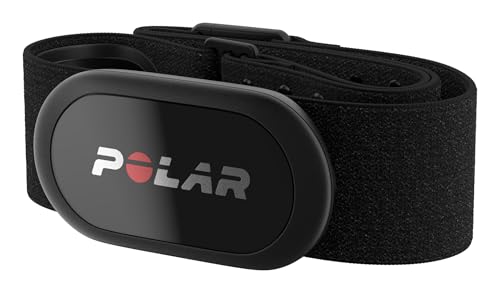
Zone 2 lives inside a narrow heart-rate band, and mistake number 4 above is trusting a wrist sensor with it. A chest strap keeps you inside your zone instead of 5 to 15 bpm outside it.
As an Amazon Associate we earn from qualifying purchases. Prices are approximate and change often.

Featured at Backcountry — 15% off first order
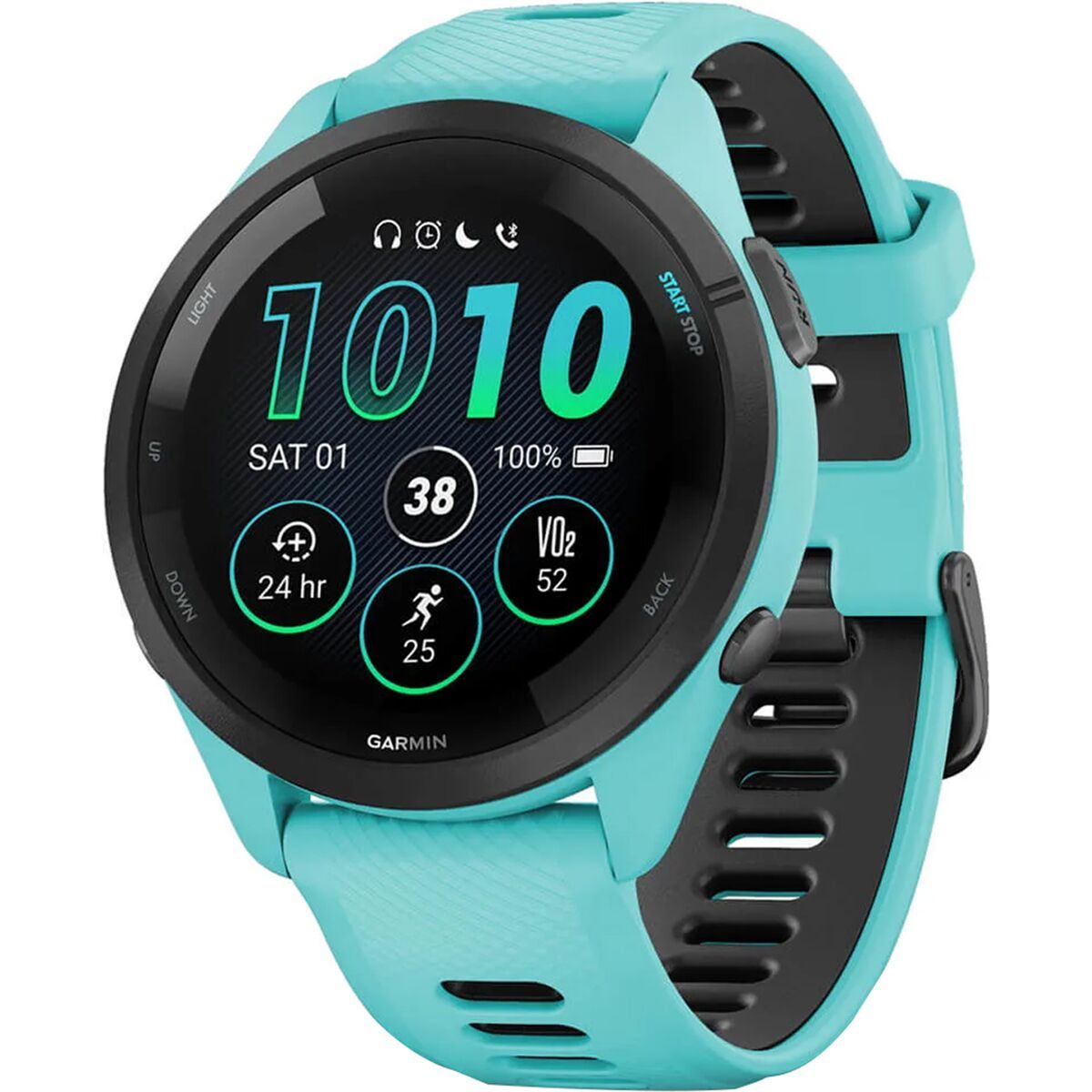
Garmin Forerunner 265
AMOLED display with real-time Zone 2 alerts via vibration so you don't have to look down. Pairs cleanly with any ANT+/Bluetooth chest strap for the 5-bpm precision Z2 demands.
Zone 2 Training Gear: What You Actually Need
Zone 2 training is only as accurate as your HR data. Optical wrist sensors lag and over-read during steady efforts — these are what serious Z2 trainers actually use. As an Amazon Associate, we earn from qualifying purchases.
- Polar H10 Heart Rate Monitor The gold standard for Z2 accuracy. ECG-level signal, dual ANT+/Bluetooth, lasts ~400 hours per battery. Used in most peer-reviewed Z2 research. ~$90.
- Garmin HRM 600 (Backcountry) Garmin's current flagship chest strap — running dynamics, stride length, vertical oscillation, and offline storage when your watch is out of range. Amazon. ~$170.
- Wahoo TICKR FIT (Backcountry) Budget pick — optical armband instead of chest strap. Less accurate at intervals but more comfortable for long Z2 sessions if chest straps chafe. Amazon. ~$80.
- Books on Zone 2 by Inigo San Millan / Peter Attia If you've heard Z2 on Huberman or The Drive and want the actual science behind it — these are the primary sources cited. ~$20.